Latest Posts

“We always walk with an optimistic spirit and an open mind”

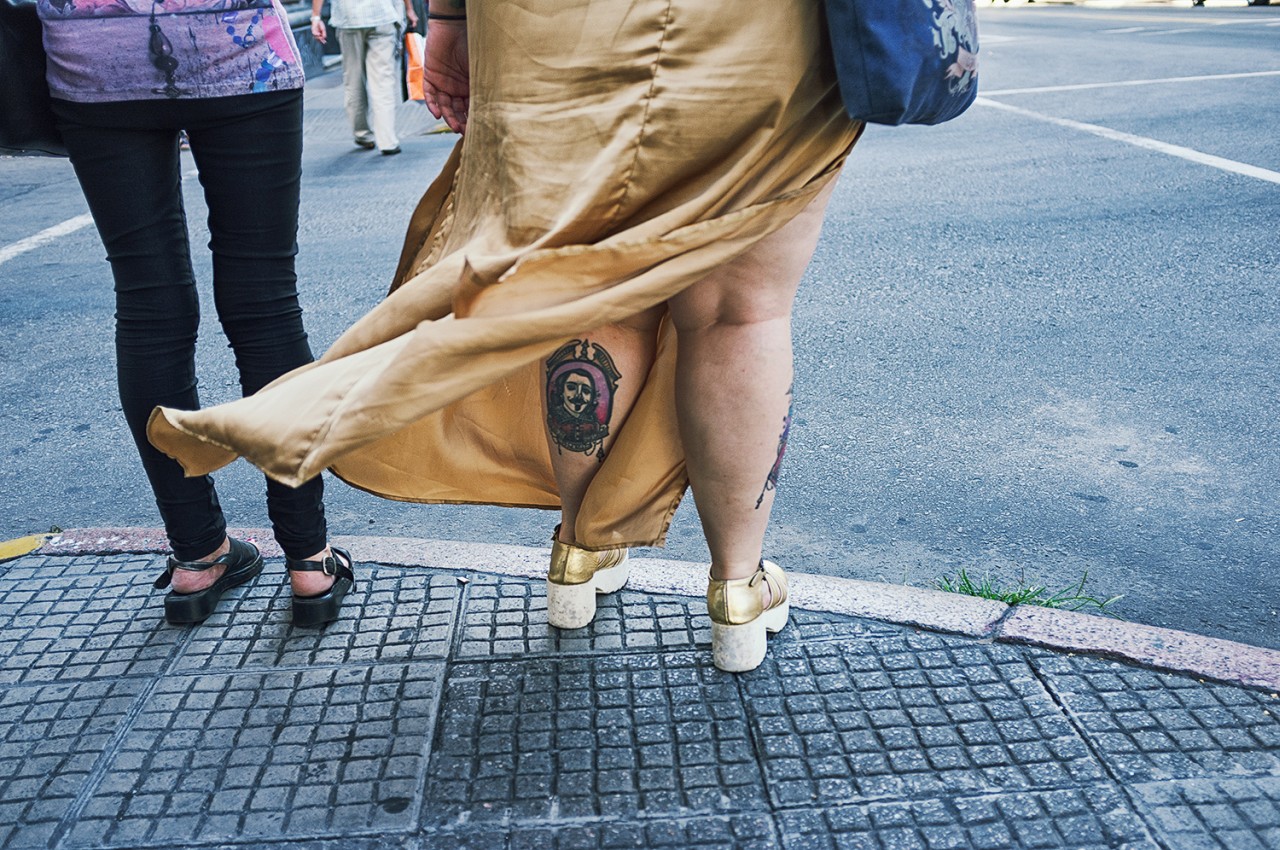
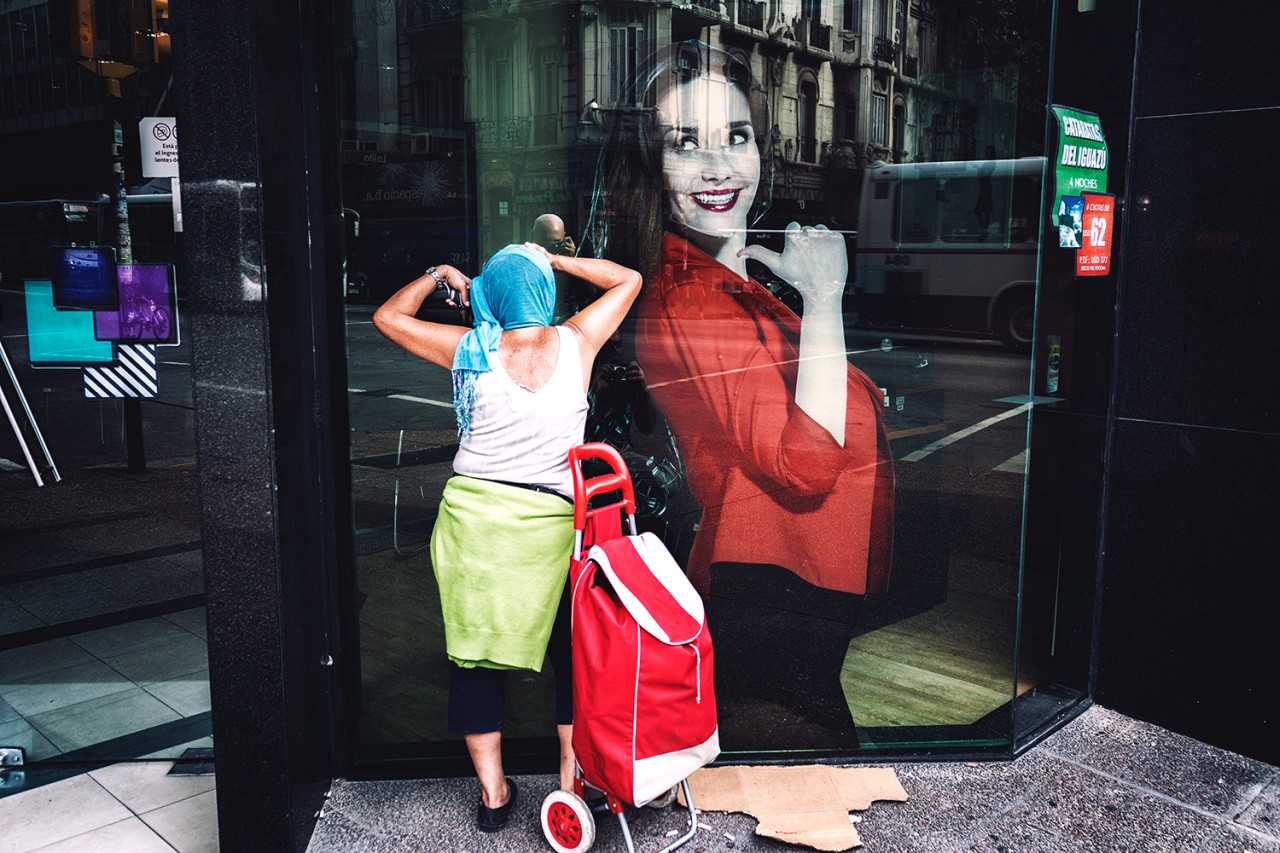
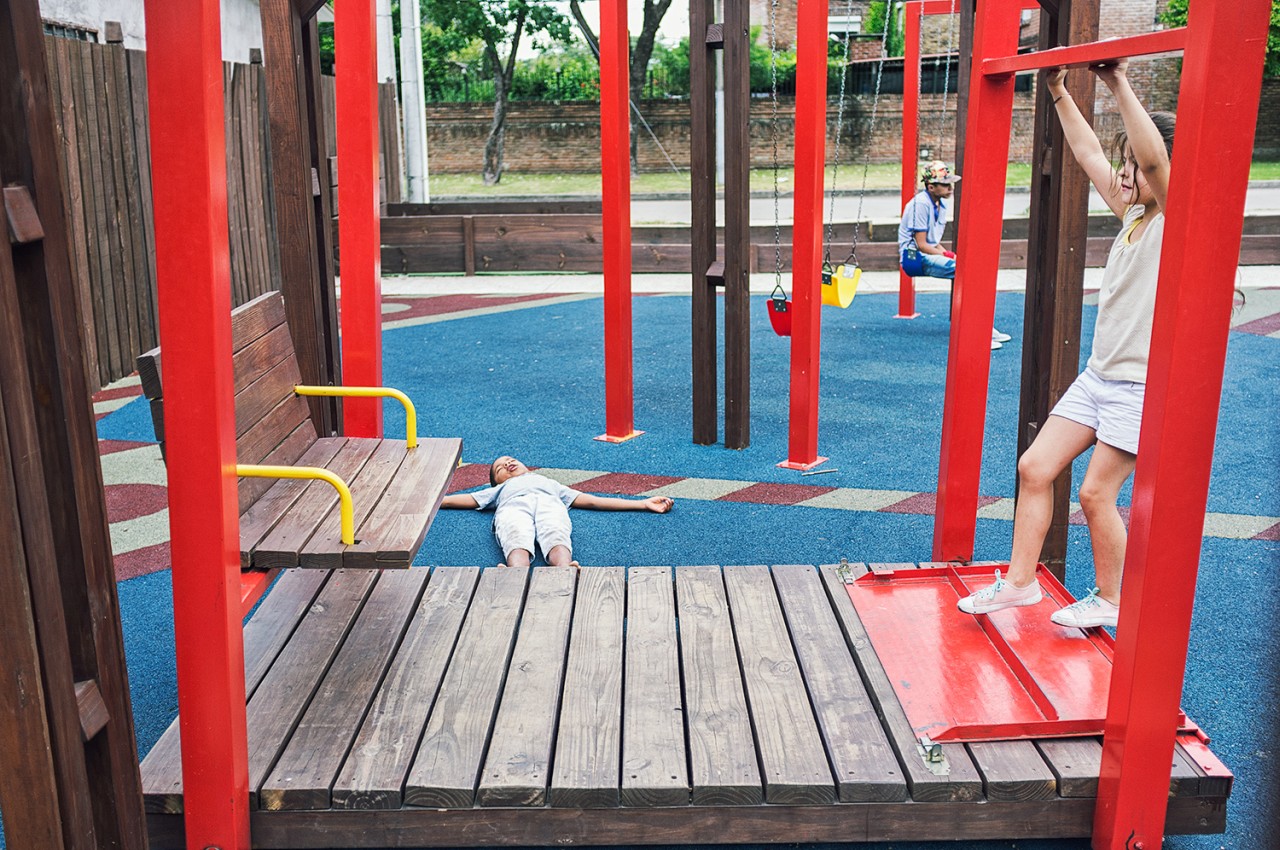
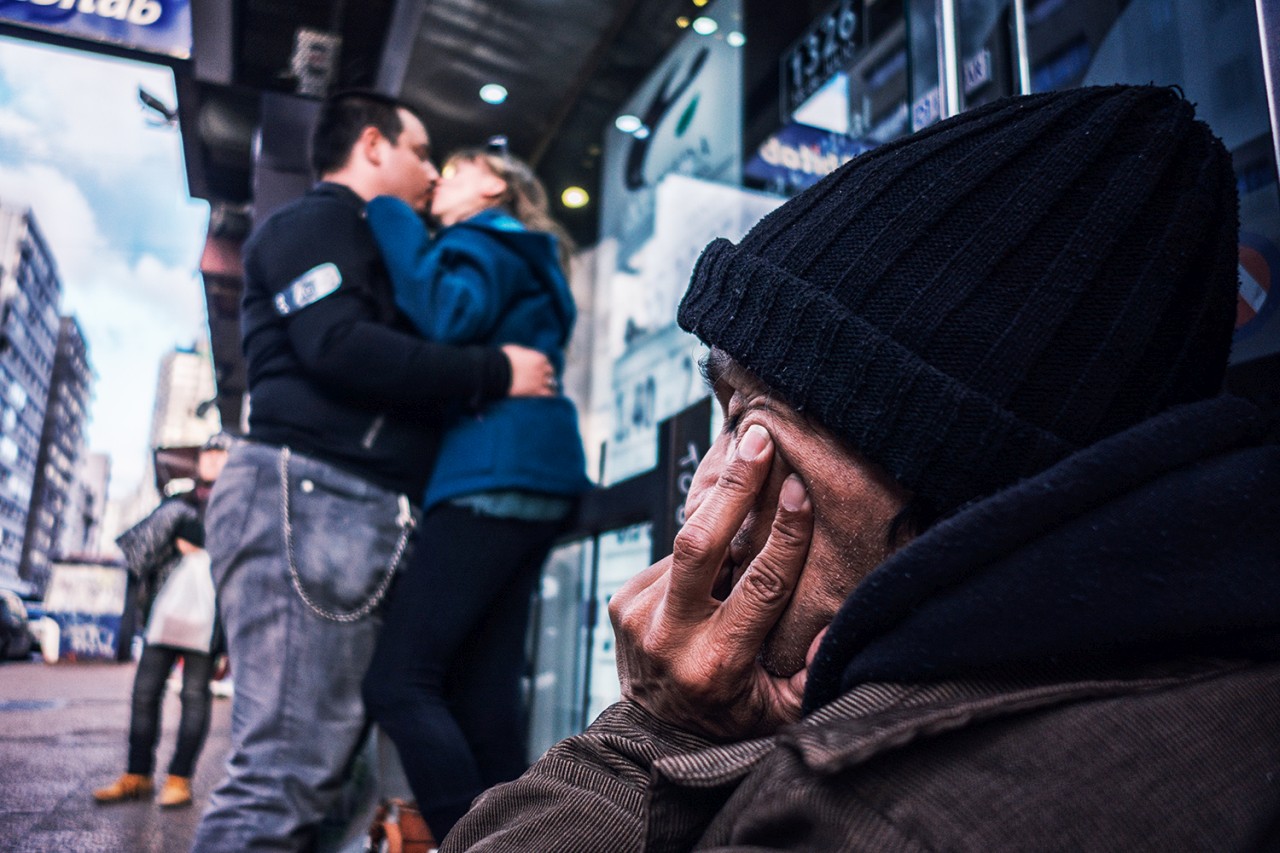
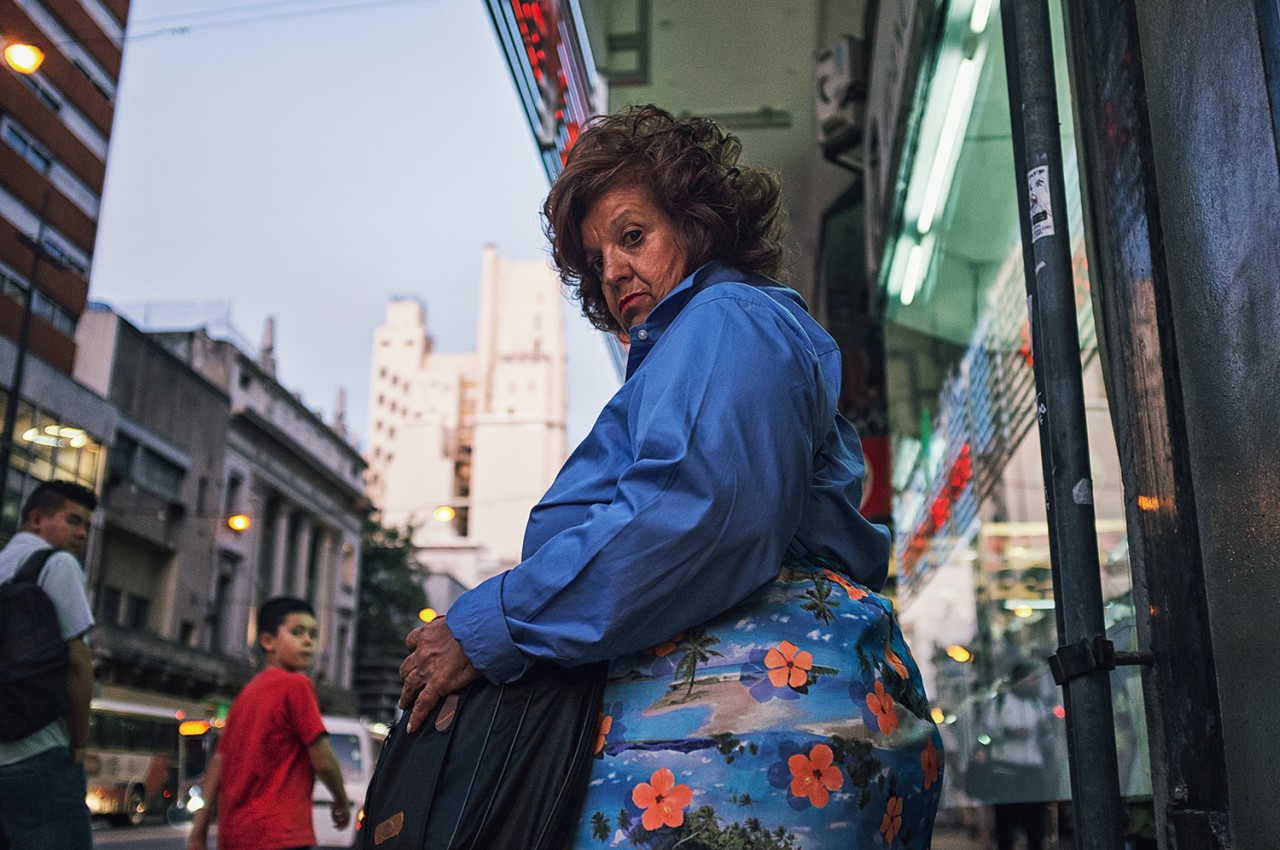
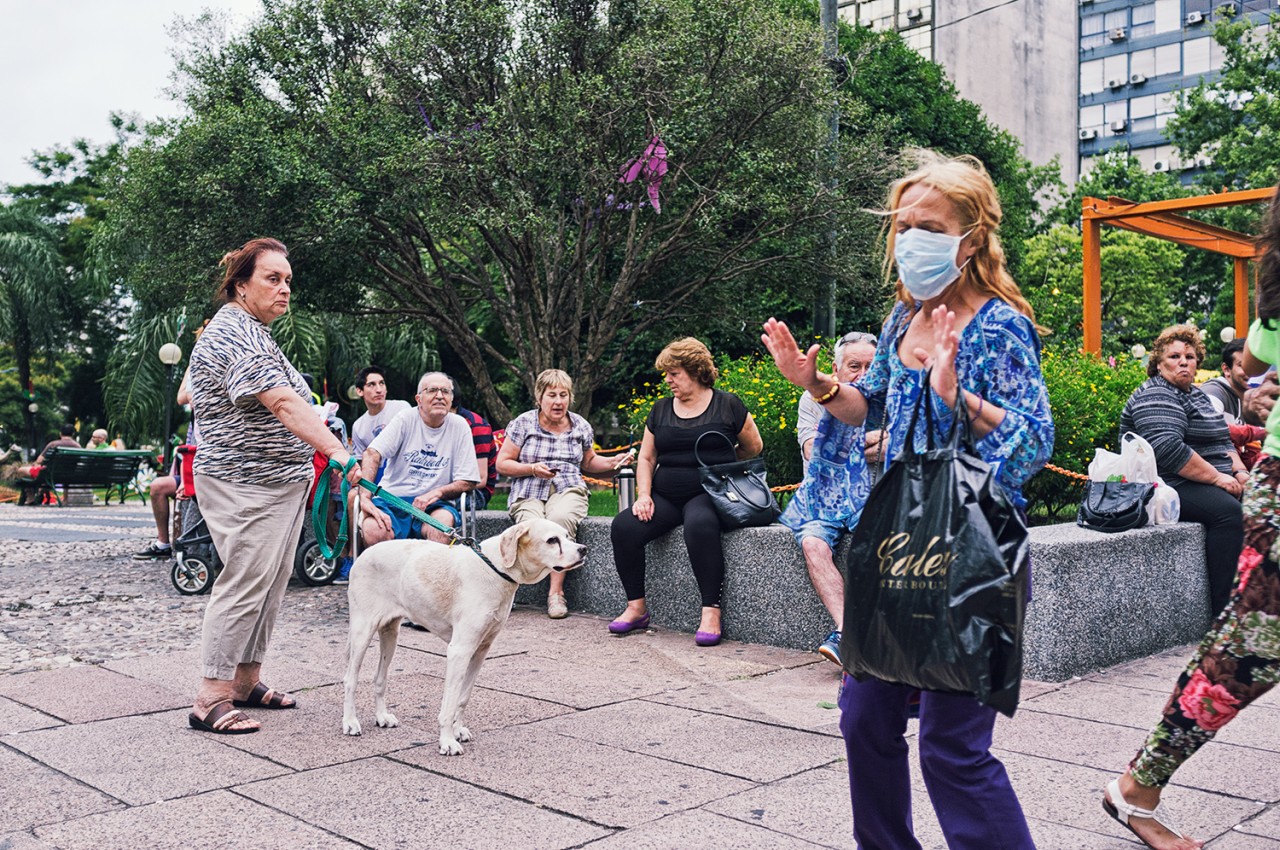
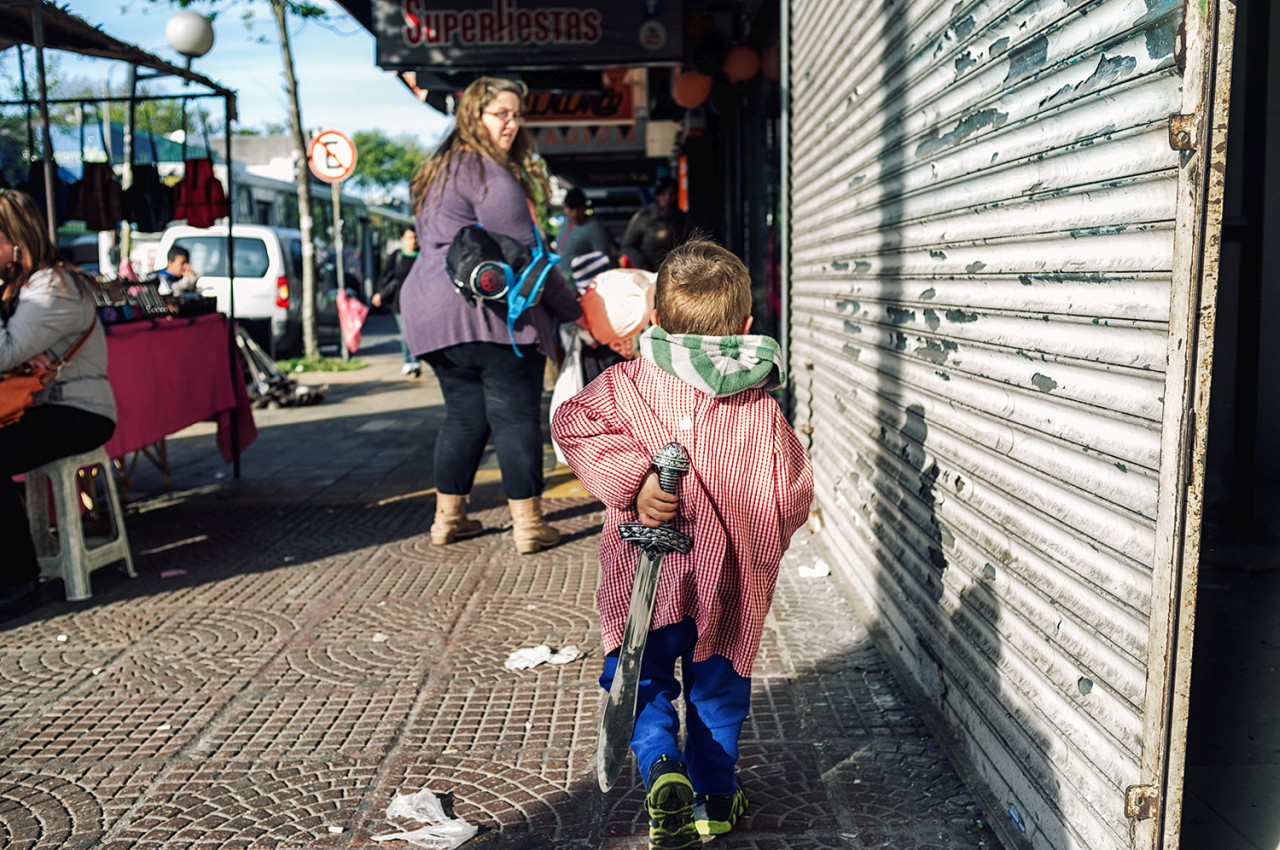
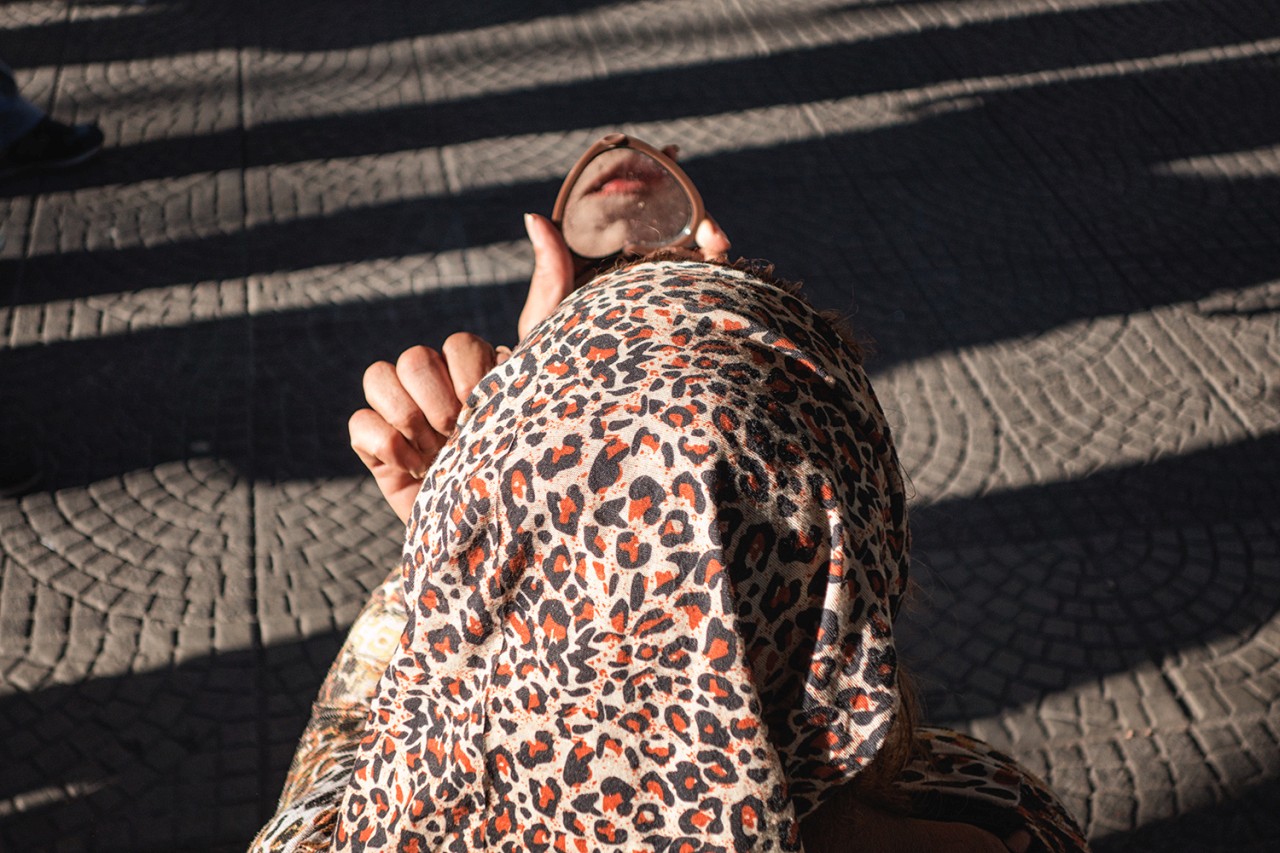
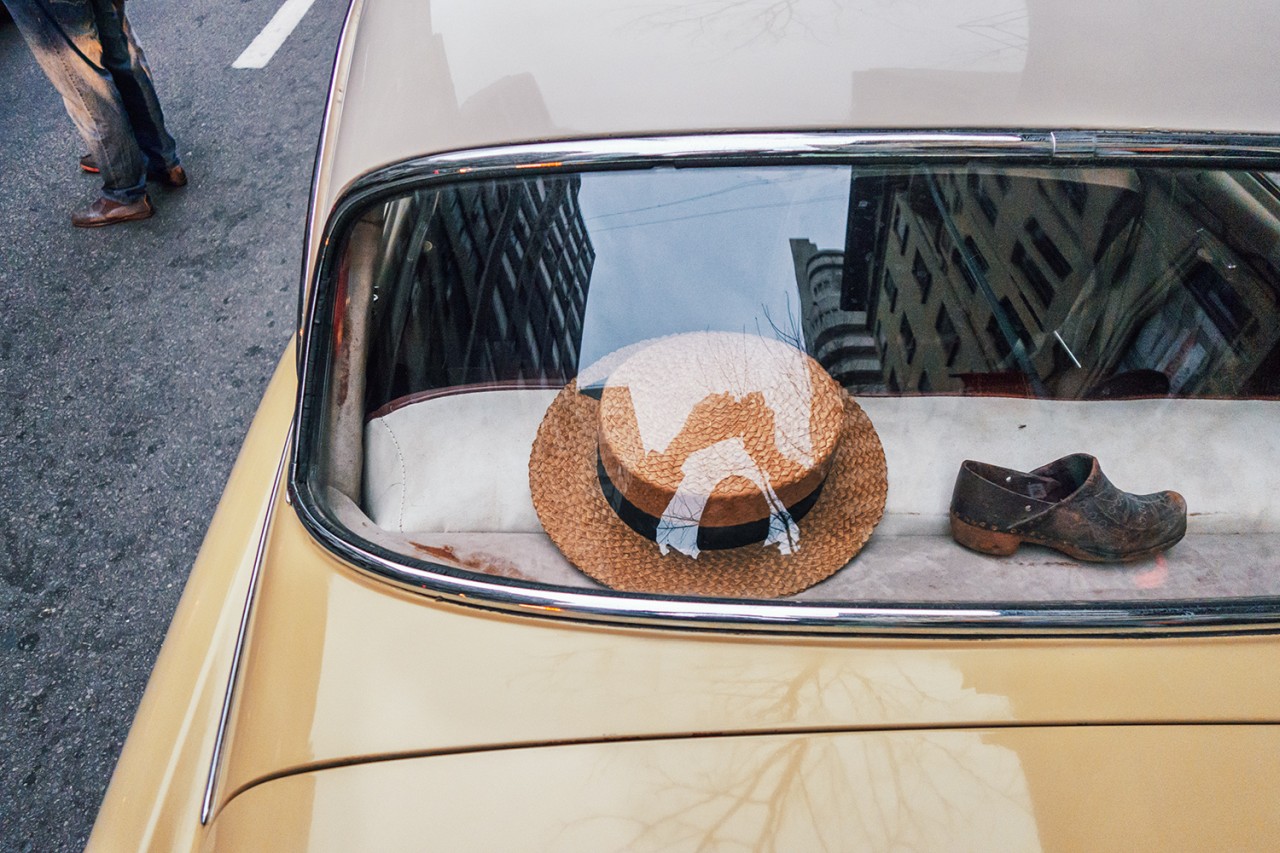
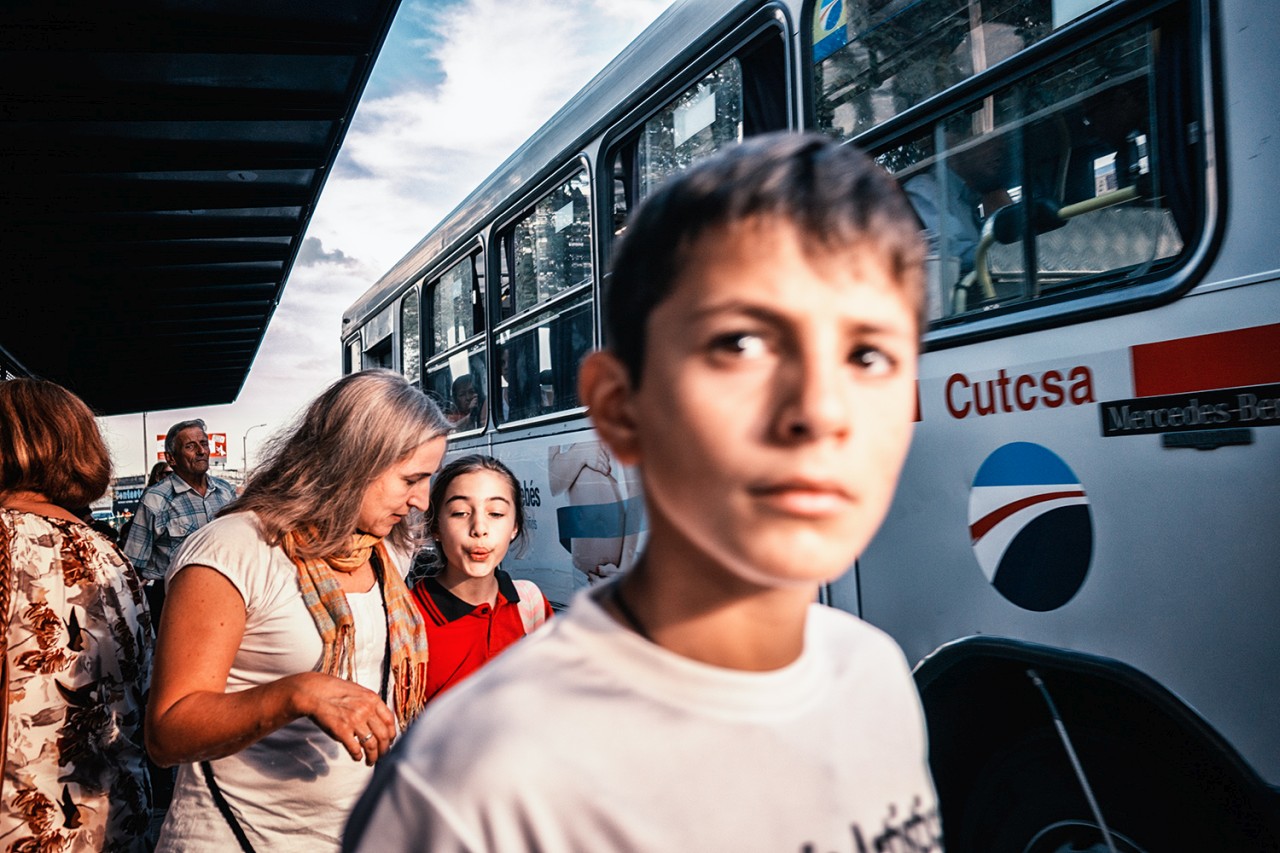
Gustavo Rosas and Gonzalo Gómez from Montevideo, Uruguay, about their project “Shot” and their approaches in Street Photography.

Gustavo, Gonzalo, please introduce yourself briefly.

Gustavo Rosas: I was born in Montevideo, Uruguay, on May 15, 1985. In the year 2006 I began to study graphic design at the School of Social Communication (UTU). In 2008 I took the introductory photography course at the Uruguayan School of Photography and Video (EUF) and in 2017 I completed my degree in Visual and Plastic Arts at the National School of Fine Arts (IENBA). I am currently working as a photographer and freelance graphic designer.

Gonzalo Gómez: I was born in Montevideo, Uruguay, on October 17, 1979. In 2007 I graduated as a graphic designer at the UTU School of Social Communication. I won prizes in contests of logos and posters, many of them related to social issues, and in parallel I began to carry out assignments of visual communication. At the end of 2010 I bought my first camera, and from there I didn’t stop taking photos. I am currently working as a freelance graphic designer and photographer.

Your submitted photos are part from your project “shot”. Please tell us how that idea came about.

Gonzalo: With Gustavo we met in the year 2006 in the graphic design career. In 2010 we were doing design work for a client when Gustavo showed me some pictures he had taken in the coastal area of Montevideo. I found his vision of life on the streets of our city very interesting, and coincidentally I was also taking pictures in the street.

Having that motivation, at the end of 2012 we began to walk through the downtown areas of Montevideo seeking moments that excited us. Then, in 2015 we realized that we had reached an original and diverse photo production, so we decided to give the series an identity. Then we came up with the name “Shot”.

Gonzalo Gómez

Gustavo Rosas

Gonzalo Gómez

Gustavo Rosas

Gonzalo Gómez

Gonzalo Gómez

Gonzalo Gómez

Gustavo Rosas

Gustavo Rosas

Gustavo Rosas

Please tell us a bit about your personal aproaches to capture those candid moments on the streets.

Gustavo: I go for a walk without a previous idea, trying to photograph what in some way excites and surprises me, from a small gesture to the most complex situation. I believe that walking frees the mind and one becomes more receptive to what happens in the street. I like to be close to the situation (depending on the possibilities) and I consider that there are few times that a singular photo can be captured, but it is always worth trying.

Gonzalo: I simply walk without any specific goal. I like the sense of humor and irony, but also the drama and ambiguity. Surely this influences me when it comes to finding a situation to photograph. I have also noticed that I like the adrenaline that I feel when I have to take a picture very quickly or get close enough to the subject.

What makes Montevideo so special for street photography?

Gonzalo: Montevideo is a very calm city, which means a challenge to find peculiar moments to photograph in its streets. However, we always walk with an optimistic spirit and an open mind. In that way we are receptive to spontaneous and candid situations that may appear.

And what makes street photography so special for you?

Gonzalo: For me, street photography is an activity that naturally connects me with my intuition in the search for moments that awaken some kind of emotion. It also makes me pay attention to particularities in people (a gesture or look). Not knowing what I’m going to find generates in me a nice feeling that has a playful component. I feel good practicing it, even when interesting events do not appear.

Gustavo: I feel street photography as a form of personal expression, while awakening my curiosity to understand what surrounds me. I think the condition of unpredictability makes it exciting and there is also a special adrenaline at the moment of the shot, the expectation that something unusual may happen.

What are your future plans concerning the shot project?

Gustavo: Shot is a project that we started in 2013 and has no end date. It is divided by seasons, which forces us to edit the material regularly. In 2018 we will start  season 4. We are also thinking about editing a book with a selection of the best of all seasons.

Where can we find more of your work?

Project website www.shotproyecto.com

Instagram Gustavo: gustavorosasfoto
Instagram Gonzalo: gonzalogomez.foto

Thanks Gustavo, thanks Gonzalo!

I’m always in my car as most Angelinos people are

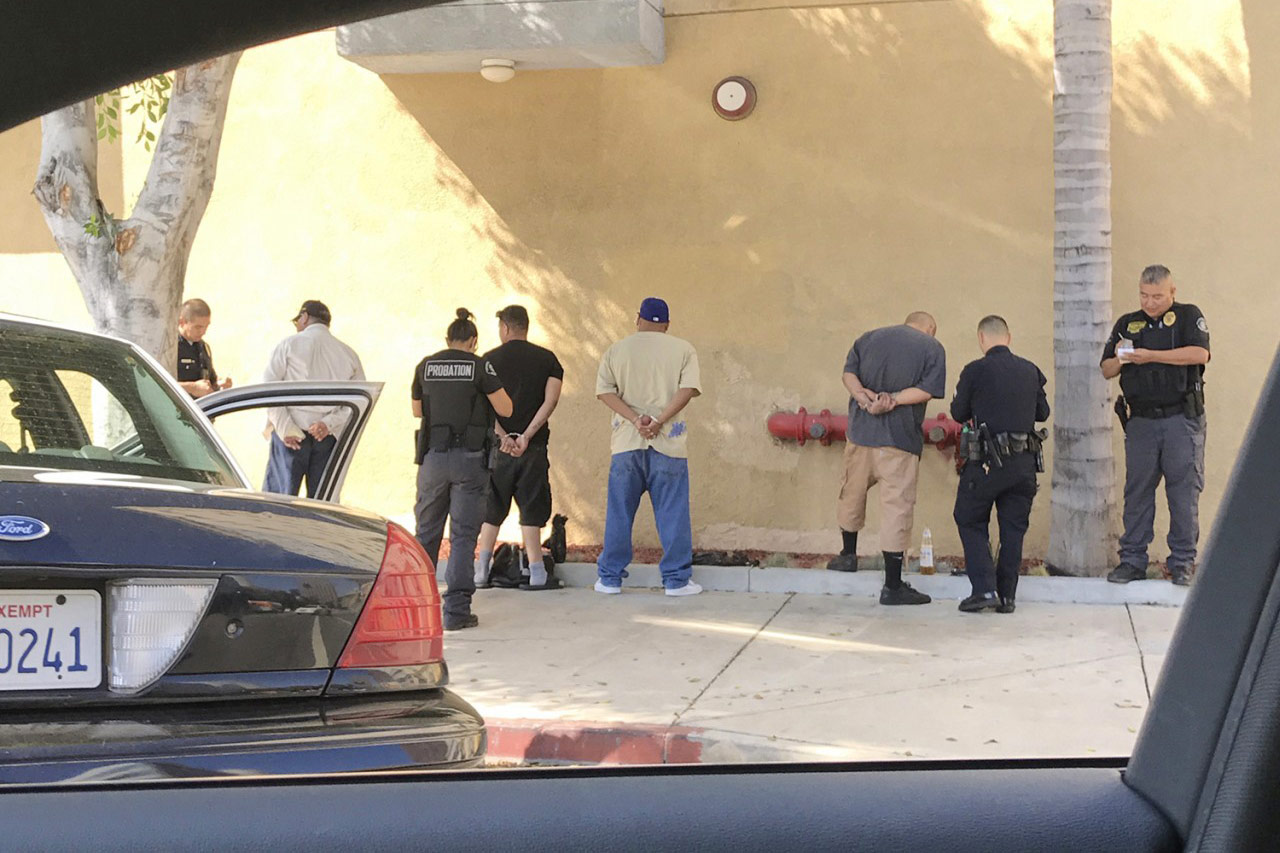
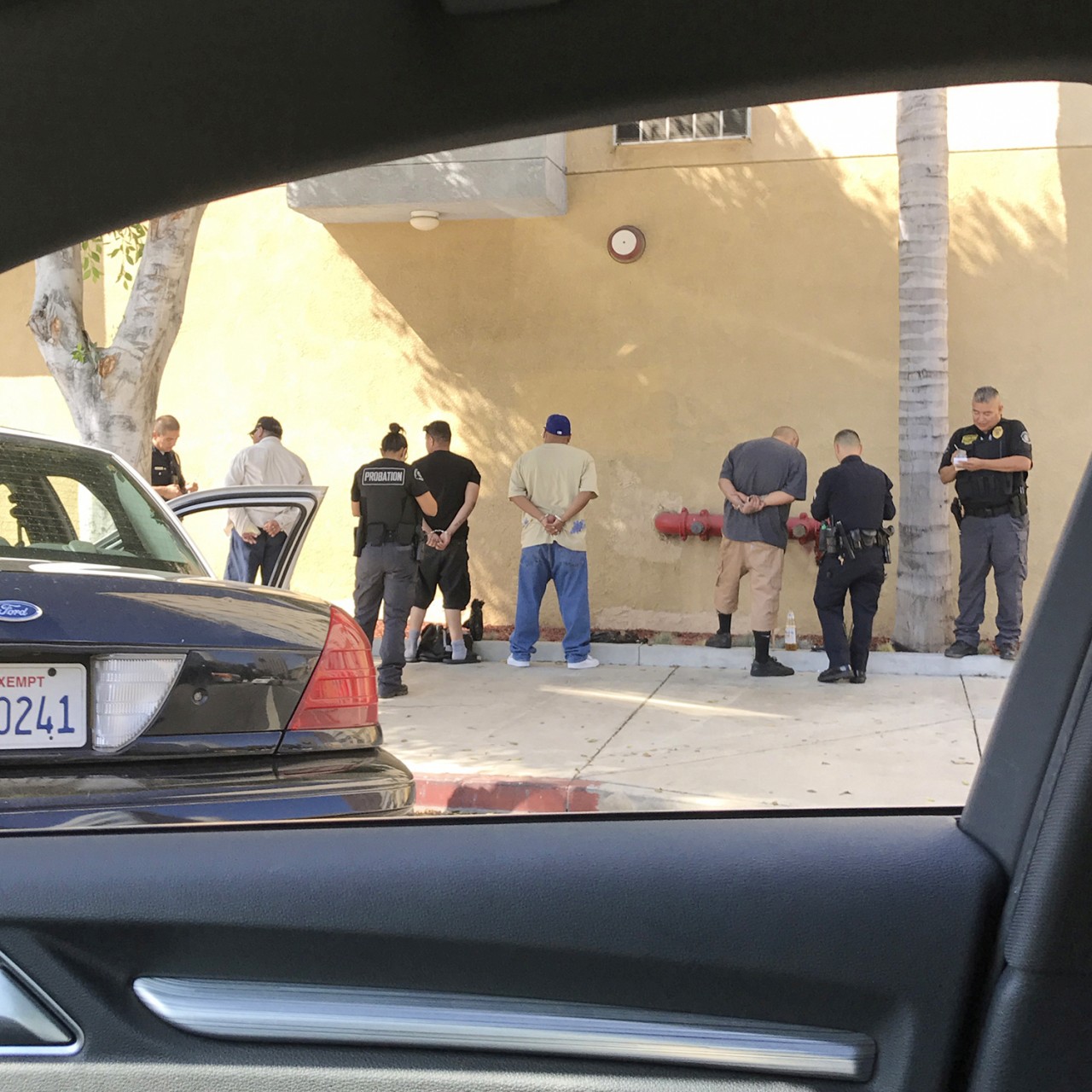
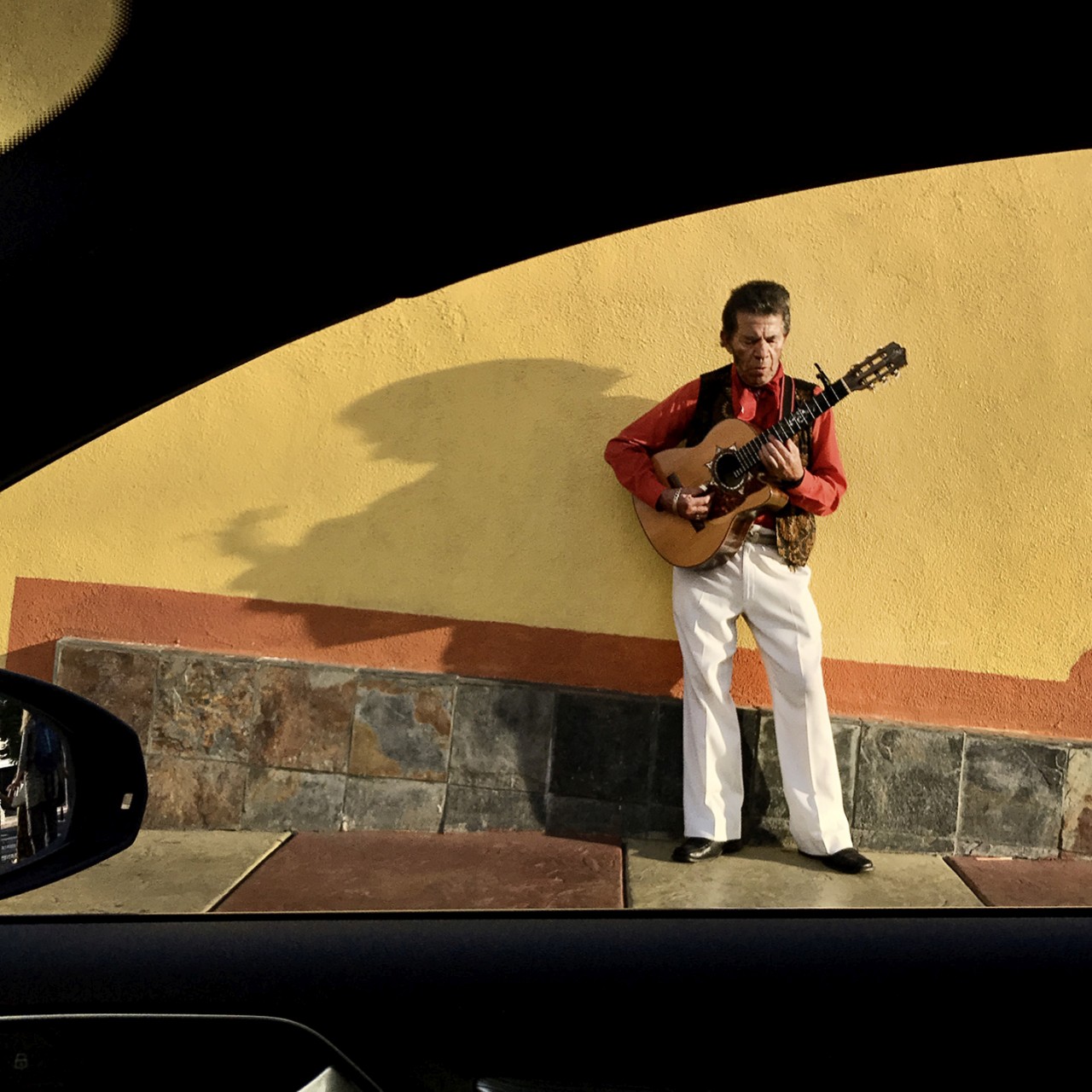
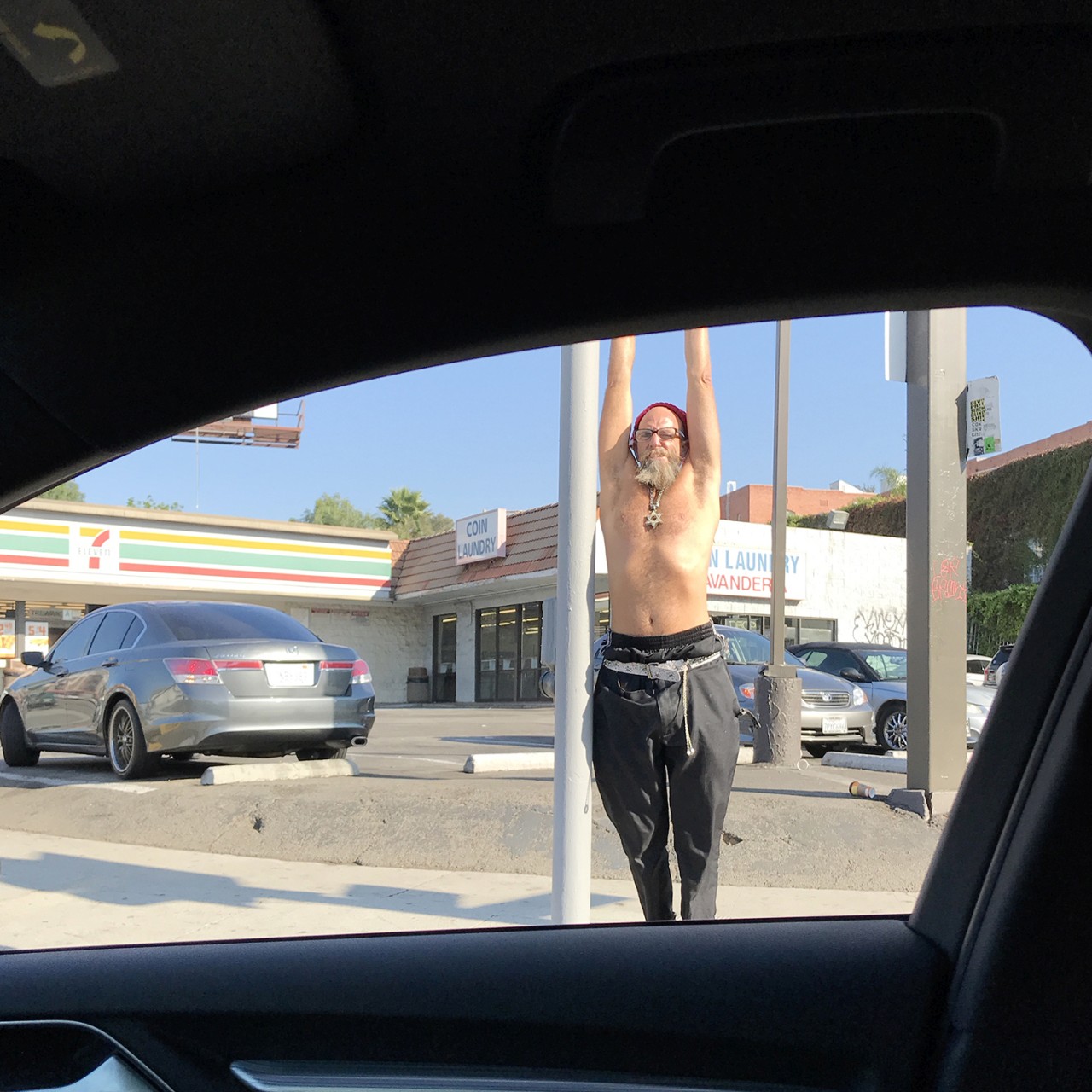
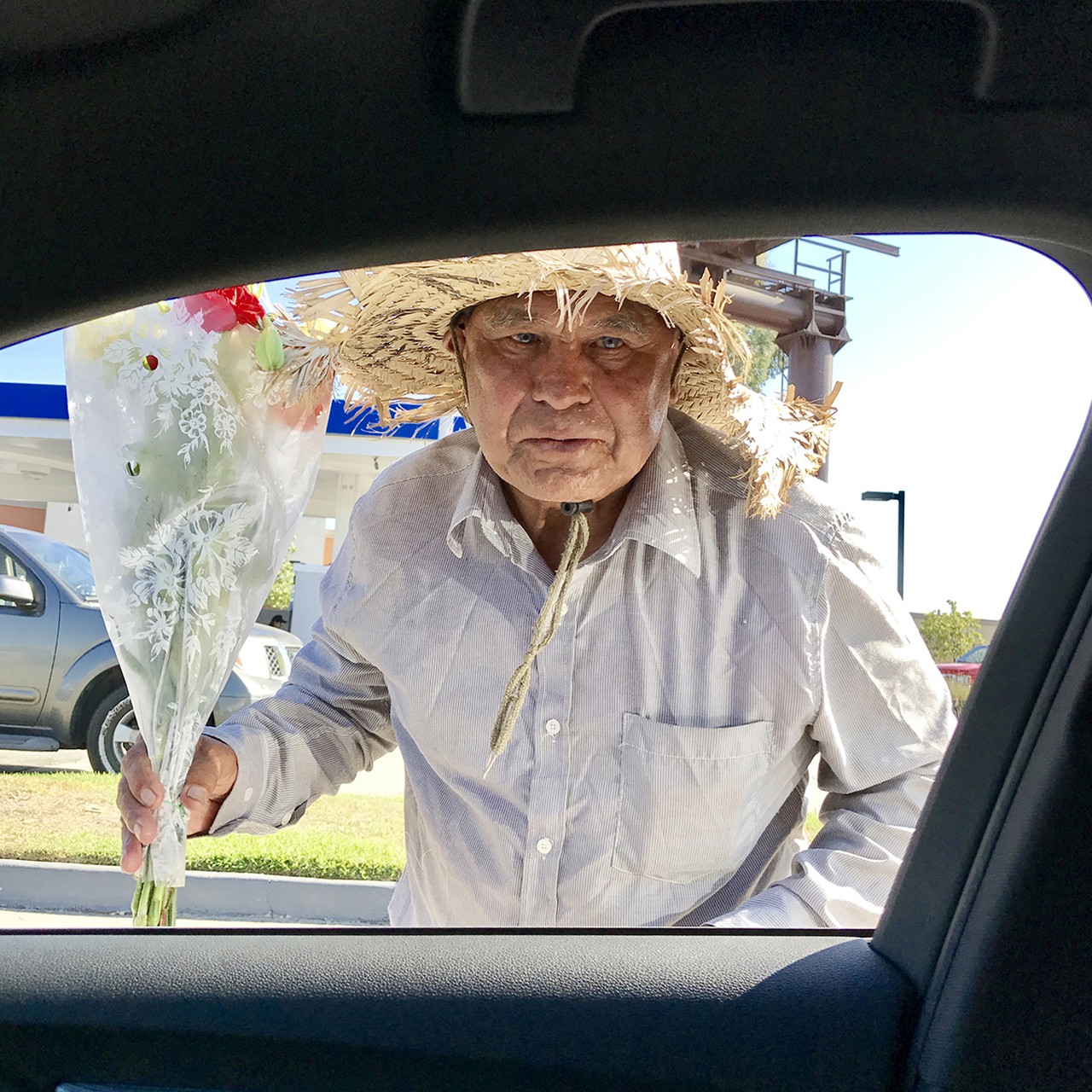
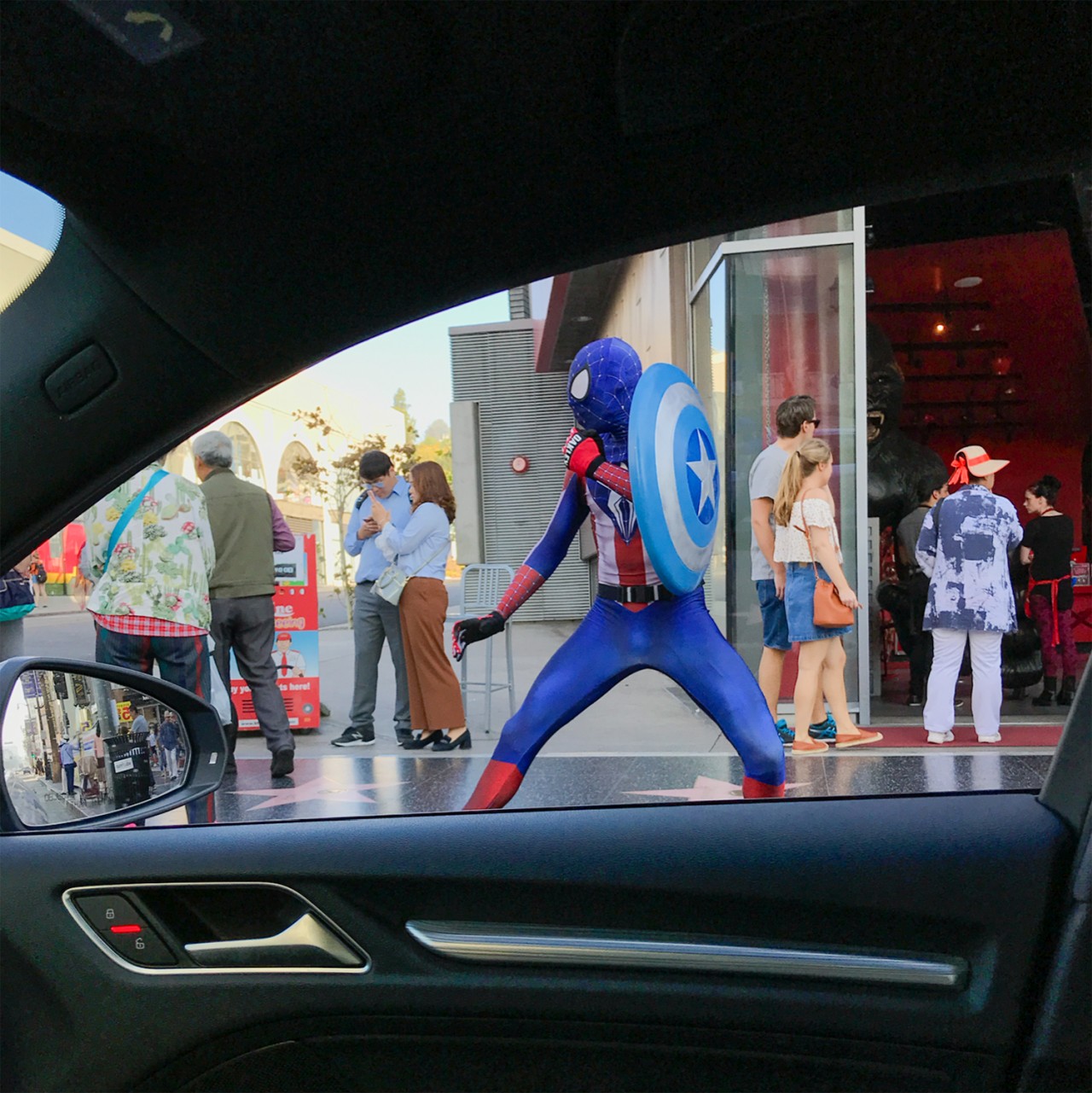
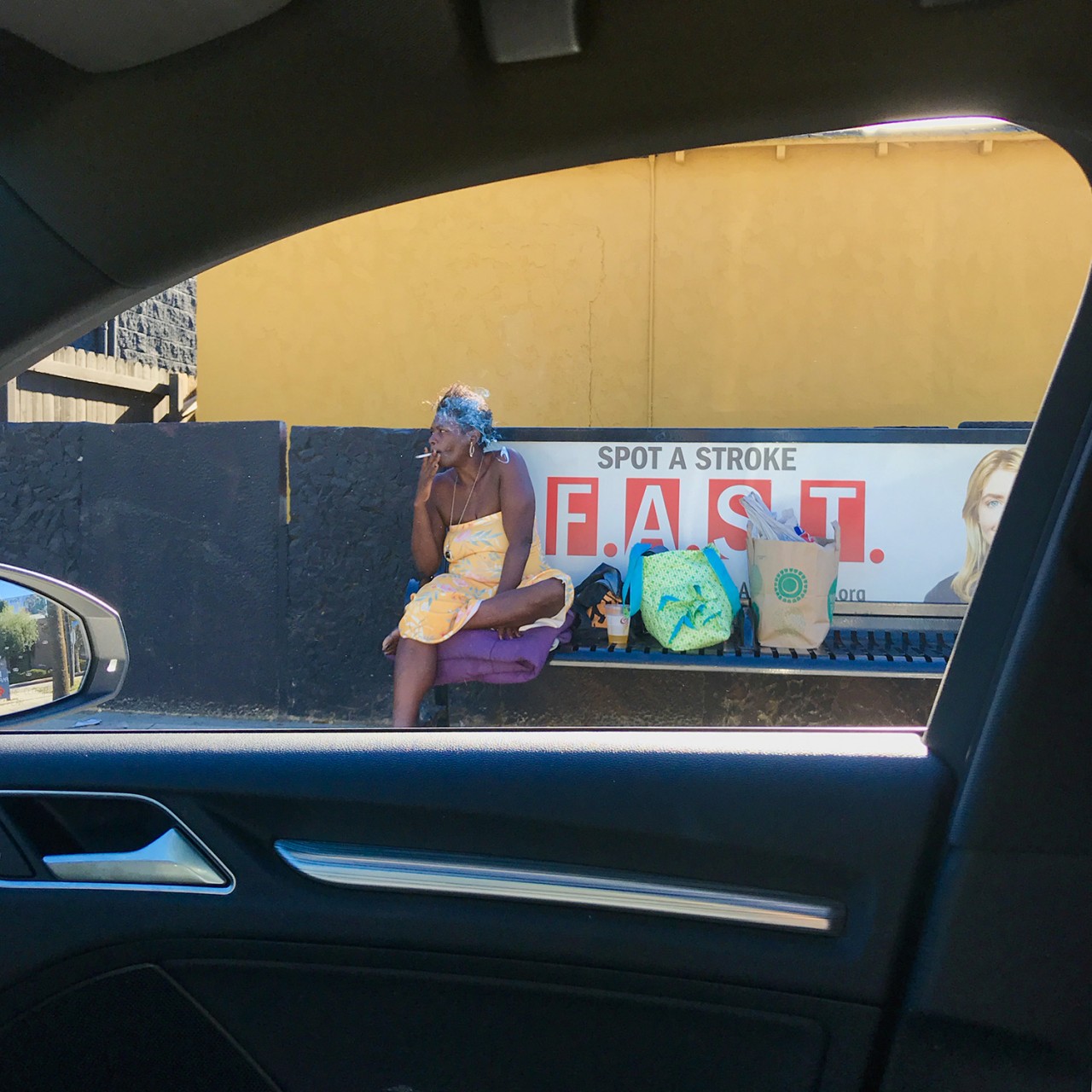
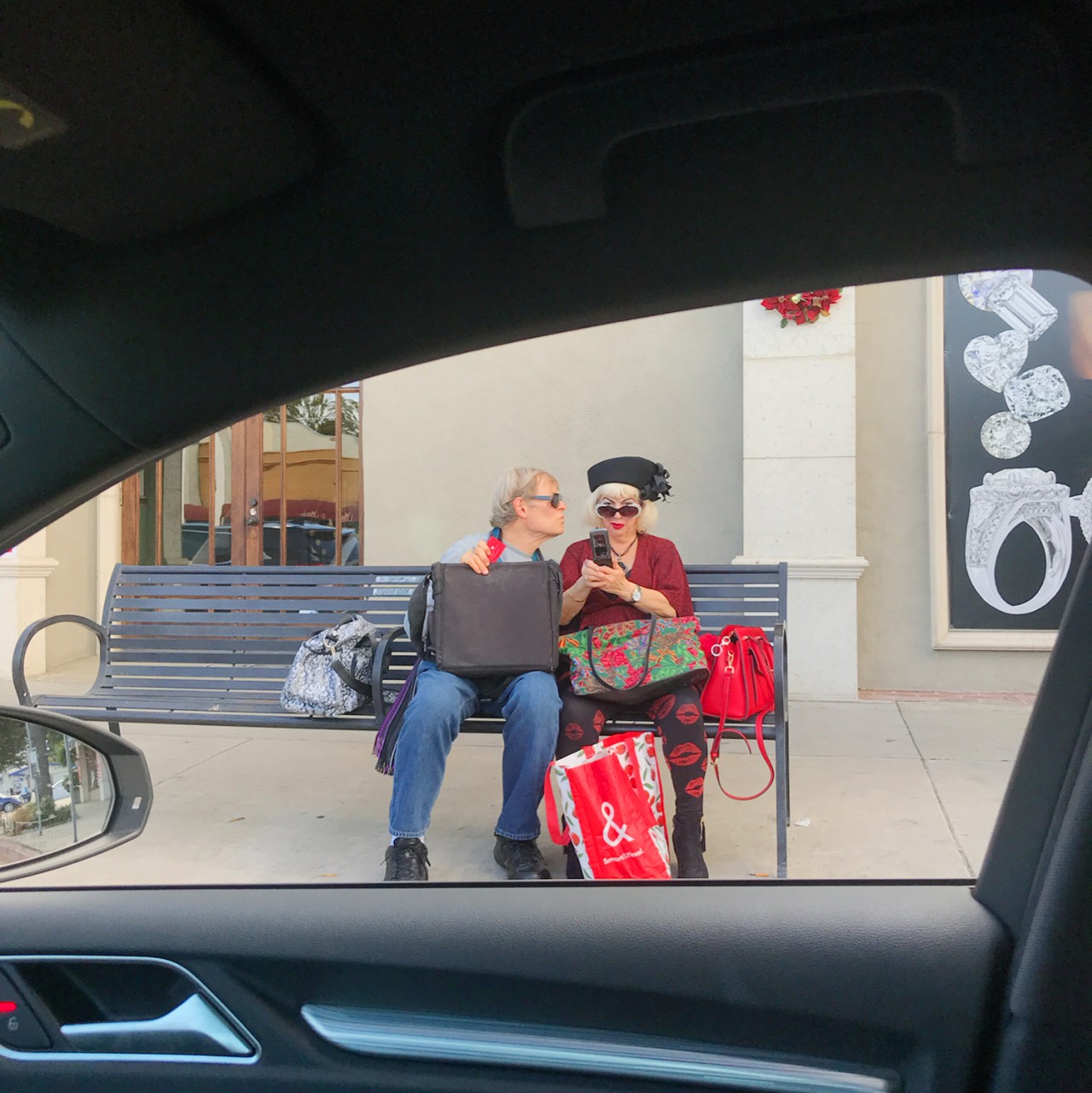
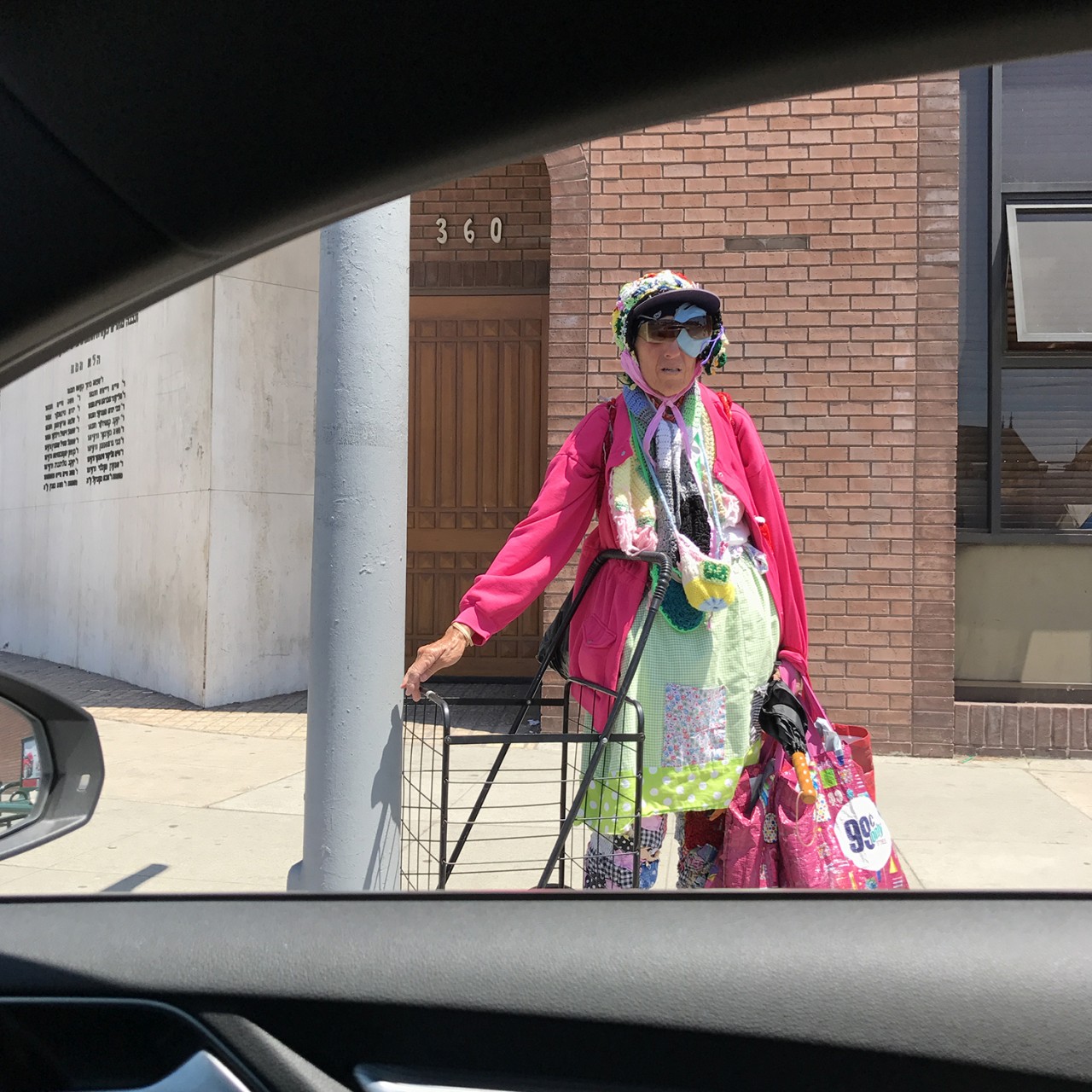
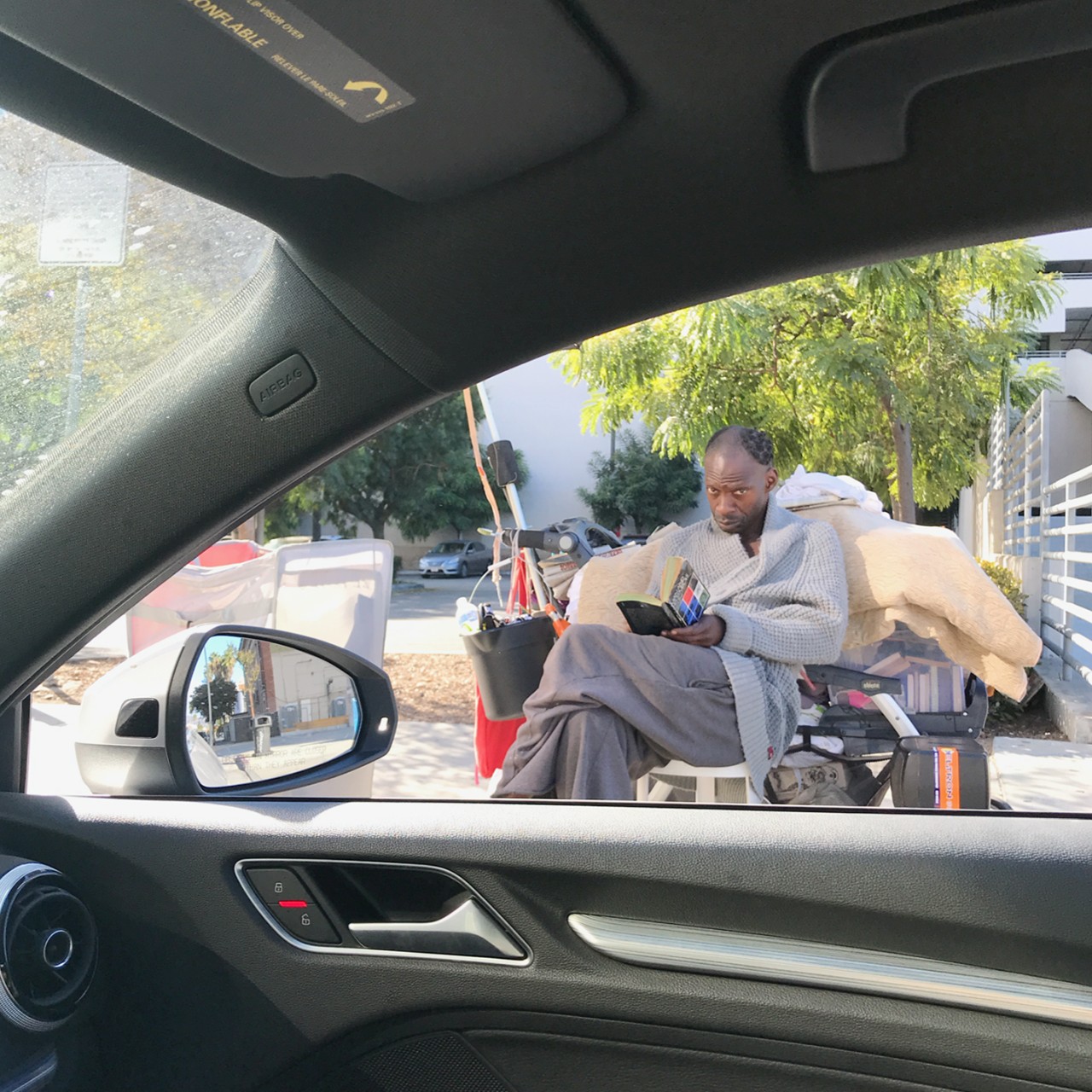
Marco Franchina from L.A. about his project “Curbside”, photographed out of his car window in the city with the most Drive-by shootings in the world.

Marco, please introduce yourself briefly.

I was born in Pisa, Italy and raised in Los Angeles, California, USA. Coming out of high school I had no direction. Picked up a couple of menial jobs here and there for about a year or so. During this time I was visiting my cousins home and noticed a camera on his shelf. It was a Minolta x700 with a 50 mm lens attached to it. I never took photos at all up till then. I asked if I could use it. He just gave it to me and here I am over 35 years later still photographing.

I began immersing myself into Fashion Magazines. There was no Internet at the time. Magazines where the happening thing for photographers. It was the only outlet there was. And to have any exposure you would need to have your work published in a Magazine.

So a good friend of mine was a top model at a big agency. I did a test with him and sent it off to the agency and the response was great! I continued on testing models and came up with a nice test book to show the Magazines. Saving enough money I was on the next plane to Milan, Italy, one of the Fashion capital places to work. This story is way to long for this interview. Let’s just say two years later I started to photograph for the biggest Fashion mags there. I think it was in the cards for me. Or if you want to call it my Destiny.

Since the age of 22 I’ve been published in Fashion, Celebrity, and Lifestyle Magazines all over the world.

Where are you favorite places to photograph and what do you look for when out on the streets in L.A.?

Well. Let me start off by saying that Los Angeles is one of the Melting Pot spots for tourism. From beautiful weather to Hollywood where everyone wants to be a star.

I shoot a lot in the Downtown area of Los Angeles. This is where I’m most confortable. It’s more in your face on foot and fast paced; it’s a bit of a rush for me. I‘ll do about 3 to 5 hours of fishing which I like to call it and sometimes catch a lot or walk away with one. Downtown is gritty so I like to shoot with high contrast Black & White to keep the authentic vibe like it is.

Your submitted photos are part from your ongoing series “Curbside”. How did you come up with the idea of photographing out of the car window?

I’ve been photographing out of a car window throughout my photography career. I just never took it seriously in terms of making a project out of it. So I took it one step further and made it another kind of street photography.

It was about 5 months ago when I started to post on Instagram. And the first photo that I posted was shot through my car window. I thought to myself I really want to explore this more. I’m always in my car as most Angelinos people are.

For this series I’ve been finding all walks of life in Hollywood. Especially on Hollywood Boulevard and Sunset Boulevard where most of my work has been photographed. I look for the offbeat not the norm. And sometimes it’s just right in front of me or I see it up ahead and drive to it. It’s very similar to how I shoot my Street Photography (on foot).

Being in a car opposed to being on the street becomes even more voyeuristic. Which at times becomes a bit more challenging, especially in Los Angeles, the city with the most Drive-by shootings in the world.

© Marco Franchina 

How do people react when they spot you? Did you ever encounter critical situations?

Great question! I could write a book on that. So since this ongoing project I’ve been fined with a ticket for an illegal U-turn. Which by the way was well worth it. I’ve had a can of coke, or it could have been root beer which I prefer 😉 thrown at me. I’ve had a man open the door and come into my car to try to take my camera.

Like I said I could write a book on that.

What are your future plans concerning this and other projects?

At this time for “Curbside” I’ve accumulated well over 500 photos, which a lot I’ve not posted on Instagram. I always look at my projects becoming a photography book.

Where can we find more of your work?

Website: www.marcofranchina.com
Instagram: marco_franchina_photos and los_angeles_streetlife

Thanks Marco!

A Tale of City Hong Kong

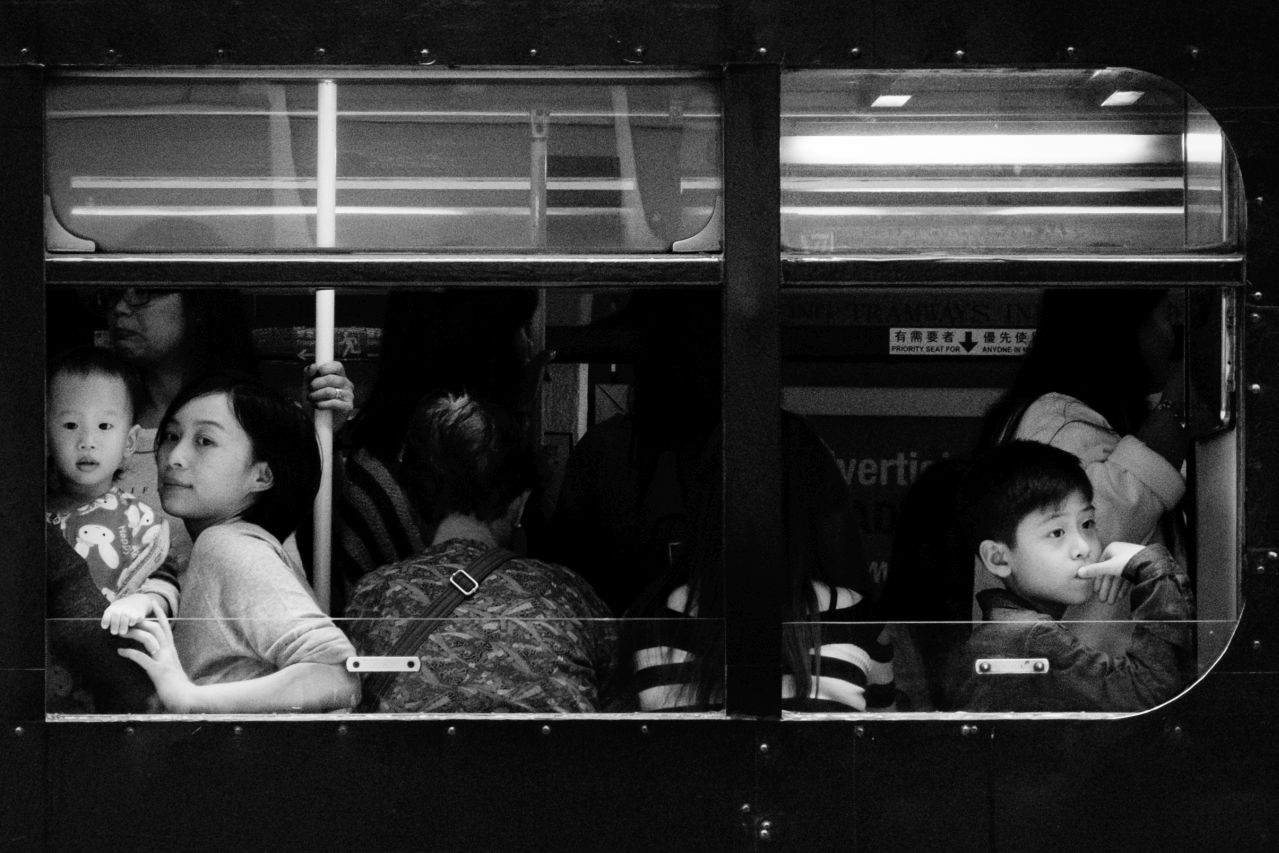
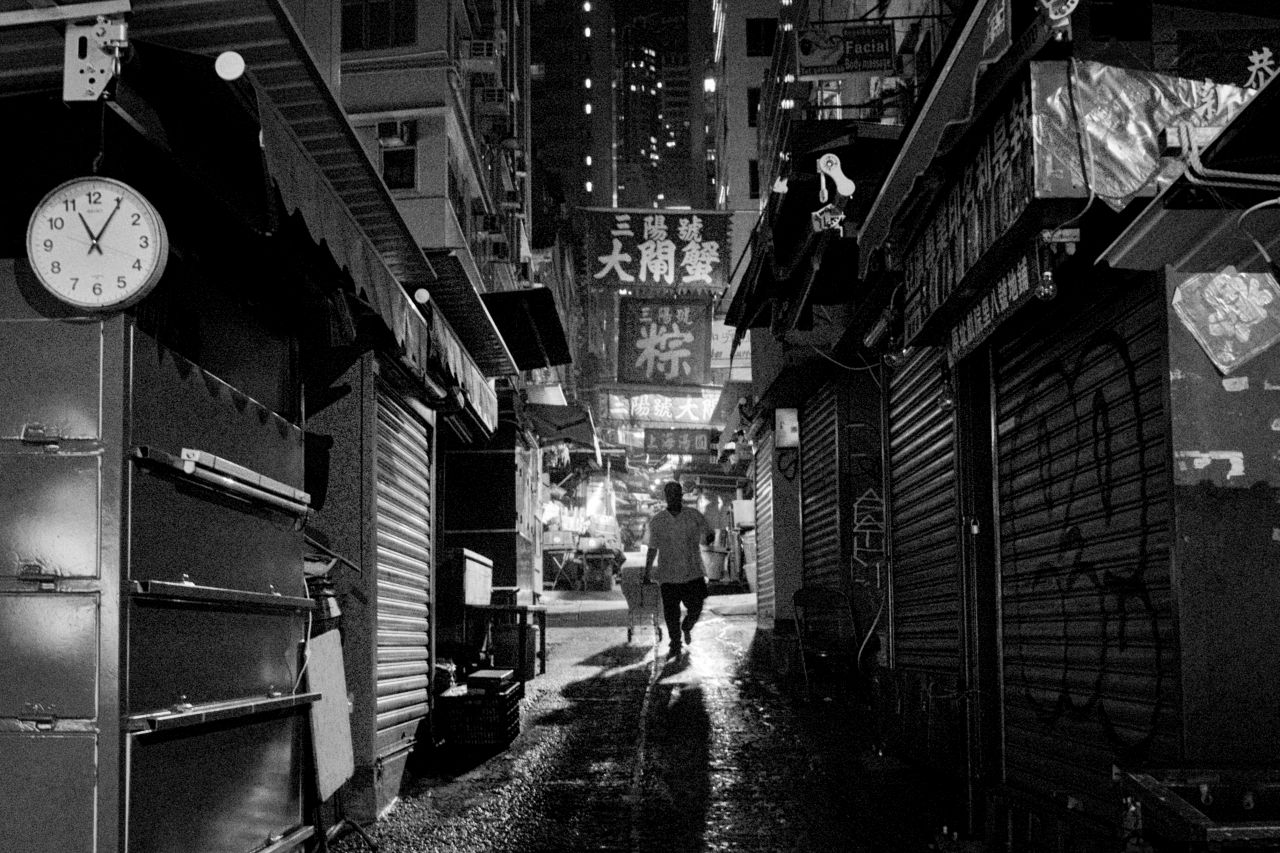
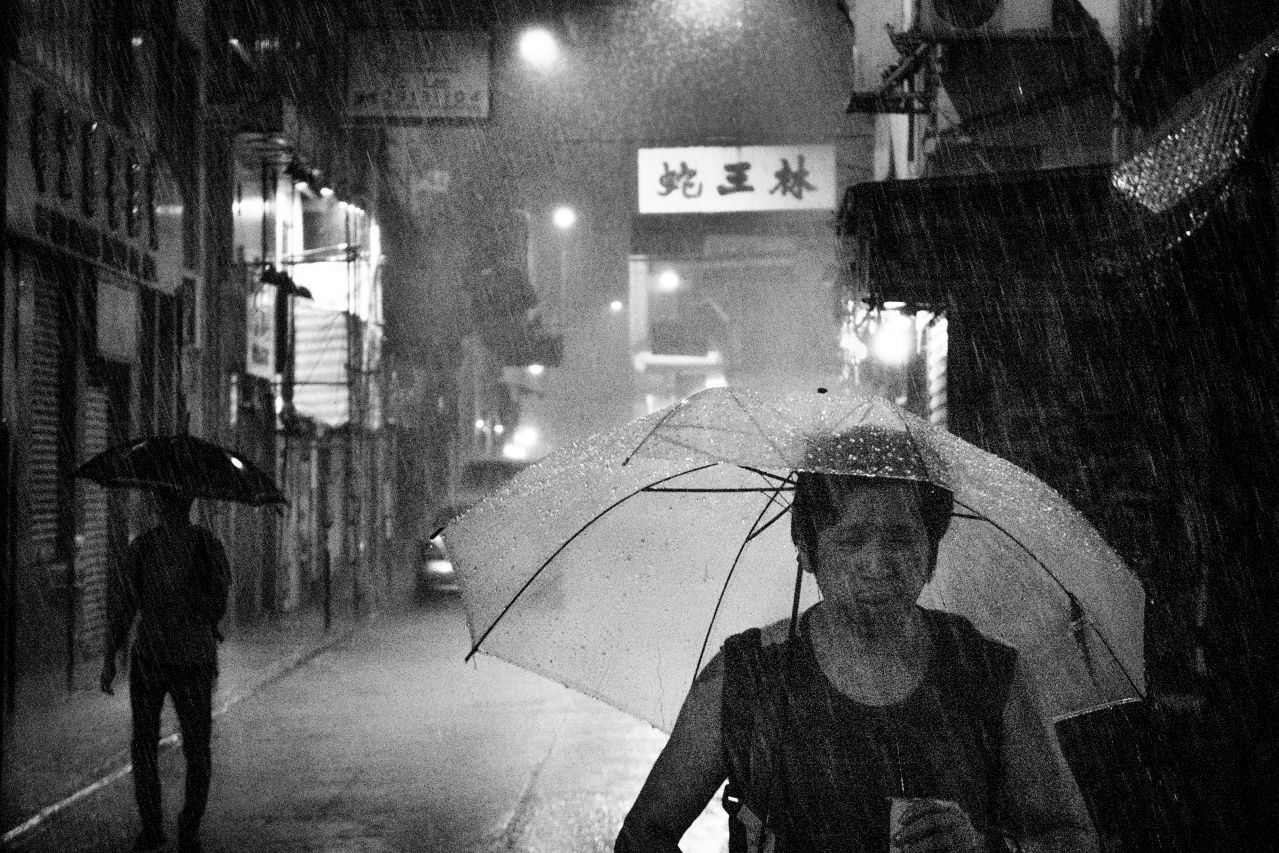
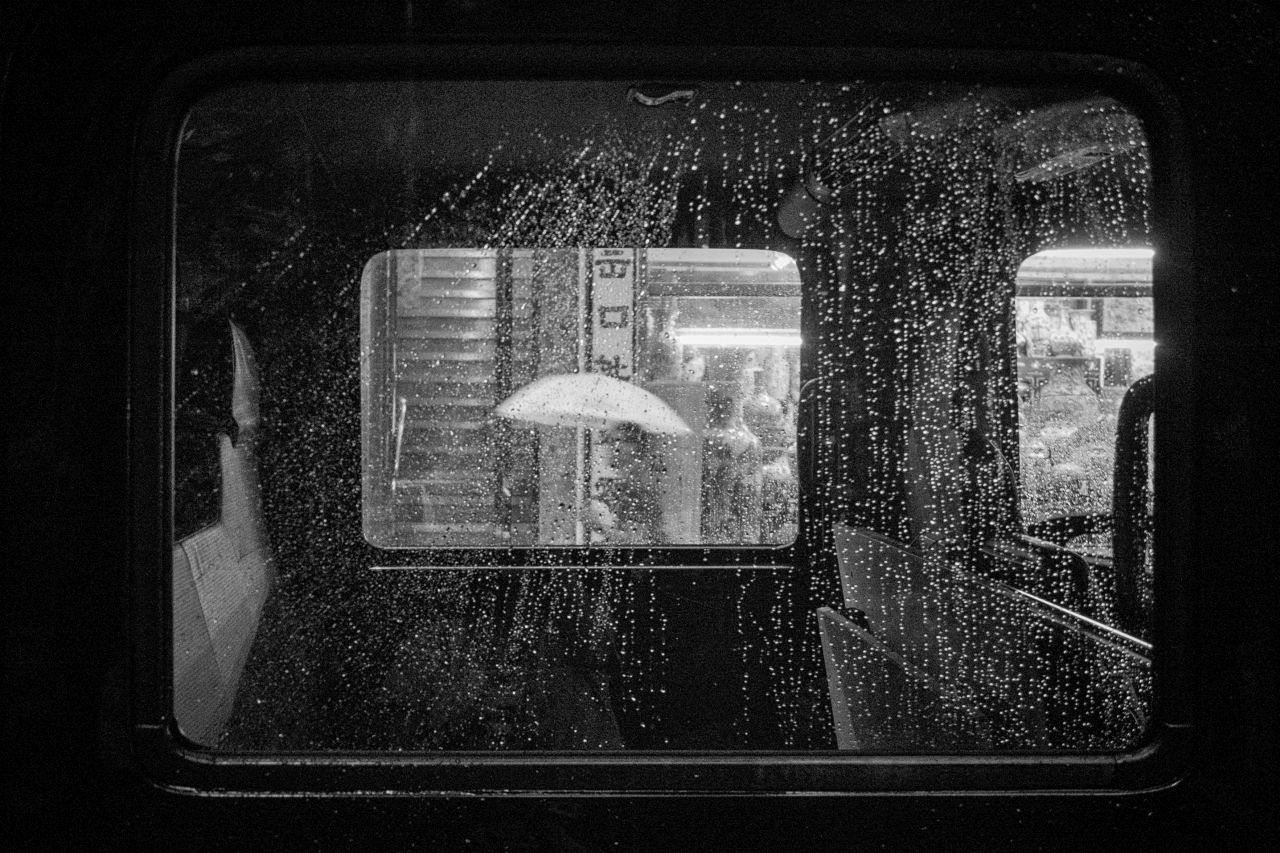
“Live life and make photographs, not make photographs to live life”. Michelle Chan, photographer from Hong Kong, about her series and her motto for photography.

Michelle, please introduce yourself briefly.

Hi everyone, I’m Michelle. A photographer based in Hong Kong. I was born in Hong Kong but lived in UK for around 14 years now. By day I’m a freelance therapist working with special needs children. Currently I am slowly exiting this field and doing more creative arts instead.

What do you look for when photographing on the streets of Hong Kong?

A lot of people have asked me that, and I honestly don’t really “look for” anything on the streets. Photography to me isn’t really about hunting. I bring my camera with me all the time and I shoot whenever I see something that interest me, or what’s happening around me, it could be someone with avant-garde outfit, or it could be my family. I think I have mentioned this in other interviews, and I’ll say it here too: “Live life and make photographs, not make photographs to live life.” It’s my motto for photography.

Your submitted photos are part from “A Tale of City Hong Kong”. What stories did you encounter whilst shooting that series?

The purpose of shooting this series was solely for personal reasons. Having been away from Hong Kong for so many years, I wanted to re-discover Hong Kong again. It started out shooting with the goal of documenting the locations of where these were happening. The series then kind of evolved on its own, with the way I view Hong Kong now and how I reminiscences the old.

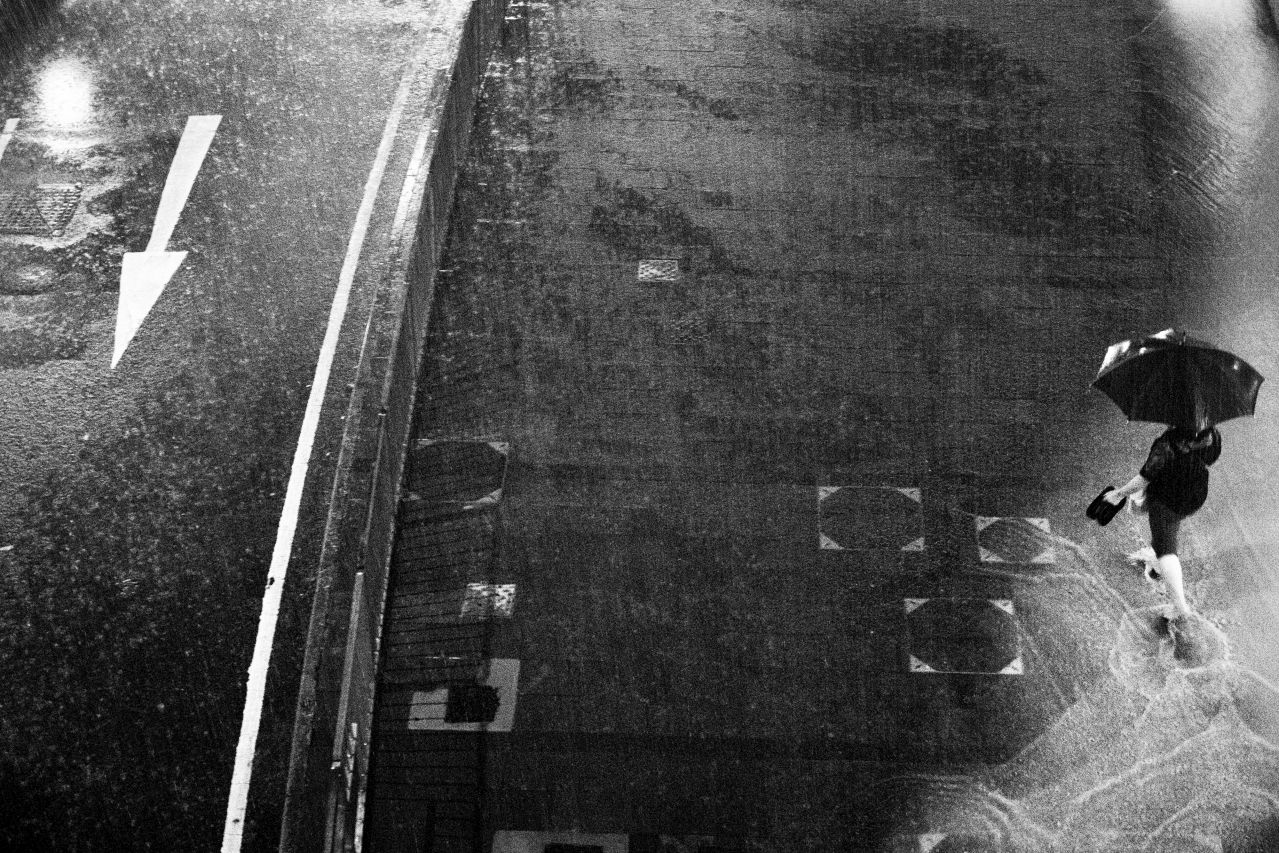
There is one photo (the lady on the right carrying a pair of shoes with an umbrella under the rain) which I remember the most. That night was hoisted with Typhoon signal 8, which means wind and rain is too strong for people to go out. When I saw that announced on the TV, I immediately took my camera and went out. On the street everyone was running around trying to find shelters, and then there was this lady who took off her shoes and walked calmly under the adverse weather and the flood. I couldn’t help but clicked my camera, I was very impressed by her perseverance.

You set a high value on printing and exhibiting your work. What advices would you give to photographers who are starting working towards their first solo exhibition?

I think my all time advice would be: try out things and make mistakes. Personally I think you can only really know what you want through experiences.

It is your personal concern to make photographs that “makes you feel something”. In your own words, “people don’t look deeply enough anymore. There’s too much to look at”. How do you personally escape that constant visual bombardment?

It is difficult. Some time I just like to look at photographs just for sake of looking. Easy – I like it or I don’t like it. And I do that on Instagram. I choose carefully what content I want to follow. Every now and then I refine my selection. But more importantly is to read books. Books has so much more than just a picture on Facebook. You learn not just how to read a photograph, but also paper, book editing and design. And, go to exhibitions. Follow the galleries that have good curations.

In your oppinion, how can someone avoid too much influence by others in order to find an own voice?

Wow. This is something I’m constantly trying to do myself too. As Bruce Lee says – “Absorb what is useful, reject what is useless, add what is essentially your own.” You have to constantly refine and modify what it is that you feel resonate with you. E.g. I love Trent Parke’s work. I love the dreaminess his work evokes, but I don’t find shooting in strong hard light is useful to me, and certainly I don’t spend as much time in darkroom as he does. So in this case I took the idea of “dreaminess” with me and try to portray that in my own way.

Last but not least, do you have any insider tips for street photography in Hong Kong?

It’s quite easy to shoot in Hong Kong if you are a Westerner, because everyone will just treat you as a tourist. As a local, shooting becomes much more difficult. So be careful in how you approach them. Hong Kong is a great place for street photography because of there are clusters of people everywhere. Colour is vibrant and there’s always something happening in the next corner. If you like urban street photography, you’ll love it.

Where can we find more of your work?

You can find me on Instagram https://www.instagram.com/little.rice/ and here’s my website: http://www.littledotrice.com

Thanks Michelle!

A very productive afternoon in Coney Island

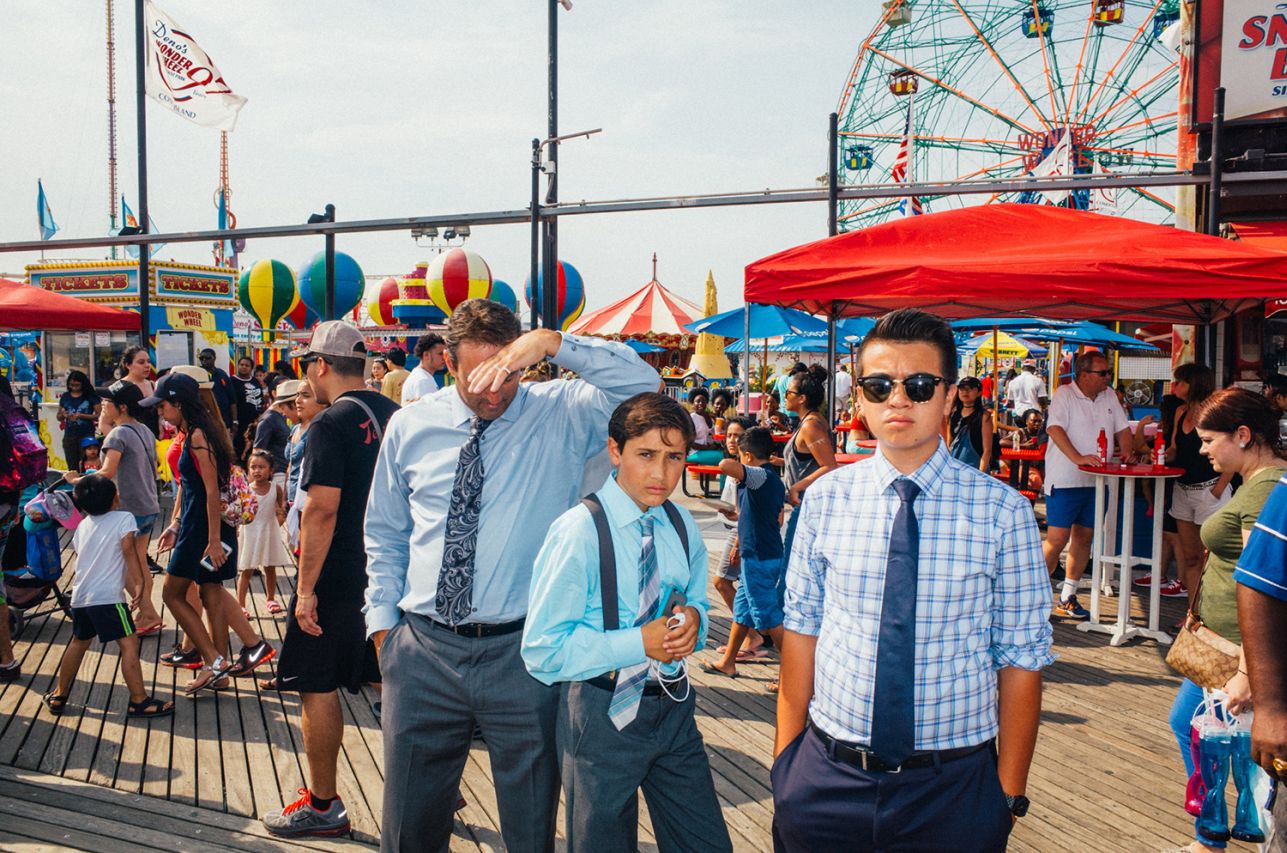
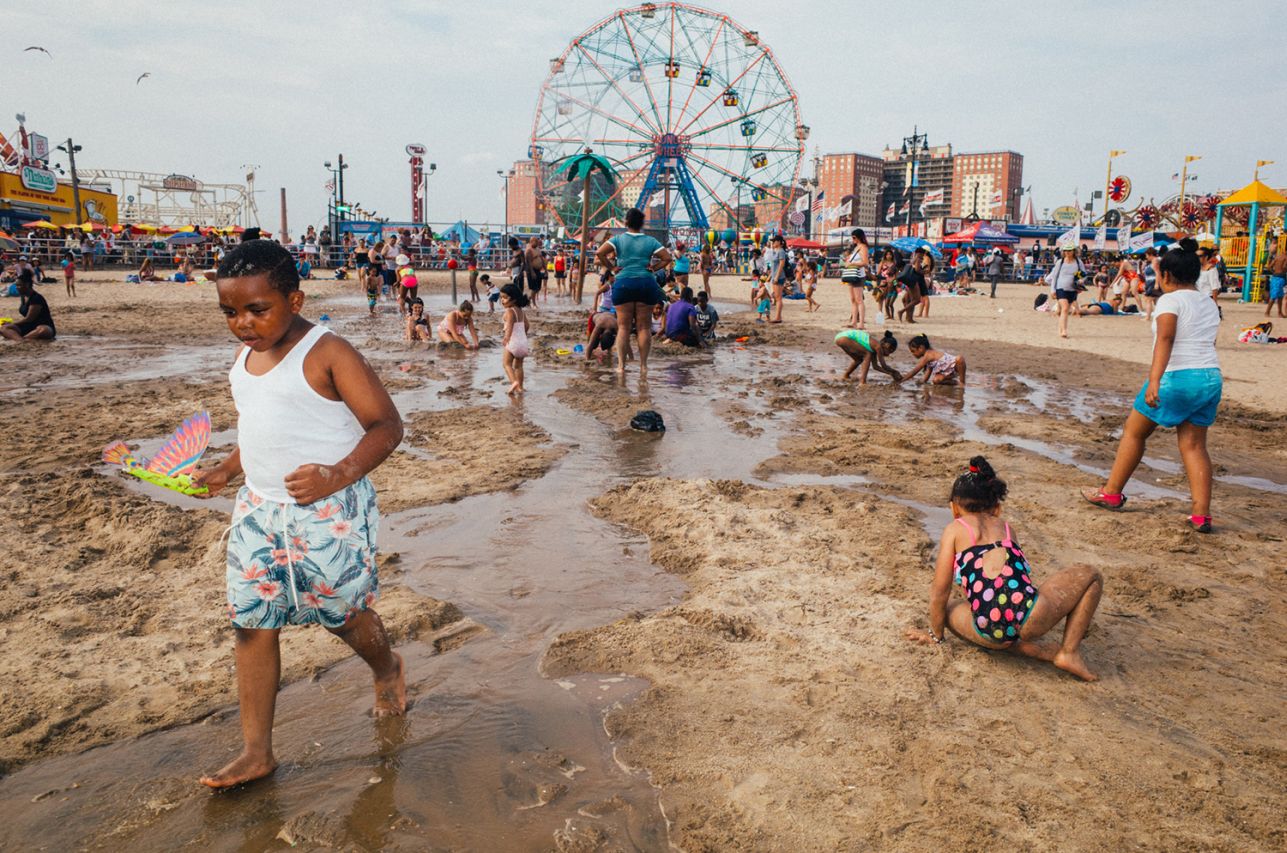
Mathias Wasik, member of the New York City Street Photography Collective NYC-SPC, spend a very productive afternoon in Coney Island.

Mathias, please tell me a bit about yourself.

I’m a human rights activist, street photographer, and musician. Hailing from Poland, I grew up in Germany, before I moved to the U.S. in 2015. I have worked as a human rights campaigner for organizations like Amnesty International and All Out, and I try to combine my human rights work and my passion for photography whenever I can.

I got into photography through my father, who is a passionate photographer himself and who taught me all the tricks in his book. I’ve been a photographer for many years now, doing documentary work for magazines and travel photography, but it wasn’t until I moved to the States that I really started becoming more aware of my style and influences.

I’ve studied the works of many photographers but my personal approach is probably mostly influenced by the likes of Martin Parr, Alex Webb, Harry Gruyaert, Fred Herzog, and Josef Koudelka. However, the list of photographers I admire is much, much longer and contains some very talented, young photographers from New York.

You are based in New York City, USA. Even if it seems that every corner in the city has already been photographed, what keeps you motivated to go out on the streets?

As I mentioned earlier, I only really got into street photography when I moved to New York. I find it much harder to shoot in the streets in Europe, where people are much more sceptical of being photographed by strangers, especially the way I like to do it, which is up-close and immersive. I’m really enjoying the freedom I have in NYC in this regard.

It’s definitely true that New York is a popular subject in photography. And there’s a good reason for that. With its landmarks, buildings and tourist attractions, the city truly serves as a backdrop for the daily theatre of life. What I am interested in the most are the moments that happen for an instant, only to disappear forever.

I am very strict with myself as to what I consider a good photo. For me, it’s not street photography when someone else can just go to the same spot and take a similar picture. This is what really motivates me and keeps me going: finding the exclusive, singular moments in the chaos of the city.

Your photos are part from the series “Washed ashore”, shot in Coney Island. How did that series come about?

Street photography for me is sort of a daily exercise—a means to keep me shooting every day. I always have my camera on me so I shoot on my daily commute, in my lunch breaks—really anywhere and anytime. But shooting single scenes is only satisfying to some extent. I believe a good photograph always tells a story. But it’s a series that creates a real narrative. I prefer to work on a thematic series—sometimes over extended periods of time.

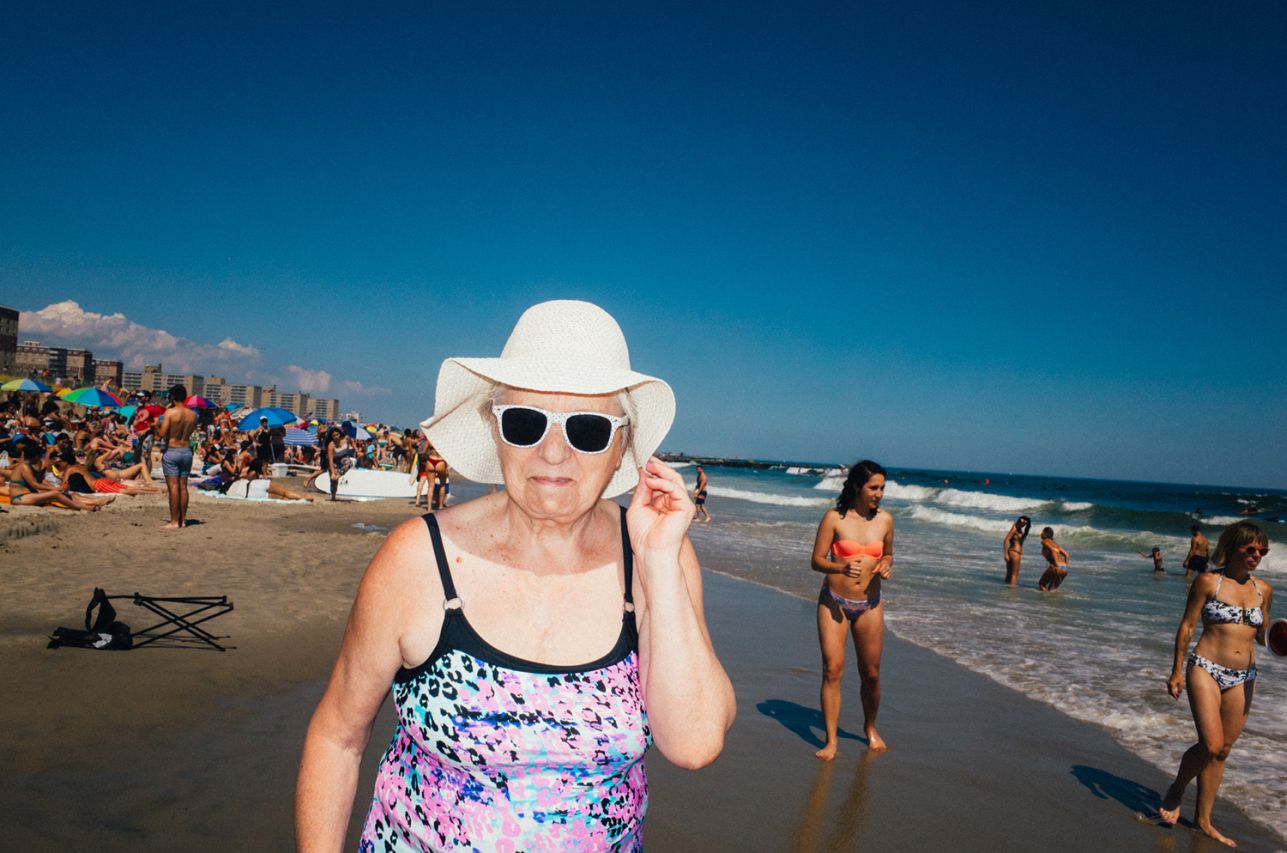
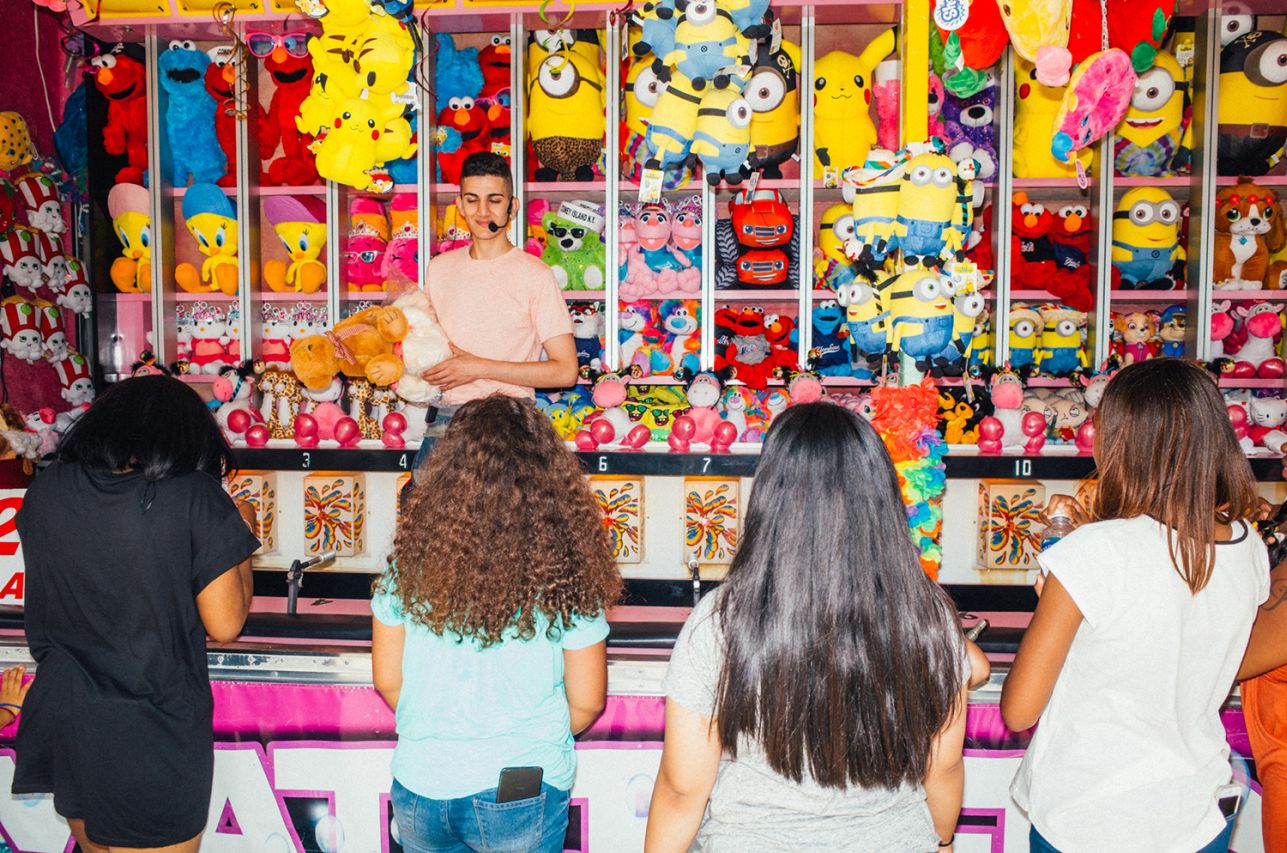
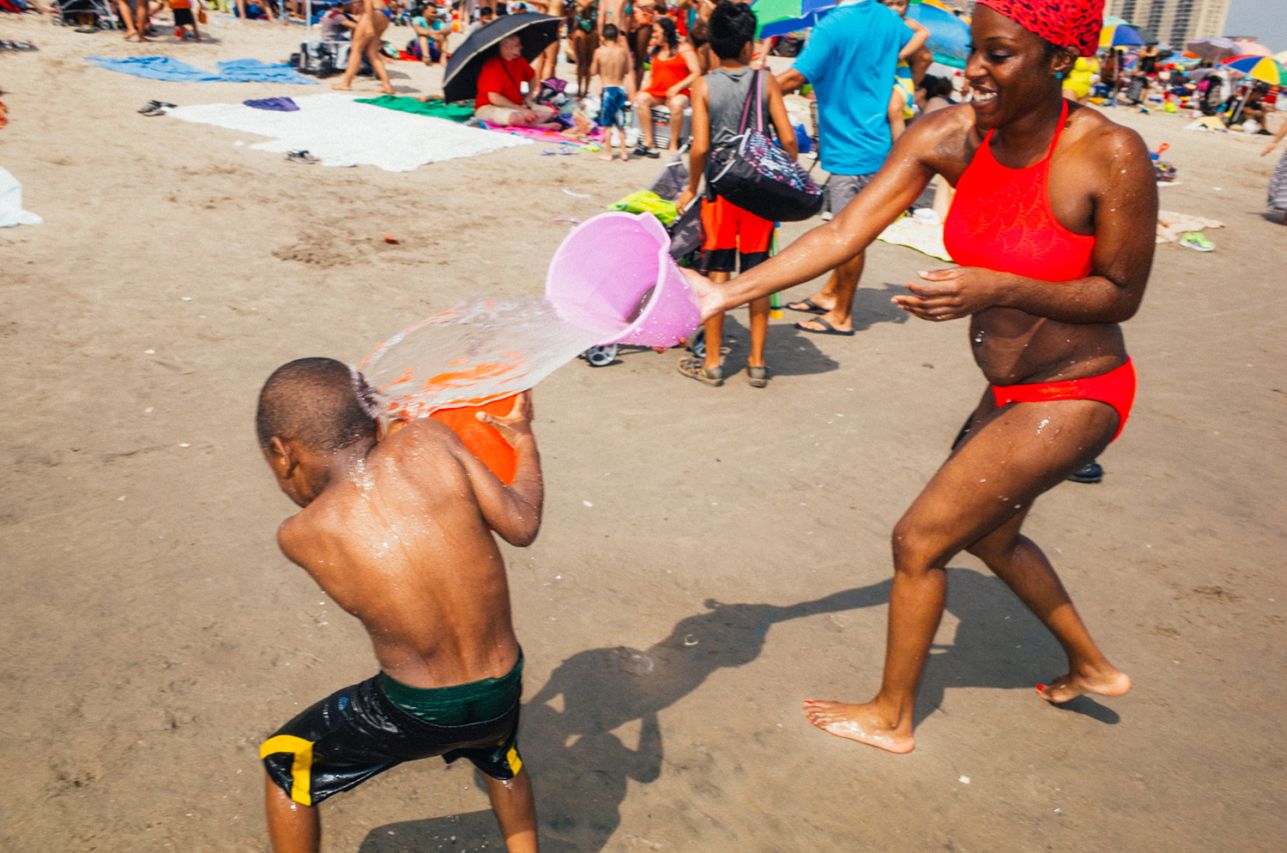
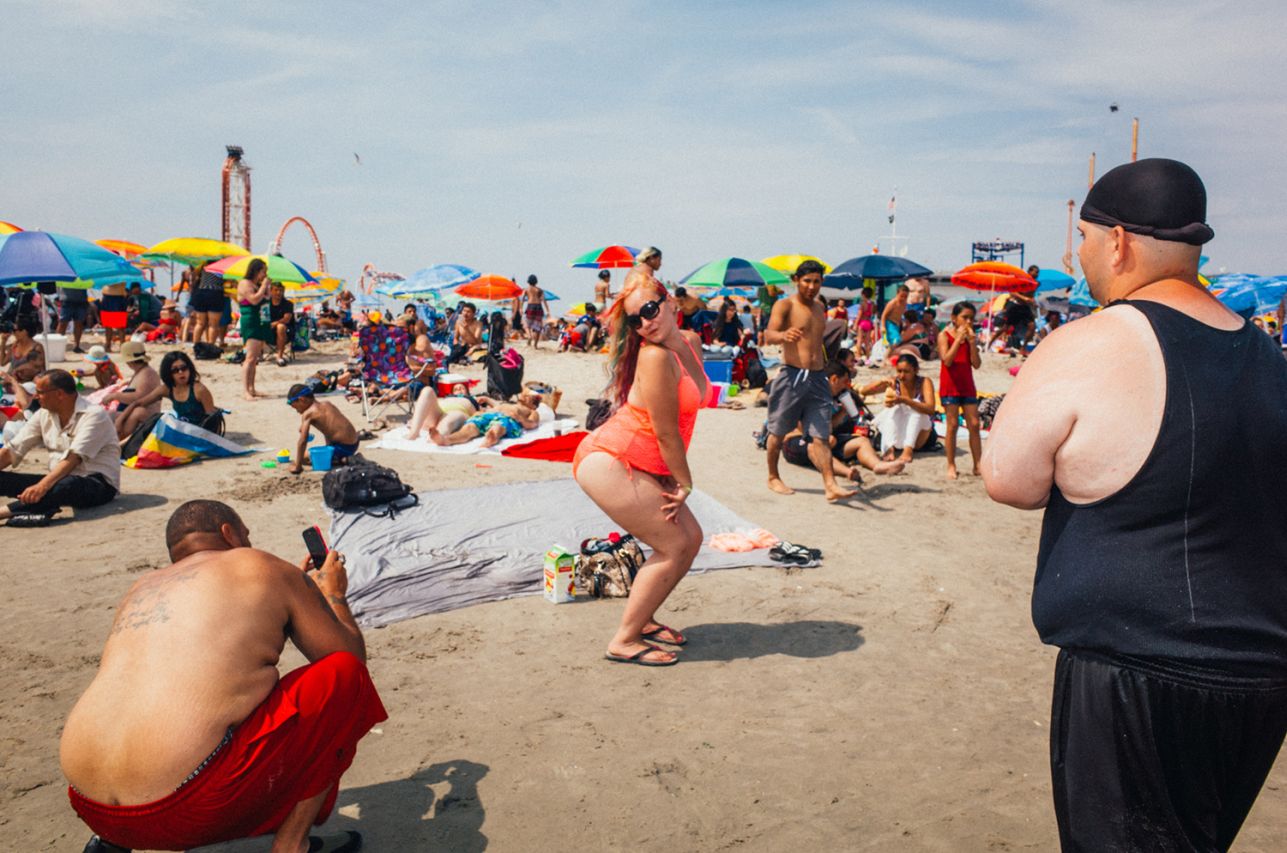
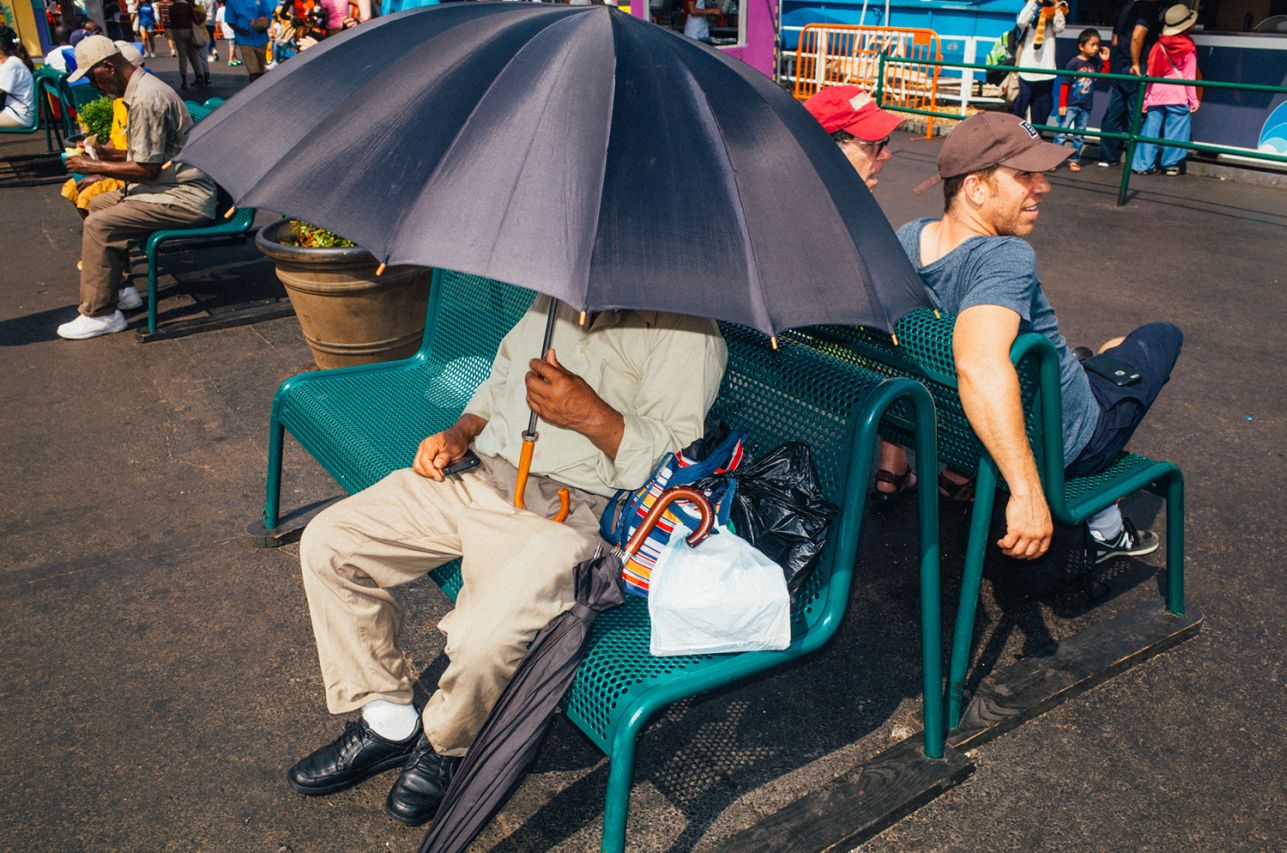
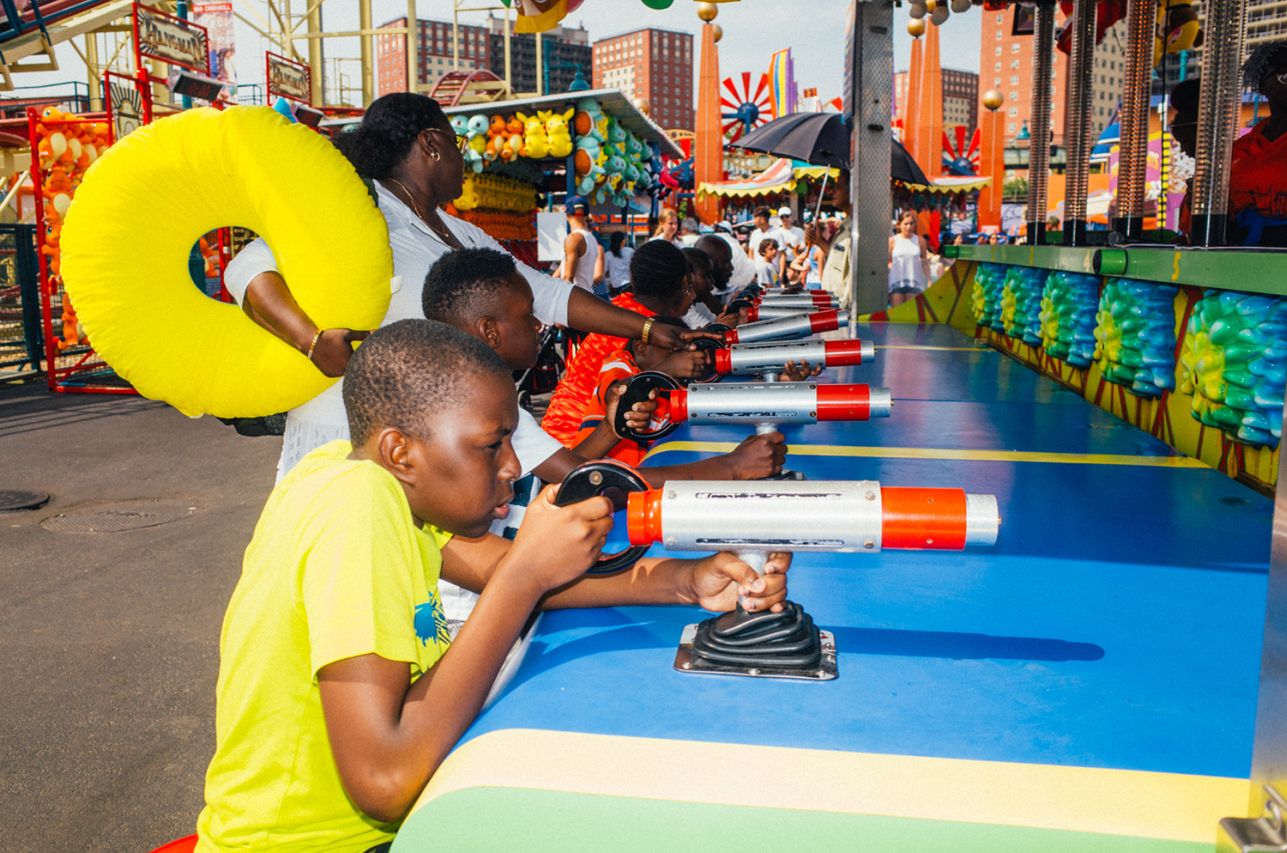
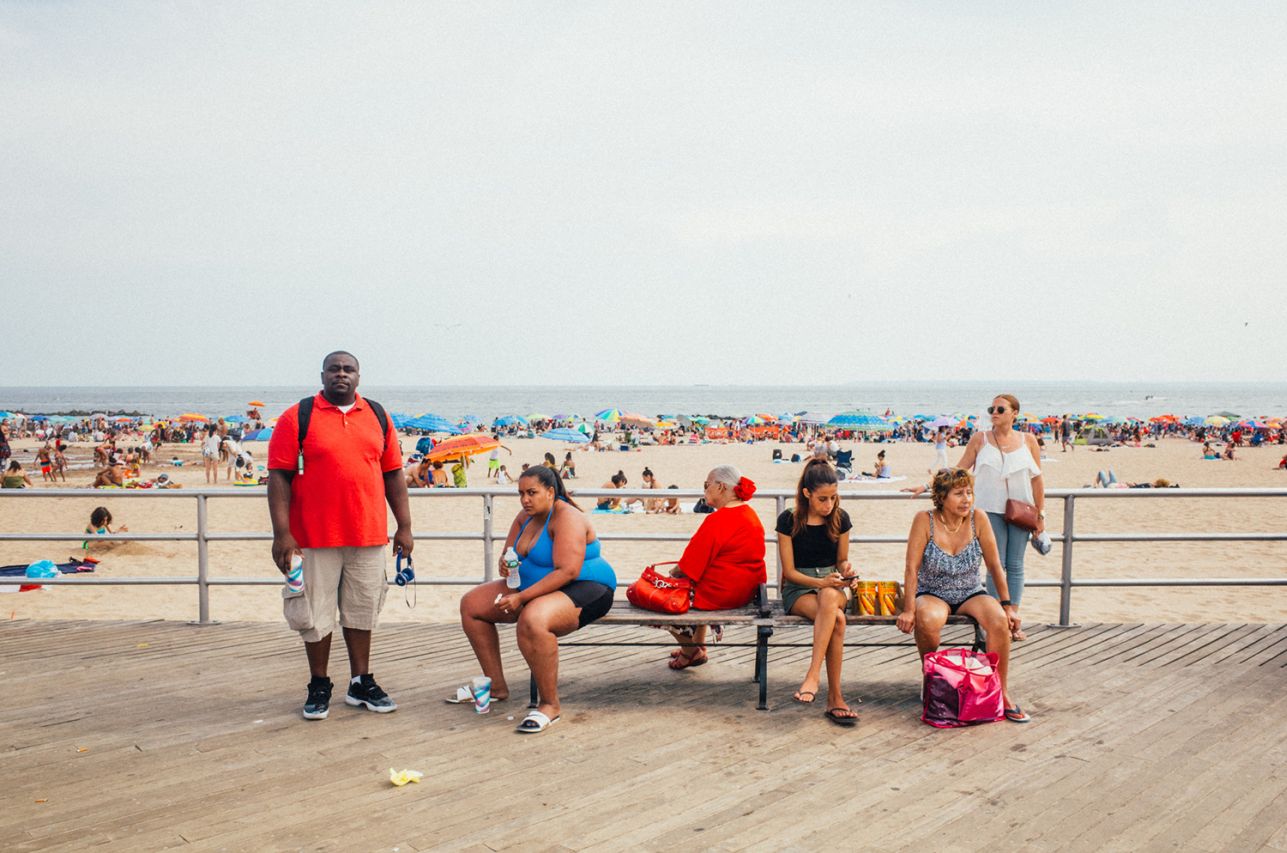
“Washed Ashore” was produced really quickly. It was the result of a very productive afternoon in Coney Island. I don’t often find the time for the long trek down to the beach but on that hot summer Saturday, I spent a few hours there. At the end of the day, I had enough shots that I was happy with, so I decided to print the series in a zine.

Please tell me a bit about the vibes and stories that you’ve encountered in Coney Island.

I like the contrast between the amusement park, the boardwalk and the beach. I find it interesting to watch New Yorkers escape the city just to throw themselves into this oversaturated, kitschy world of Coney Island.

The beach strip in front of the amusement park is always fully packed while the beach is almost empty, which is just a 10 minute walk up north. It’s astounding. For me, this place is like a time capsule. It feels like not much has changed there in the last few decades. I like the nitty-grittiness of the place and the dazzling characters that fill its scene.

How is shooting on the beach different than in the city?

In the streets, people are moving fast, rushing from one place to another, and you have to move with the stream. The beach is much more static. People are sitting and lying around or playing in the water. It gives you more time to find your scenes.

Photographing on the beach can also sometimes be very strange or awkward. What is your approach to be invisible or to avoid any confrontation?

I put on some swim trunks. Seriously, the best way to merge with your surroundings and remain invisible—and that not only applies to the beach— is to do what everyone else does. When you look like just another tourist taking some snapshots, no one will take any notice of you.

I shoot street shots mostly with my compact Ricoh, which helps because no one takes the camera seriously. If I went to the beach with my big SLR and a tele zoom, people would obviously think that I’m a creep.

You are a member of the NY Street Photography Collective. Please tell us a bit about your personal future plans and those from your group.

The collective is a small group of passionate street photographers that are dedicated to creating and sharing the art of capturing life in public spaces. While we all work independently, we often team up for projects. We regularly produce zines as well as organise exhibitions to highlight photographs from our members or talented photographers we discover.

We have a lot of interesting projects coming up. We just started organizing photography workshops and we’re currently planning our next exhibition in New York, so make sure to keep an eye at nyc-spc.com for updates or drop by one of our monthly public meetings when you’re in the city. Personally, I am working on a couple of projects that are related to my own background, but it’s too early to reveal more juicy details. Stay tuned!

Where can we find more of your work?

You can always find me in the streets of the city or look up my recent work on wasikphoto.com or on instagram.com/mathiaswasik/

Thanks Mathias!

The saddest city in America?

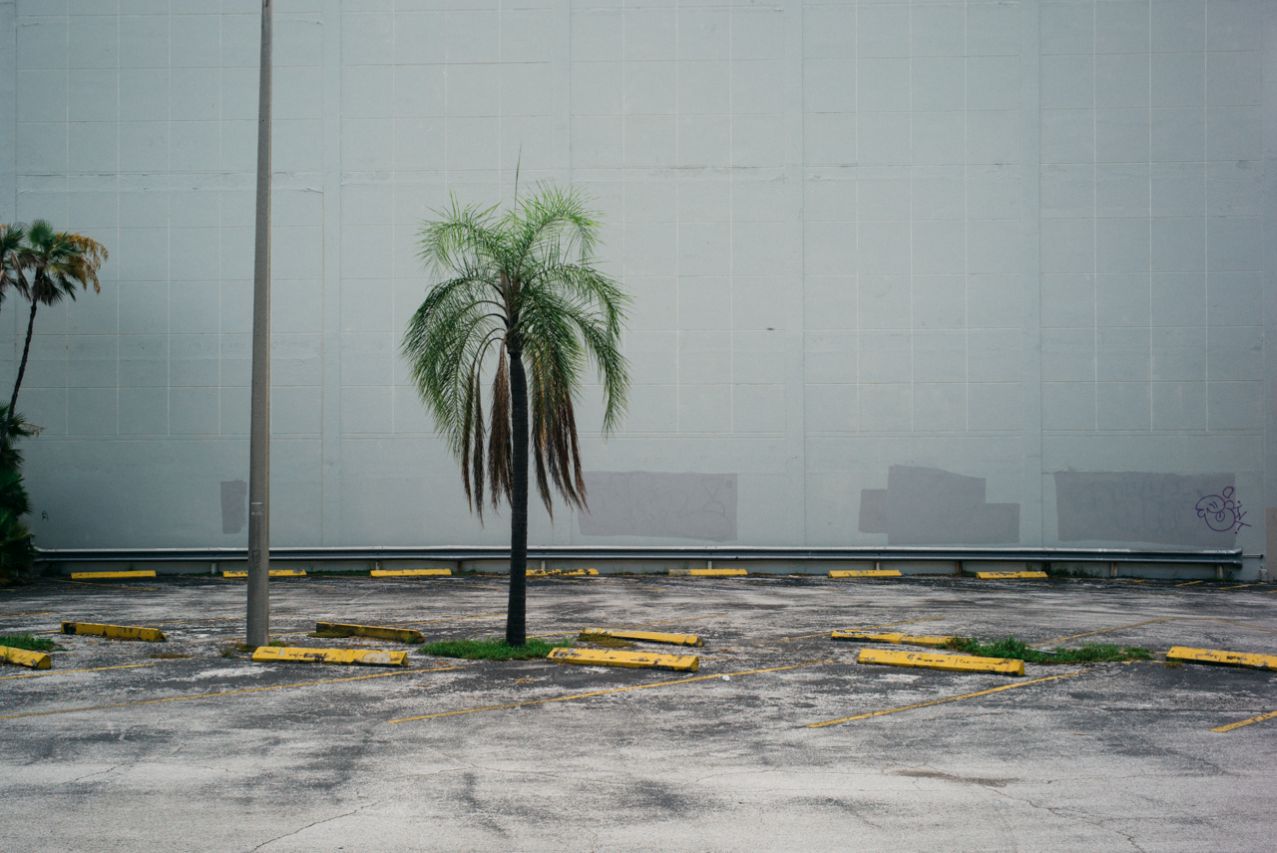
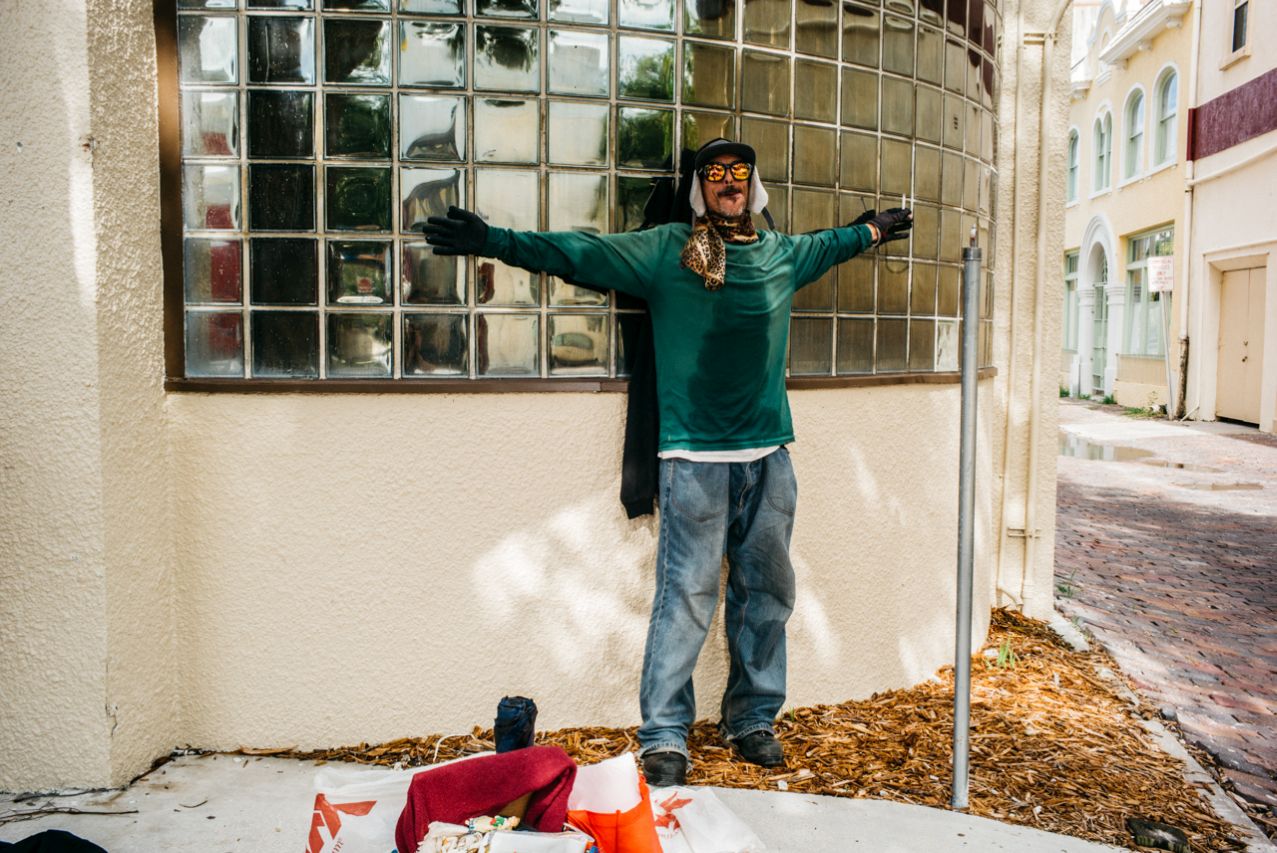
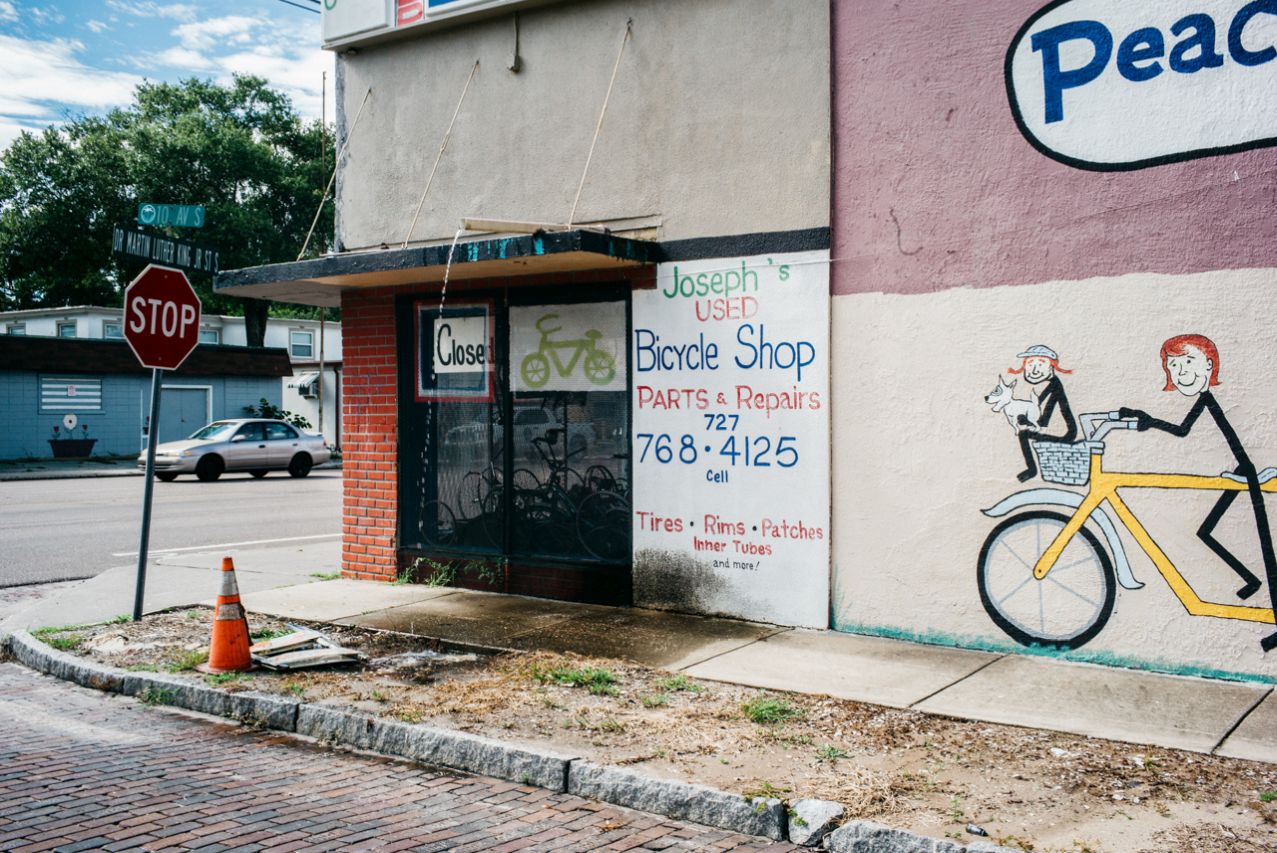
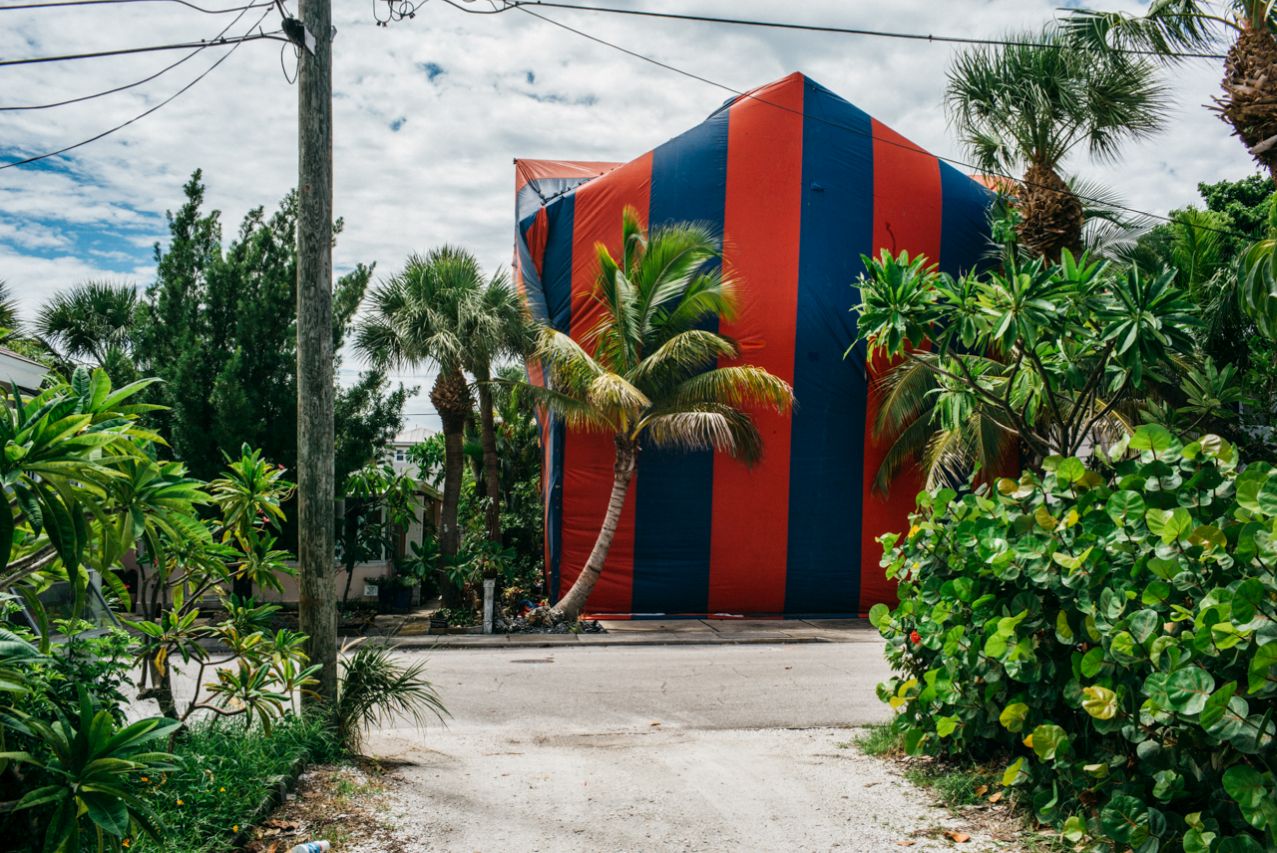
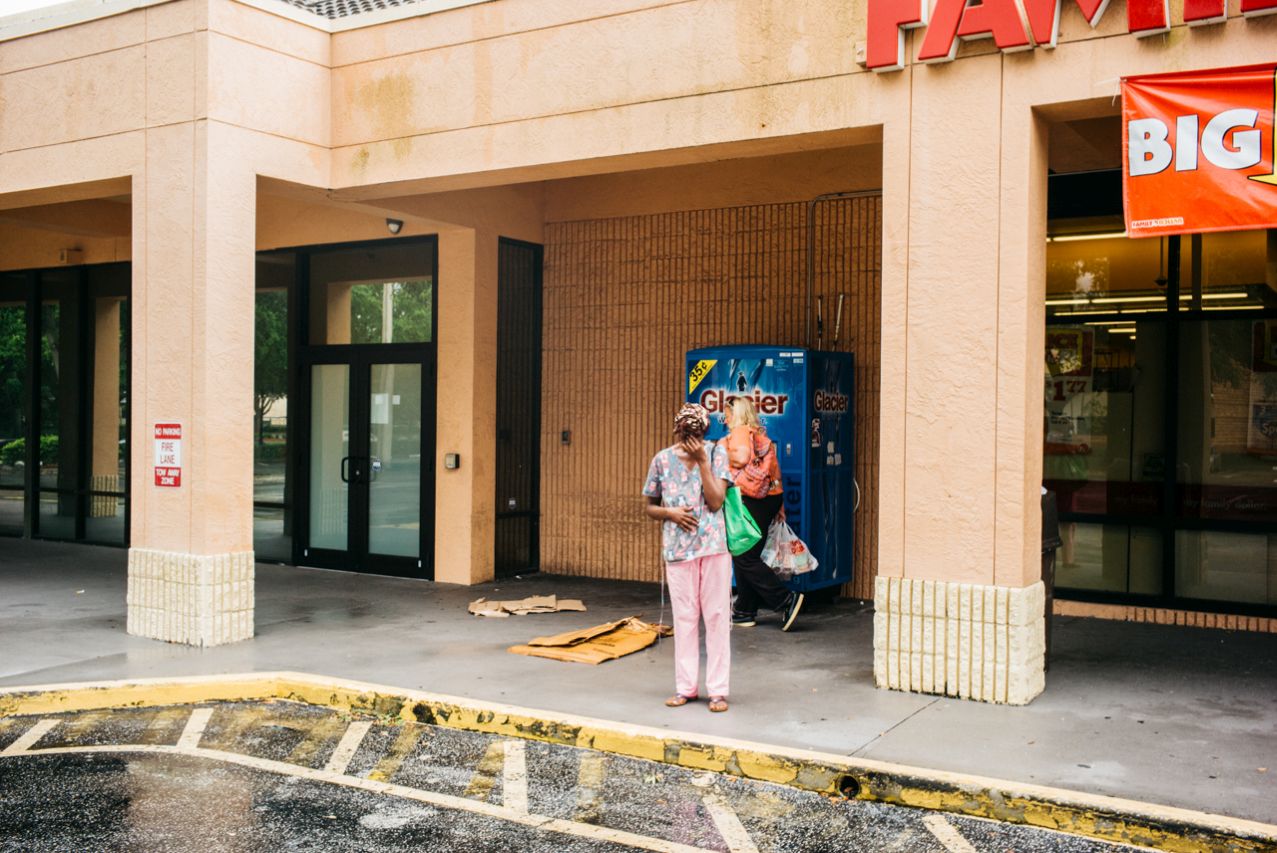
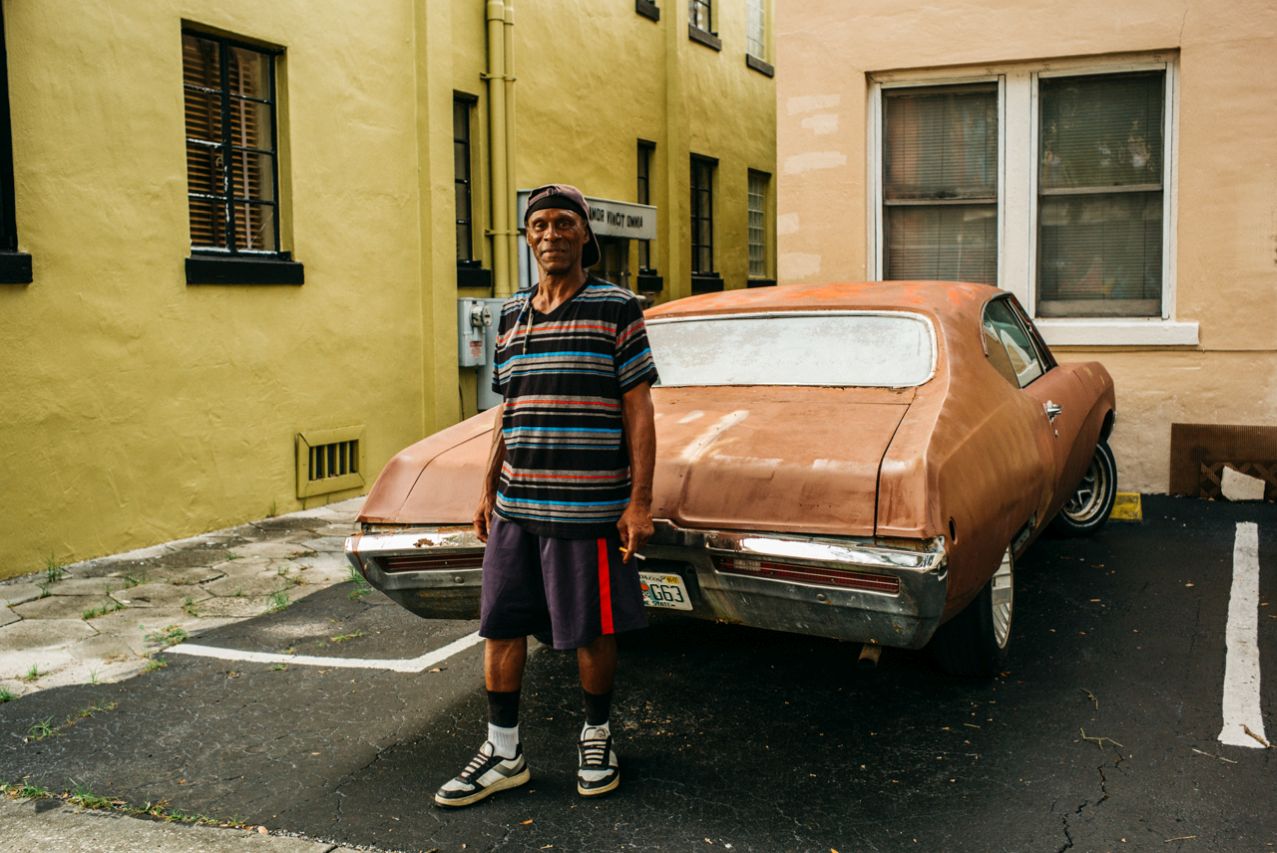
James Featherstone photographs life in St. Petersburg, ‘the saddest city in America’* to deepen his perception of the country. *according to Men’s Health Magazine 2011.

James, please tell us a bit about yourself.

I am a full-time video editor living in Toronto, Canada. I made my first documentary film with the family camcorder during an epic road trip I took with my Dad across America when I was 6 years old. After that I did not touch a camera again for some 20 years.

In my mid 20’s, while I was studying cinematography and video editing, I came to a point where I felt like I wasn’t learning anything new, so I turned to photography.

I later came across a quote by Iranian film director Abbas Kiarostami that seemed fitting to my conclusions – “Photography is the mother of cinema”.

Shooting in the streets seemed like the perfect subject. Things are happening in the streets. I don’t need to rely on anyone. I can be an explorer for a day, out in the world.

That’s what originally drew me to documentary filmmaking. I can essentially just go out and shoot, and its really during the editing process that you can manipulate moods and emotions. The same goes for photography. The most exiting part for me, other than exploring, is taking a selection of images and sequencing them to create a higher meaning.

What do you look for when shooting on the streets?

As a video editor, most of my days are spent in front of a computer screen. I catch myself daydreaming about being anywhere with my camera, photographing anything. I lust for it. Photography for me is also about just getting out and exploring. I’m not looking for anything in particular when I’m out shooting. I like the pictures to come to me.

I don’t consider myself a street photographer by definition because I shoot anything – Still life, portraits, empty streets, busy streets, abstract objects, landscapes. Its only later when I’m editing my images and see them all together that a style or concept begins to form.

I think Steve McCurry is one of the most fascinating photographers of our time because he is a master at it all.

Your series is about St. Petersburg, the ‘Saddest’ City In America. How did that series come about? 

I accompanied some friends to St. Petersburg, Florida for a convention with the intention of driving to Miami afterwords. I thought I was going to be a restful few days in St. Pete’s and hardcore shooting in Miami, but the more I looked into St. Petersburg, the more intrigued I became.

In 2011, St. Petersburg was named The Saddest City in America by Men’s Health magazine. (http://www.menshealth.com/guy-wisdom/frown-towns). They gathered statistics of suicide rate, unemployment rates and calculated the percentage of households that use antidepressants to determine the rank. Shortly after the article was posted, St. Pete’s local blog “Ilovetheburg.com” spoke to The Huffington Post, calling their findings laughable, but I figured I was going to see it for myself.

Huff Post – http://www.huffingtonpost.ca/entry/st-petersburg-saddest-city-america-mens-health_n_1126566

Photos © James Featherstone

What stories did you experience whilst shooting there?

St. Petersburg is a quiet city about a 30 minute drive from Tampa. When I was visiting, the streets were barren, so started by photographing the emptiness. Scattered encounters with people resulted in conversations about ex-wives and government conspiracies. I was very lucky to have made portraits of some of the people I met.

Of course the photographs are strictly from one point of view and I’m not trying to imply that St. Petersburg is a sad city. Overall I found the mood of the place to be quite relaxing. There were nice restaurants, beautiful beaches and a thriving nightlife that I didn’t photograph. I wasn’t trying to paint a picture of life in St. Petersburg. I am more so trying to add to a larger body of work on my perception of America, both about our similarities and our differences.

You like to travel a lot. From a photography point of view, how do you choose your travel destination?

I am so fortunate to be able to travel to places that I want to see and photograph. When I choose a destination, I usually try to do a little bit of light research beforehand. I will sometime use Google Street View to get a virtual feel for the environment and the streets, sometimes I search Flickr to see what types of photographs are coming out of a particular place. All just to get a sense of the vibe of the streets.

I am so excited to explore new places and I actually have a hard time shooting in my own city of Toronto. Toronto has a lot to offer a street photographer, but in my day to day, I have difficulty seeing it. Life seems to get in the way. One of my favourite parts of travelling is that all my worries seem to disappear. I really find that I stay in the moment when I’m on the move, and therefore I feel happier.

What are your future projects in photography?

The next major photography project I have in the coming future is to retrace the epic road trip I took with my Dad when I was 6 years old. I think as the years go on, I’m realizing that the trip had planted a seed and therefore has helped me establish a purpose for myself with travel and photography.  The trip will happen in 2021, which will be exactly 30 years later. I have a few ideas on how to connect the work of my 6 year old oblivious self with my mature eye. I think it will be an interesting experiece for me.

Aside from that, in January I will go to Hong Kong for the first time, and later in 2018 I will spend 4 weeks driving around America with my girlfriend.

Where can we find more of your work?

A selection of my work can be found on my personal website jamesbfeatherstone.com – or scattered images can be seen on Instagram.com/jmsbf

Thanks James!


Urban Street Diving Street Photography

Where people are together

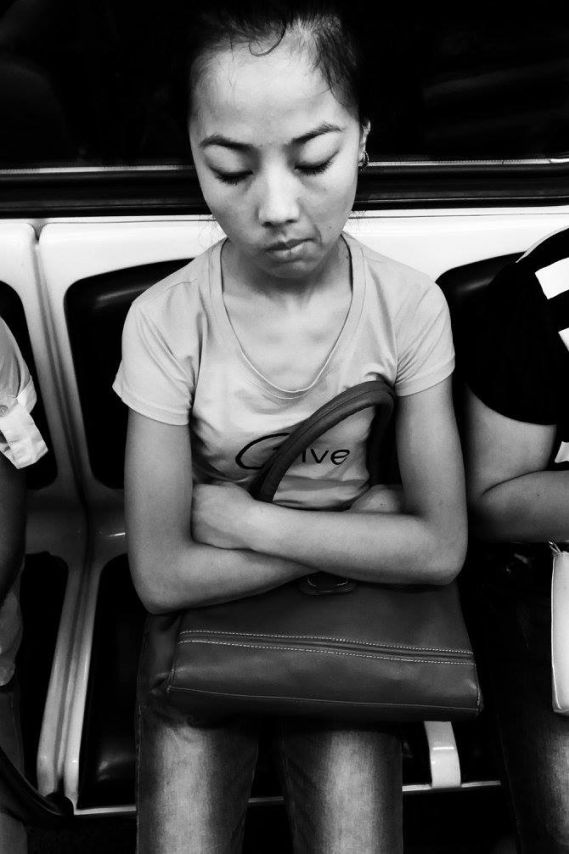
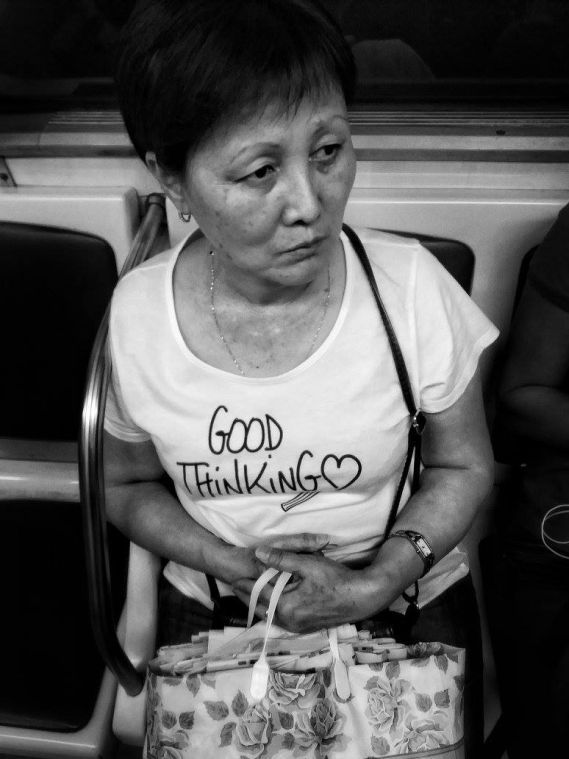
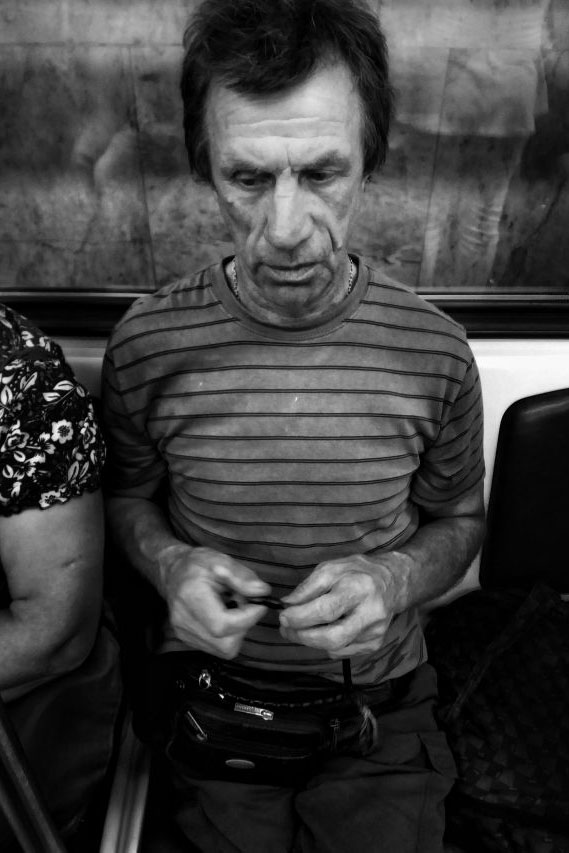
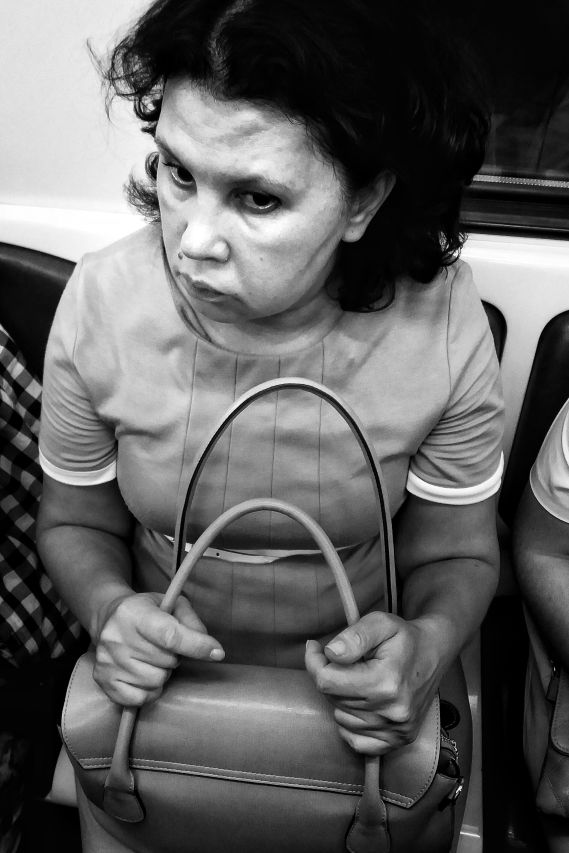
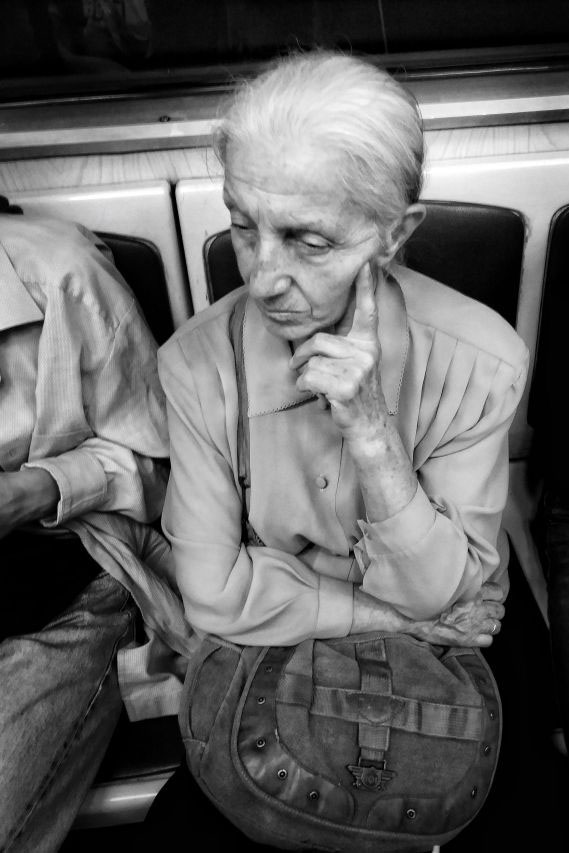
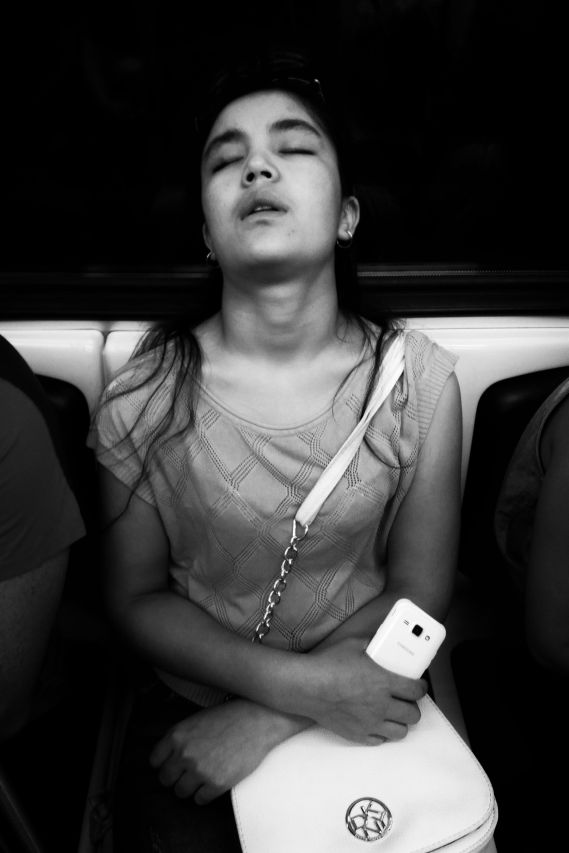
“Where people are together, but actually on their own.” Vladimir Stepanov captures people’s emotions in the Moscow subway.

Vladimir, please introduce yourself.

I am a documentary and street photographer from Moscow. My interest in photography began about 5 years ago. At that time I lived in Central Asia, in Kyrgyzstan. I have a wonderful wife and an amazing son. He is 5 years old and a very funny boy. They always support me in my creative work.

How did you get into Street Photography?

Street photography is the search of beauty around us and harmony inside yourself. This is the easiest opportunity to express yourself. Anybody can take their smartphone and shoot pictures.  We can see harmony in the beautiful diversity of the world that surrounds us. So I have chosen this way for me.

Street photography was the most accessible type of creativity for me when I lived there. Then I started to shoot all around. And I realized the opportunity to express myself through photography.

What do you look for when shooting on the streets?

First of all I look for elements of composition and people’s emotions and try to combine both in a photo. It seems to me, street photography and photography in general, is an ability to see the world like a picture. It is important for each photographer to study works of art, attend museums and exhibitions to develop the way of seeing the things around us.

How did your subway series come about?

My series in the subway is about expression of people’s emotions. The face reflects our feelings from inside. While travelling home from work I see different faces. Some people are tired, others are just sad. In the subway, people are together, but actually, everyone is on their own. People look lonesome and don’t recognize anybody around them. At this moment, their faces reflect true feelings.

Any tips for Street Photography in Moscow?

I can just give one piece of advice, be confident and friendly. If you feel danger, walk away. Moscow is a very big city, so every photographer is treated differently. Of course you can use the method of invisible shooting, sometimes this is the best decision. You can call me as well and we could go out to shoot the streets of Moscow together!

What are your future plans or projects in photography?

My future plans are related to documentary photography, a project about labor migrants from Central Asia. I have just started working on this project and I think results will appear soon.

Where can we find more of your work?

Instagram and Facebook

Thanks Vladimir!

Urban Street Diving Street Photography

The warmth of sicilian people

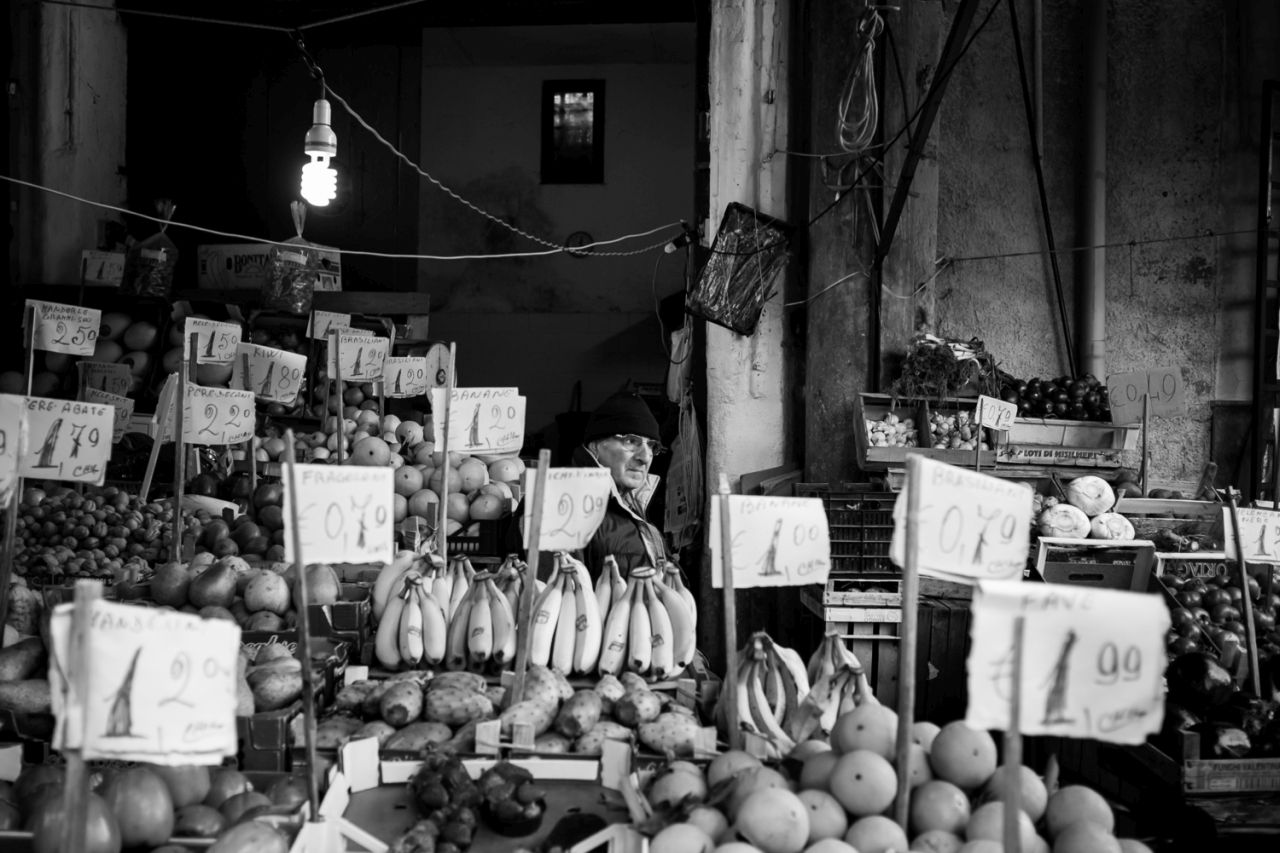
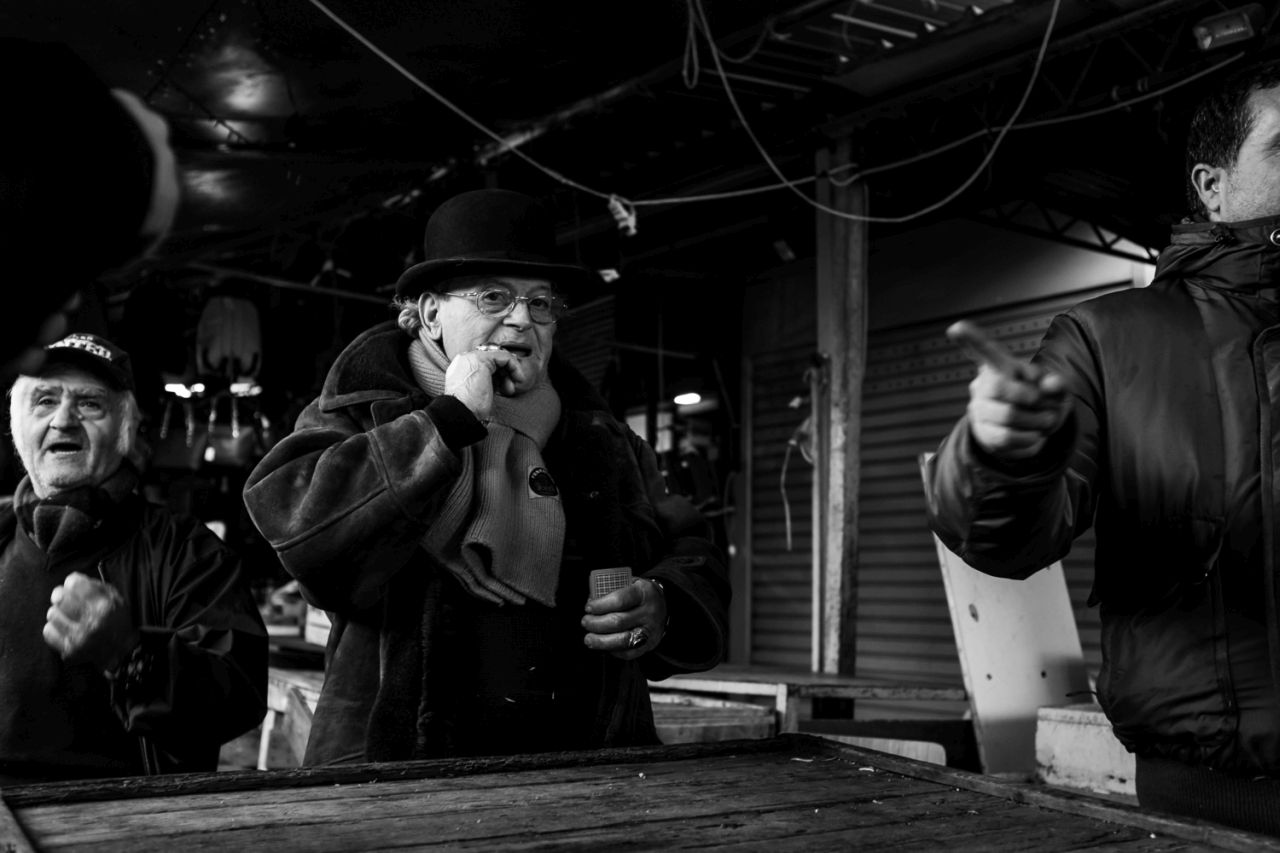
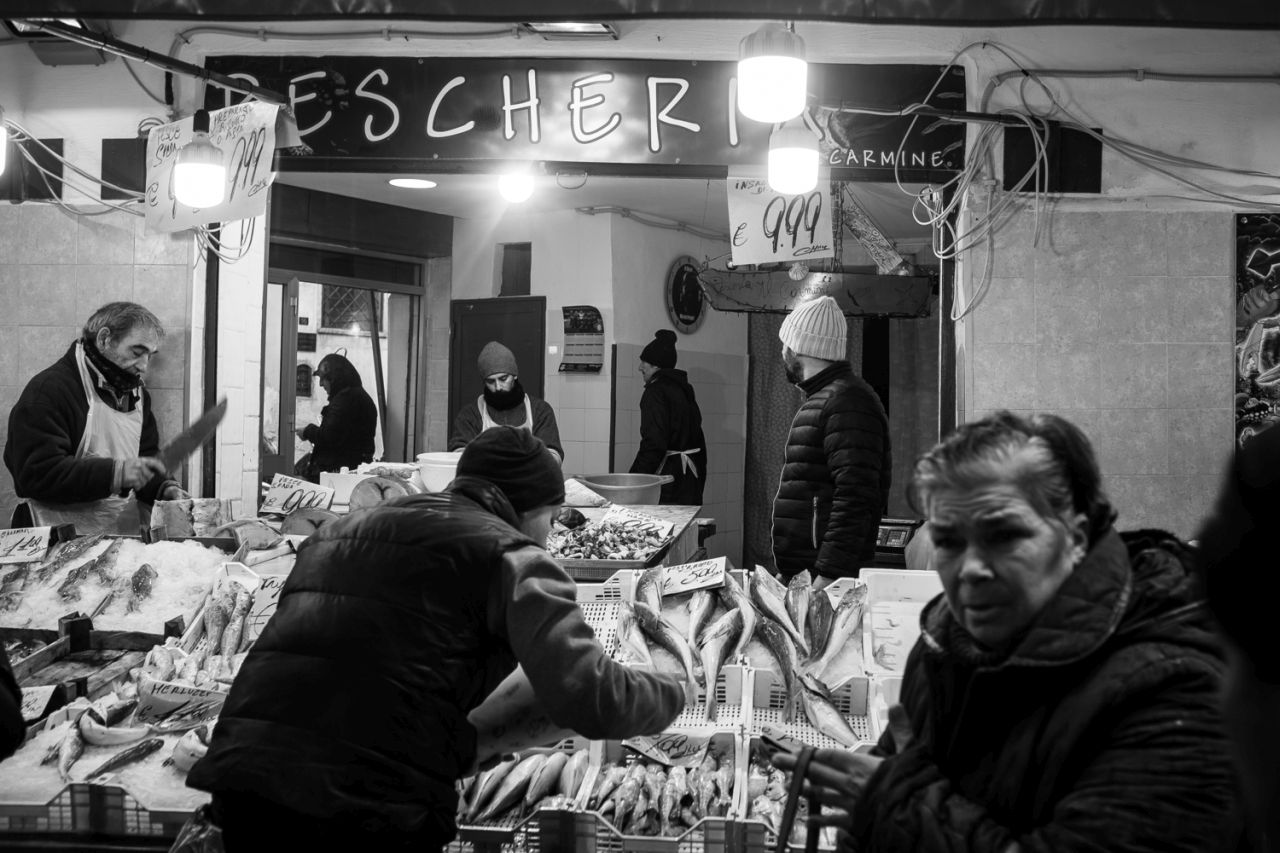
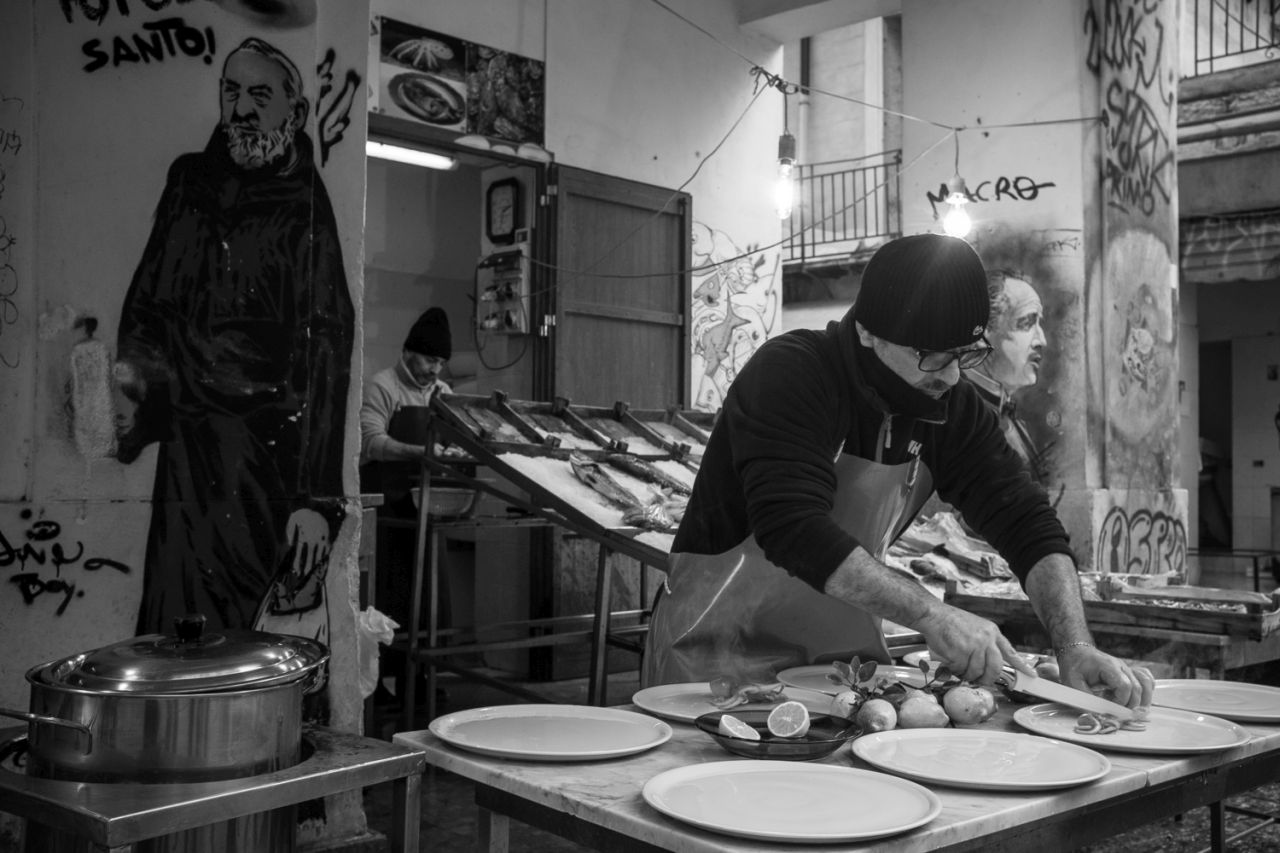
Francesco D’Alonzo takes us on a dive through Vucciria and Ballarò Market in Palermo, Sicily, Italy.

Francesco, please tell us a bit about yourself!

I was born in 1981 in Pescara, a town in the center of Italy, 200km from Rome. I studied environmental economics and I was instantly passionate about nature photography and landscape. I expanded my knowledge of photography over the years, following various courses around Italy, especially for reportage and street, but a major role in my growth from a photographic point of view has been given by the study and analysis of work by great photographers.

How did you get into Street photography and why do you like this specific genre?

The love for street photography has slowly bumped into me because it has become an inner need to dig deeper into the world around us, putting the humans and the lives of people in the center. I love going down the street to see what happens with my eyes. I love this photographic genre because it allows me to analyze moments of everyday life that l would otherwise not be able to see and understand to the fullest.

Let’s dive into your photo series. Why did you choose Palermo and in particular the Vucciria and Ballarò market for you series?

l chose Palermo because it is a city completely different from the classic Italian cities. lt is a city that lives in its own light, a city of contrasts and excellence, but unfortunately most of the times the excellences are negative; mafia and crime.

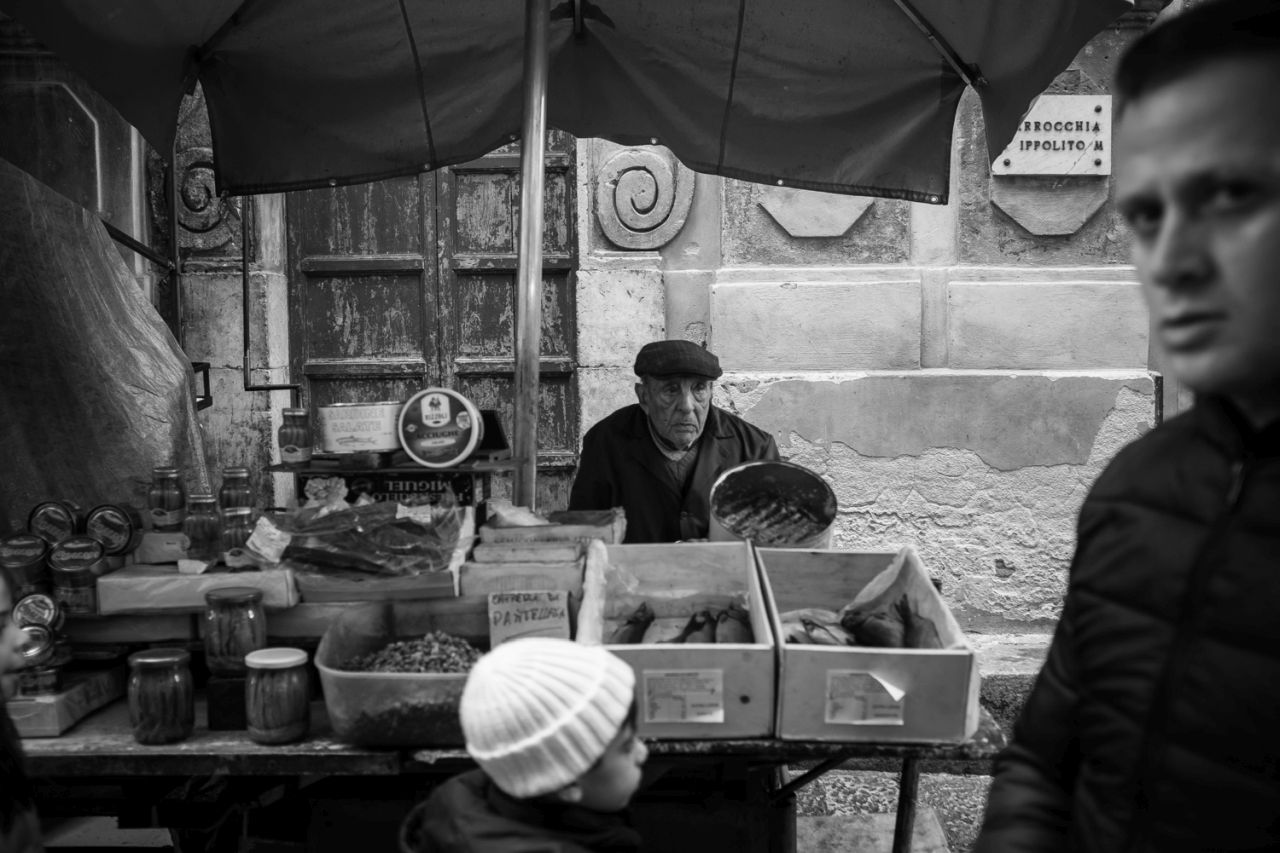
The historic markets of Vucciria and Ballarò represent best the atmosphere that breathes and which distinguishes the Sicilian city from others. In these neighborhoods the genuineness, spontaneity and warmth of Sicilian people, the tradition of the sea and hospitality are expressed and manifested.

Urban Street Diving Francesco Dalonzo Palermo Urban Street Diving Francesco Dalonzo Palermo Urban Street Diving Francesco Dalonzo Palermo Urban Street Diving Francesco Dalonzo Palermo Urban Street Diving Francesco Dalonzo Palermo Urban Street Diving Francesco Dalonzo Palermo Urban Street Diving Francesco Dalonzo Palermo

What stories and situations did you encounter during your shoot? Maybe something you didn’t capture with your camera?

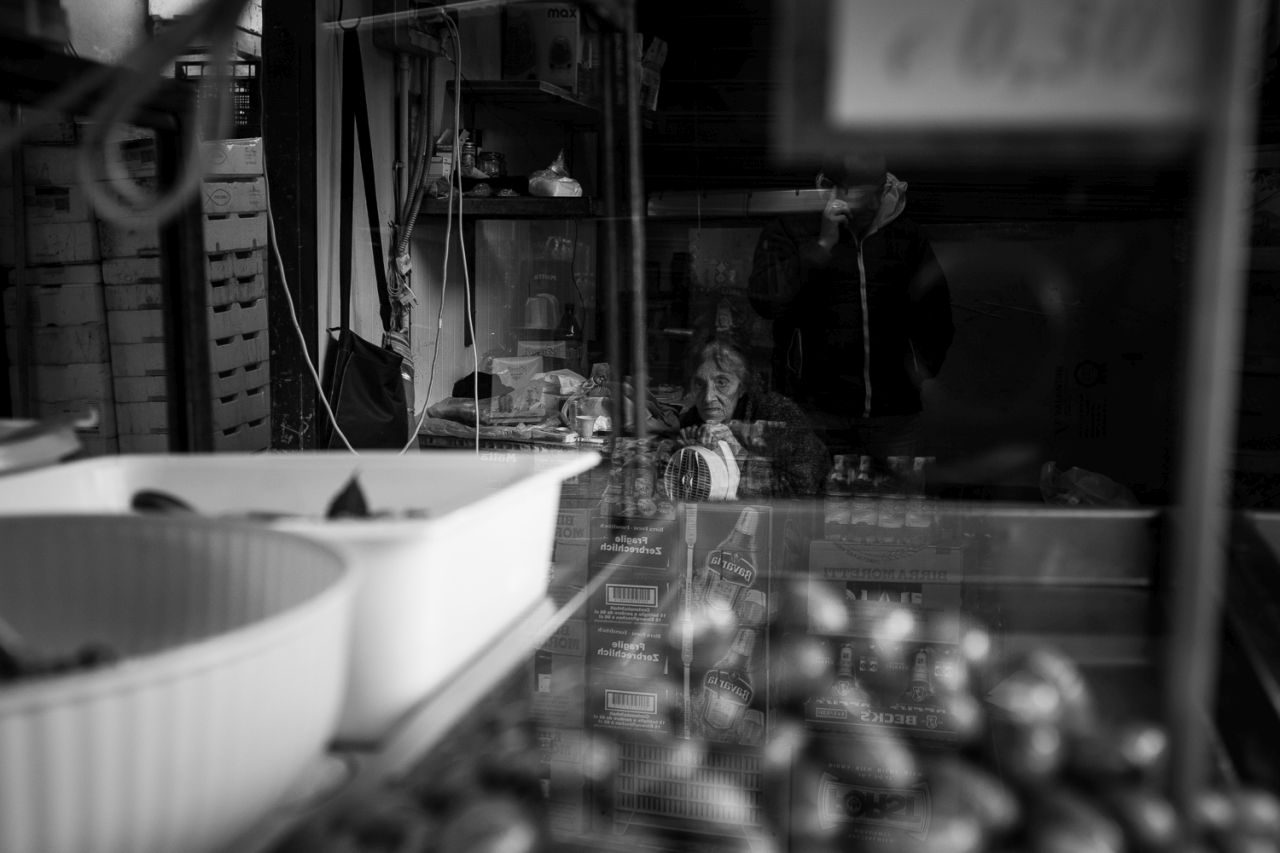
During my stay in the city, the richness and variety of situations I encountered were so great, but l wanted to give a very precise cut to my work. I tried to give importance to all those “actors” who make every day throughout their lives special. The slim little lady behind her stove selling olives, the fisherman who since the early dawn sells delicious fresh fish cuisine, flooding the entire market with smells and flavors.

l’ve been trying to capture the gestures, actions, and feelings that all those major actors do. Surely, many things have escaped me, perhaps l voluntarily neglected them, were too focused on the people.

What are your future plans or projects in Street Photography?

There are many projects that will soon be born. Now my work focuses on the analysis of the relationship between people and the urban environment. This work that has been going on for about 6 months now is in my city of Pescara. I have decided against my usual style of working only on color photos. Other projects are being studied, but they will always have a reference point to human beings.

Where can we find more of your work?

On my website www.francescodalonzo.it, instagram and https://www.facebook.com/francescofreelance/

Thanks Francesco!

Urban Street Diving Street Photography

Jack Simon’s streets of San Francisco

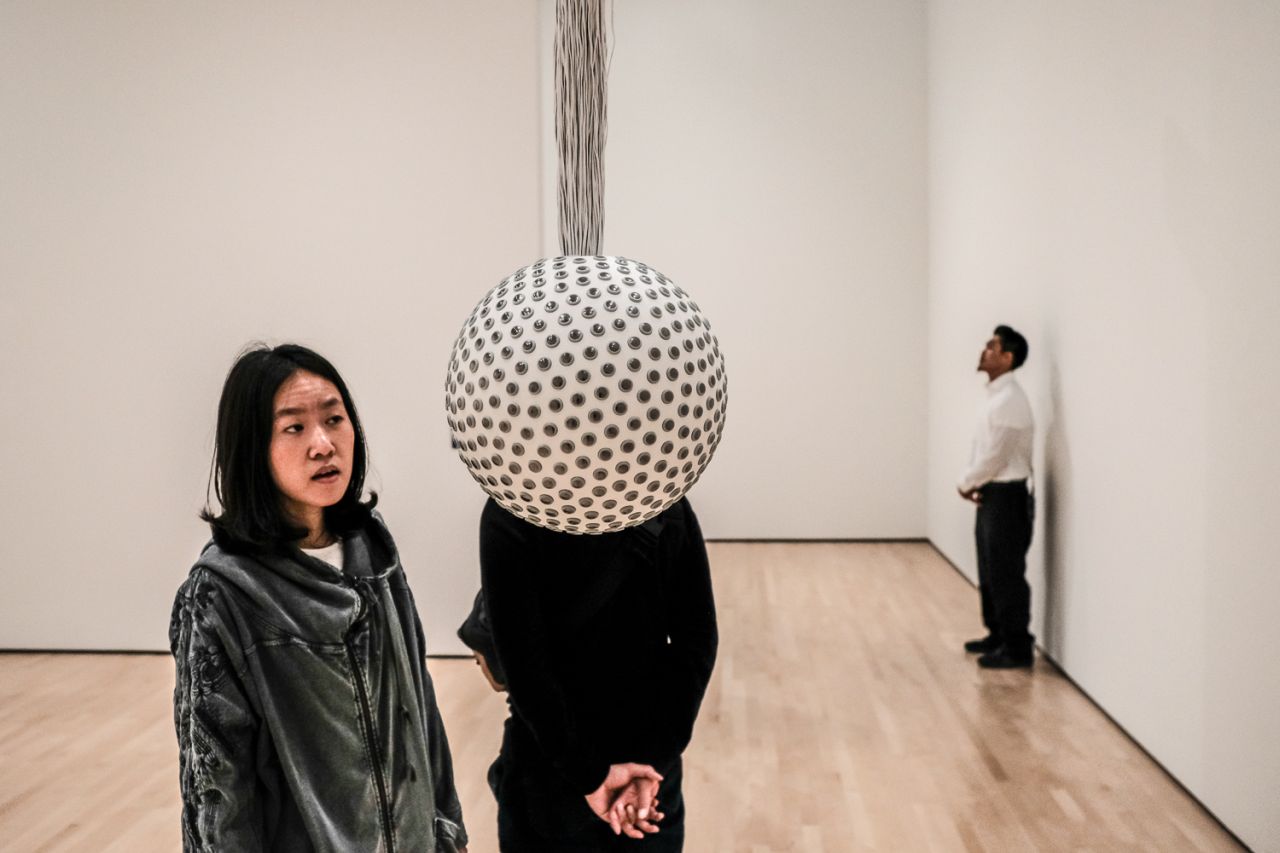
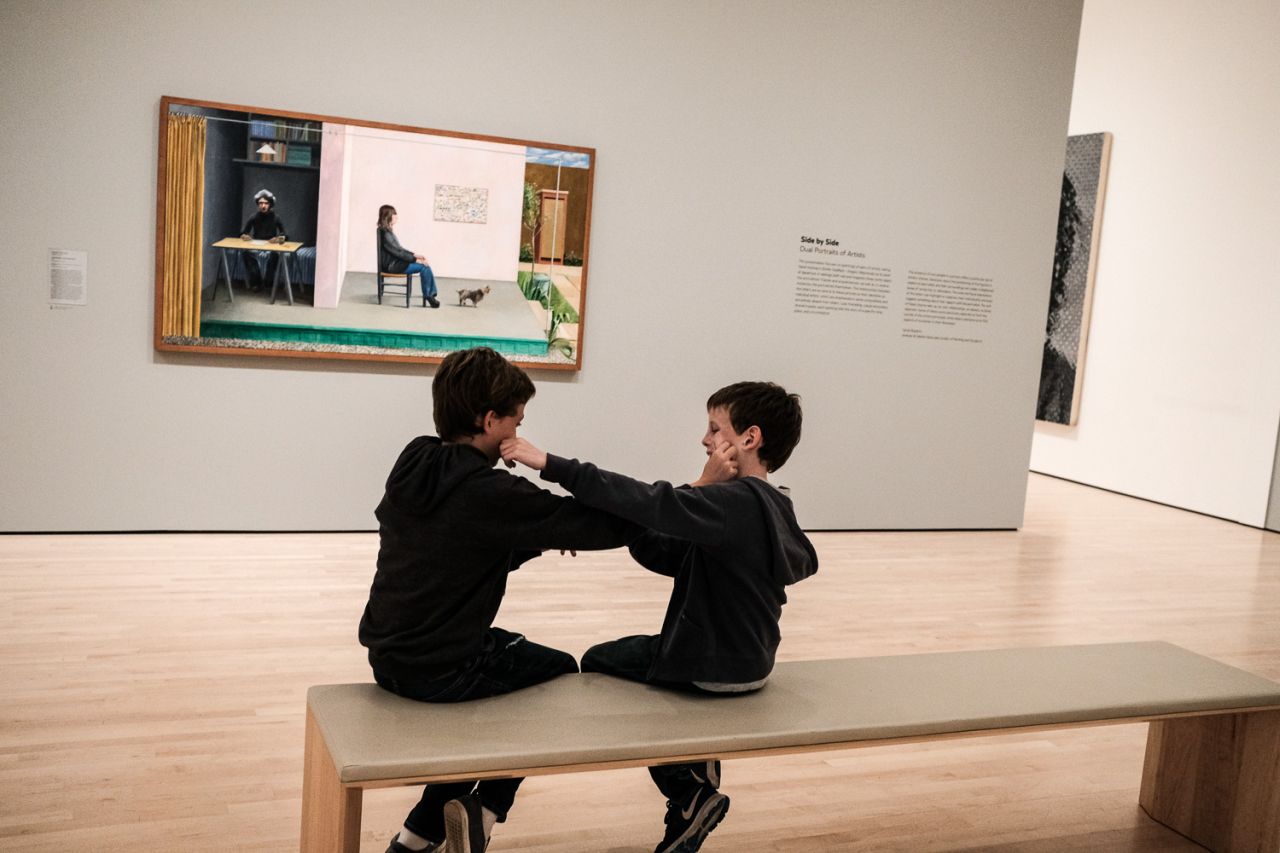
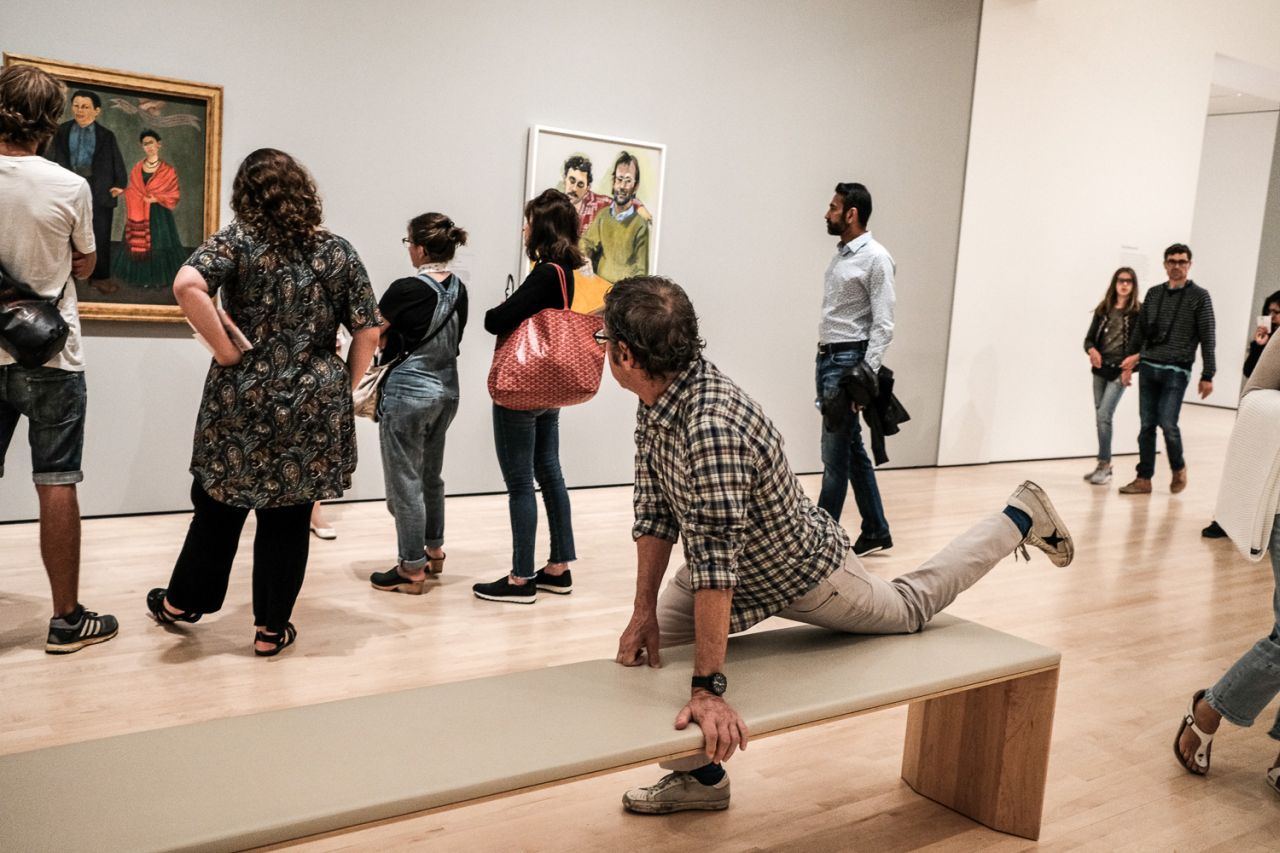
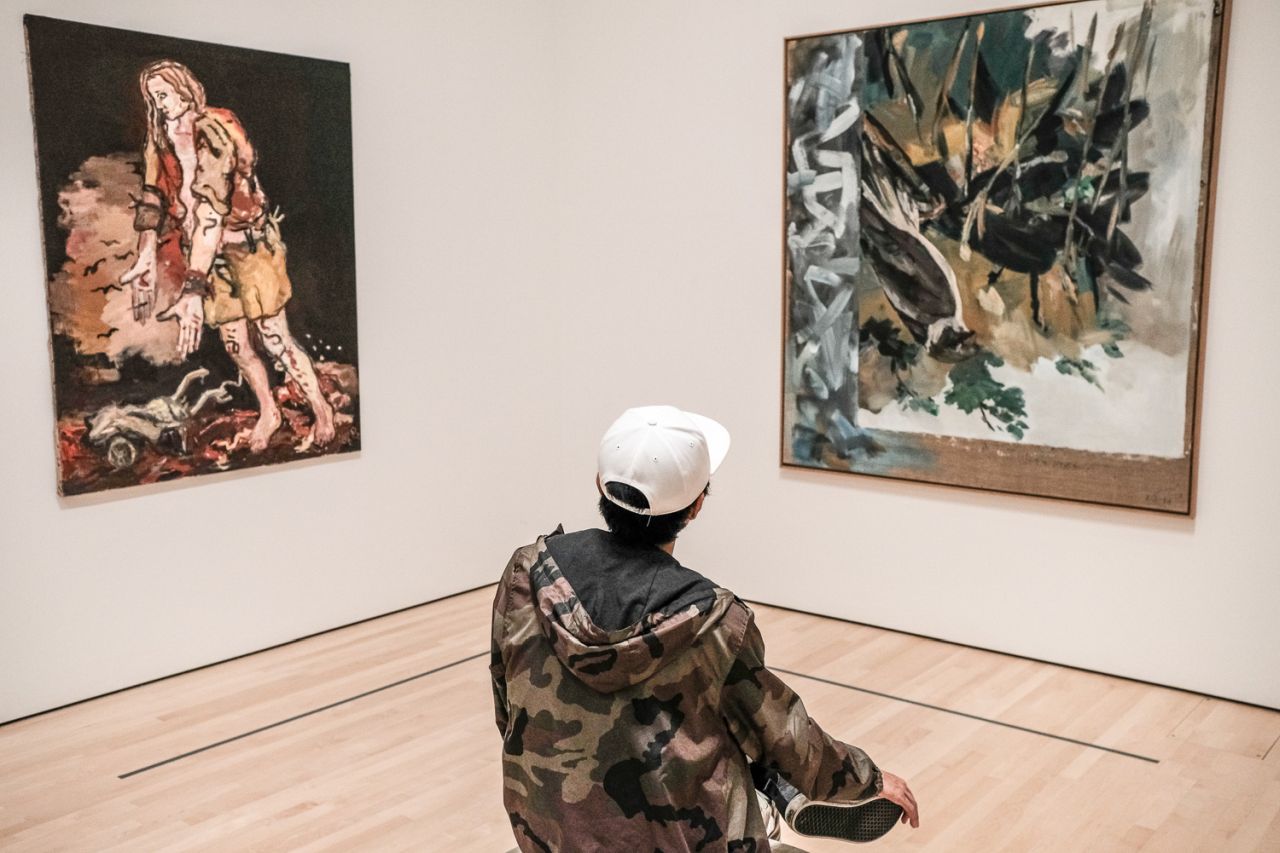
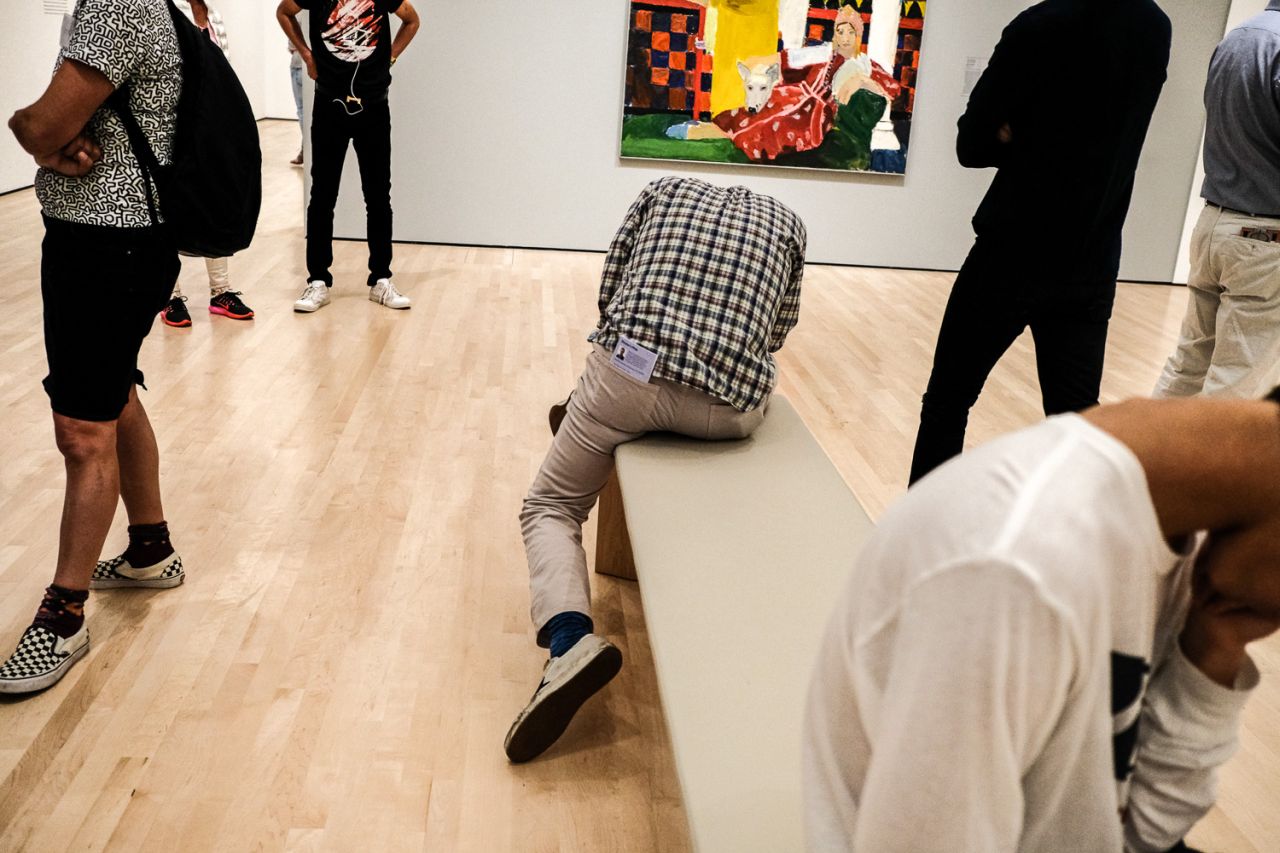
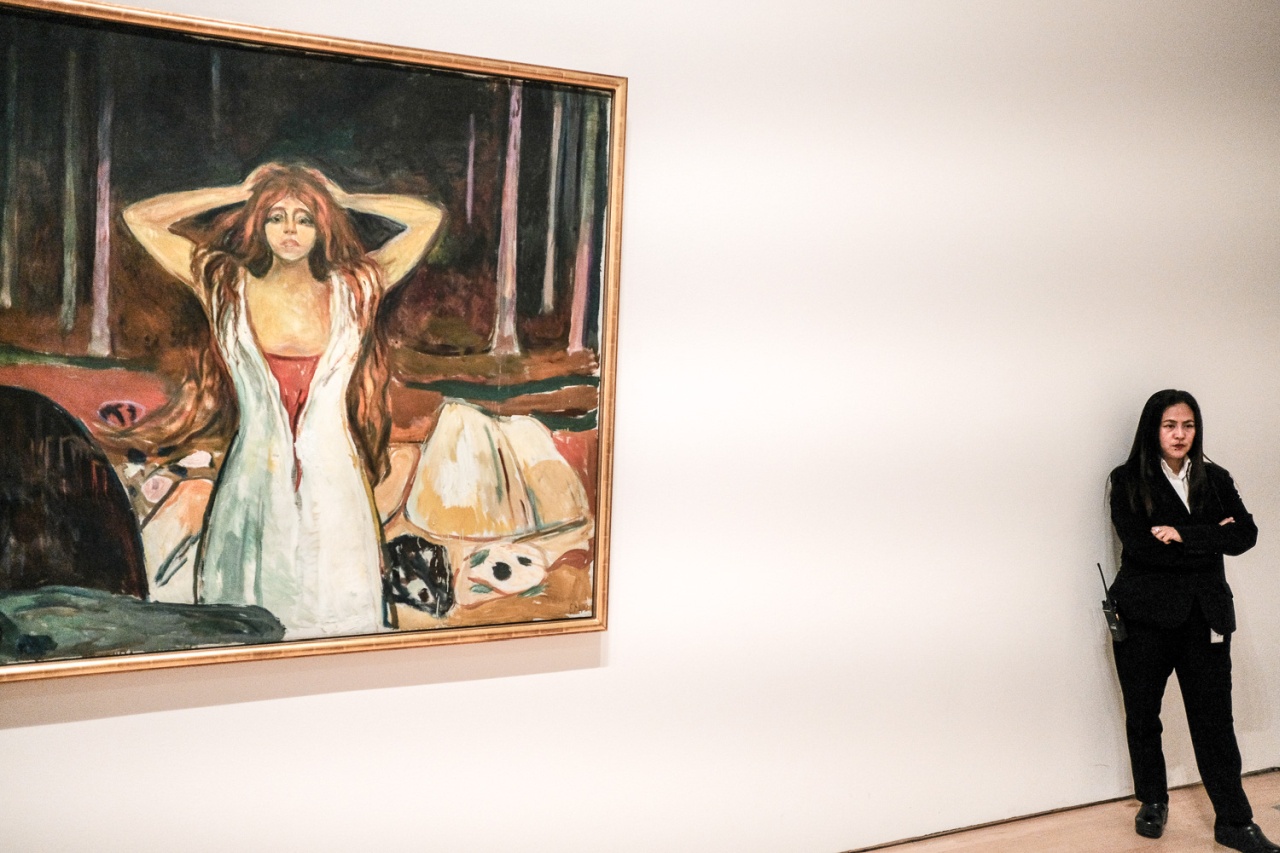
Jack Simon takes us on a four hour dive through the streets of the San Francisco Museum of Modern Art.

Jack, please introduce yourself briefly.

I am a 73 year old psychiatrist living in the San Francisco area. I became interested in photography as a hobby about 15 years ago, developed a knack for street photography and now rarely go anywhere without a camera. Over time “my street” has evolved from the actual urban street to include anywhere in my personal life…public or private.

Since my family is often with me, unplanned and unposed moments with them also appear in my photos. Rather than documenting life around me, I’m attracted to finding scenes that might create fictional stories in the minds of my viewers. I’m one of the founding members of the street photography collective Burn My Eye.

You worked as a psychiatrist for 40 years. How does that influence your approach and vision in photography?

I’m still trying to figure that one out. My reactions to scenes are fairly quick, and as a psychiatrist my intuition has probably helped steer me into potentially rich moments. Also and perhaps more importantly, as a psychiatrist I am hoping to be open to whatever might emerge in order to understand someone better. I think that kind of openness without preconceived ideas helps me discover the unexpected around me.

Museums often are your street. What’s so different about photographing in a museum than on the streets?

I’ve had a life long interest in art and enjoy being in museums. I certainly like wandering the streets and seeing life around me, but wandering in a museum I have more to occupy myself with so boredom is seldom an issue. Also I find people are less conscious of another person photographing since everybody is taking pictures…usually of the art.

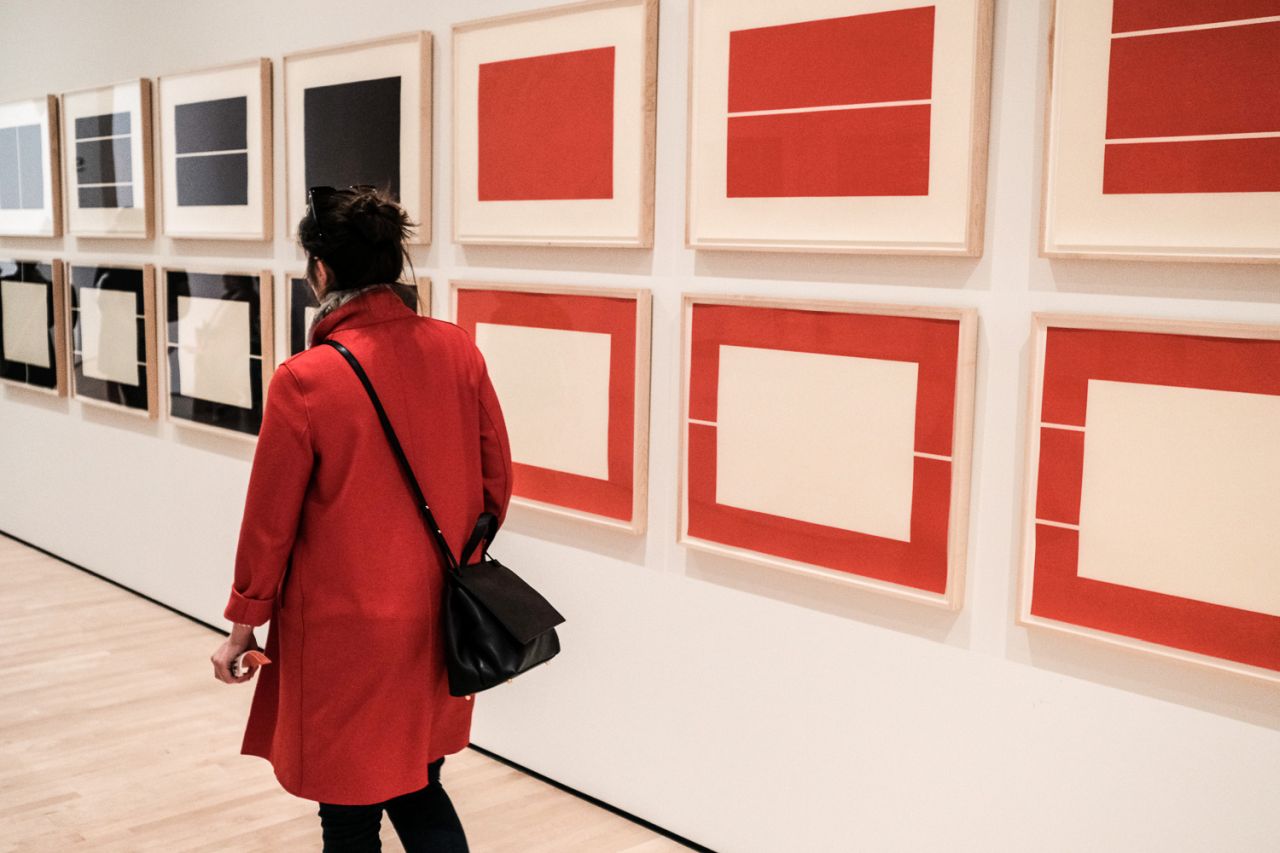
I’ve never had specific project in mind when I photograph but in my edits I was struck occasionally with people replicating the look of some of the art they were observing. Of course, I am not referring to people taking selfies, etc. trying to mimic the art.

So I labeled them art chameleons and have been on the lookout for more as a series. My only other series on my website is unified by a location ….red brick road of Market Street in San Francisco. Otherwise, my other portfolios are just numbers on my website.

Your are based in San Francisco. What are you favorite locations and subjects or themes to photograph?

Downtown is my favorite because of the museums and activities and also the Mission for food and local color. But basically I am going where I can enjoy myself rather than find something to photograph. I am best off not having a subject or theme. I’m likely more open visually when my mind is not directed to look for something.

Are there any projects you are working on at the moment?

I just finished a small book/zine People of Earth which is a compilation of photos taken since SEVENTY which I published three years ago. I’m very happy with the results which were aided by Ben Molina who did the design and worked with me on the editing. It’s available with a signed print here: http://jacksimonphotography.bigcartel.com/product/people-of-earth

Where can we find more of your work?

My website, Instagram and Flickr

Thanks Jack!

Urban Street Diving Street Photography

Jonathan Pui doesn’t let the sun go down

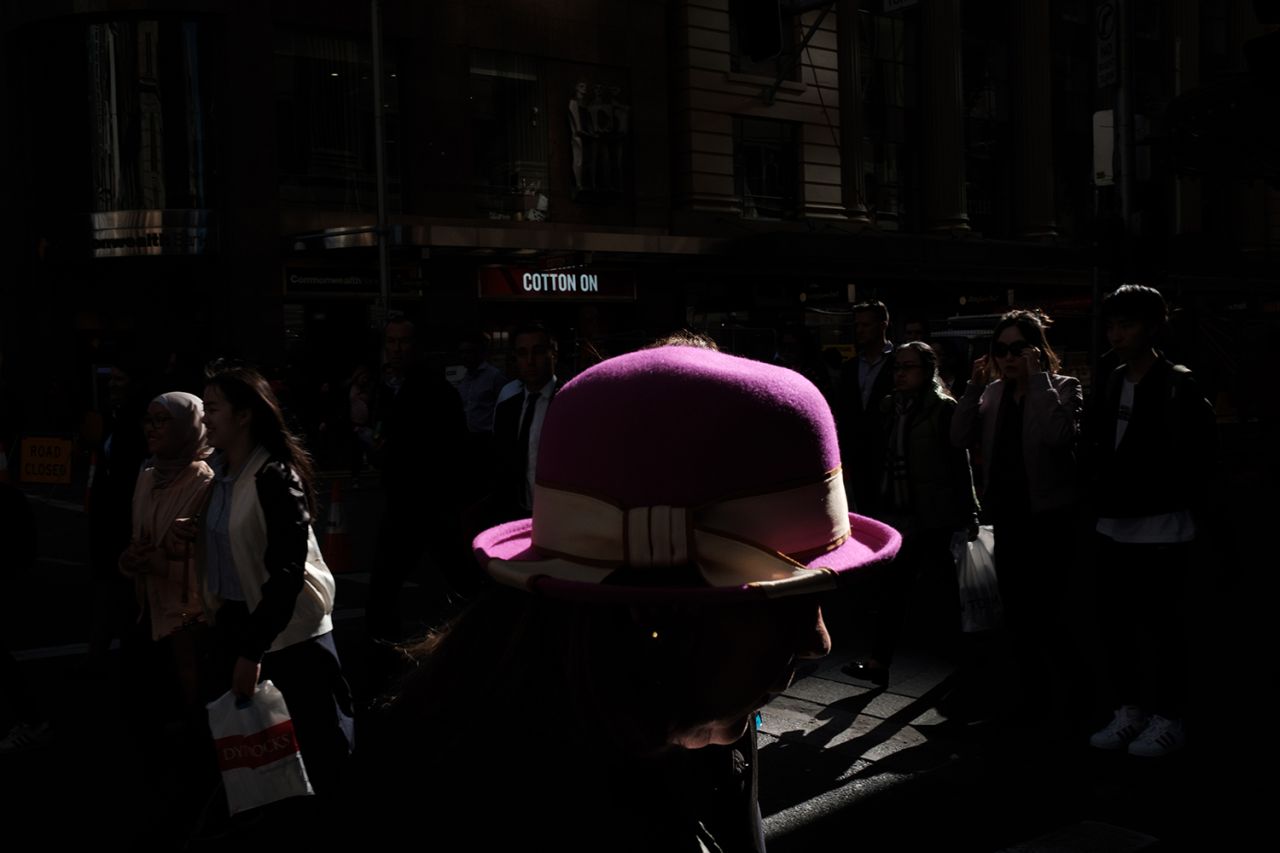
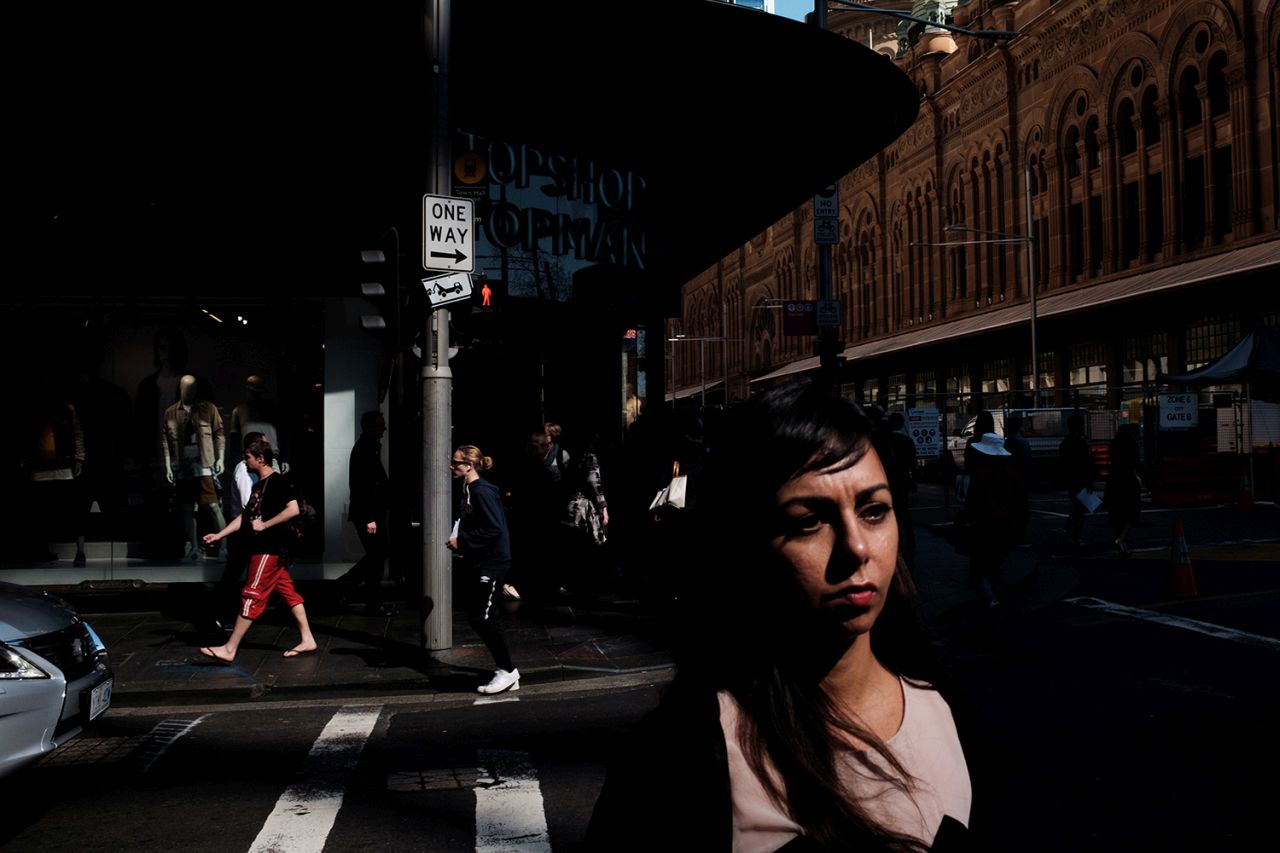
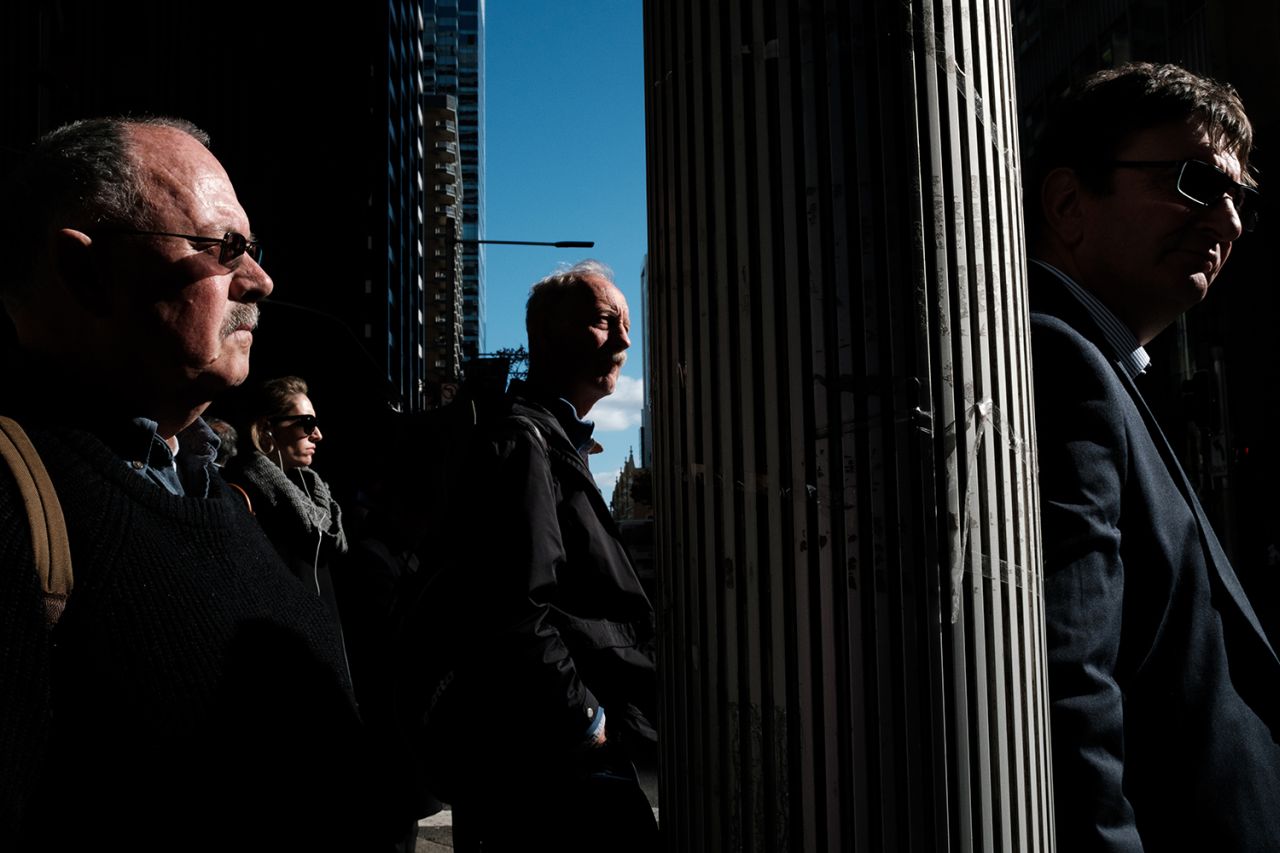
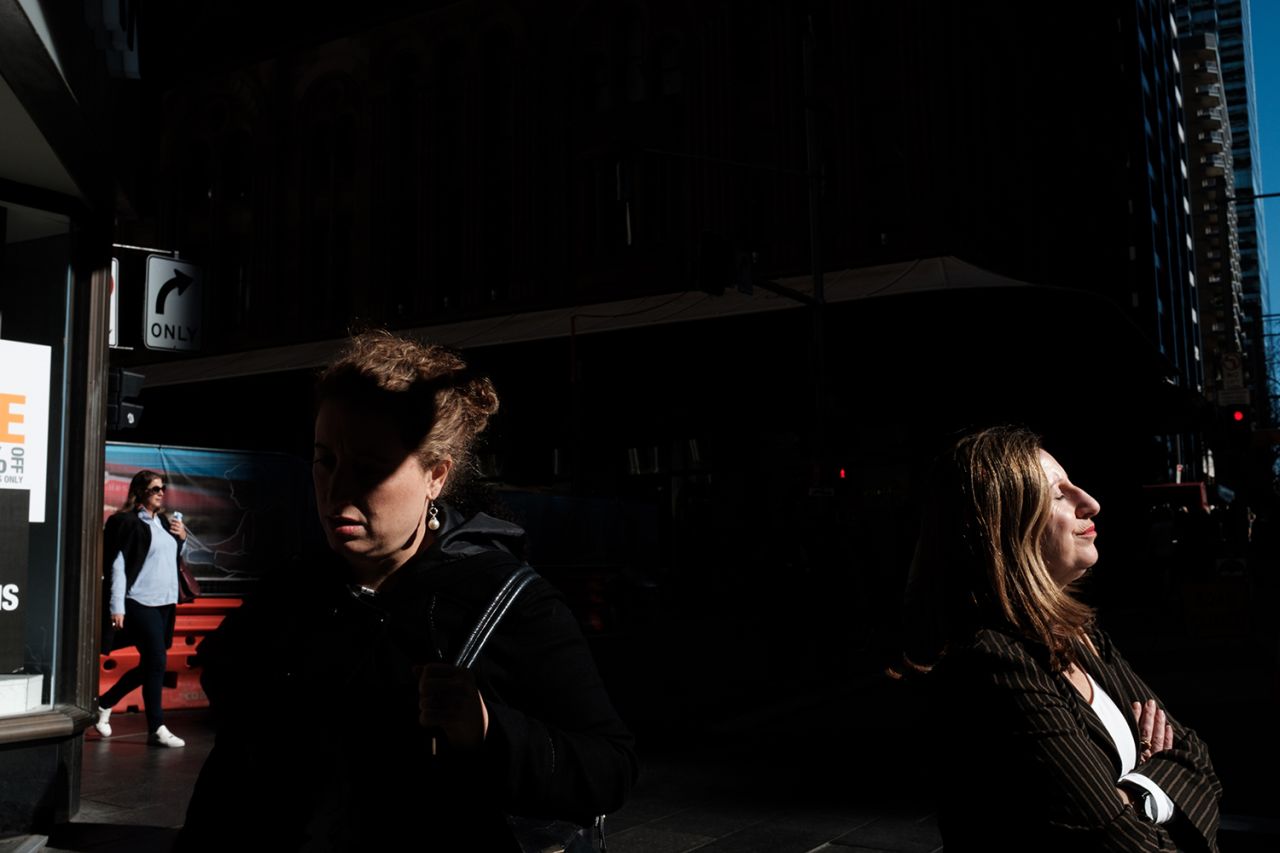
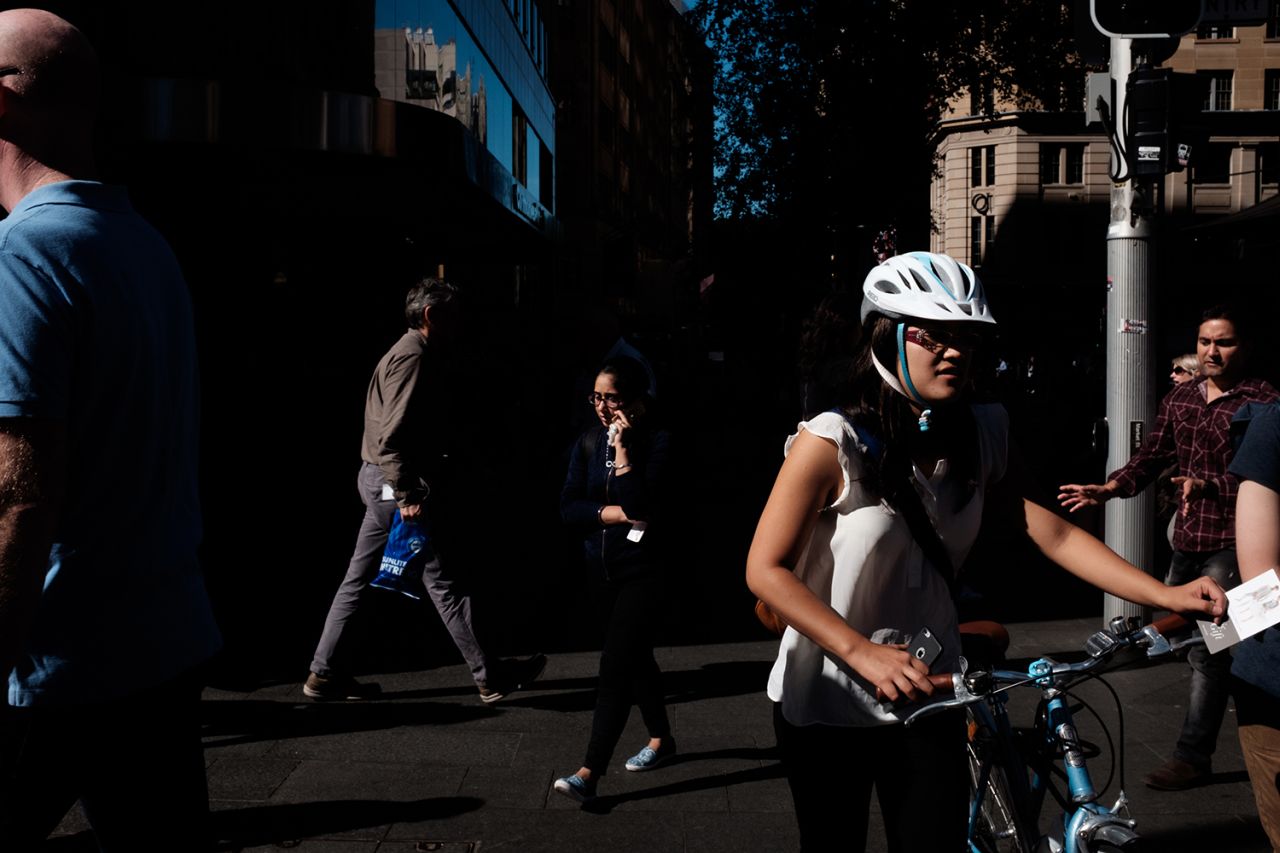
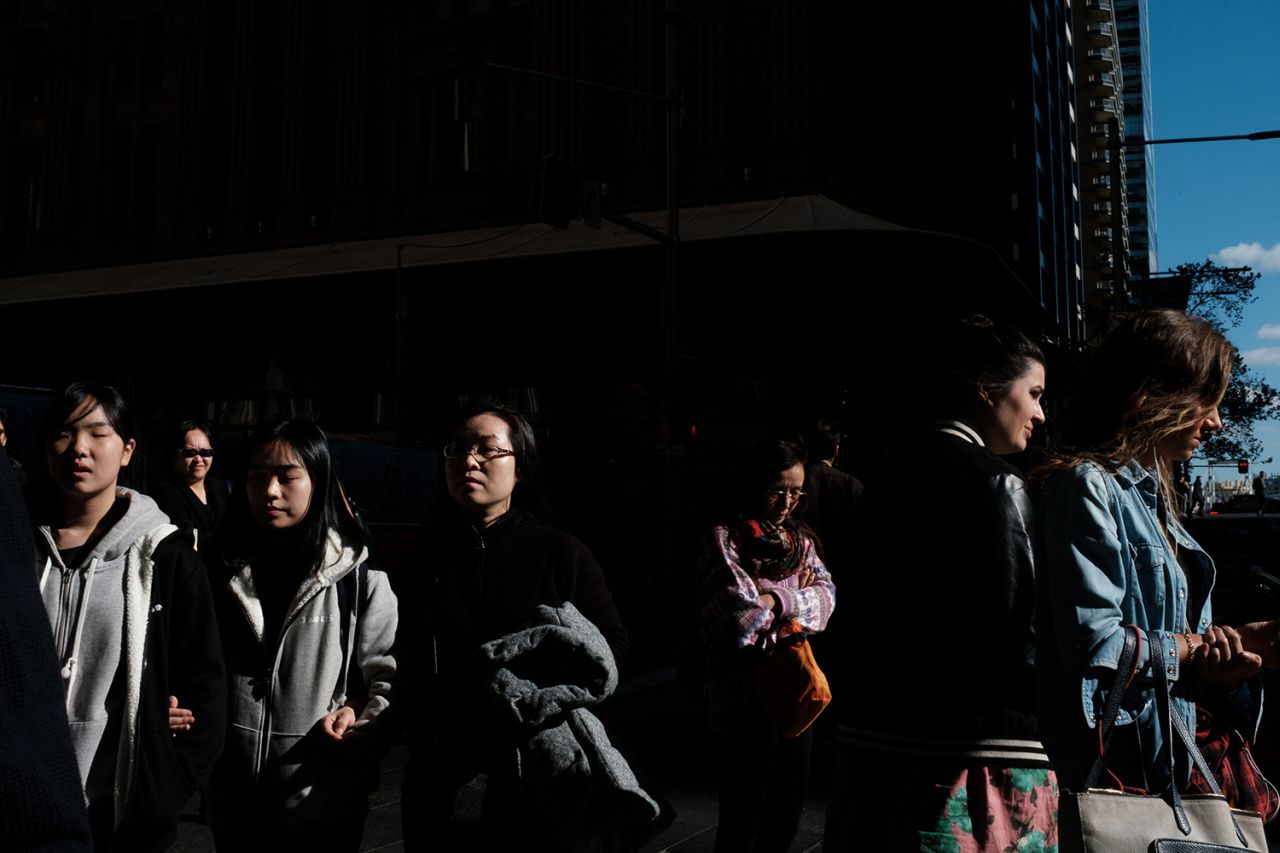
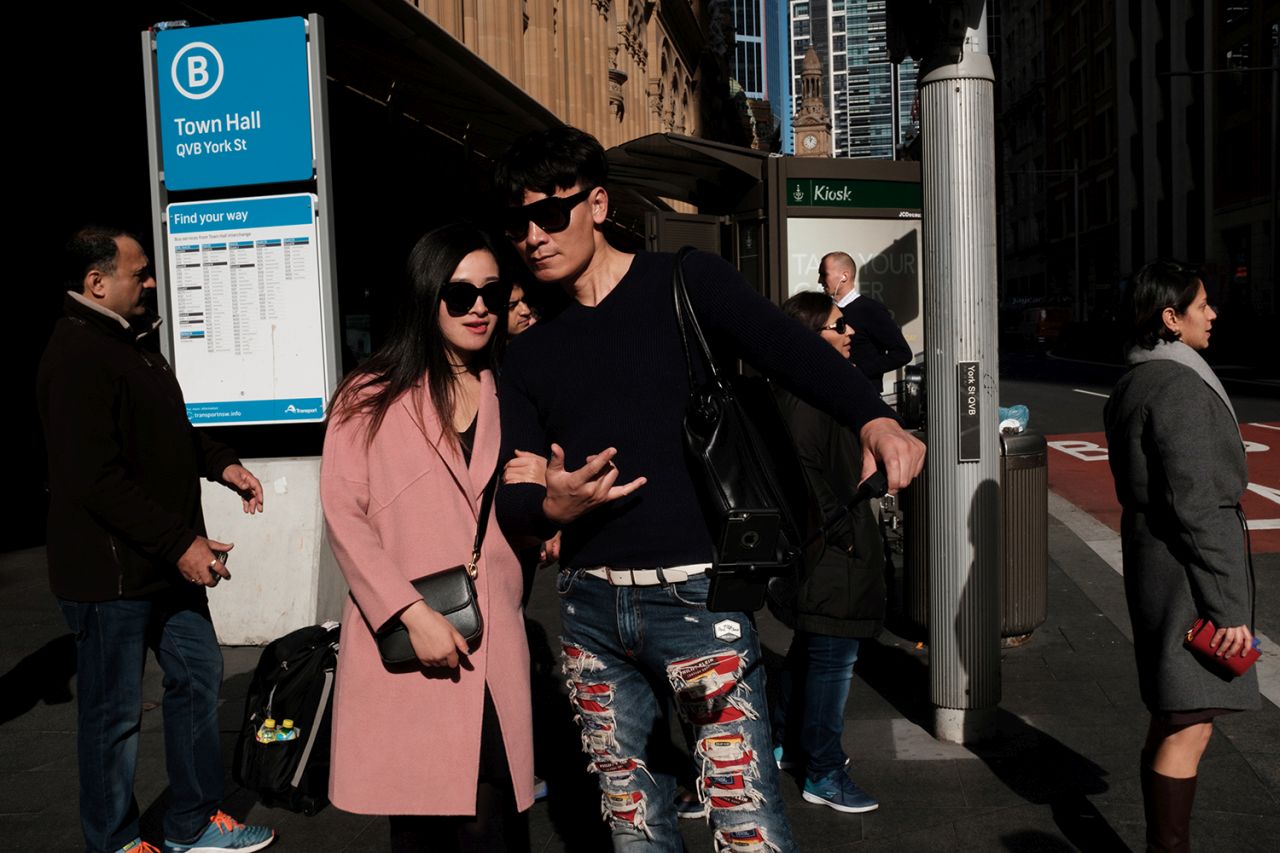
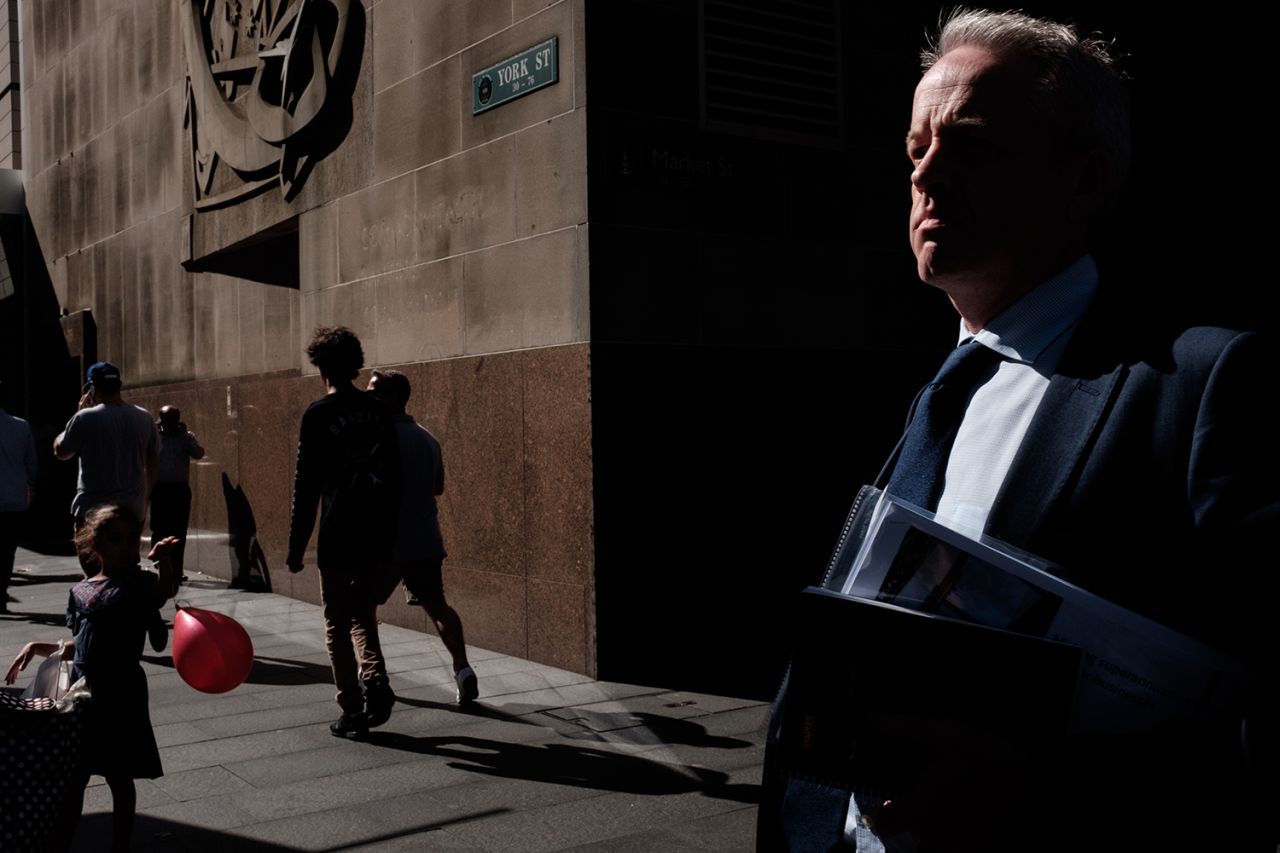
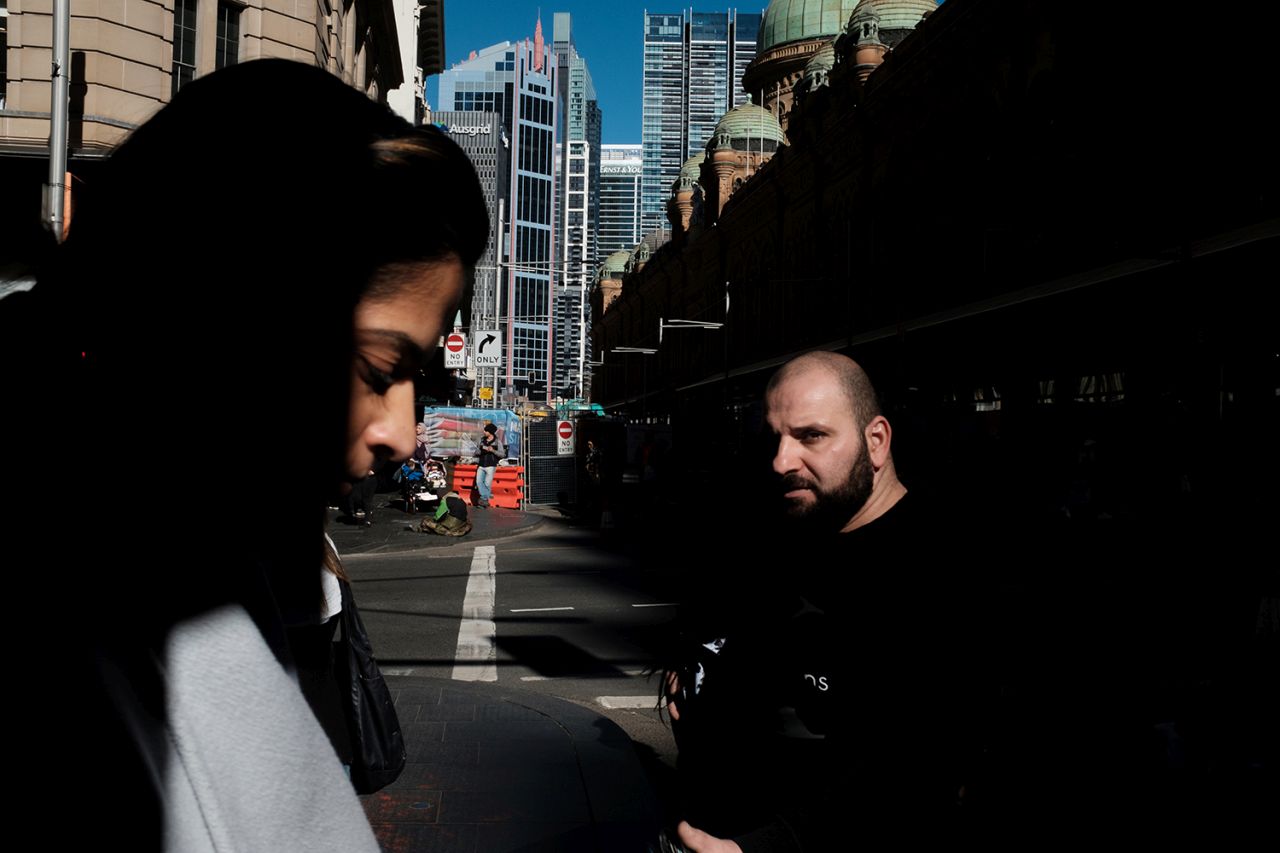
Australian Street Photographer shoots people in the low orange sunlight that shines directly down all of Sydney’s Market Street.

Jonathan, please introduce yourself briefly

My name is Jonathan Pui. I’m an Art director, and father of 2 young kids, living in Sydney, Australia. I bought my first camera 11 years ago, and not long after that I moved to Tokyo for just over 3 years and there I really appreciated photography much more. Got exposed to street photography and now I carry a camera with me wherever I’m going. I didn’t really shoot much street photography in Sydney until maybe about 2 years ago, when I started to go out wandering during lunch breaks.

Having a full time job and two little kids, how do you find time to shoot on the streets?

I don’t often shoot on a weekend as that is the time to focus on family life with the wife and kids (Actually I still shoot but it is only of the kids on weekends!). So I find time on weekdays between working hours, from the time I leave the house, lunch breaks and or on the way back home.

I feel this limited time has made me more productive in that it forces me not to hesitate, to get into the right mindset quickly, and go for the shots. Although time really does fly by when you get into a groove, an hour feels like 10 minutes. You forget about what else is happening around just for that time. I believe what I often hear and read that street photography can be meditative and relaxing. You get that same recharged feeling like running or going to the gym. I’ll often go shoot with friend from work who also does street photography and its great having someone to challenge you, motivate, and keep you on your toes.

But as you know with street photography, you do need to put in the hours, the more you are out there wandering, the greater the chances that an interesting scene may unfold in front of you.

What do you look for when shooting on the streets?

I look at the composition and light, ie I’m always composing things in my head as I see it. I look at light, how it hits a wall or the footpath, look at how people moving in different directions, where they could potentially fill a certain part of the frame. And of course I’ll look for anything that is slightly odd or stands out more than anything else. I’m a fan of complex scenes, geometric shapes, light and shadows.

Photos © Jonathan Pui

Any insider tips for Street Photography in Sydney?

If you shoot in summer late afternoon/evening daylight savings light can be spectacular. The low orange sunlight shines directly down all of Market Street.

What are your future plans or projects?

I think the near future plan is to try and edit my work into a series or into various sets. The long term goal might be to make a zine or self-publish a book of some sort.

Where can we find more of your work?

Here on my website, Instagram or Flickr

Thanks Jonathan!

Urban Street Diving Street Photography

The lives of strangers

“I love photographing on the streets because I like to capture people who walk around in my day.” Sofie Gheysens dives into the lives of strangers.

Sofie, please introduce yourself

I’m Sofie, a Belgium based photographer. I love photographing on the streets because I like to capture people who walk around in my days.  I don’t really have an approach. I travel alone often and I’m open. It just happens. At the moment I’m working on a serie where I photograph intriguing women in an very personal way.

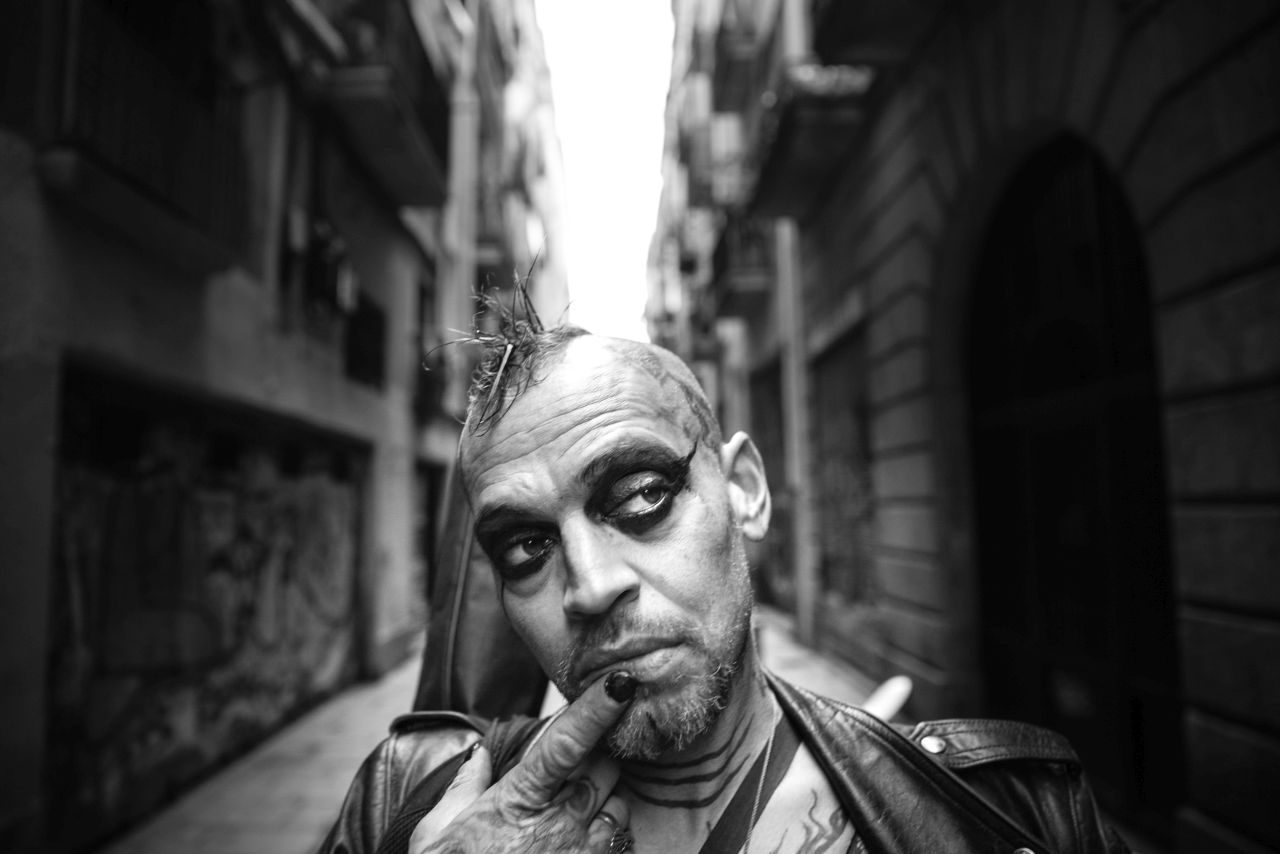
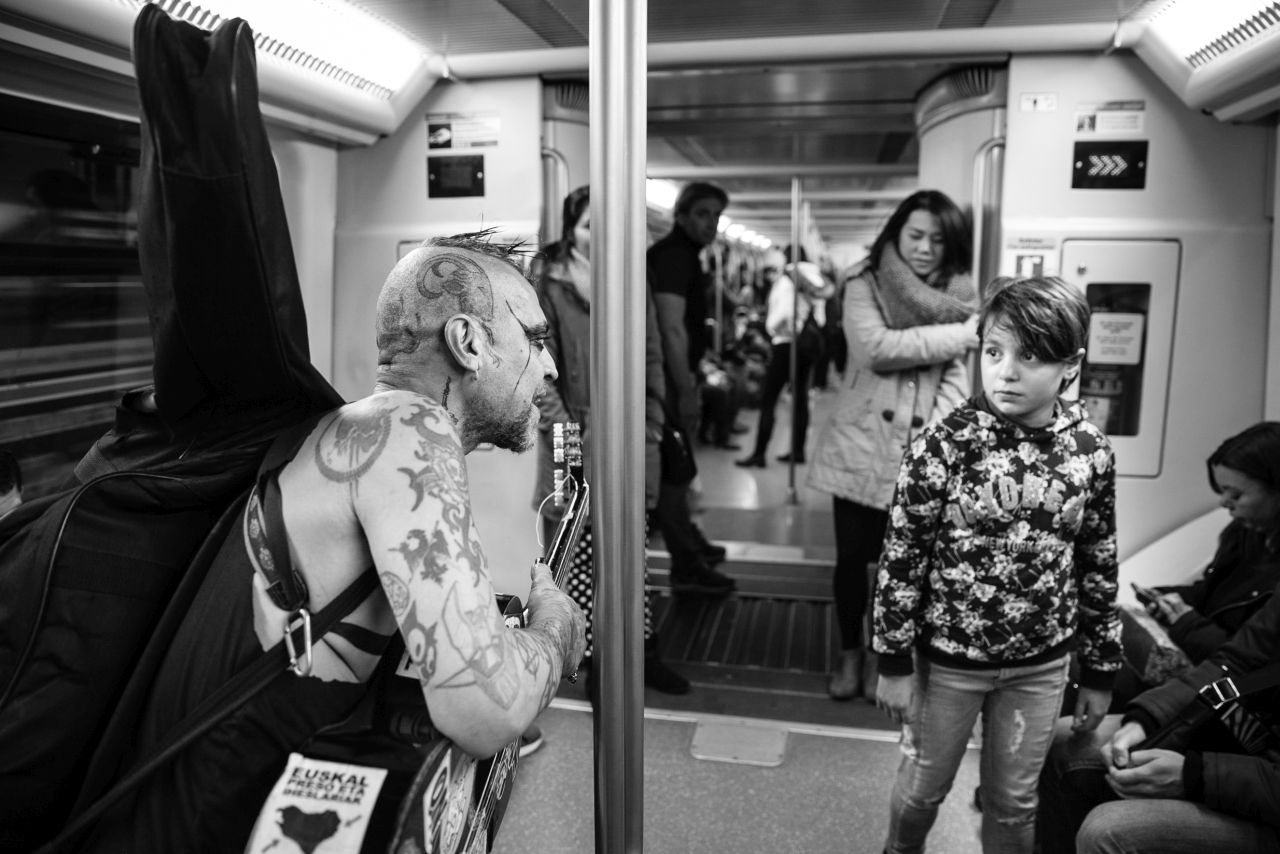
Leo

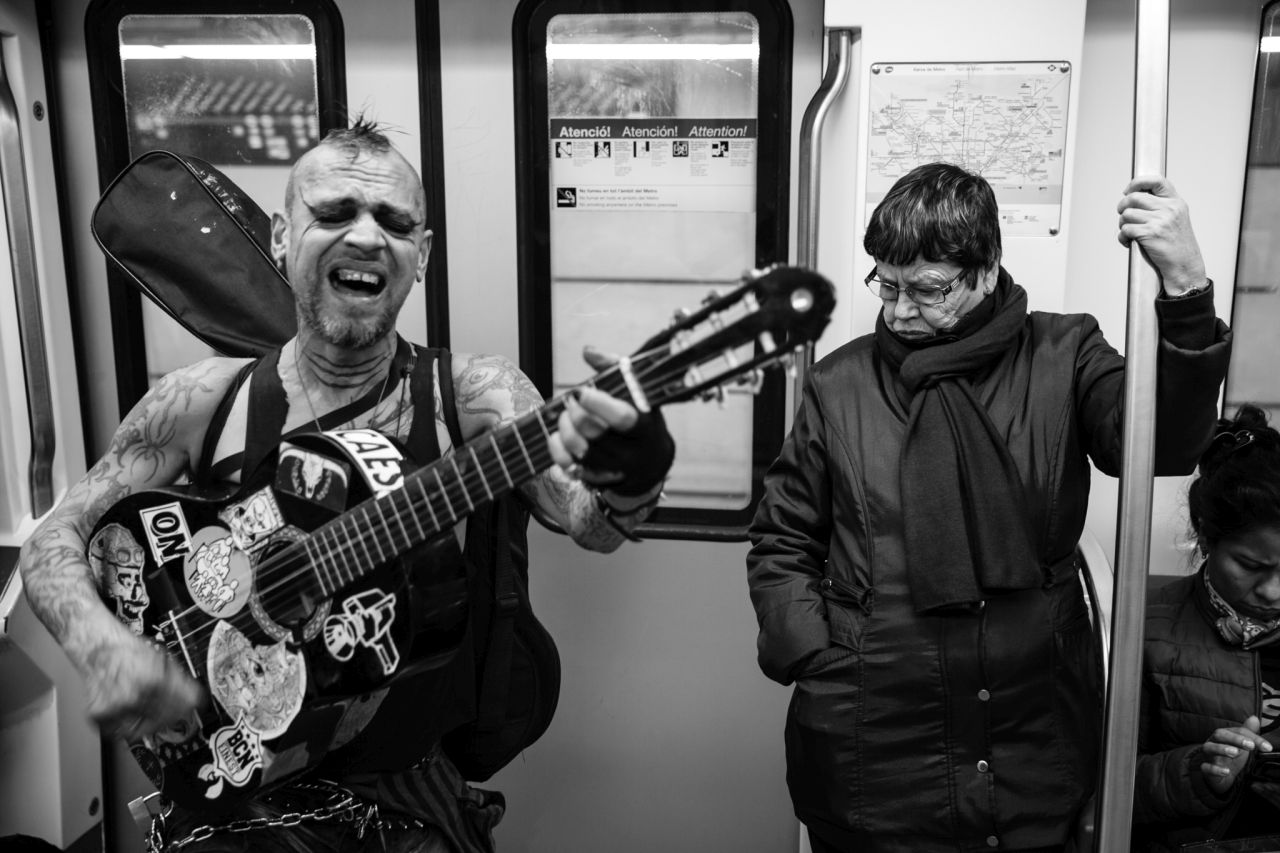
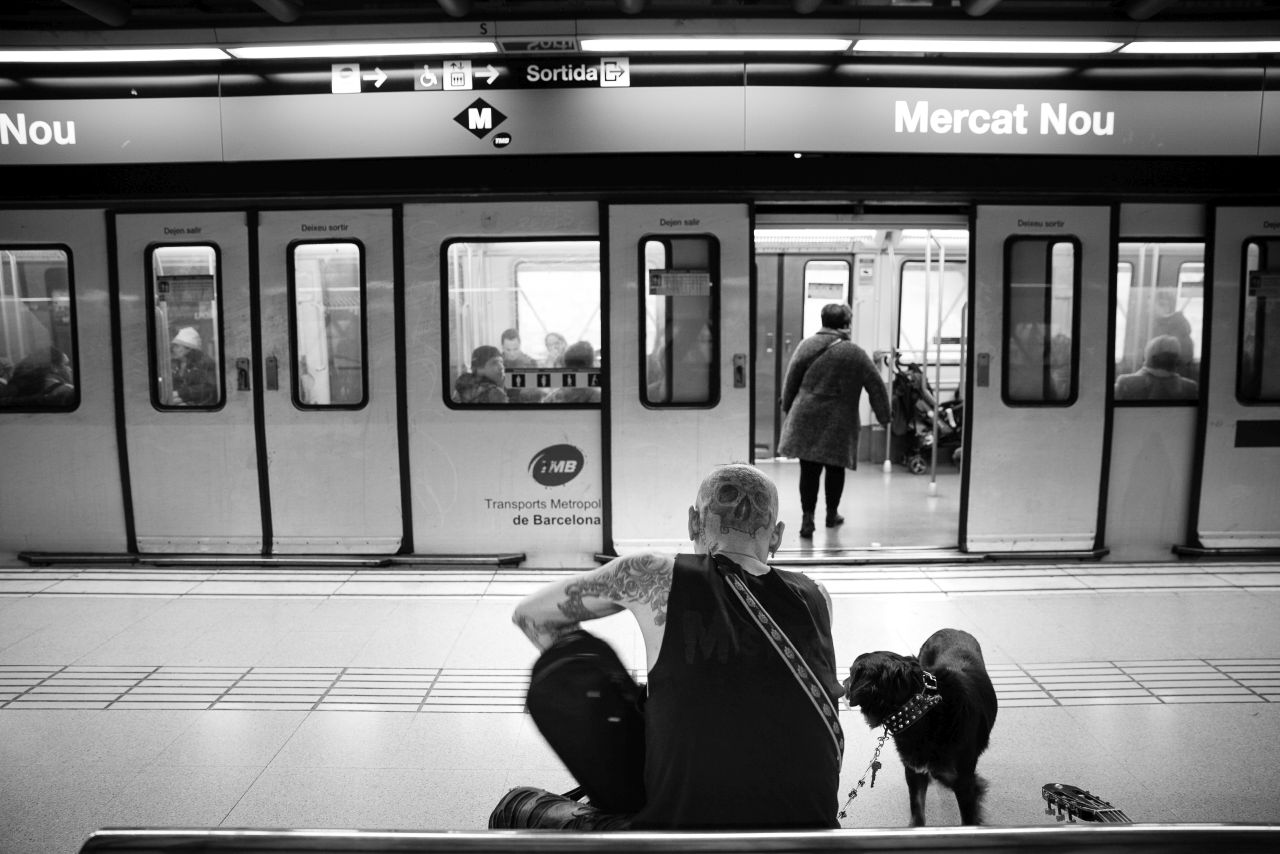
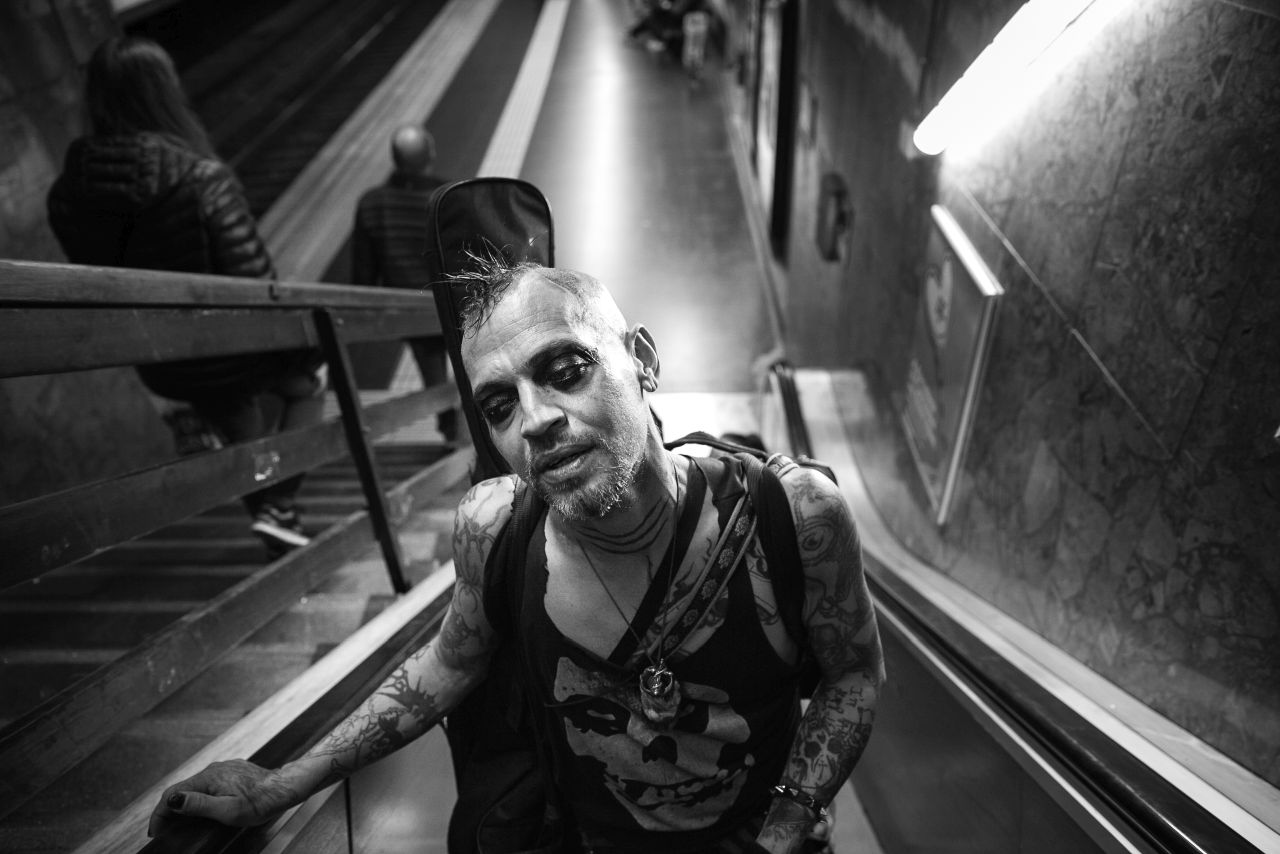
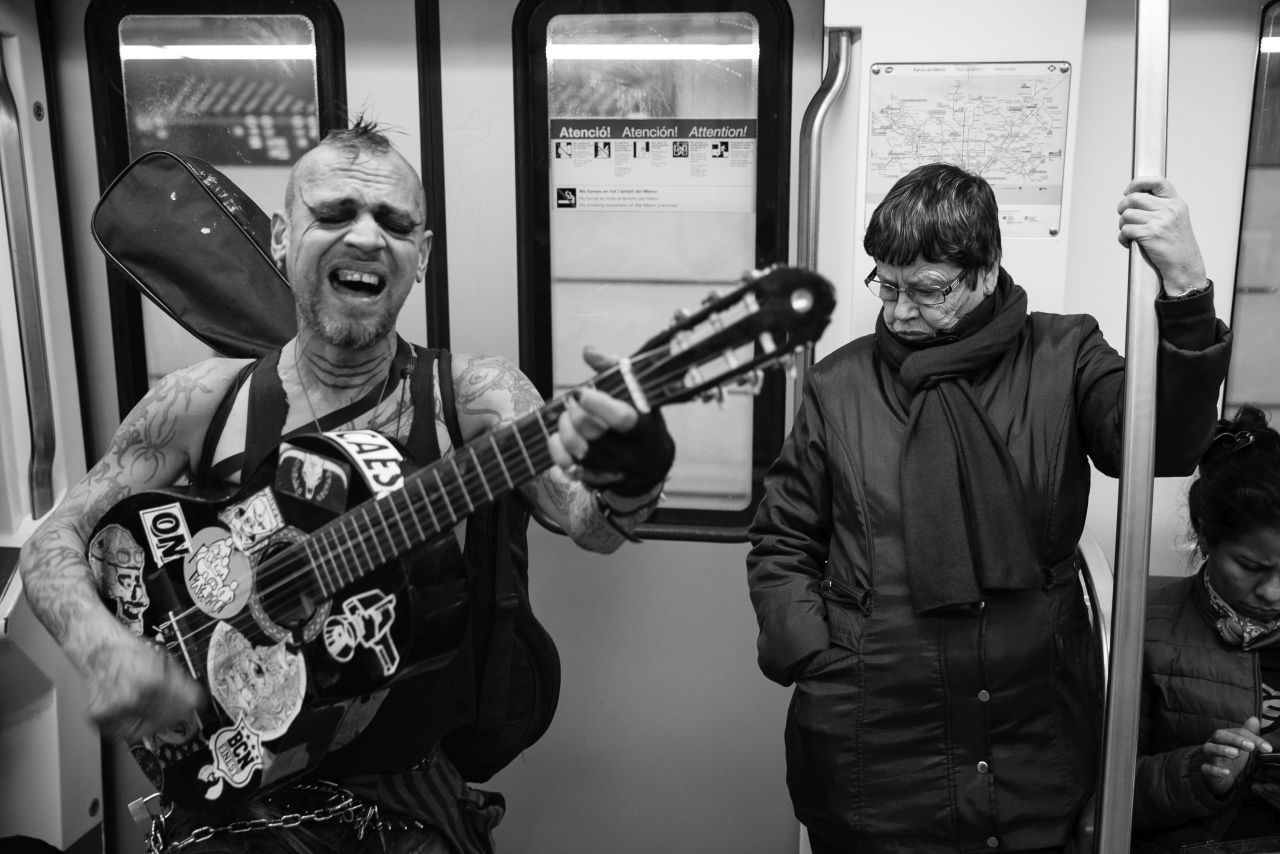
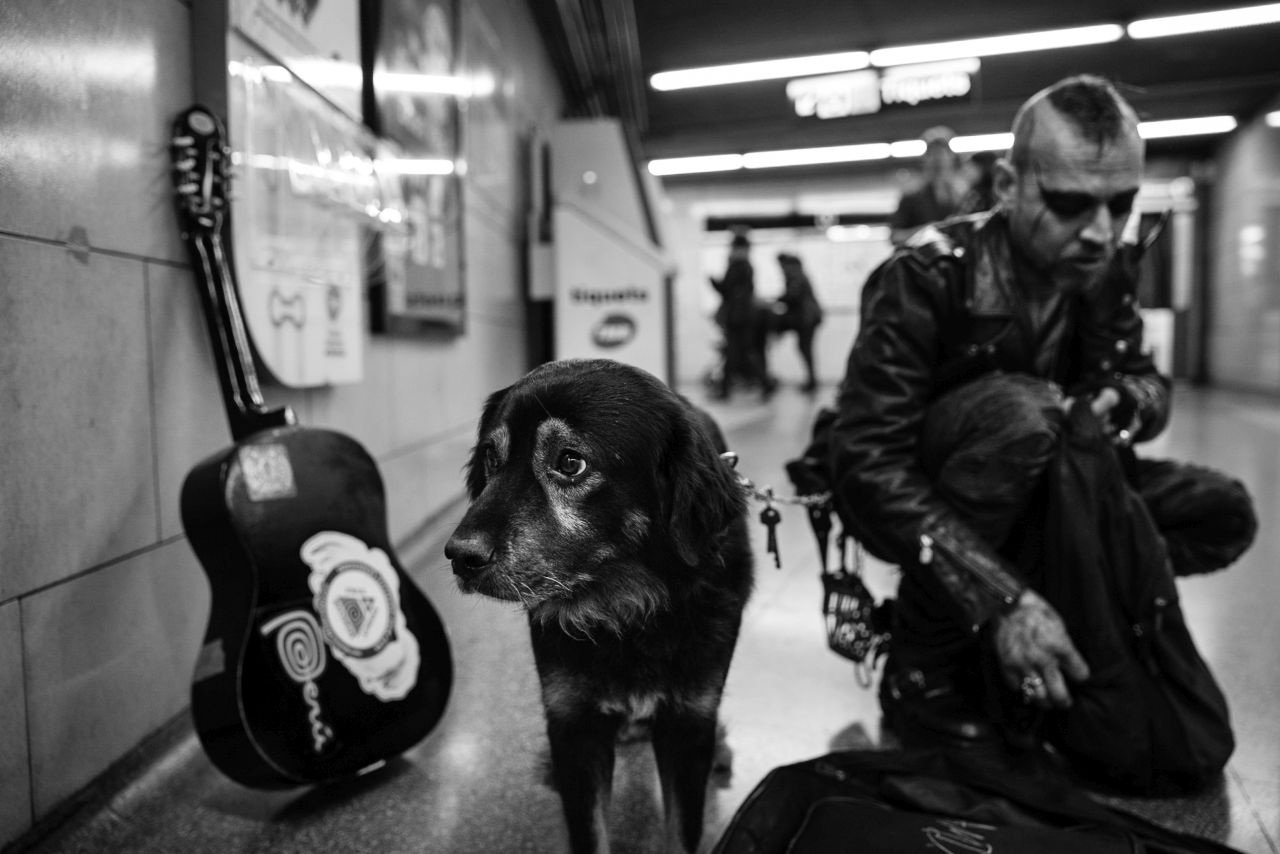
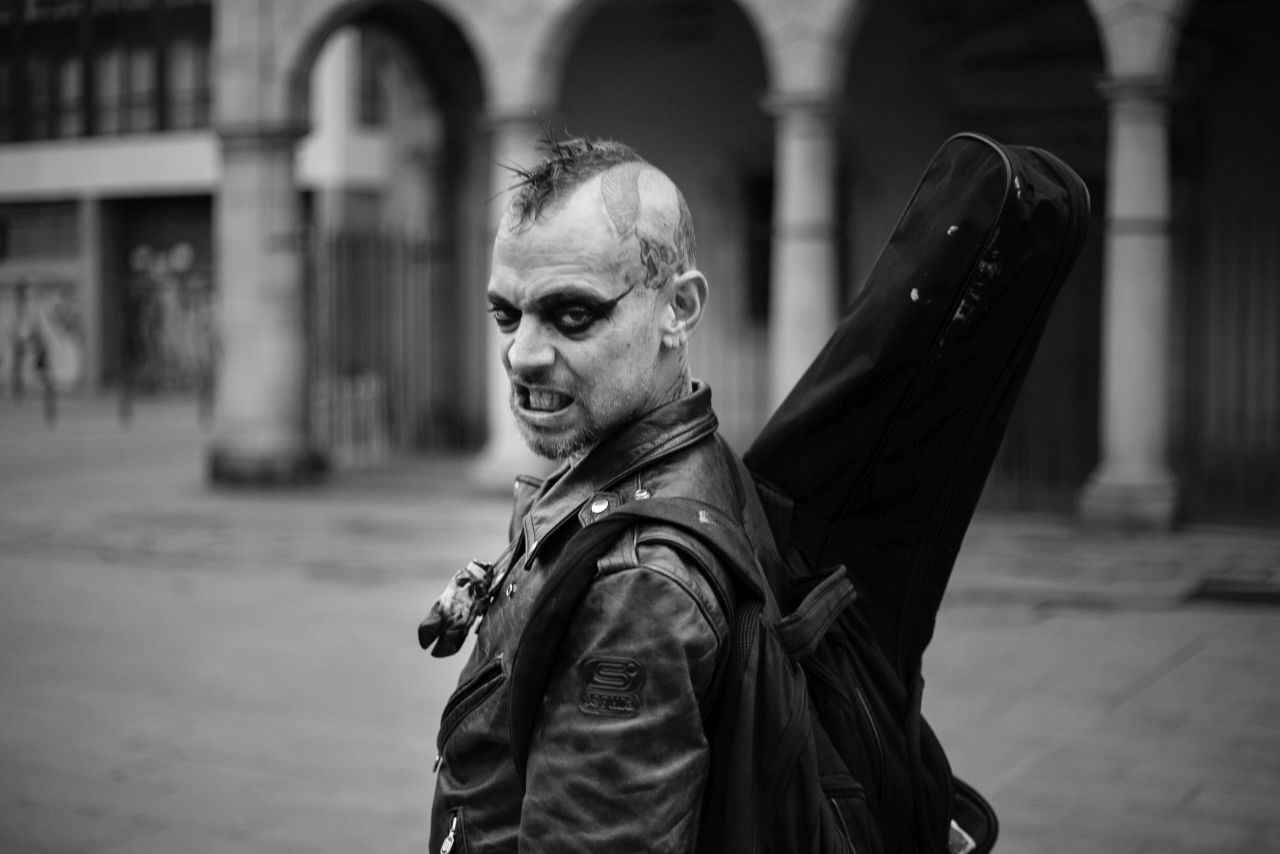
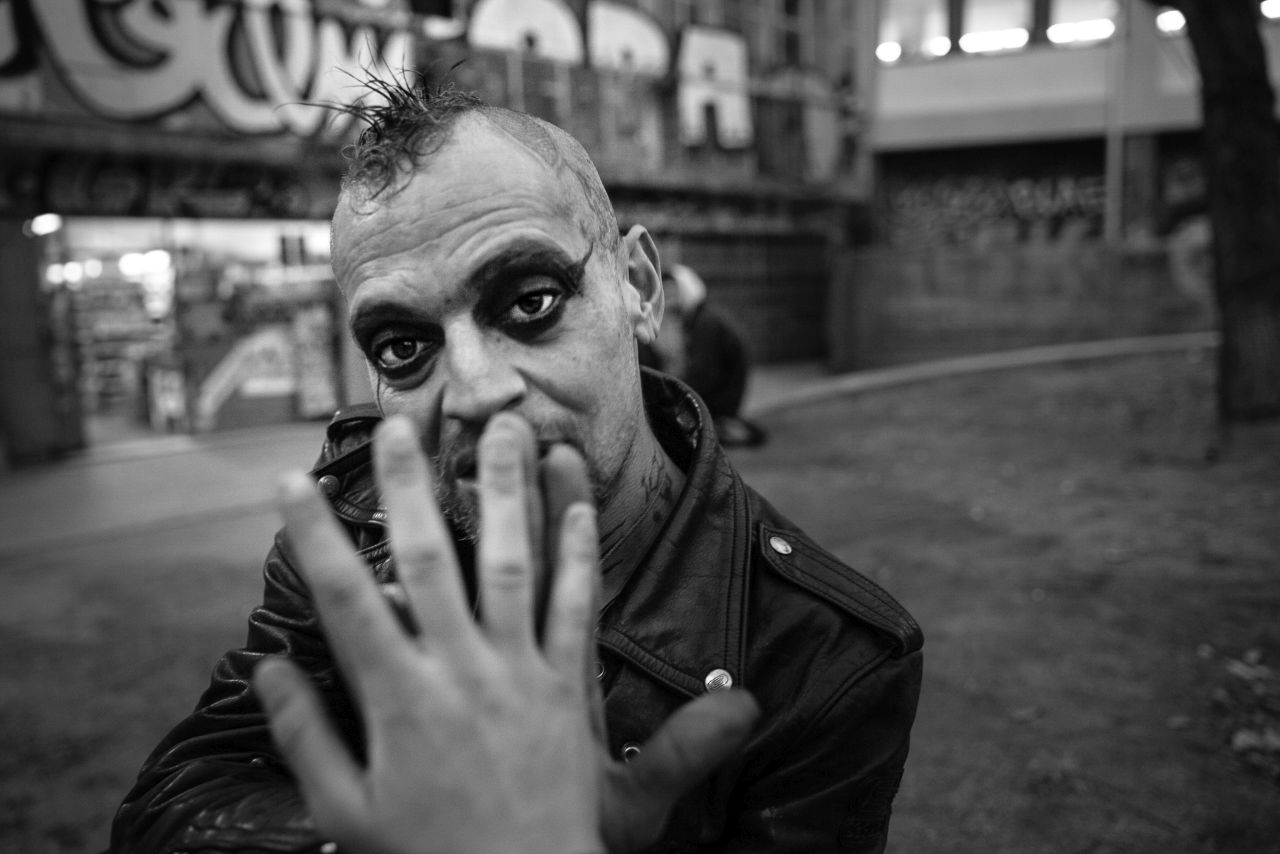
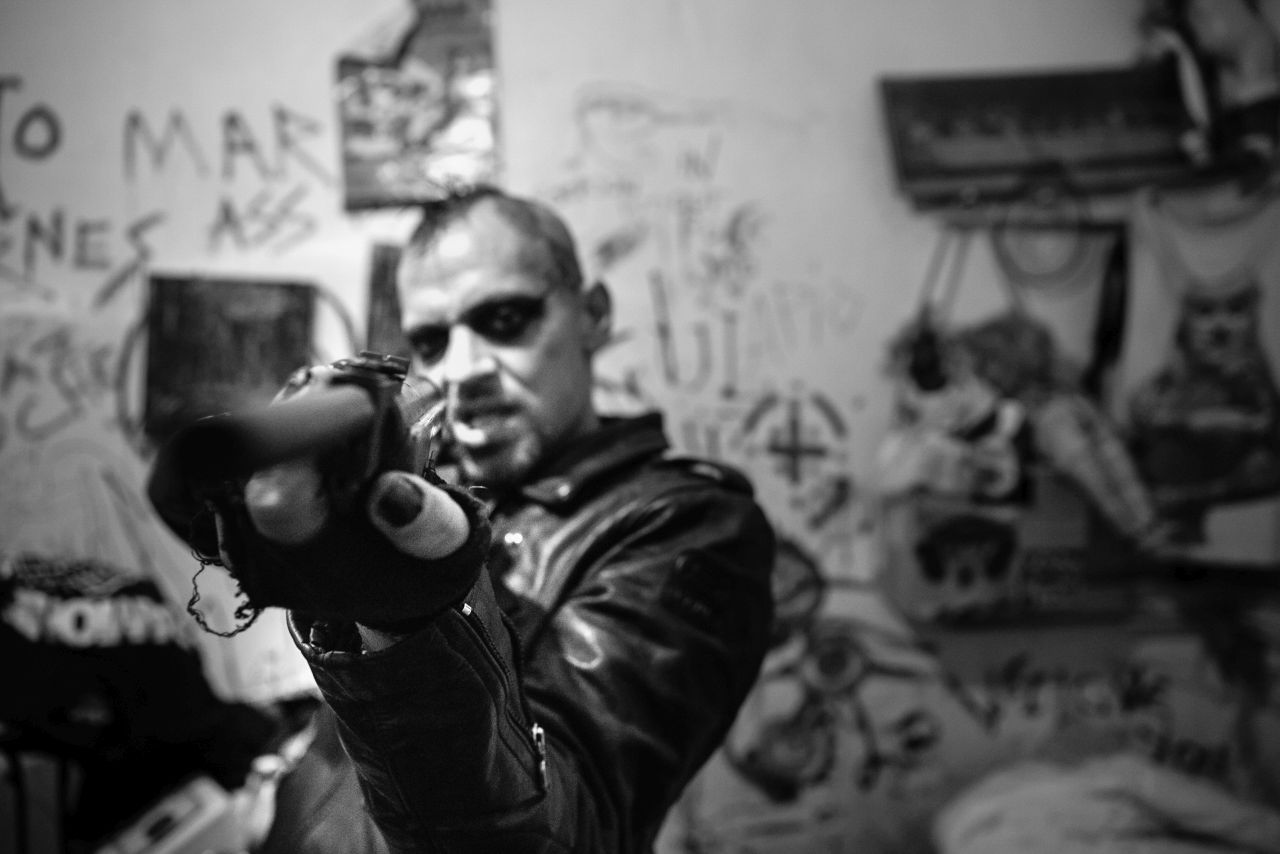
I met Leo in an alley in Barcelona. He was very cheerful and said ‘step into my galaxy’. I spent a day in his life, seeing where he sleeps, meeting his friend and going to his ‘work’. He plays music in the subway. And he is quite talented. At some point I suddenly understood clearly why people who live outside of society drink. It is because looks on people’s faces when they see someone who is different, is really hard after a while. In the picture you can see one of many examples.

Dallas

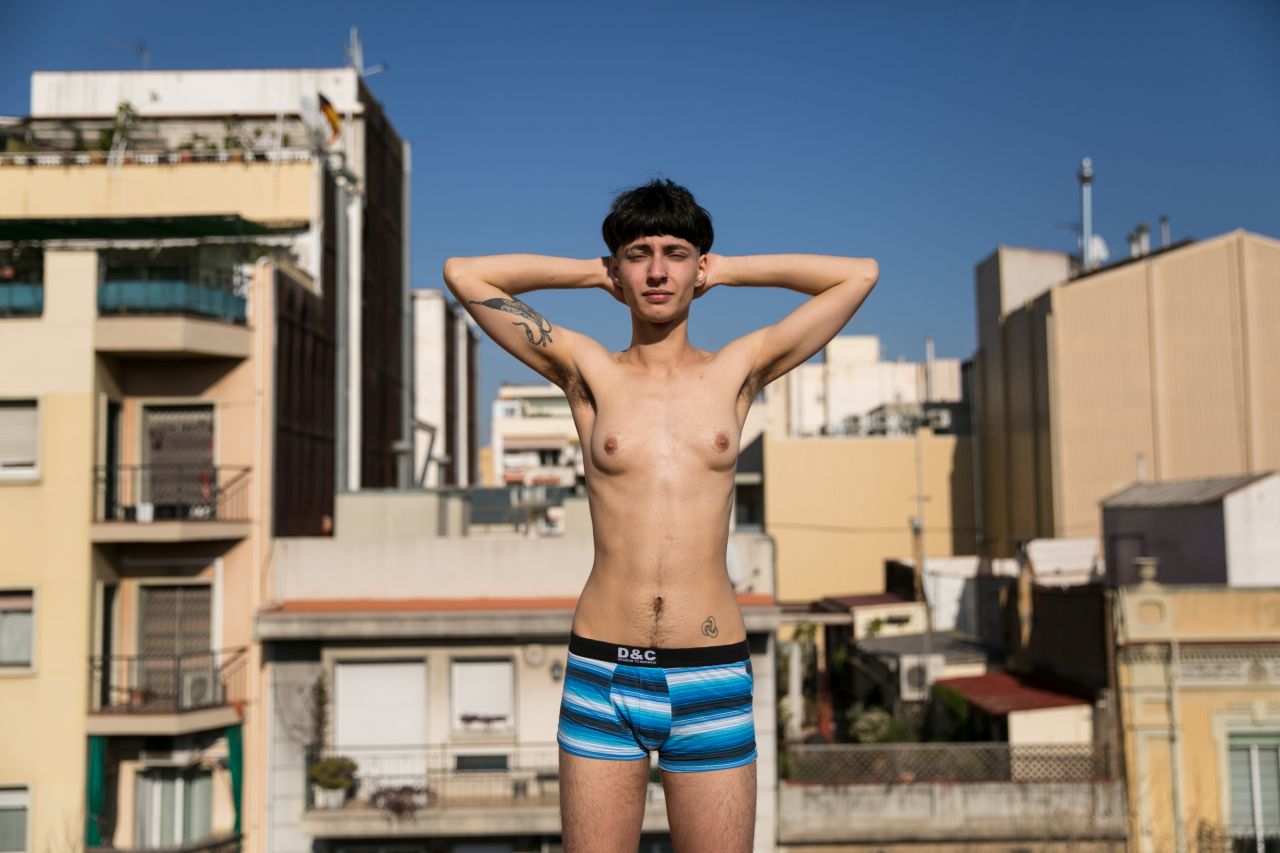
I met Dallas on a square in Barcelona. A year ago he started taking hormones, to transfer to the right sex. He always felt like a man, but looked like a woman. I was surprised because at first you don’t see it at all. ‘Photograph me’ he said, and I did. He felt so at peace with his body now, that I wish everyone could feel as comfortable with him or herself as Dallas. It was blissful to see.

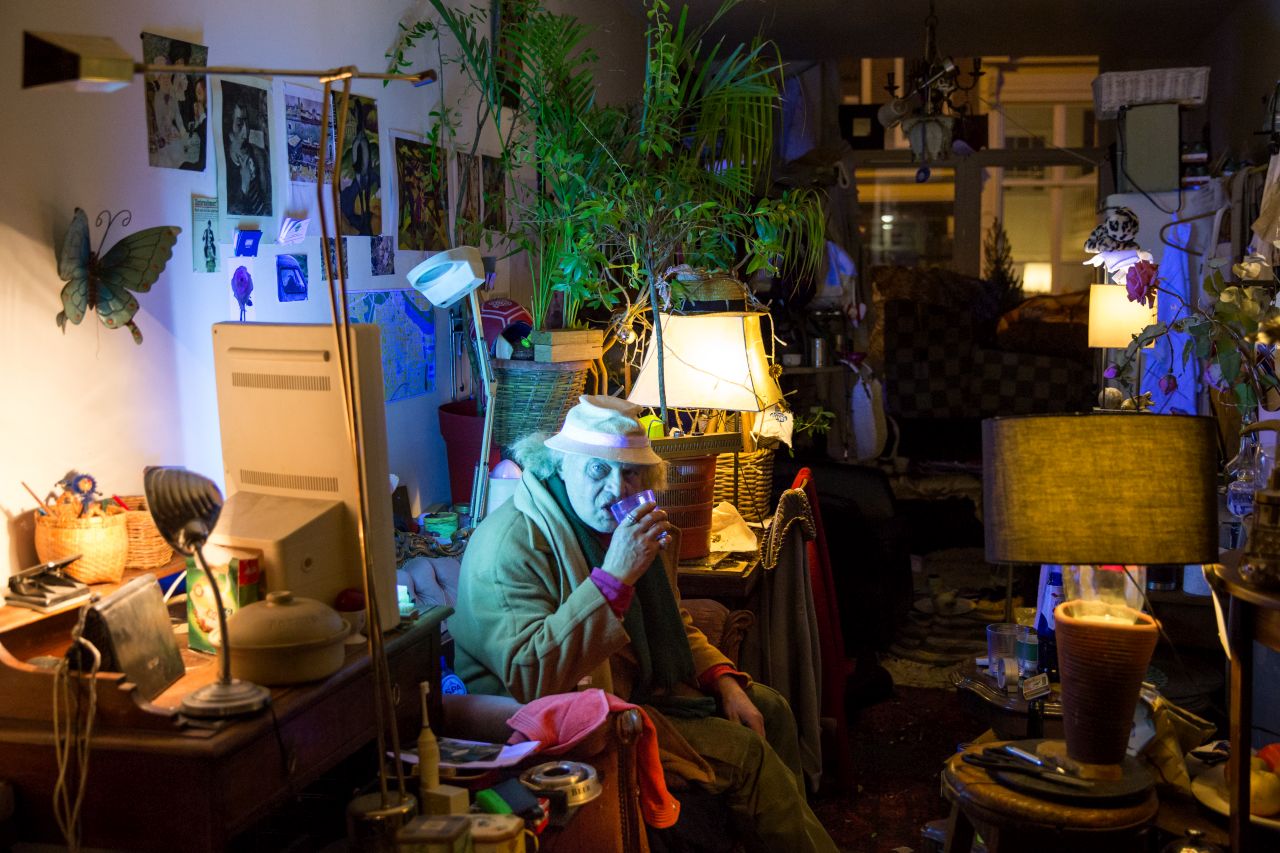
Ruurd

Ruurd was sitting in front of his house in Amsterdam when we met. We talked for two hours on his messy terrace on the street. I soon realized he is a hoarder. He proudly invited me in his house after our two hour talk and told me there is a little free space where we can walk through. I was amazed of how many things he has and how happy it makes him to collect it. After six hours together, I understood Ruurd is one of the most intelligent people I ever spoke with.

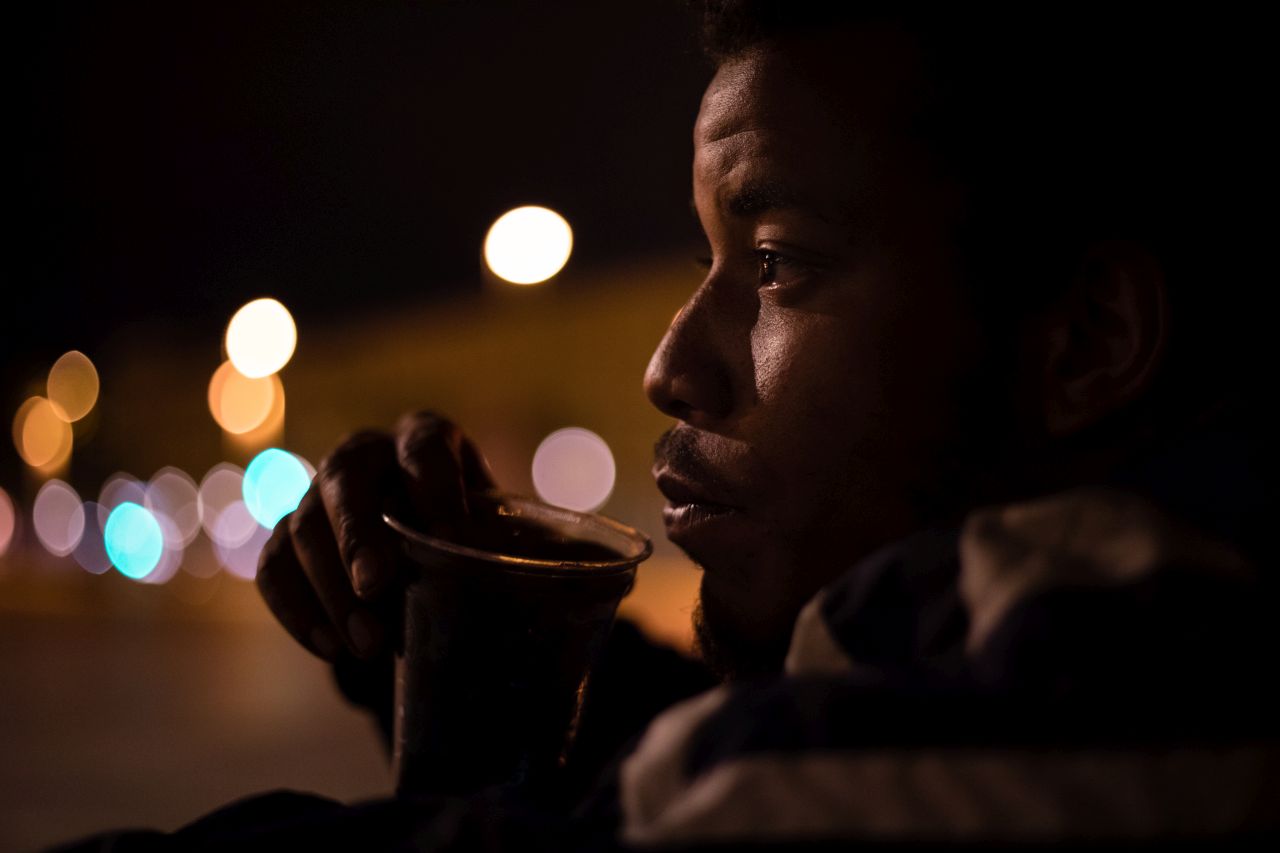
Safir

Safir was playing music on the streets when we started talking. He is only 23, but he can write a book about all the things that have happened already in his life. He is an example of child who had a loveless youth with no support or tenderness. He was born in Poland, went to Germany, France and now Spain. He is fluent in six languages and is very sensitive. We spent several days together. I took this picture at night of the first day we met. My hostel was fully booked and I wasn’t ready to sleep in the streets yet.

Right before we said good bye I photographed his face one more time. “I’m starting to like you photographing me”, he said “it doesn’t feel as if you are stealing my face”. A while before he told me it hurts sometimes so many people take his photograph on the streets without asking or without donating some money for his music.

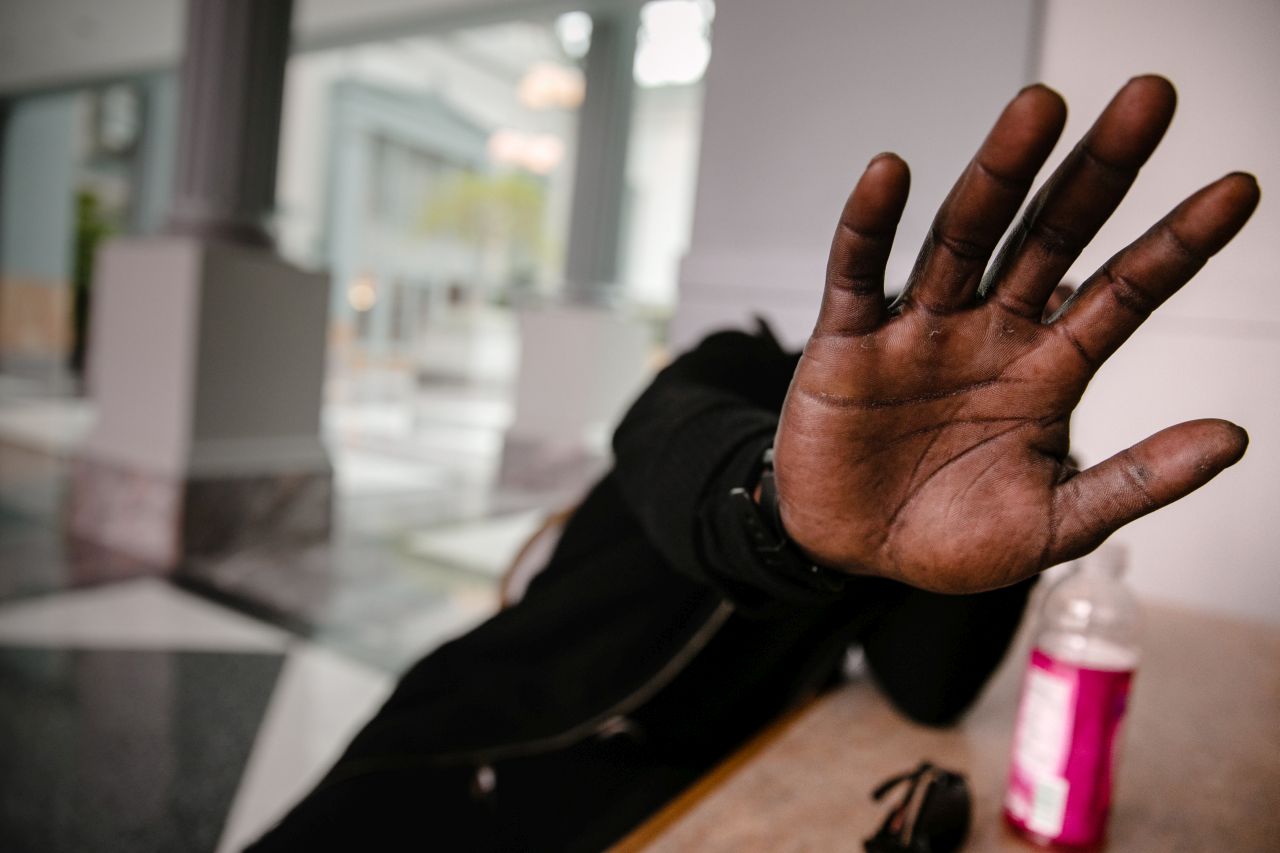
Dealer

When I was in Chicago at the Greyhound bus station, I met a drug dealer. We started talking and he said he would show me around town. We spent three hours together. He took me to the library. He told me he likes to read and write poems. It blew my mind to hear that from someone who deals drugs. That is where I understood we all have many layers. He told me so many things about his life which is why I couldn’t take a picture where I can recognize his face. So I photographer his hand in the library.

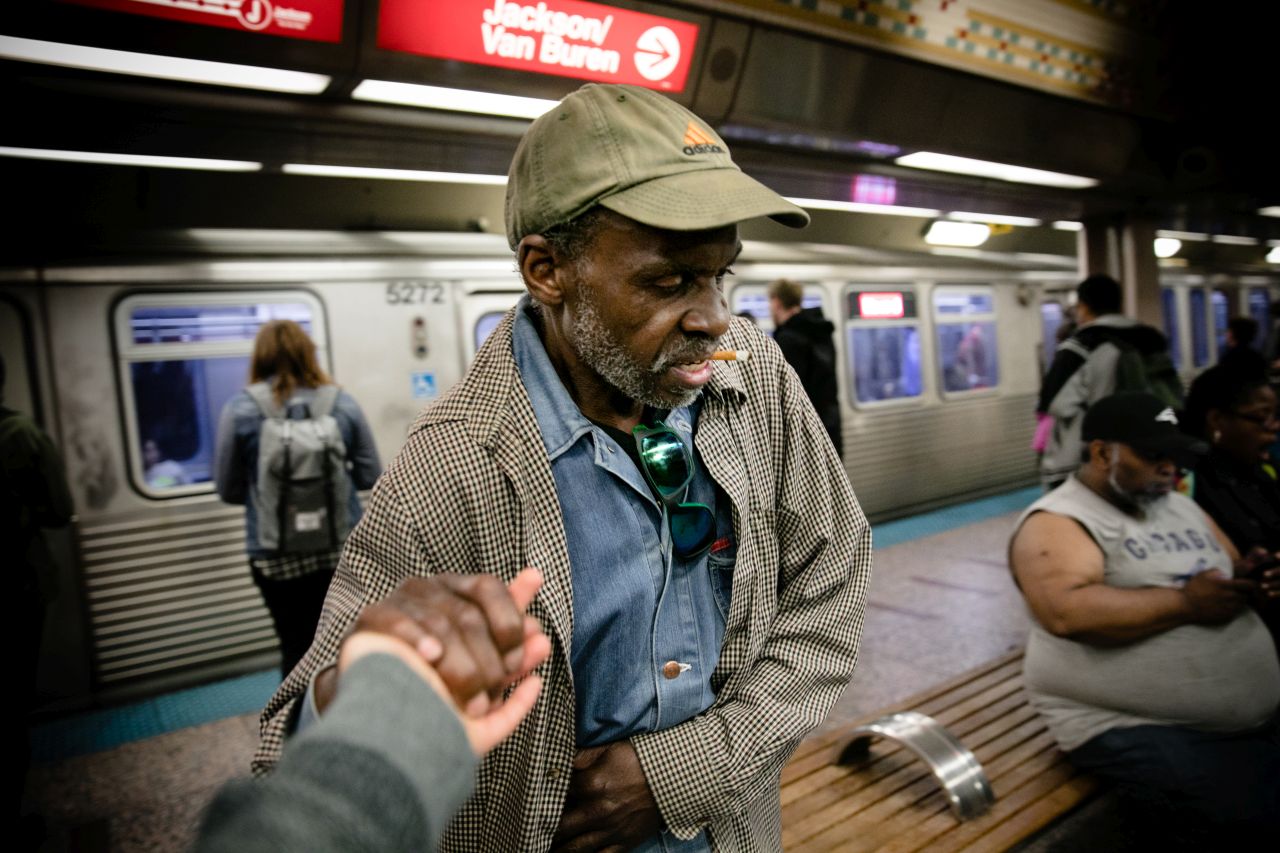
Jack

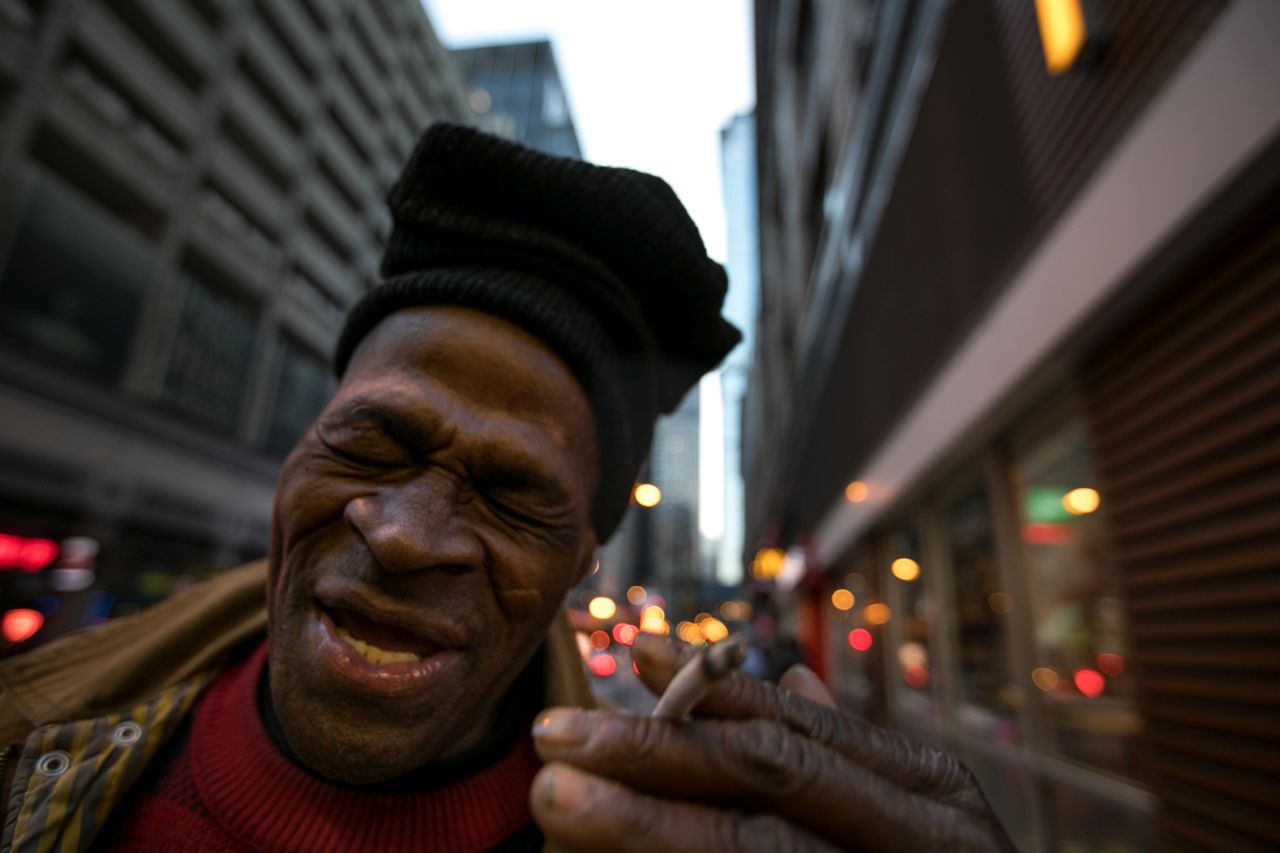
In the subway of Chicago there is a red line, Jackson is the most busy and populated stop. There is always a band playing. This homeless man, named Jack, was there when I was there. He asked me to dance and I must say he was amazing in leading. He was joyful and I felt as if I was at a festival of love.

Unknown

I never asked for his name, we spent 15 minutes together. But a lot happend. This homeless man all of a sudden started singing for me. It was a great performance. When he finished I realized I had no money on me, so I couldn’t give him anything. “It’s okay, but can I get a hug?” “Of course”, I said. We hugged.

Across the street I saw a super market. I asked him if I could get him some food and drinks. We went together. When we got out, I notices he also had two other things under his jacket, which he stole. I understood, even though he didn’t want to admit it. A homeless friend tried to get into our conversation to see if he could get some too. But he sent him away. I think it is hard to make real friends on the street. Sharing, sometimes is losing too much…

Ghost woman

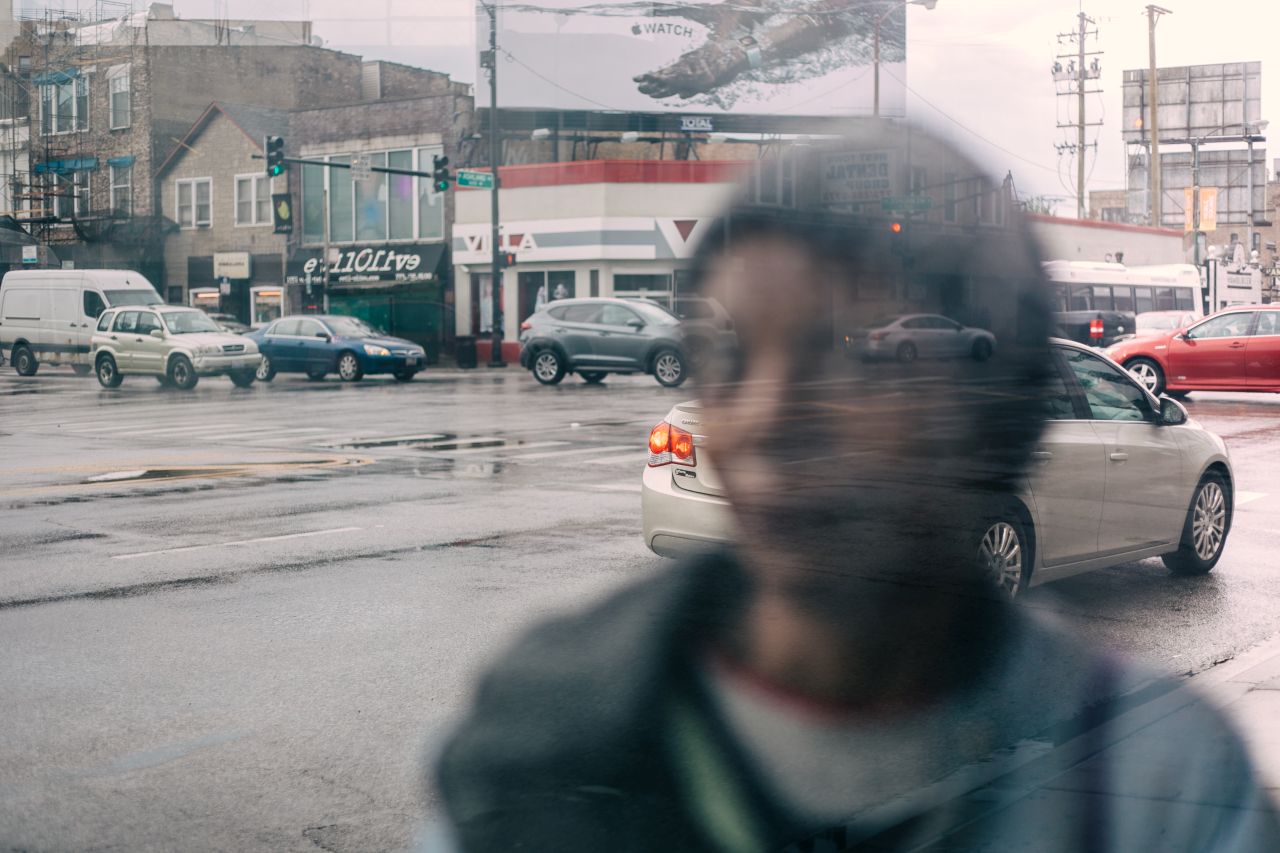
In the streets of Chicago I saw this woman wondering. She clearly was homeless, but she wore red lipstick and her hair was nice. She kept her proud, I guess. When I asked her if I could take her picture, she said yes, even though she couldn’t really understand why I would want to photograph her. I don’t think she realized her own beauty. I took 3 pictures. The third picture was this one. A weird one. She is standing behind the glass of a bus stop and I’m on the other side. You can see right through her. I love this picture because it reflects how people look at people who live on the streets. They see them, but they don’t.

Jezus

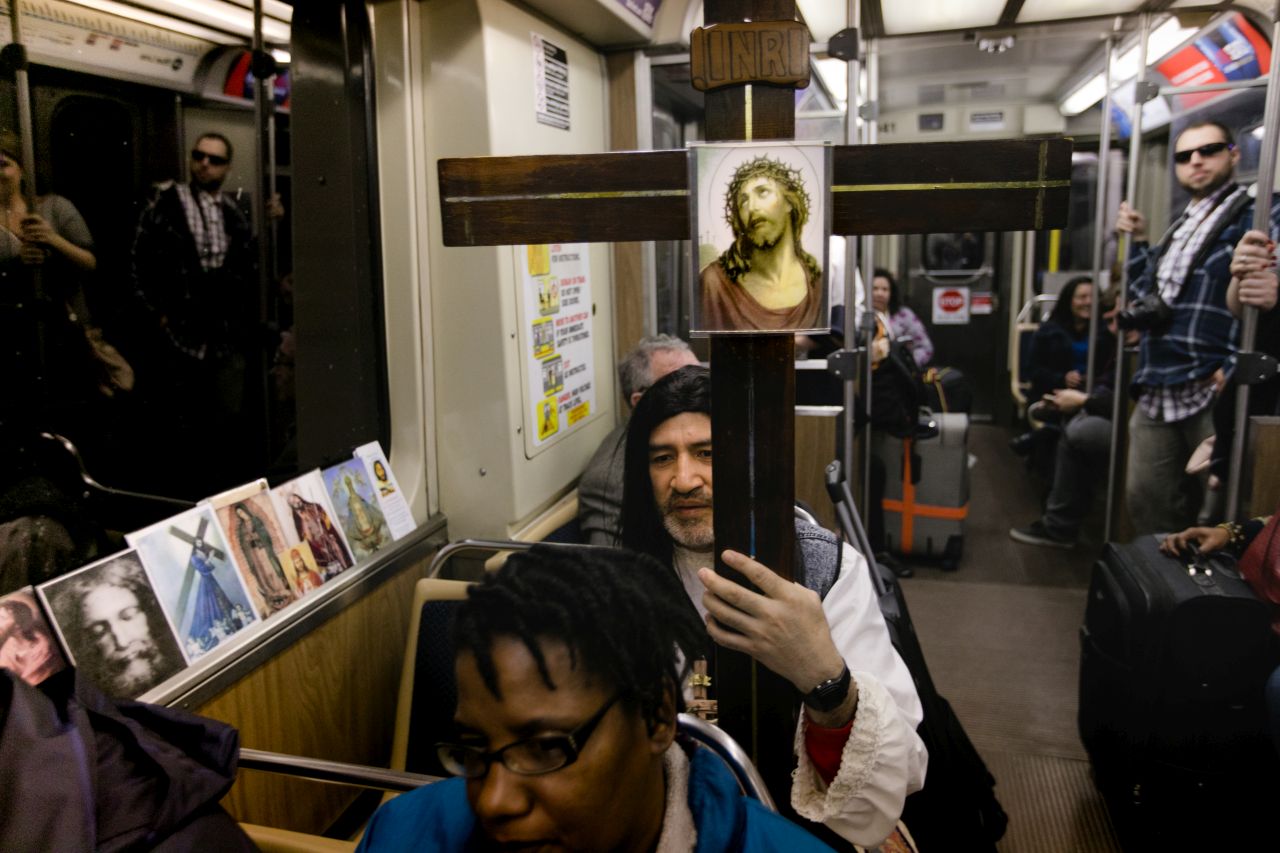
On the blue line in Chicago I met Jezus. After our talk he said nobody ever speaks to him because he thinks people are afraid. He told me he originally is from Mexico, but his parents died. He has a grocery shop in Chicago and on his free days he rides the train in the name of Jezus. It makes him feel safe.

Roger

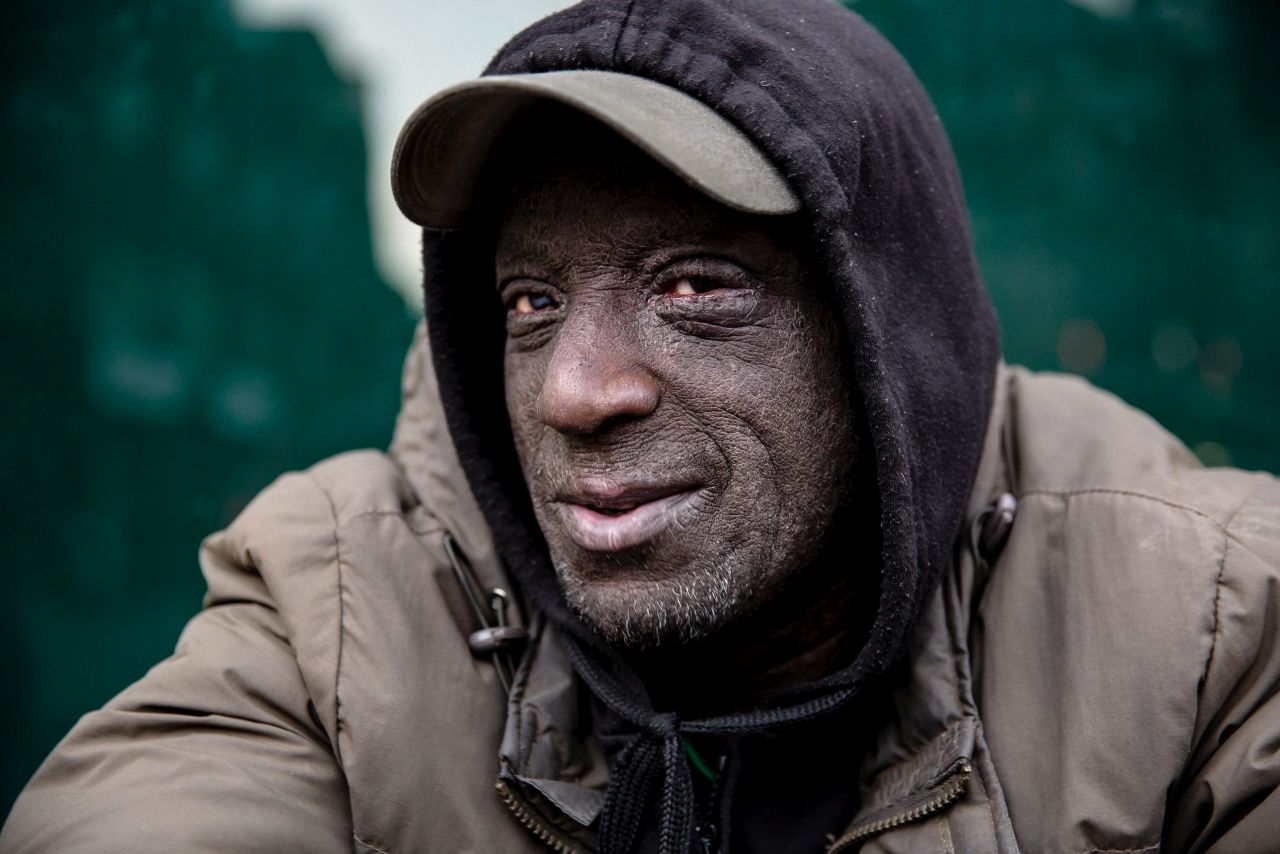
This man has a very interesting face. I met him when he was sitting on the streets in Londen. We started talking and ended up staying together for three hours. He told me about his life, about his daughters, his own youth. About his shame, about his future. He lived on the streets for only two months and to get into certain homeless shelters, you have to prove your time on the streets.

When we said good bye I asked him how much money he needs. He said “angel, I don’t want your money, this talk we had was priceless and I am grateful for that. Can I get a hug?” We hugged and said good bye. I gave him 15 pounds to go to a shelter with a bathroom. I realized living on the streets is not only hard because of the lack of money. The lack of conversations and human contact is the hardest part.

Where can we find more of your work?

You can find me on instagram or on my website: sofiegheysens.com

Thanks Sofie!

The robotic predictability of London life

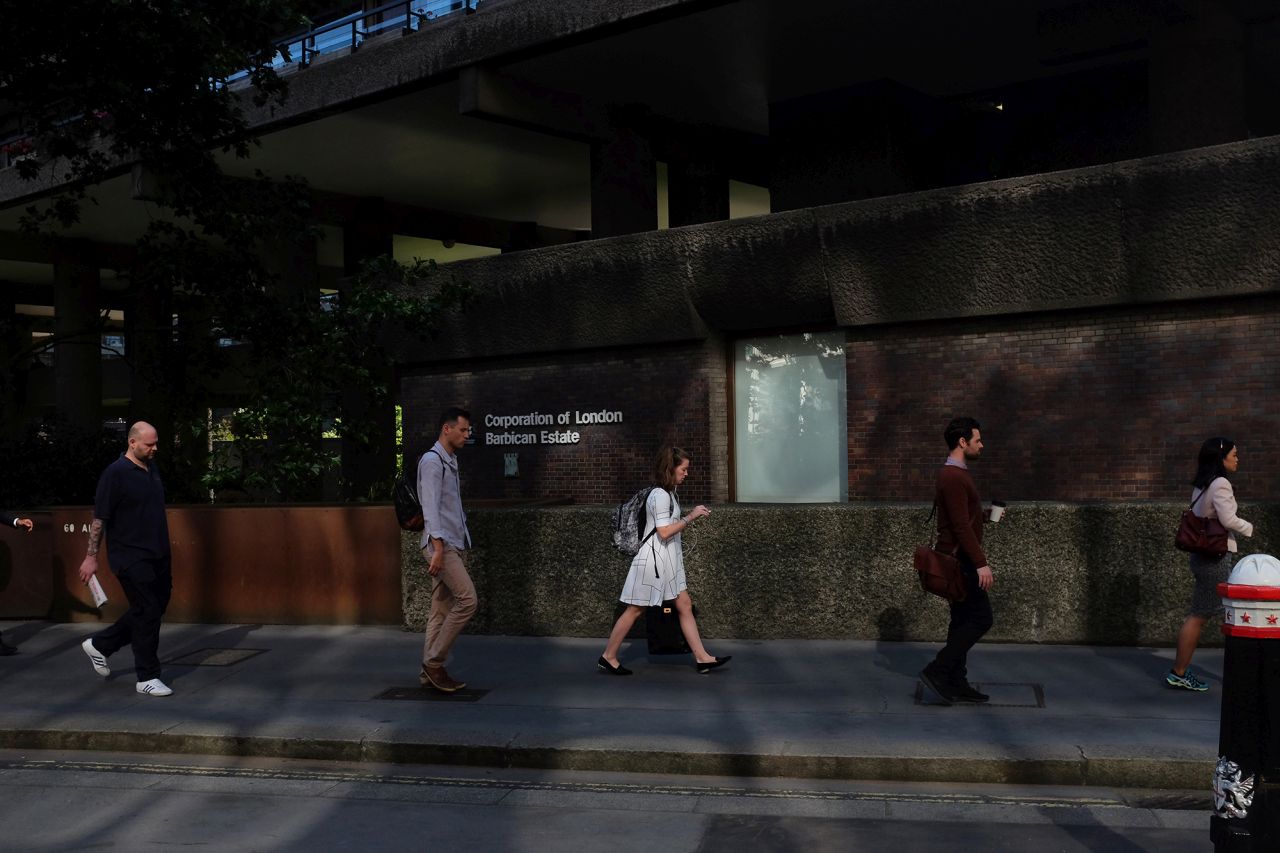
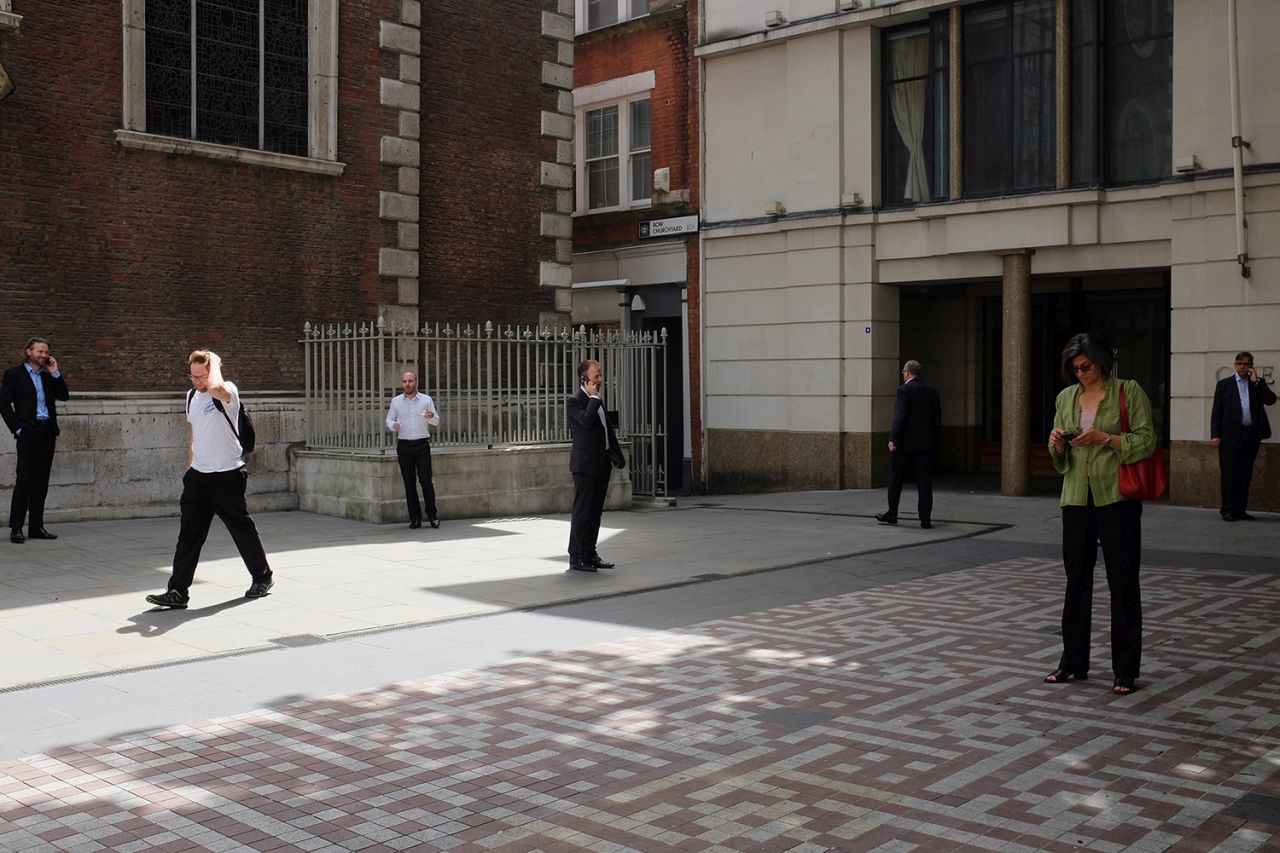
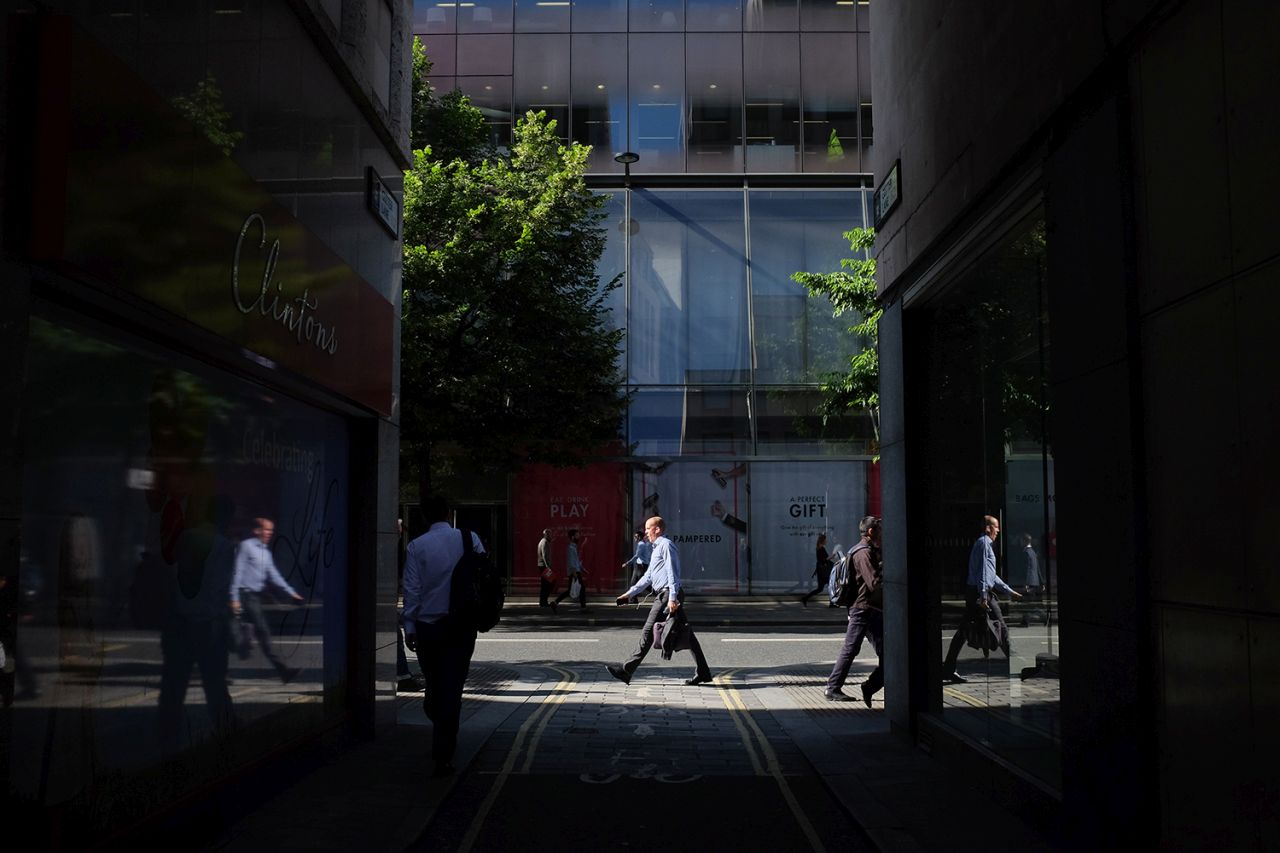
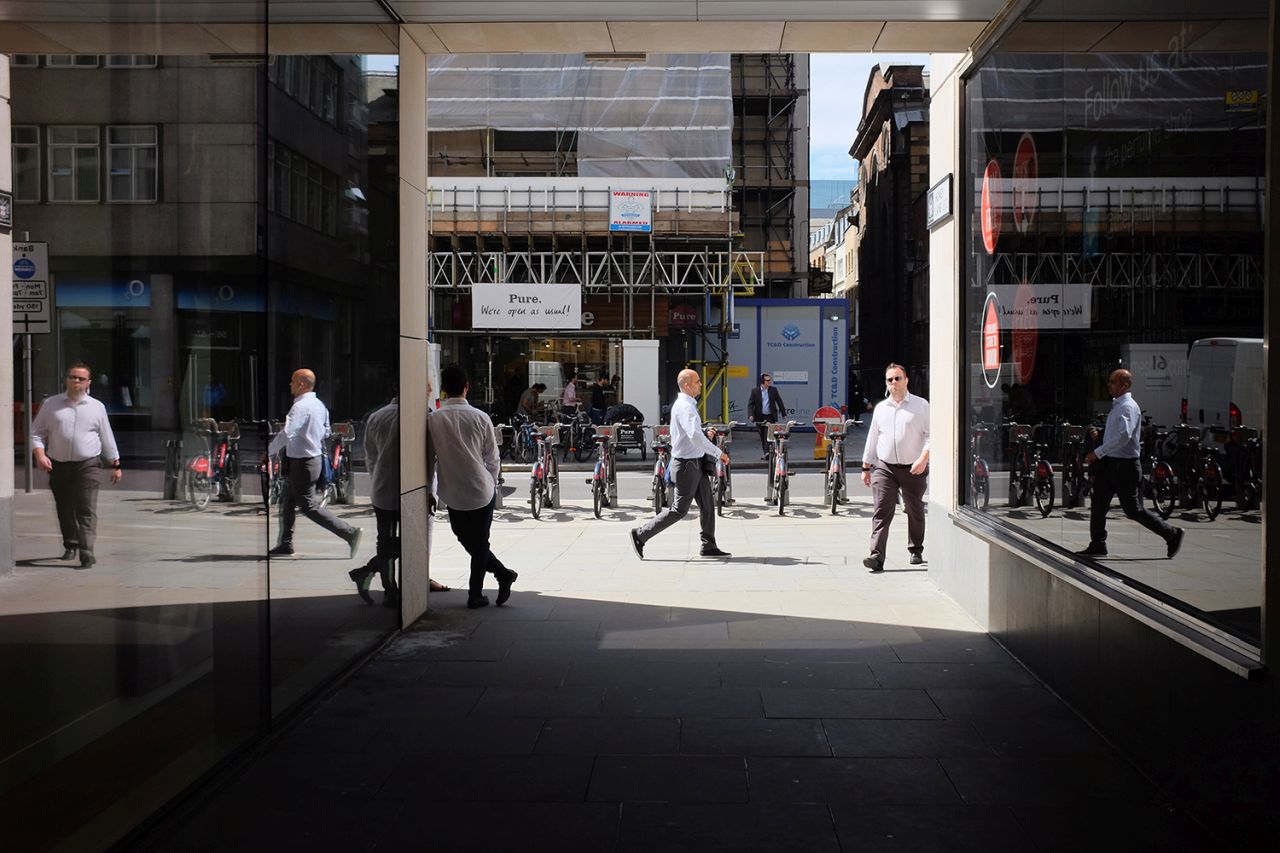
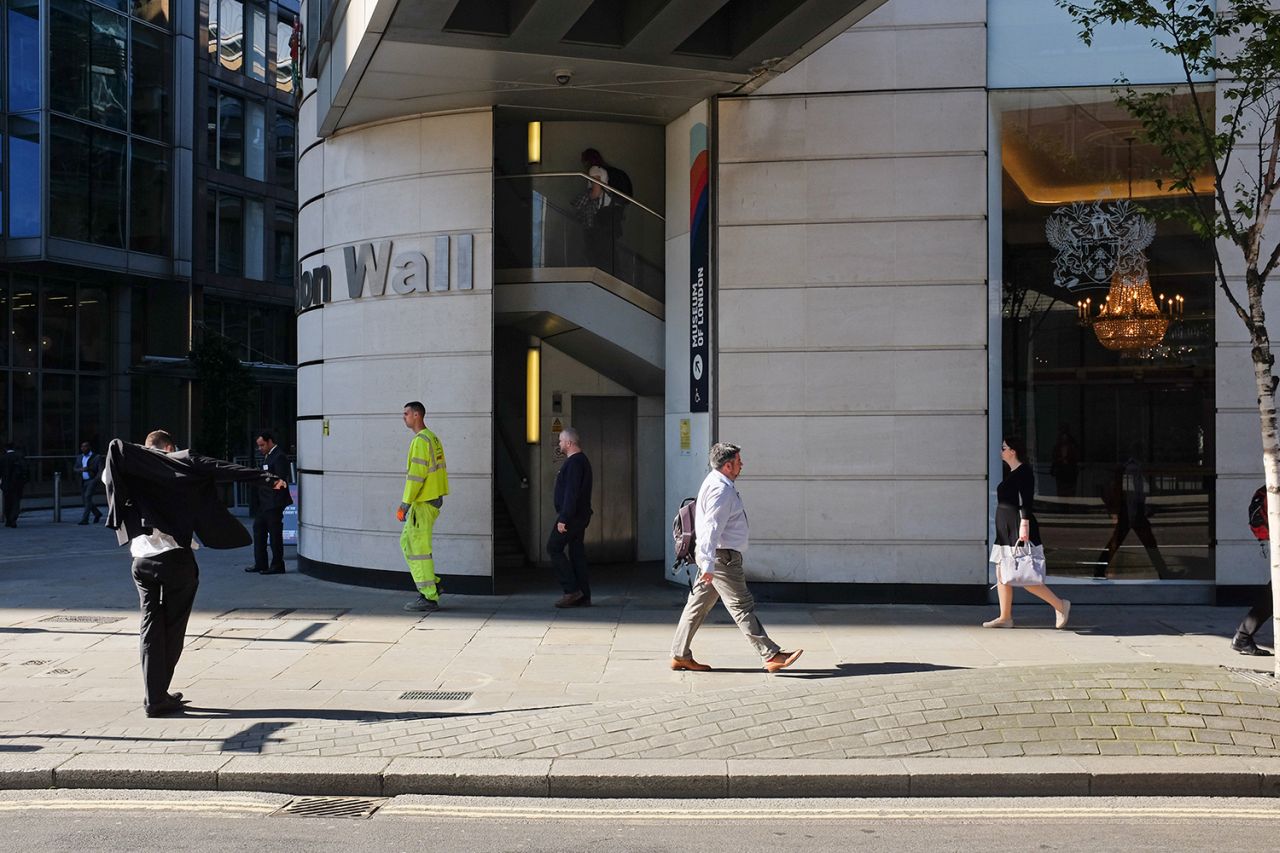
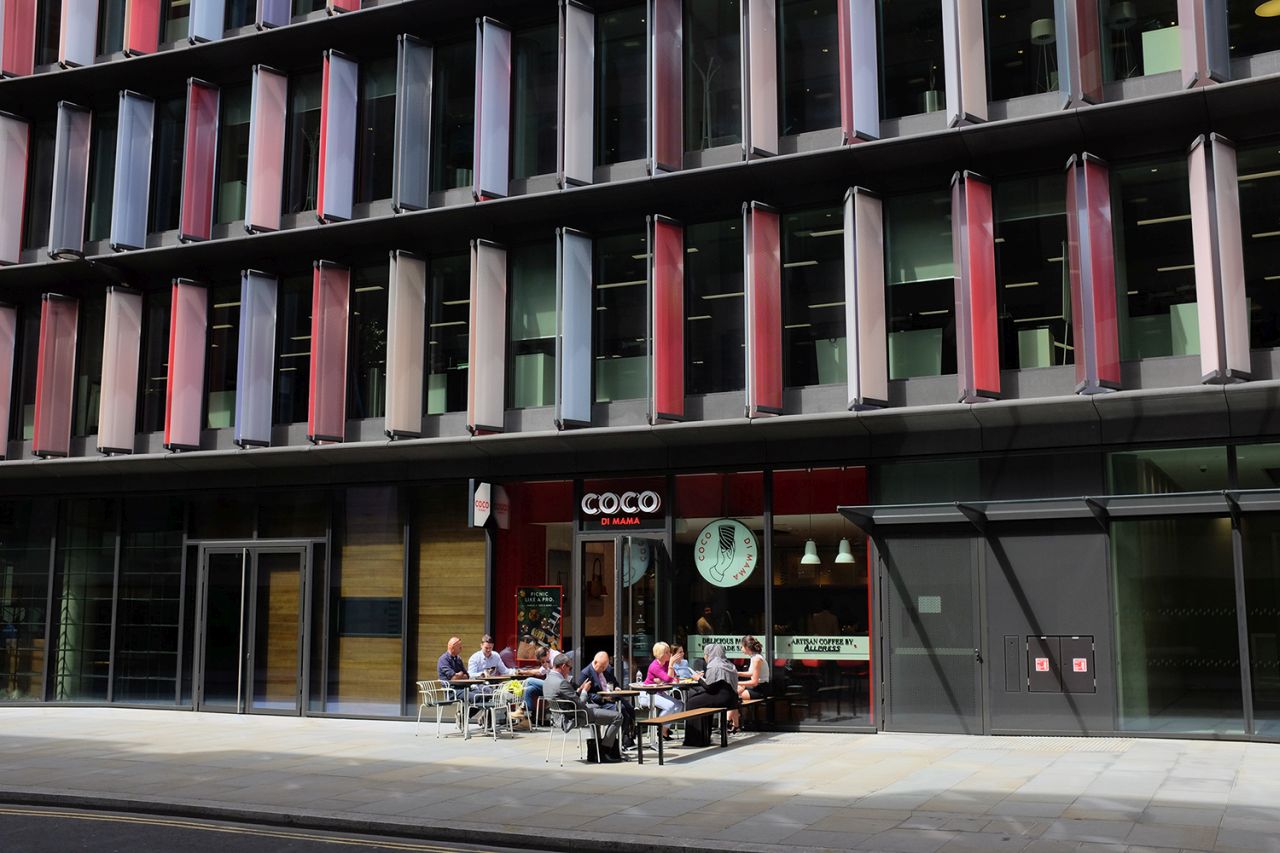
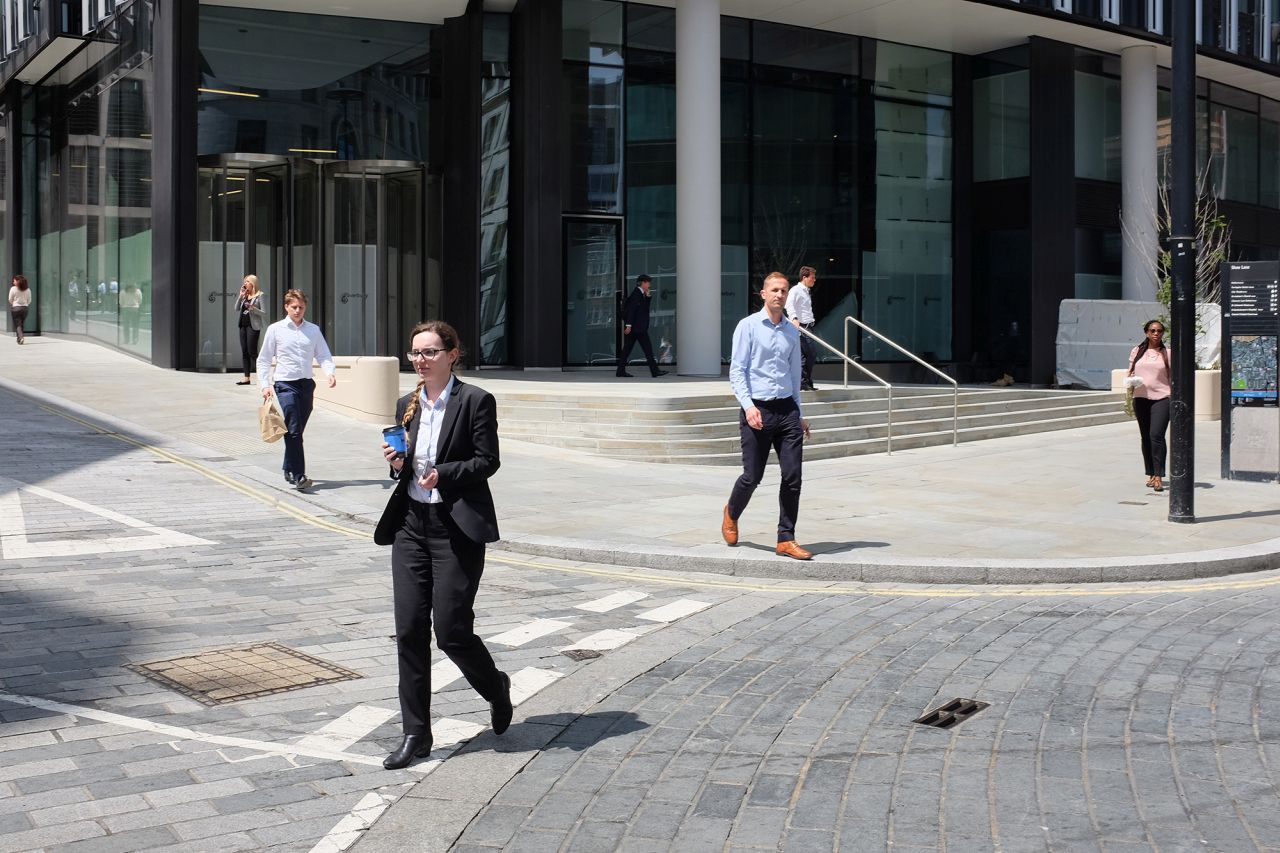
Streetmax21 captures the robotic predictability of life in the city of London, made strangely seductive by the formality of its inhabitants.

Streetmax, please introduce yourself briefly.

I’ve taken photographs most of my life. I used to be an architectural photographer, shooting large and medium format film for clients. I’ve also done some press photography.

What is your motivation to photograph on the streets?

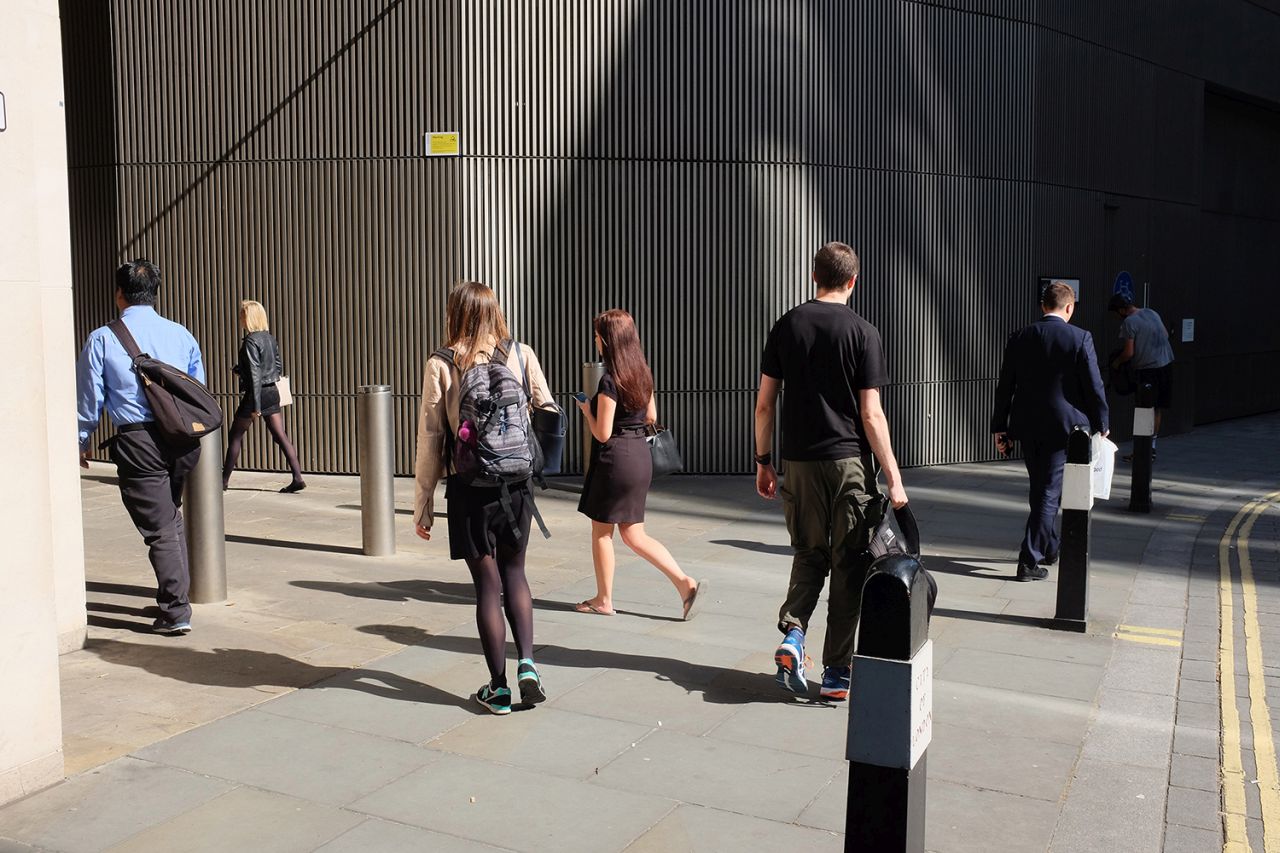
After the crash, my business tailed off, but that gave me the opportunity to shed the heavy kit and revel in the freedom to roam with just a handheld and obviously much lighter camera. It dawned on me slowly, that I might be doing street photography! Since that time, the bulk of my work has been shot in or around the City of London where I’ve lived for nearly twenty years. The City is the richest borough in the world surrounded by some of the poorest boroughs in Europe. There’s a kind of robotic predictability to life there; an unreality that is underlined and made strangely seductive by the formality of its inhabitants, the sandy limestone and other imported materials that give it its neutral and corporate feel, and the light which is often flat.

You like to shoot street scenes that almost look posed. How did that particular idea and style come about?

It’s quite hard to pinpoint. They’re not posed, of course, but I accept that people have described the figures as looking like replicants, which is perhaps a bit strong, or cyphers. I like the idea they appear like this.

Around 2009, I’d bought my first Nikon DSLR and begun experimenting with it. Almost by accident, I’d shot a couple of frames containing several figures where there was a direct line from the viewer to the whole of each figure. I didn’t pay much attention at first but gradually became excited by the fact that I couldn’t find anyone else shooting entirely in this way. I’ve always had the photorealist paintings of Howard Kanovitz in mind, and there are photographers like Pelle Cass and Peter Funch who have made images where there is a similar distribution of figures across the frame, but they’ve used digital composite techniques to achieve this. So far, I’ve shot in real time. Getting consistency and enough product is a difficult thing to do however, and I have a high failure rate.

Photos © Streetmax21

What is your approach when developing such scenes?

I try to choose architectural backgrounds against which I can display separated figures, distributing or choreographing them across the frame. The architecture becomes almost a non-referential space, incidental to a scene or situation that may or may not evolve within it. Also, I tend to look for sites or places where people pass through without congregating.

To begin with, if there is one figure or two or more figures who are positioned apart, I’ll wait until they’re joined by others in the hope that they’ll create a spatial and enigmatic dialogue. Often these isolated figures don’t have to be interesting in themselves, so long as they create a narrative tension with others. It’s important that there is an element of movement from the figures. Everything must appear to be changing and in flux at the same time as retaining a spatial integrity.

What are your future plans or projects?

I have ambitious ideas and plans to develop this strand of work. I can see lots of scope for introducing digital tools alongside other media. It’s unlikely to be street photography in the strictest sense but it will have its roots there. I like the idea of constructing and/or corrupting the narrative, and imagery needn’t be limited to photography alone. Commenting or having a discourse on the information age would seem to be a valid concern. Personal connections, or the lack of them, could be scrutinized in specific social communities affected by the confluence of social media and their carrier devices.

Where can we find more of your work?

I have not dissimilar streams on 500px, LensCulture and UrbanPicnic. I really should find the time to create my own website.

Thanks Streetmax!

2017 Contest winners and finalists

So here there are. The winners and finalists from this years Urban Street Diving Contest in cooperation with RAW Streetphoto Gallery Rotterdam. 


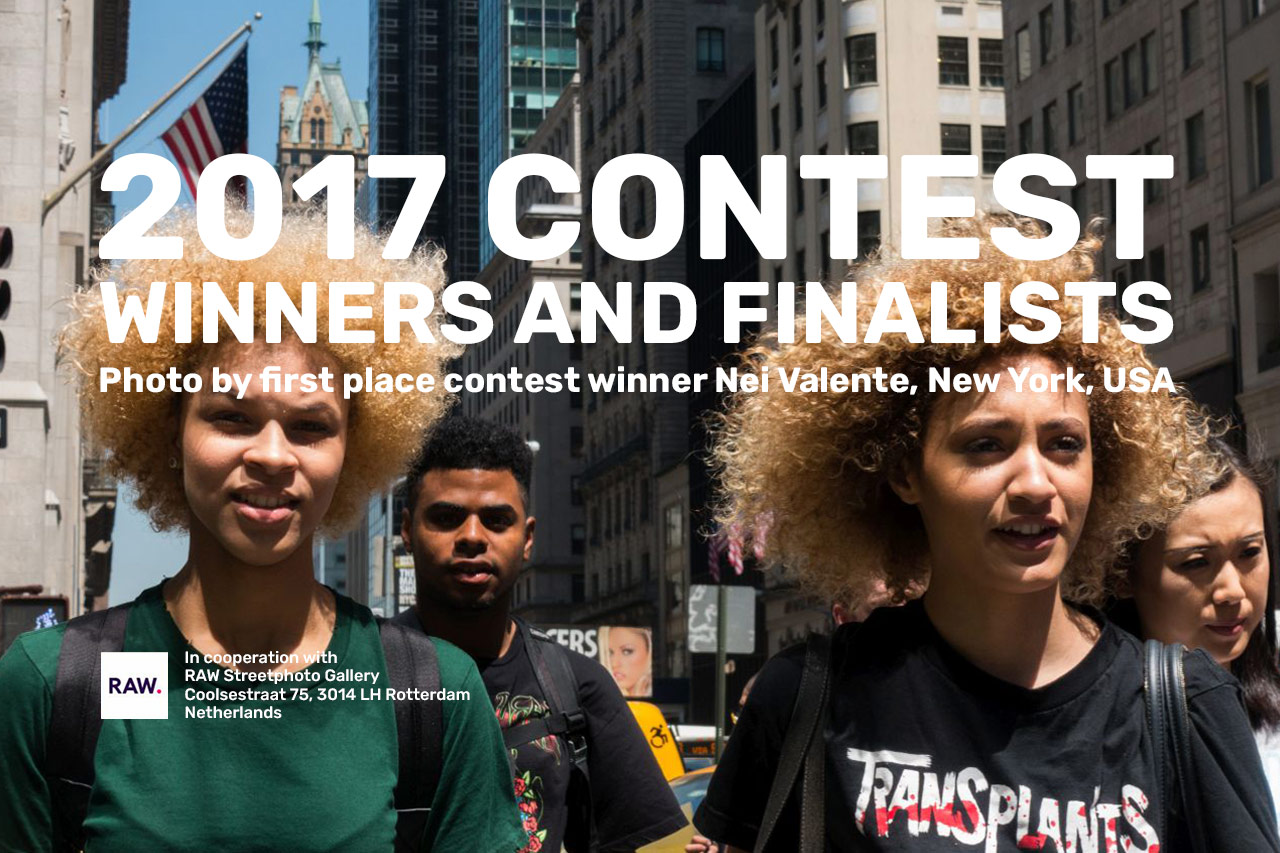
1st Nei Valente (New York, USA)

Nei Valente is a 27 year old Brazilian street photographer and graphic designer currently living in NYC. He believes that photography is a great way to register culture and social contexts, or at least part of it. He always tries to make his shots tell a story and often supports them with a concrete narrative depending on the series. He started shooting street photography last year, as exploring the city for hours was already part of his routine.

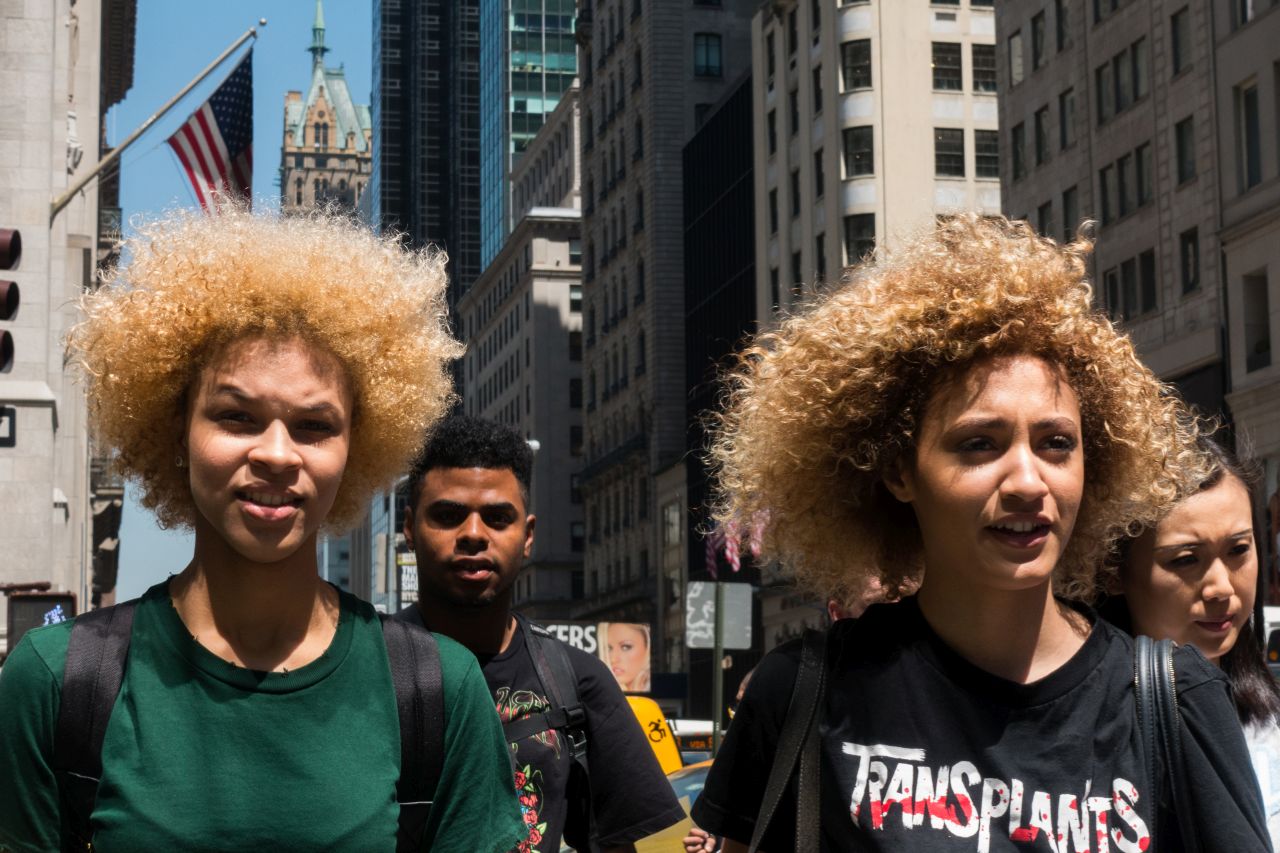
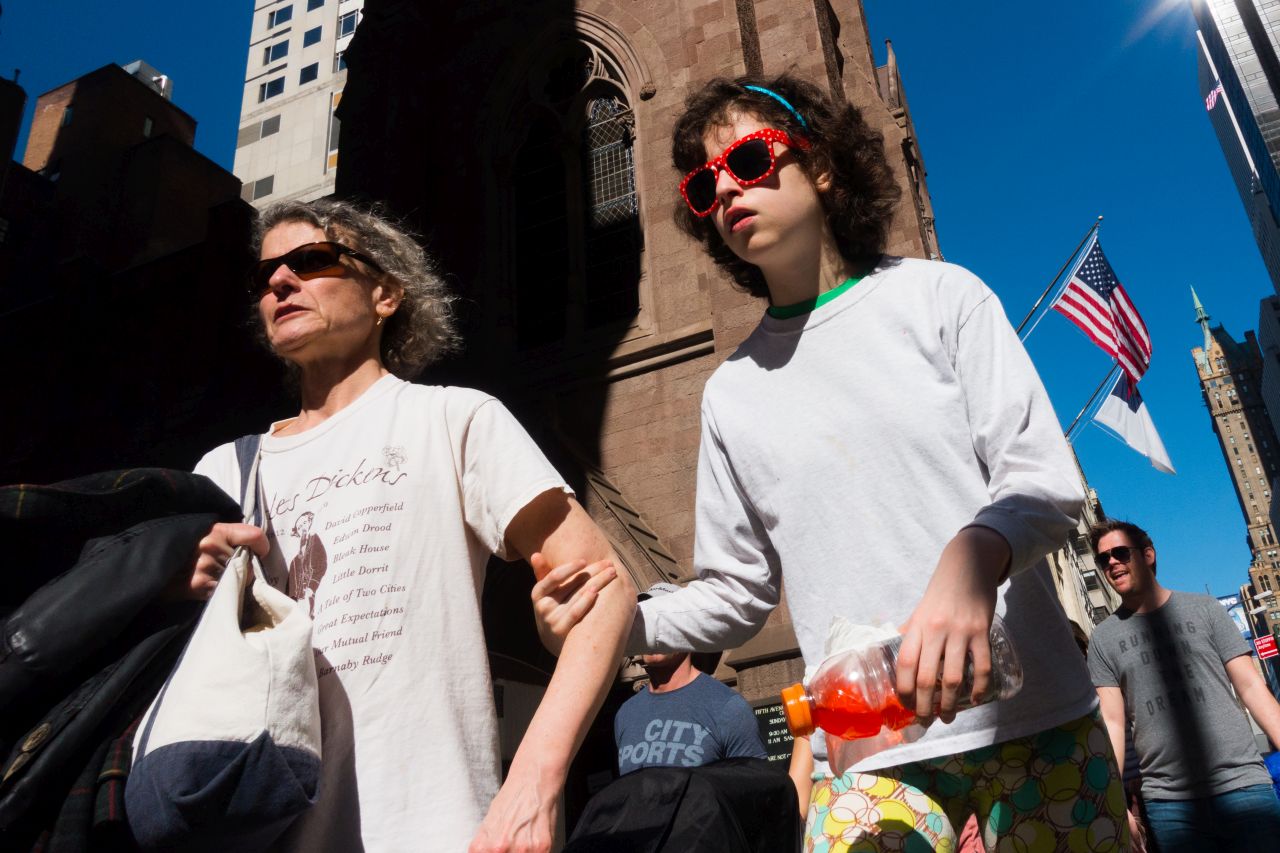
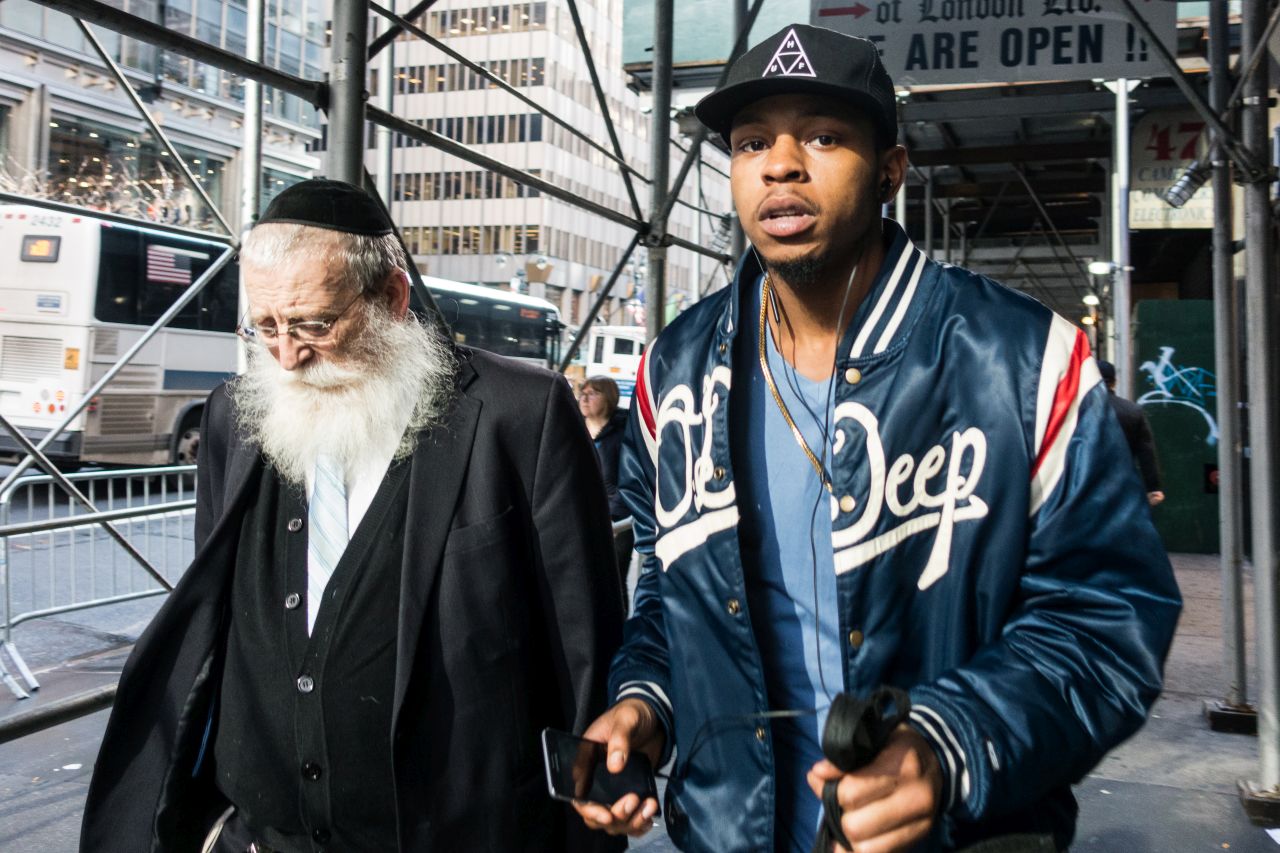
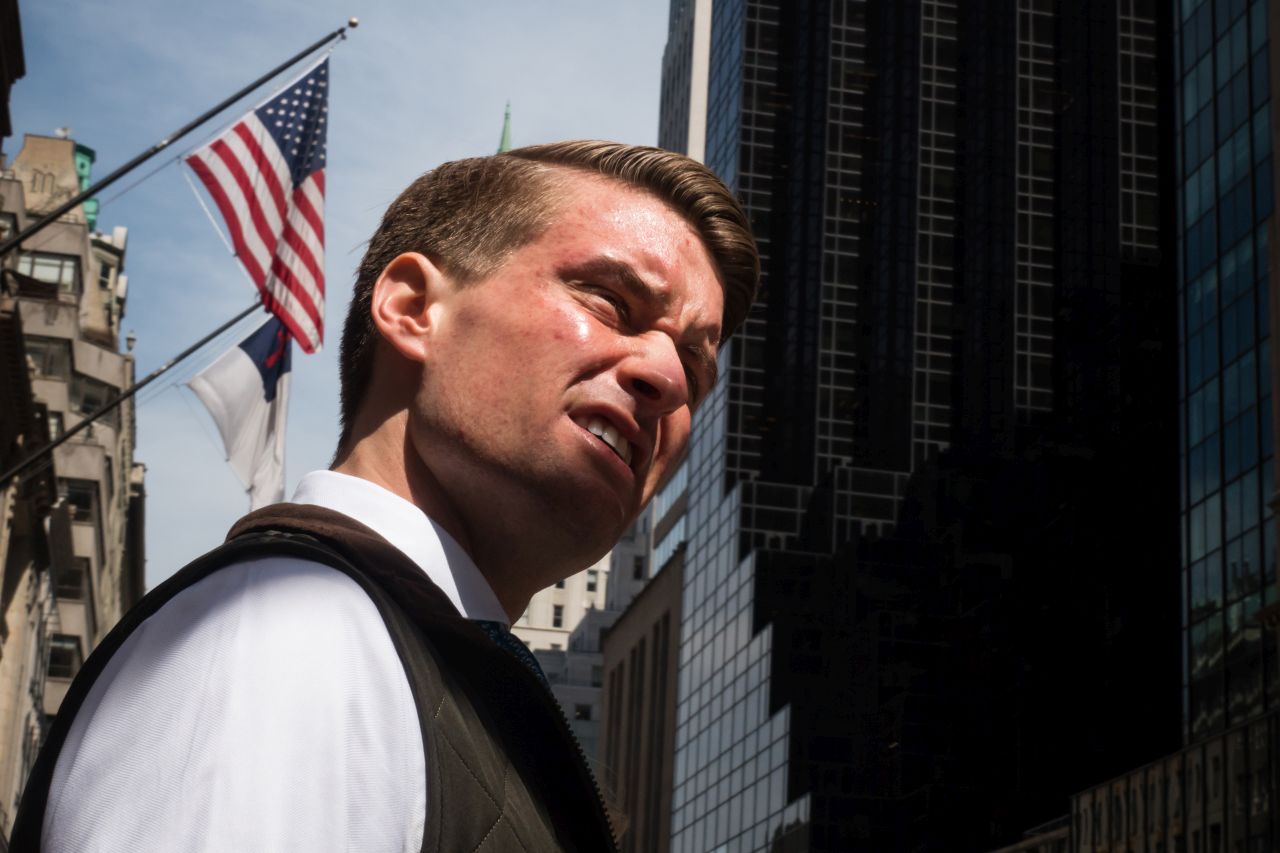
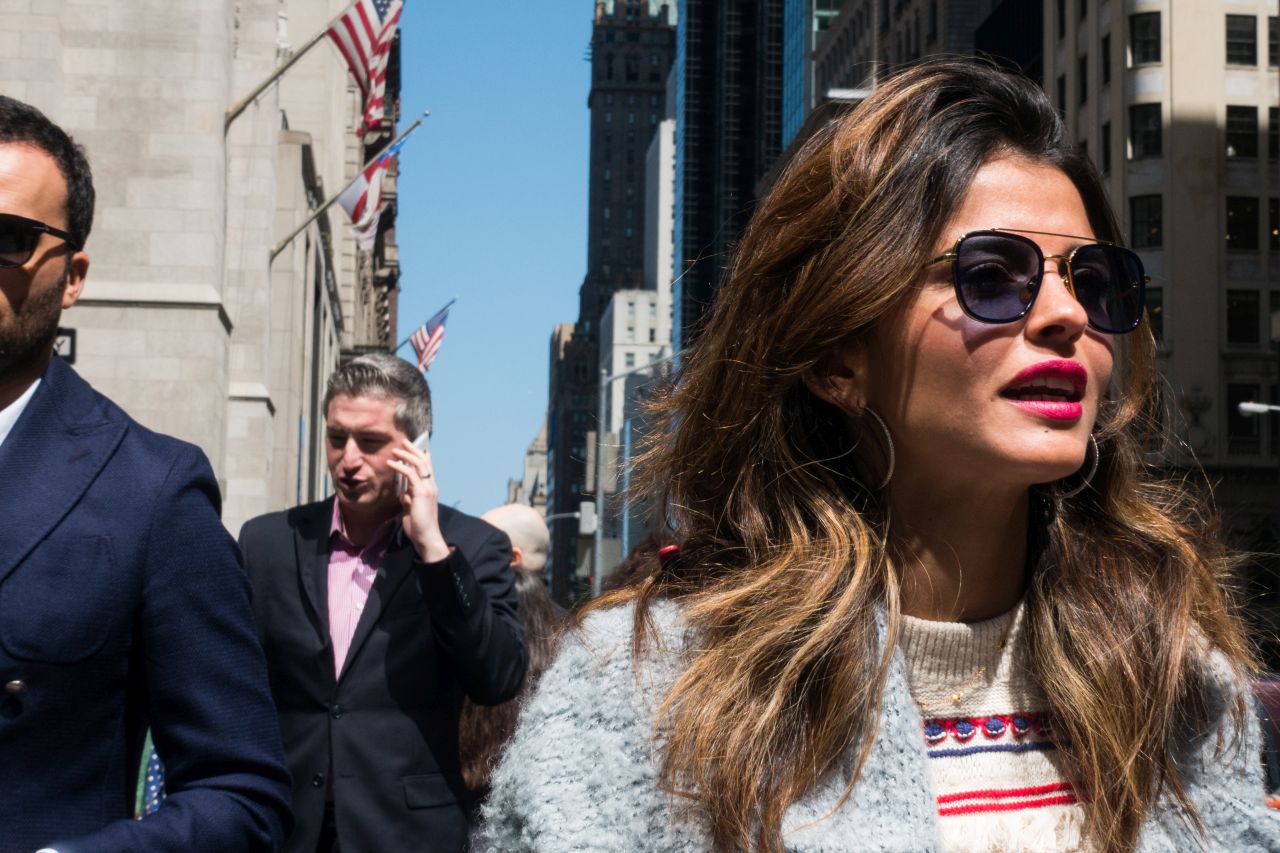
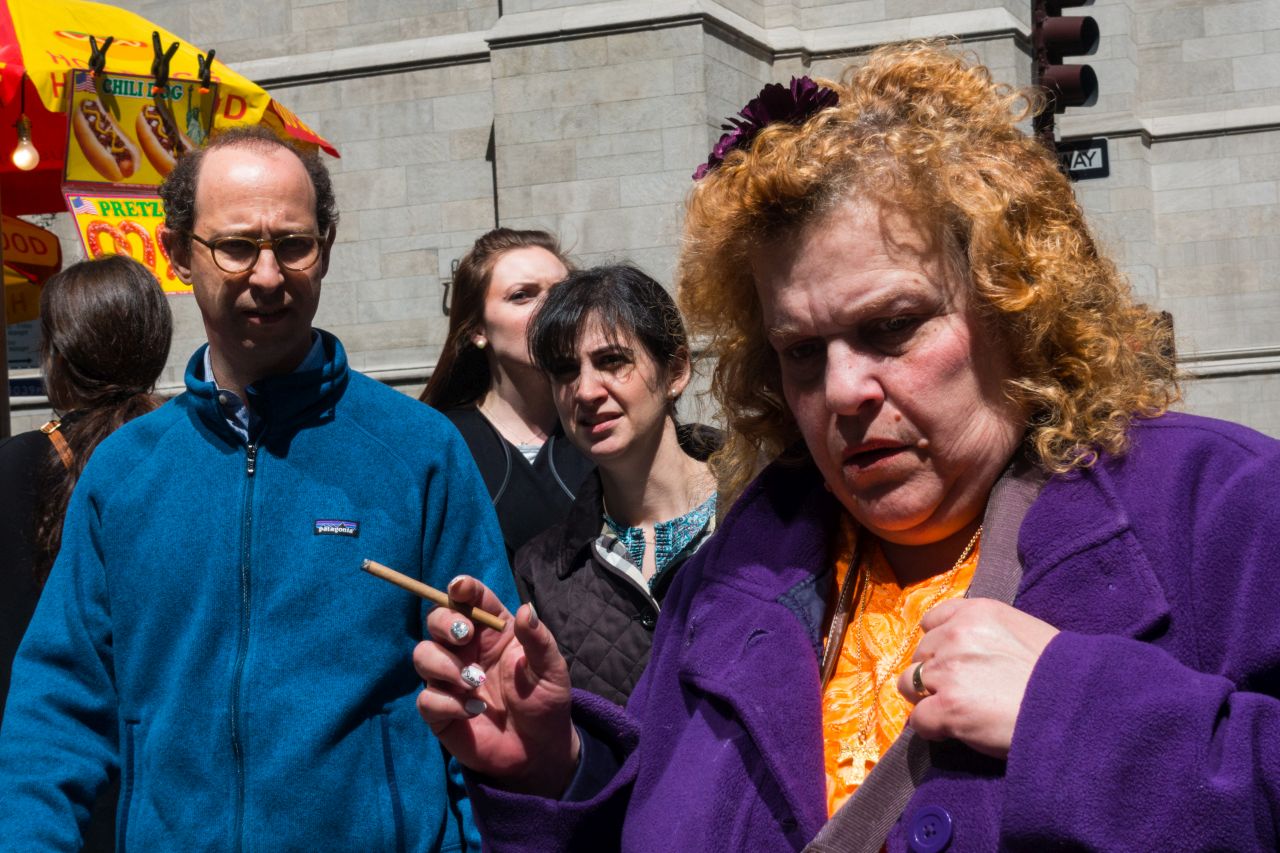
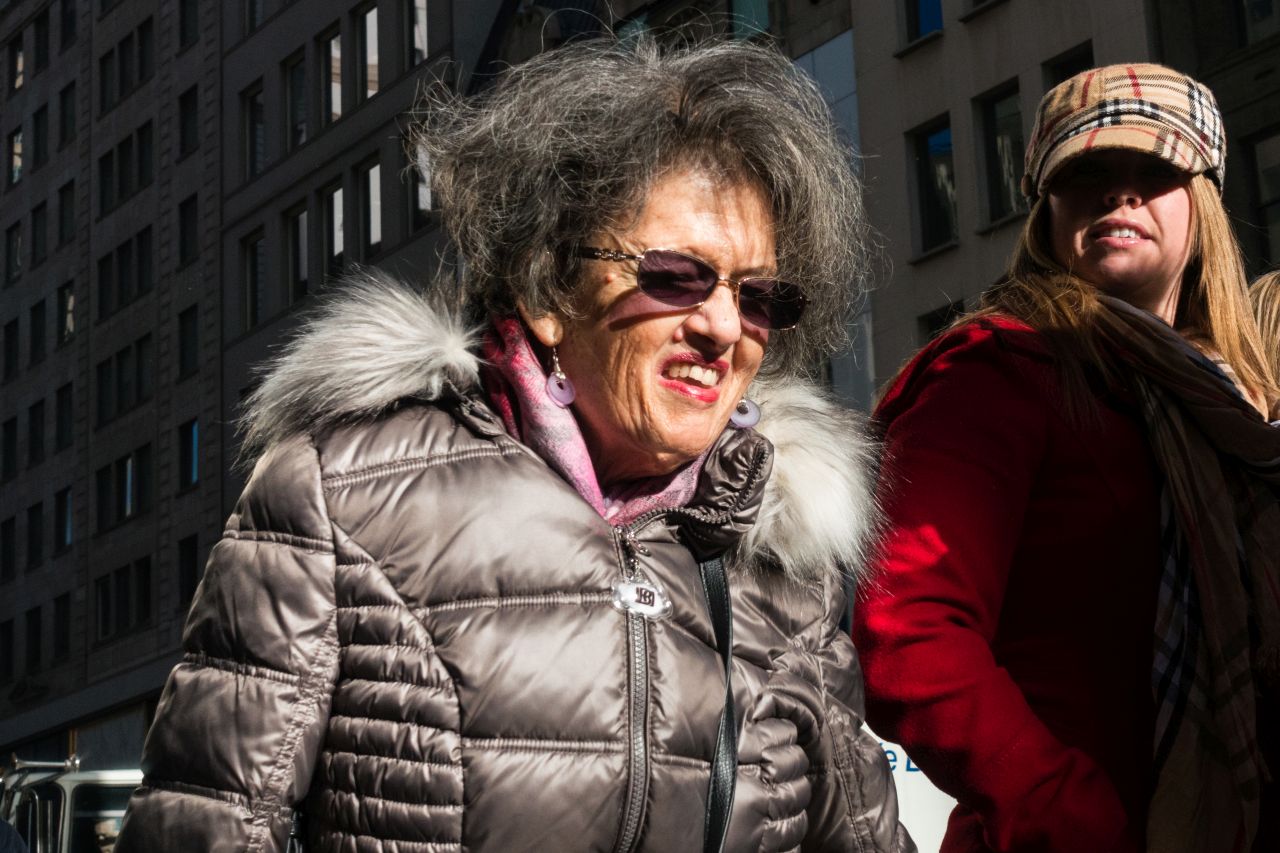
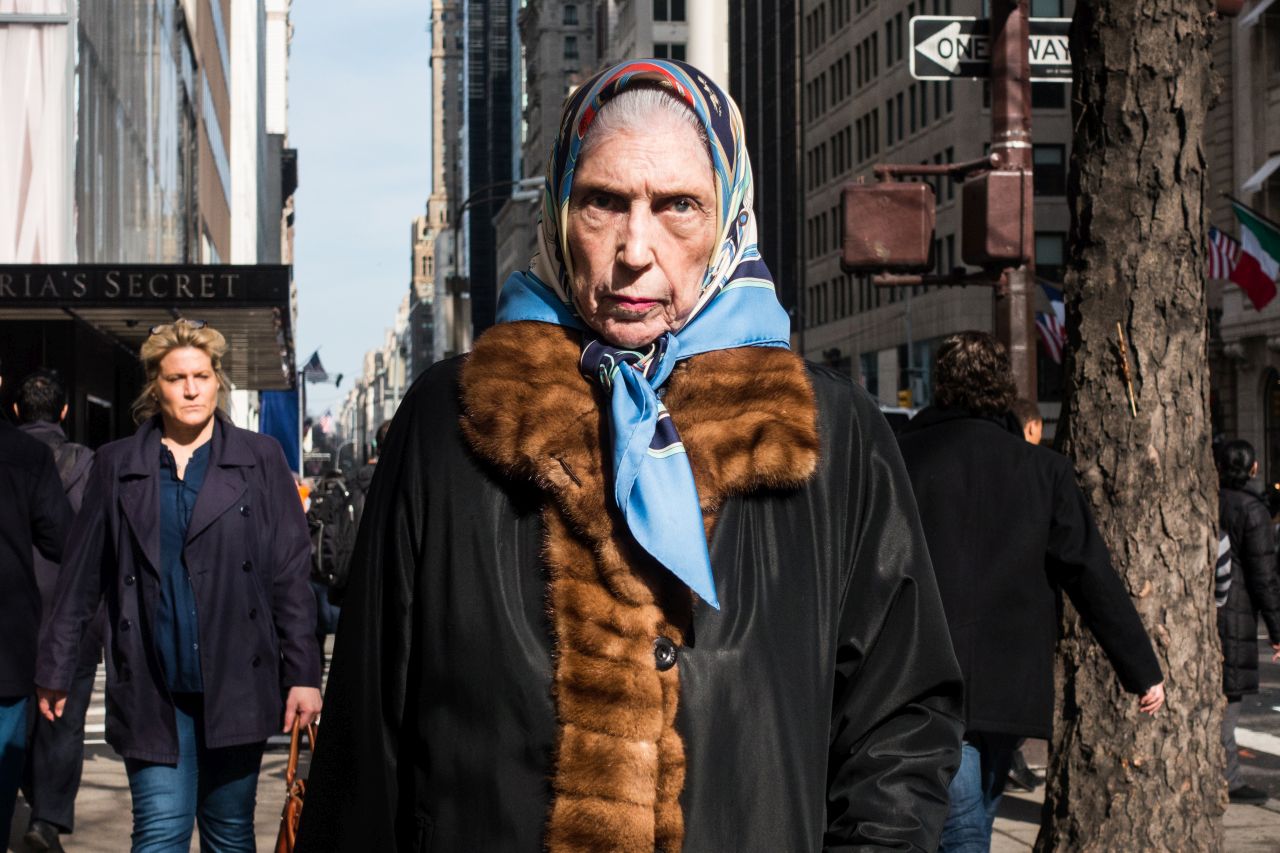
The photos presented on Urban Street Diving Contest 2017 are part of his series Fifth Avenue. In this series, Valente focuses on the diverse group of people who come to explore this famous avenue in NYC. He thinks that the mix of business people, fashion brands shoppers, tourists and workers makes the avenue a great place to create interesting shots.

To shoot this series he used his small Sony RX100 IV and shot most of the photos during his lunch time. The direct sun light combined with the reflections on the tall buildings creates the intensity he needs for the high contrast and saturated series of photos

All photos shot on fifth avenue in New York City between 50th and 60th.


2nd Michael Kowalczyk (New York, USA)

“My name is Michael Kowalczyk. I am a photographer and work as Teaching Assistant in the International Center of Photography School in New York City. I help students to improve their knowledge and skills in photography. My education and professional working background is in communications, multimedia and instructional media design.

I like to photograph and show persons in thoughtful, introverted moments or in situations in which they interact and communicate, especially using body language. Other than that I am interested to make photograph in environmental conditions which affect the mood and dynamics in peoples routines, for example during rain or snowfall. I feel that by concentrating on such photographs I can create a body of work that will stay comprehensible and relevant in the times to come.

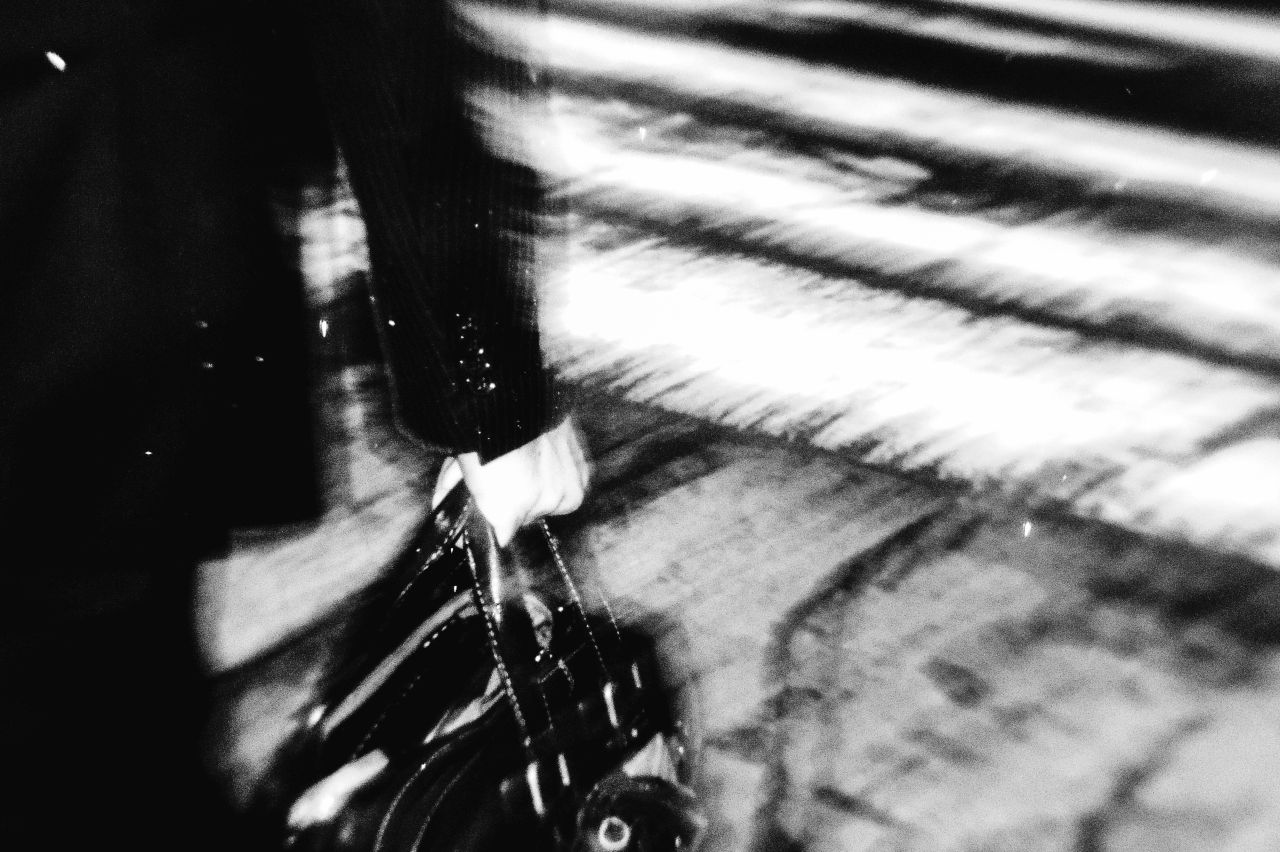
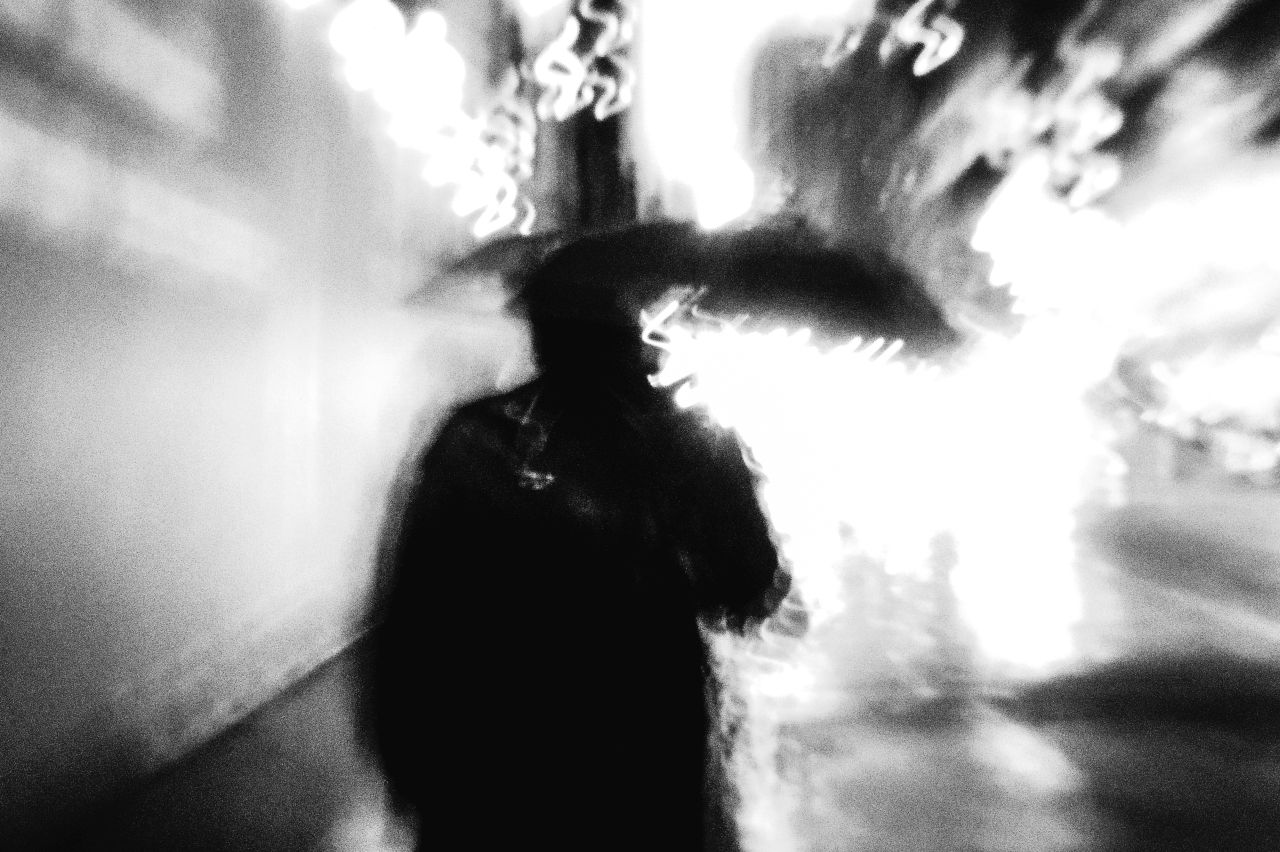
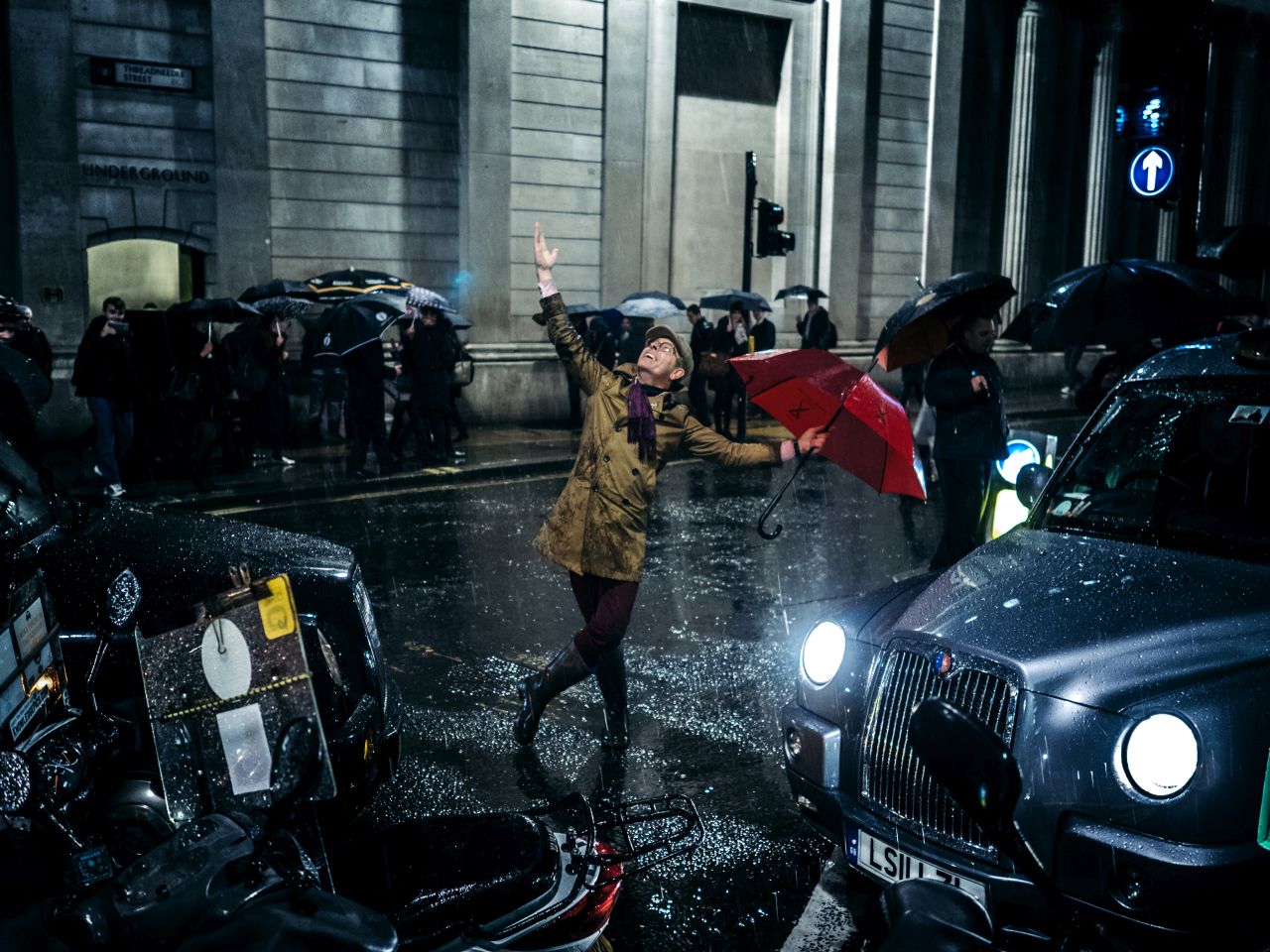
“Rain Rush” is a series of nine images and the result of a two hour shoot under constant rain at a street crossing nearby Grand Central Terminal Station in New York City. Daylight was long gone, people were rolling up their coat-collars and holding onto umbrellas while rushing towards the next safe-place under a roof. I decided to capture some of that atmosphere. My camera and lens choice turned out to be pretty limiting in terms of manual controls but at the end it helped me a lot to create a unified looking image series. I shot with a tiny Pentax-Q camera body in bold black and white mode. The lens was the plastic 09 Mount-Shield-Lens. It has a field of view around 50mm (ff. equiv.), fixed aperture (f/9) and acceptable dof-sharpness between 0,3m and 2m. The capture process included a lot of trial to find a usable balance between distance, timing and panning. Occasional use of on-board flash allowed me to illuminate some of the peoples faces. I made around 240 shots and got pretty wet shoes doing so. The camera started to malfunction and stopped working entirely shortly after. I though that was it. Luckily it gave me another chance after resting on the shelve for 7 days.

Looking back I found making photograph with a confined set of camera and lens settings to be challenging and liberating at the same time. Stop setting and start photographing 😉 ”

All photos were shot at the crossing at Madison Ave East and 42nd Street, New York City, USA


3rd Max Gor (London, GB)

“I started photography as a hobby a while a go, at that time it did not have any special purpose apart from giving me a reason for getting out from my home. I was photographing absolutely everything – public events, animals, strangers, flowers, buildings and aircrafts, absolutely anything that can be photographed. In one day I could make few hundred shots, and as you can guess, at the end all of them were ended up in rubbish bin, but my time was well spent and I was enjoying it enormously. After going through shooting whatever I could I realized that London provides infinitive possibilities for street photography, it is so vivid, so dynamic, so special city in many ways.

Last couple of years I only shooting streets and a bit of black and white city architecture. I think this kind of specialization helped to developed my skills to another level, it gave some purpose to what I am doing – now I am not going shooting just because I need a reason to go out, I became so passionate about street photography, now I am going shooting when I feel a hunger for the process itself. When I am shooting streets to start from I am looking for something simple – interesting light, well known cliche, juxtaposition, someone with interesting appearance or doing something unusual, something that has some sort of uniqueness. Protests and marches are very good places for getting confidence in street shooting. In London, if you behave wisely, those events are pretty safe, a lot of things are going on, people are very keen to be photographed, and you feel like you are in right place doing right things.

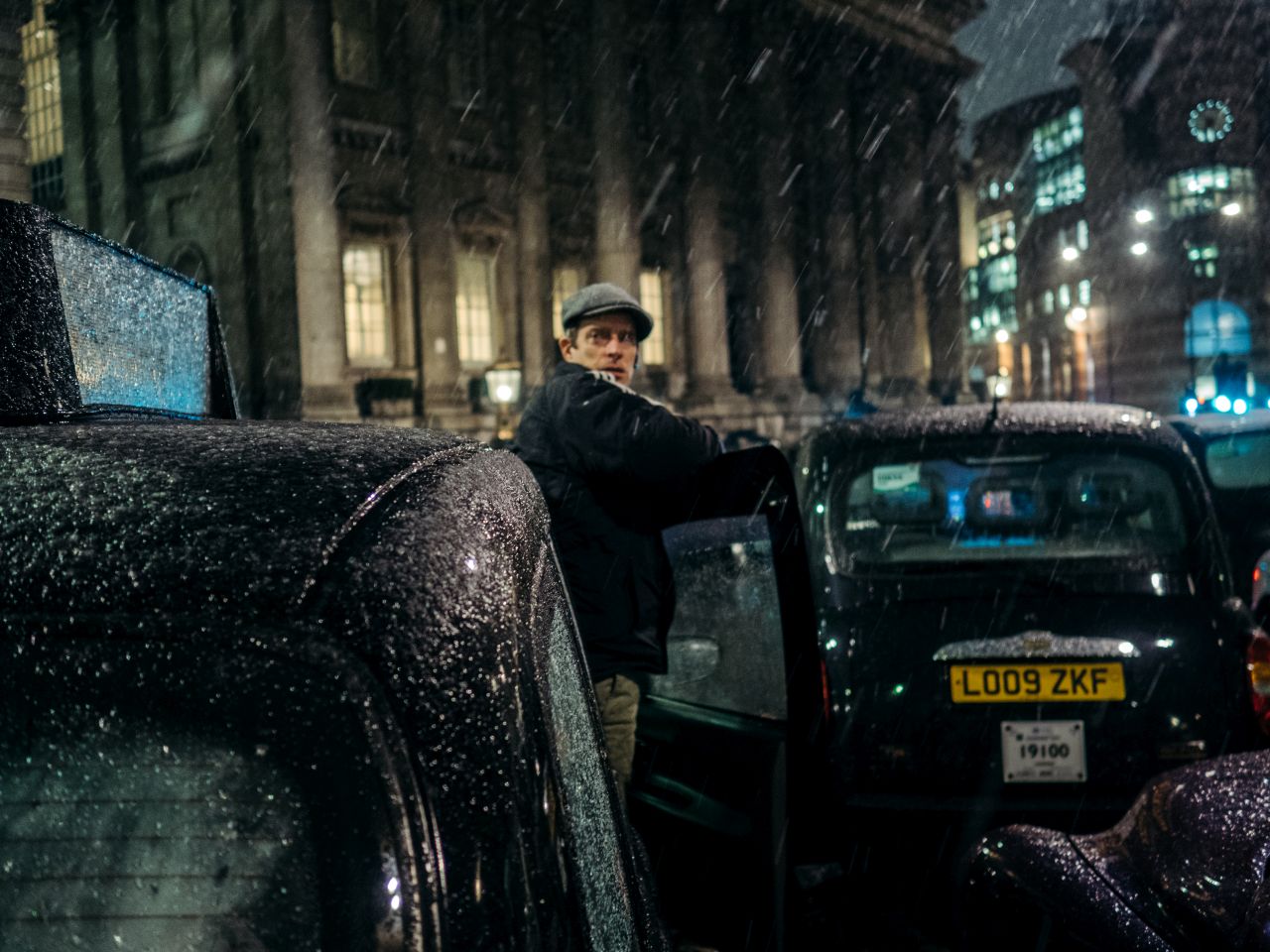
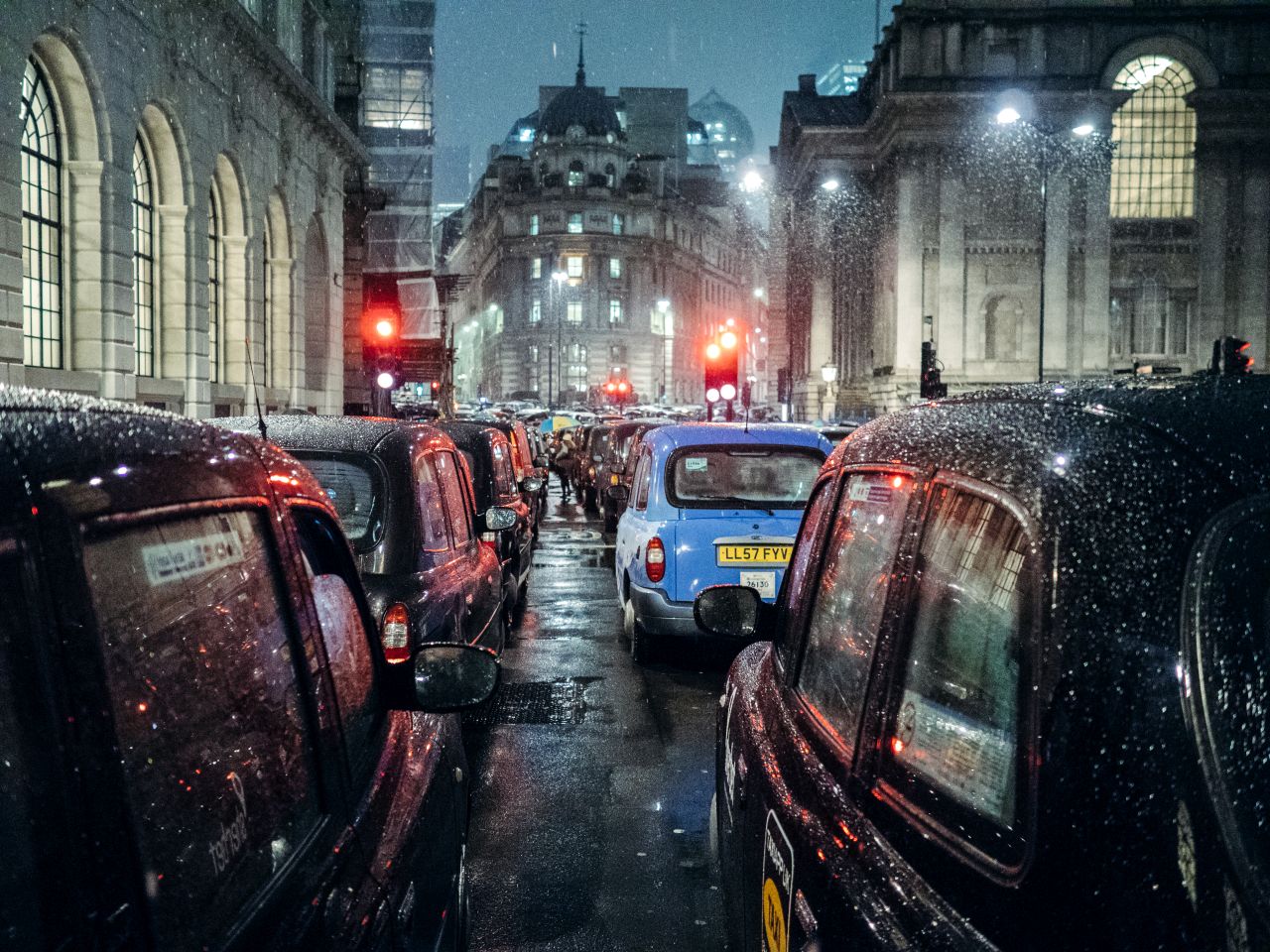
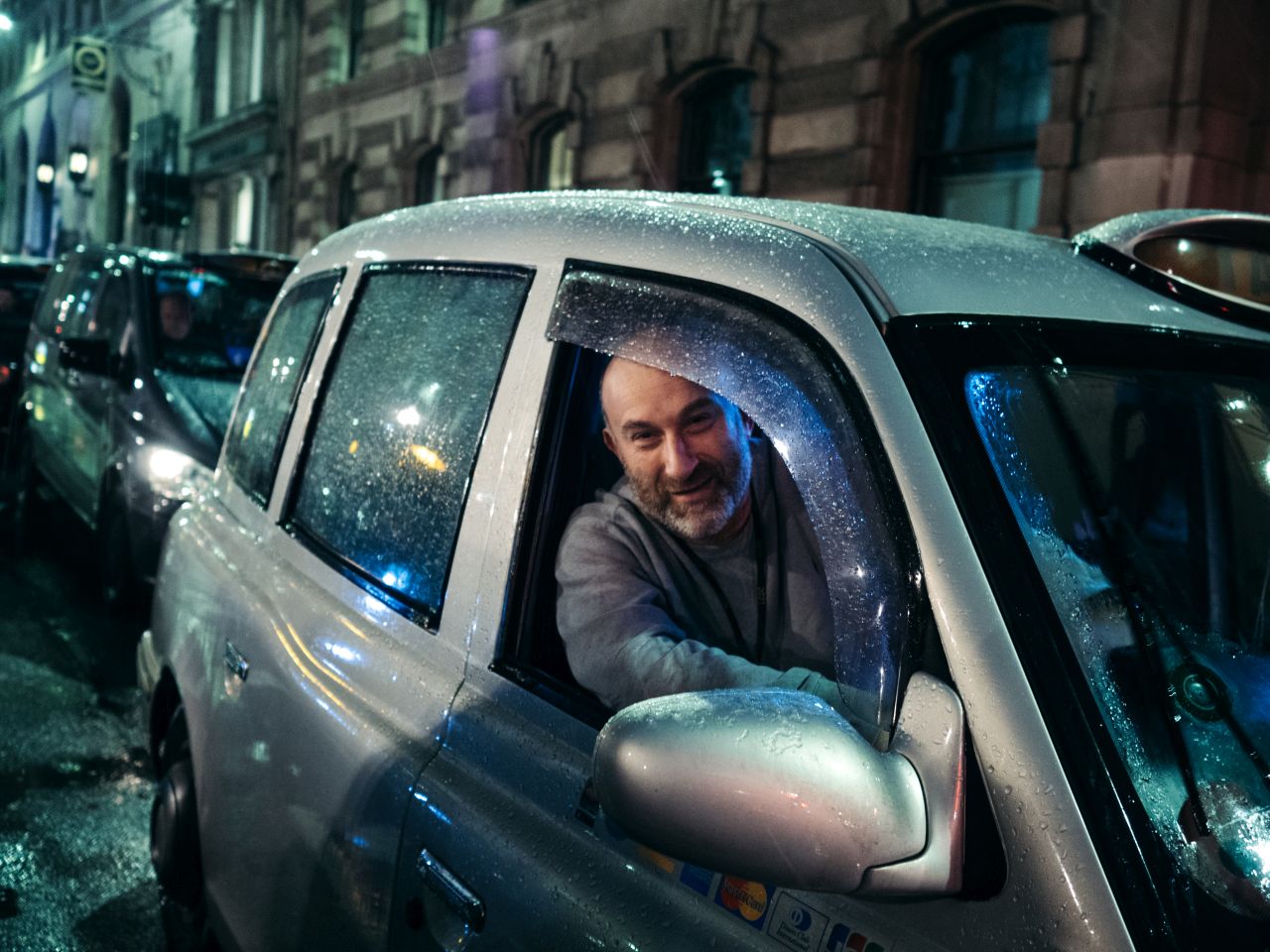
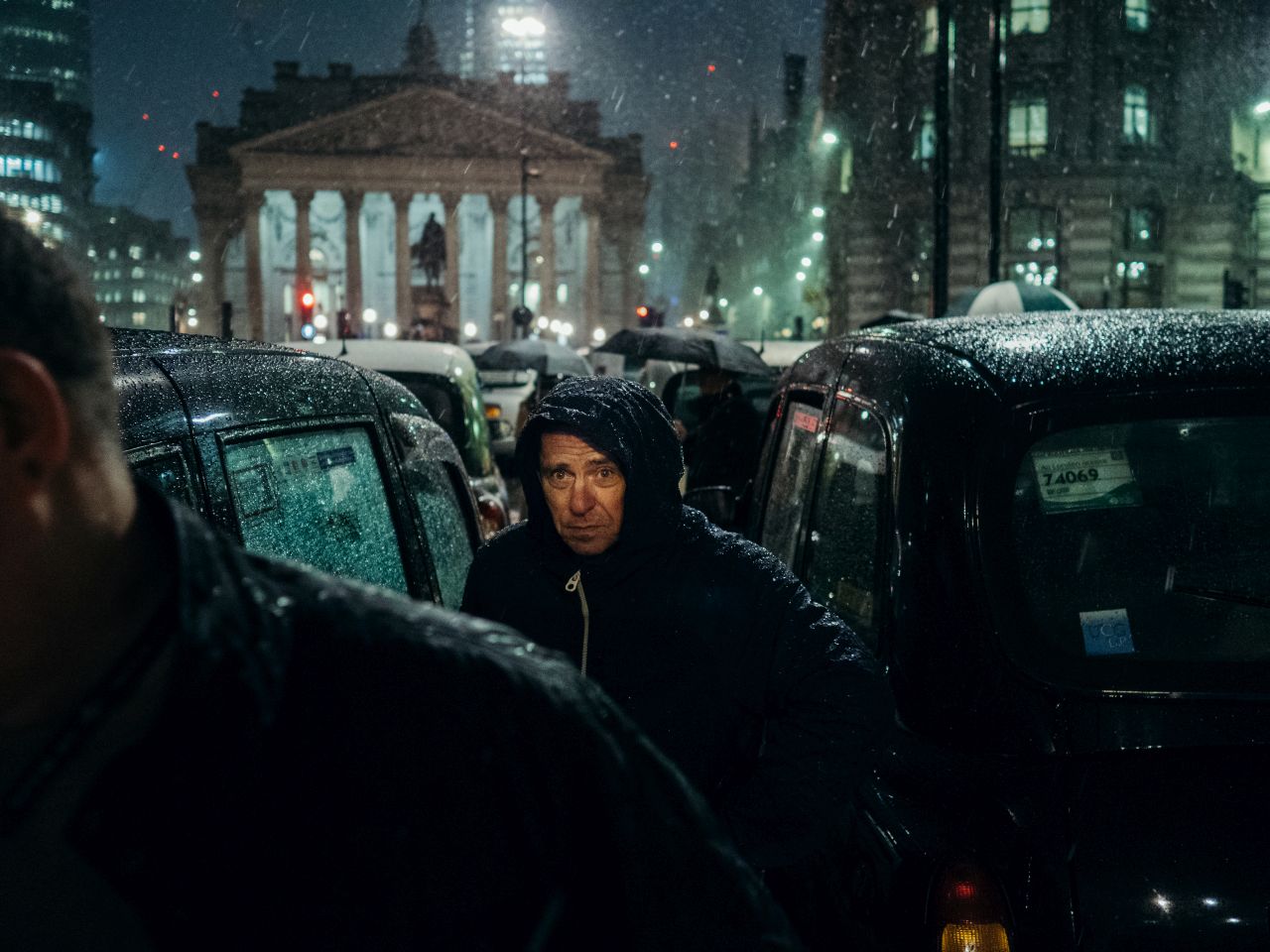
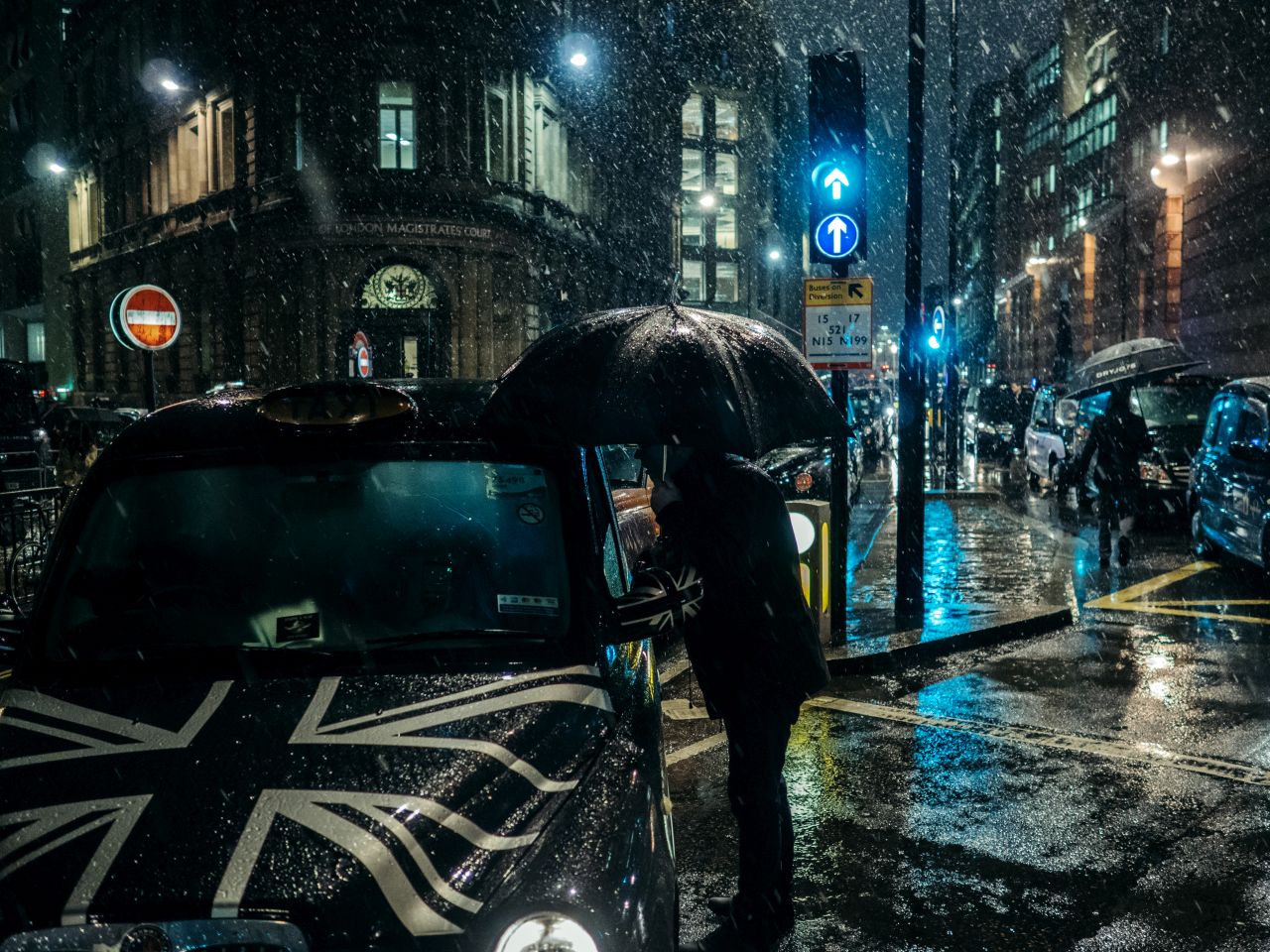
When I heard about London taxi protest at Bank Junction I have got very excited – I have not seen anything like that before and was hoping to get something unique out of it. When I arrived at Bank Station I was very disappointed with the weather, it was cold and raining and I wanted to go home. Then I realised that most of the time I was shooting when light is good and recalled a few great street shots made in rainy weather and decided to stay. Nearest Boots store sold me an umbrella which I used to cover my camera and a bit of myself. I was very glad that decided to stay – after some time it started snowing! Bad weather turned out to be playing nicely on my side, snow with rain added a lot of tension and drama to my shots and I think this is why I have got such interesting set.”

All shots were taken nearby Bank Junction, London, GB.


Finalists

Sofie Gheysens (Belgium)

“I’m intrigued by people and I love to walk around in other people’s life. Photography is a way to communicate with the persons I meet. It is my way to move around. I love traveling by myself, because very interesting people with unique stories cross my path. I spent one month in Barcelona without any plans. Every time I met someone, I spent a day in their life, photographing their galaxy.

This man is Leonardo. What I learn about the people I photograph is personal and I try to put that in my pictures. We moved around in the metro, where he plays his music. Outside we stayed in the Raval area, where he lives.”

All photos were taken at the metro and on the streets near La Rambla, Barcelona, Spain.


Philippe Blayo (France)

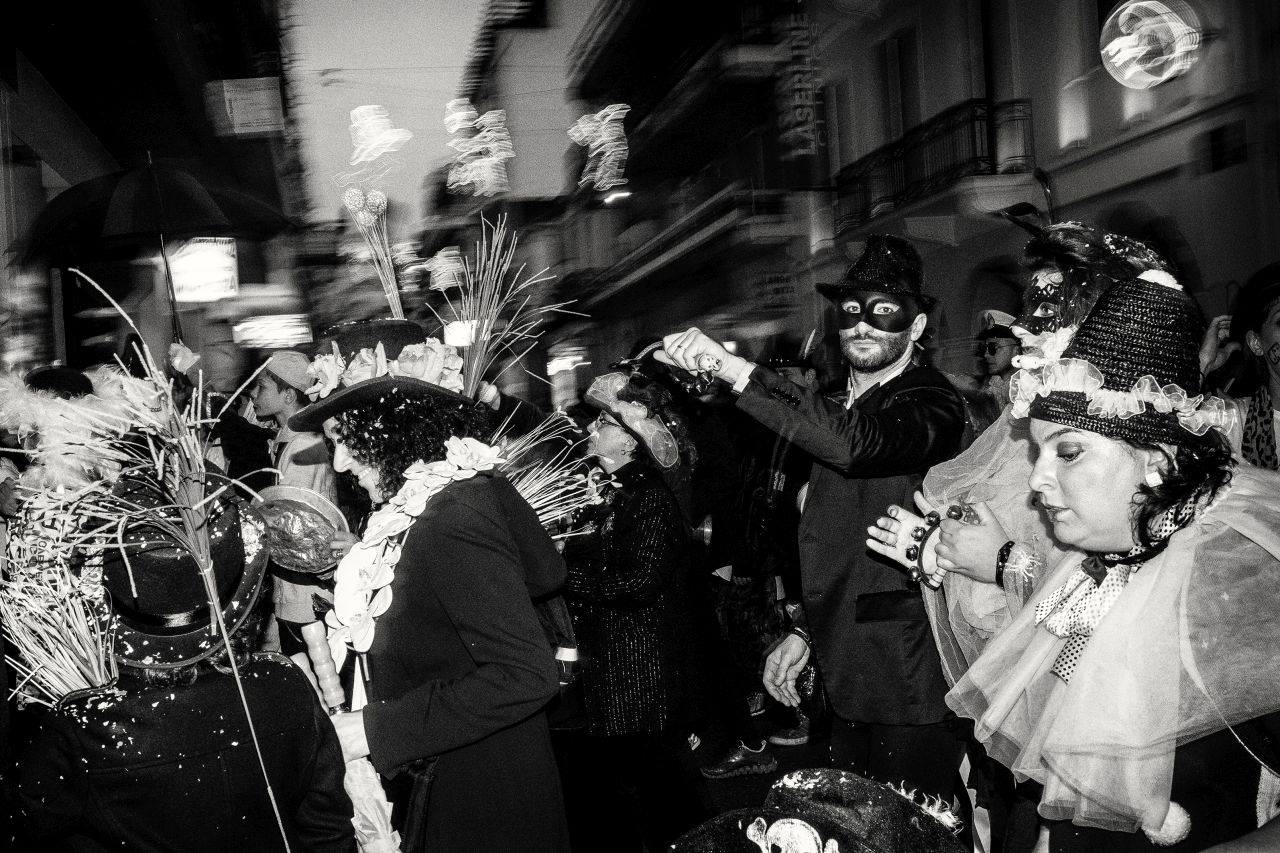
“I’m a self-taught photographer. As a psychologist, my daily life is made of human resources. People are an inexhaustible source of surprises. I walk the streets with curiosity to capture what drives us to live, to love, to defend ourselves. My work is a contemporary photography that explores urban territories with or without people inside. Anyway, my photographs are anyway influenced by humanities.

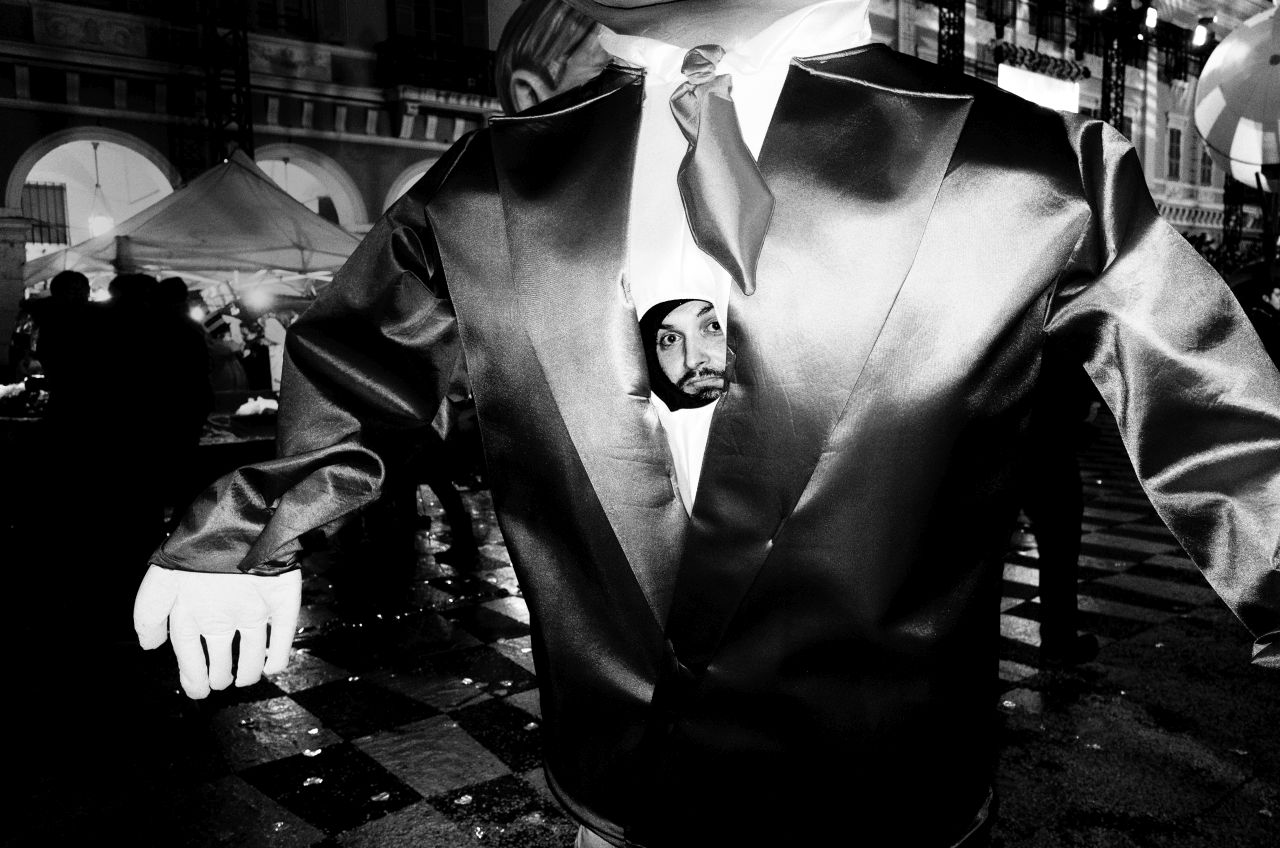
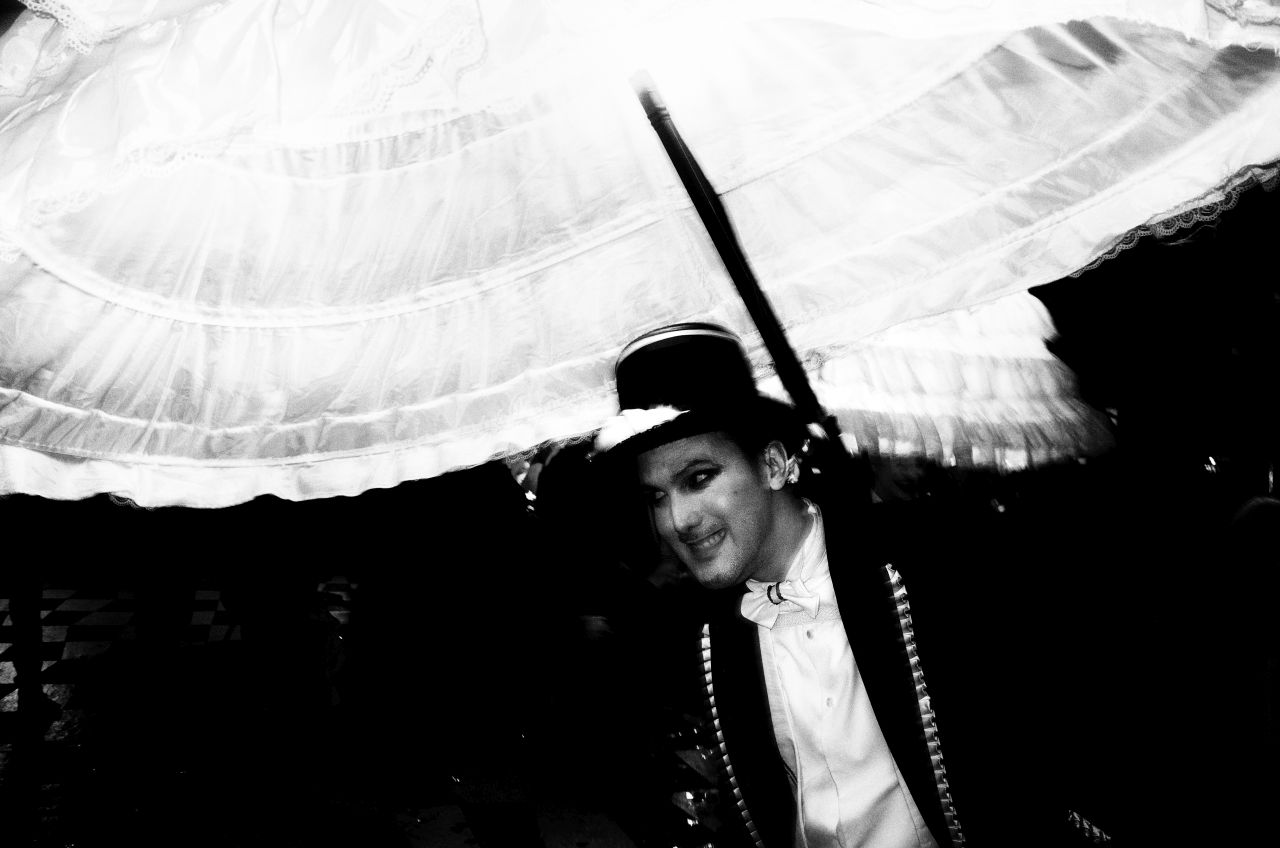
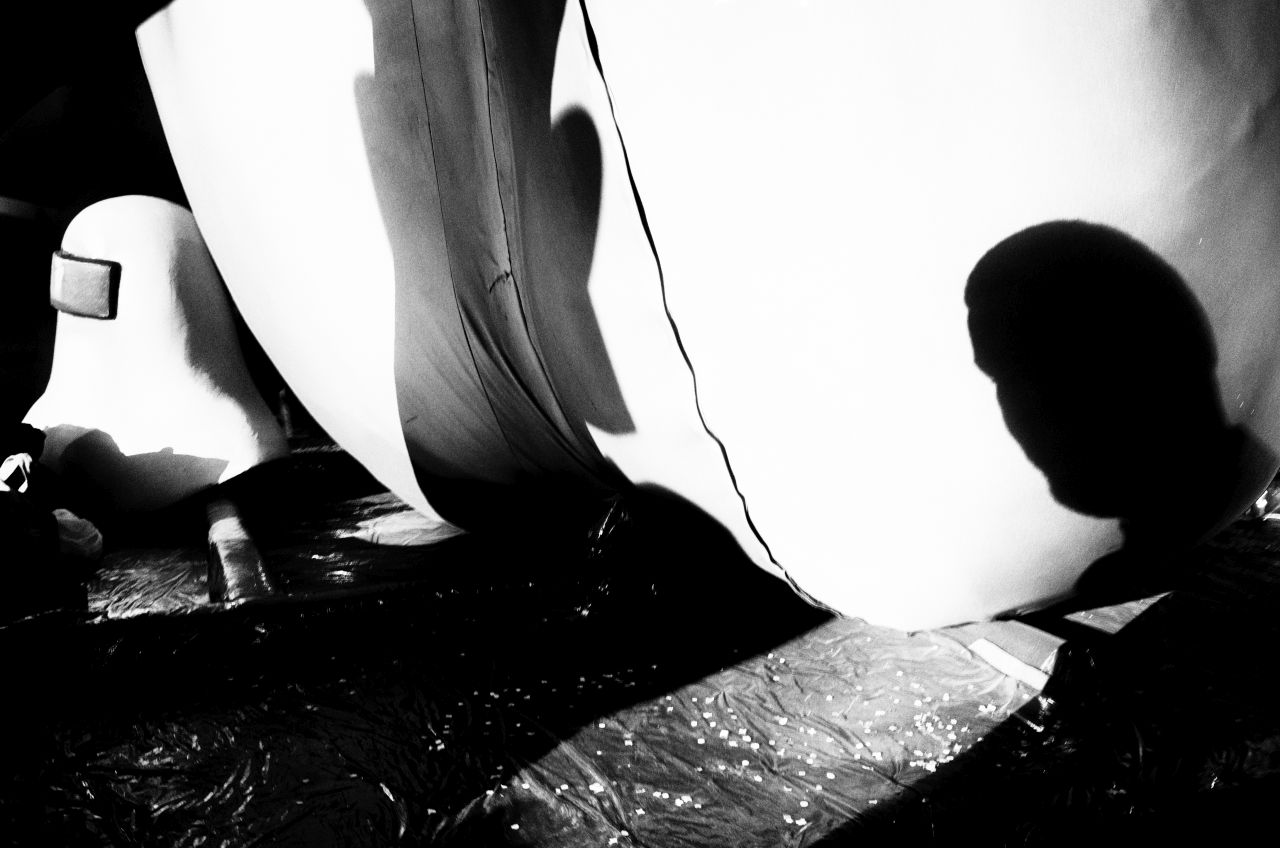
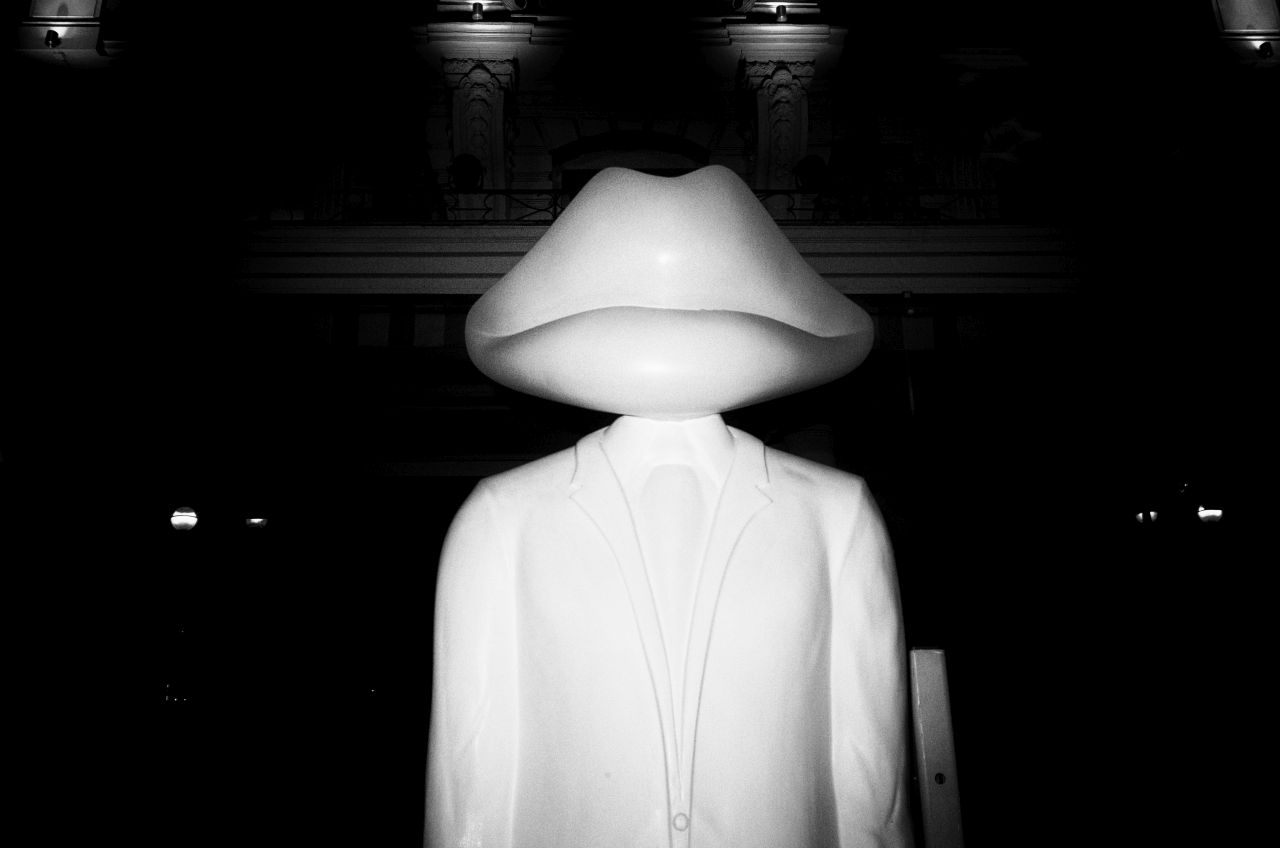
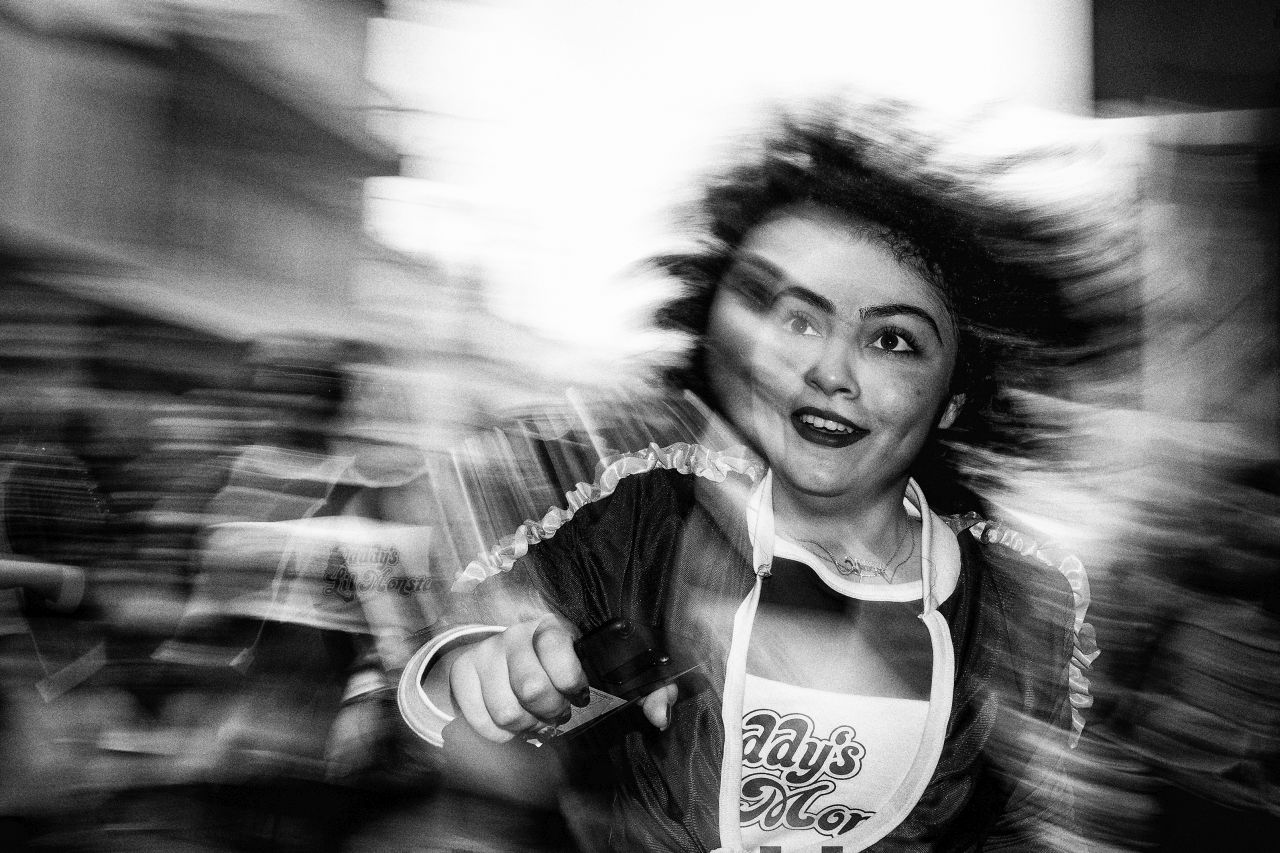
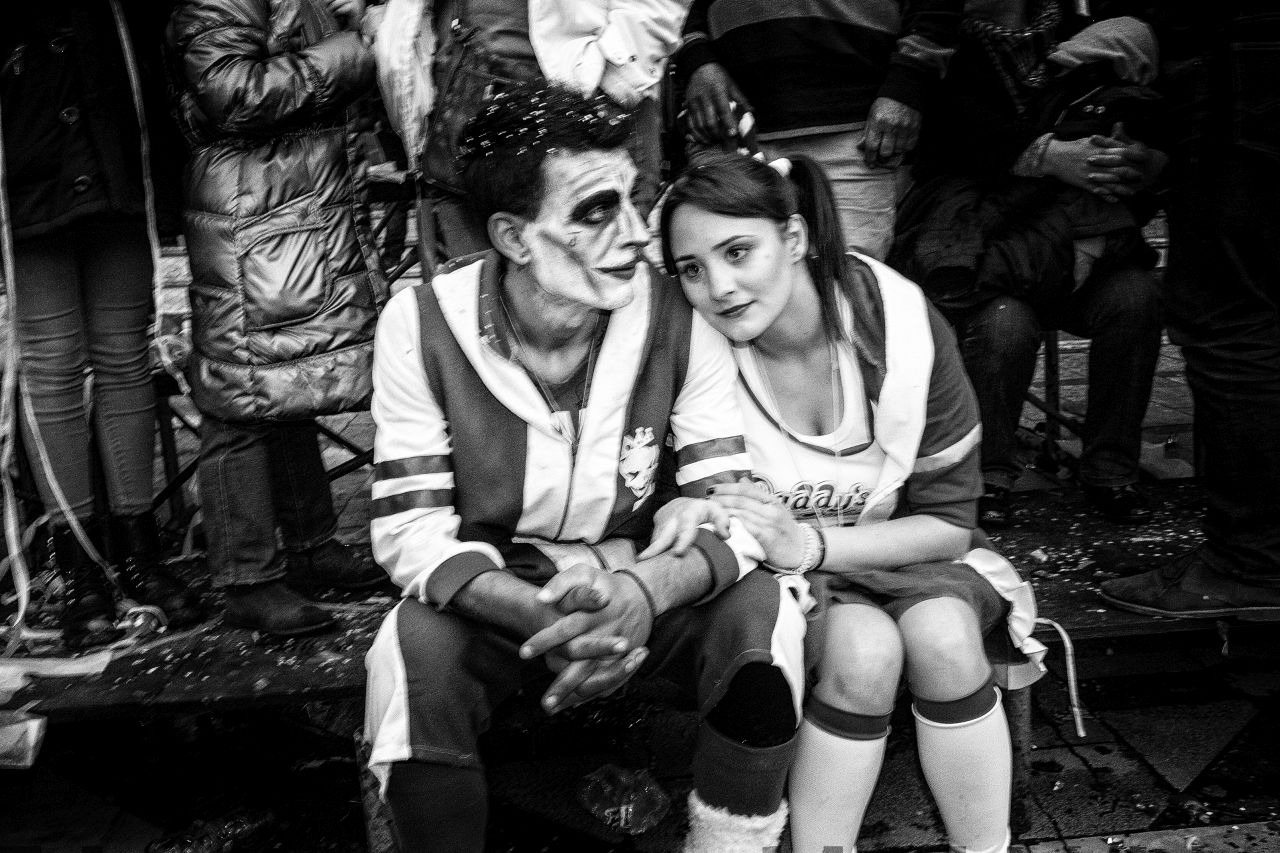
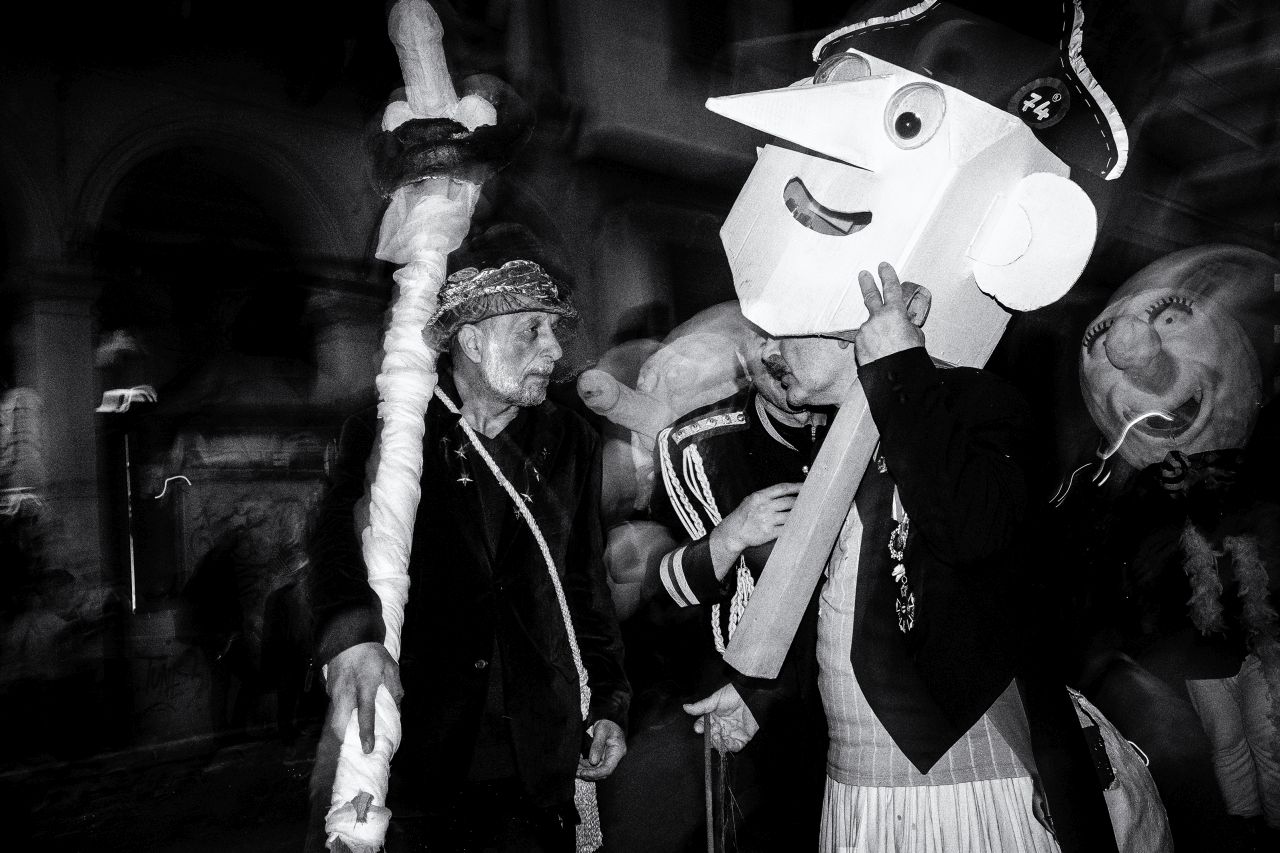
This series has been realized in February 2017 In the city of Nice, France. I wanted a very strange atmosphere in this series due to the terrible terrorist attacks in this city 7 months before. It was the first carnival since those sad events and the mood was so weird with security checks everywhere. So maybe this carnival was a bit darker than expected. I wanted to introduce strangeness, fear and questionings in my series. My interpretation of diving is much more about introspection than showing clear and straight to the point images.”


Roy Rozanski (Israel)

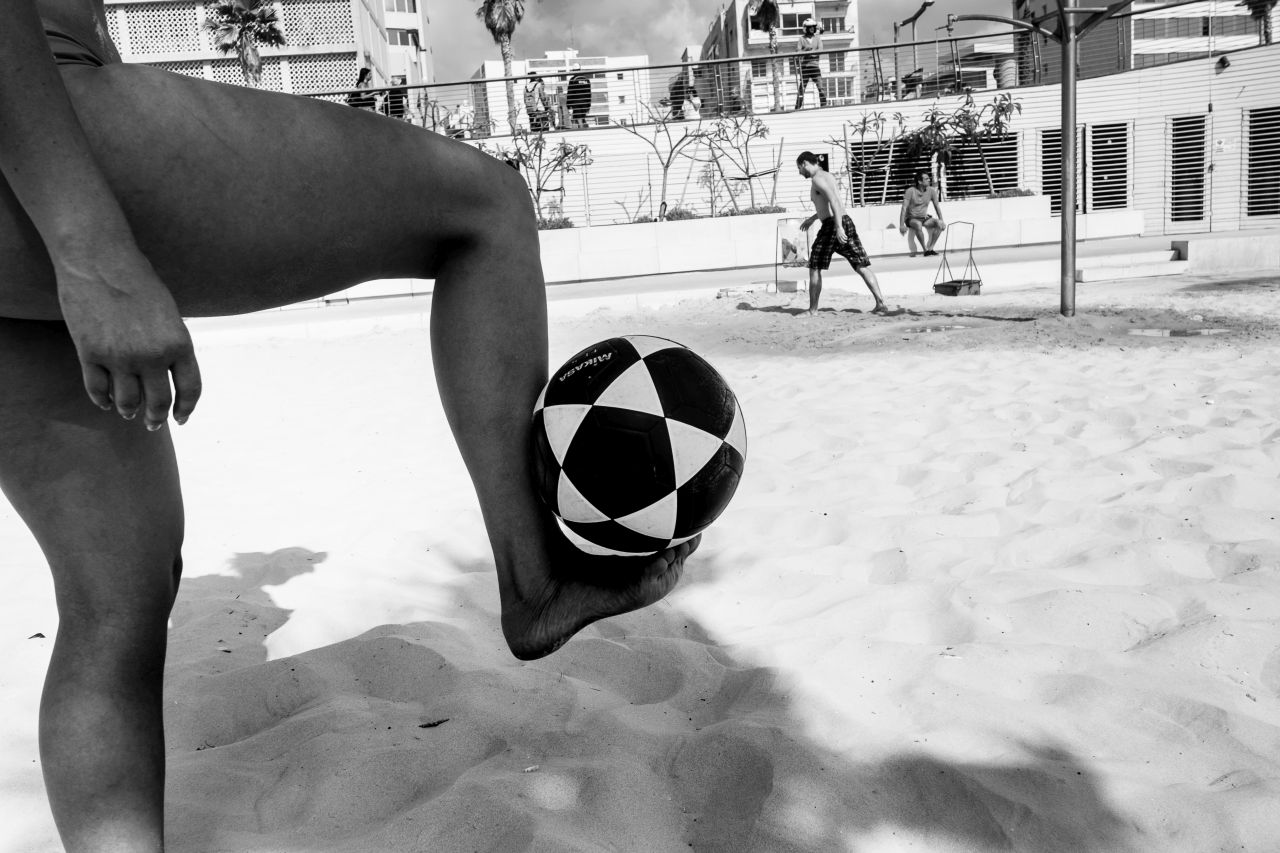
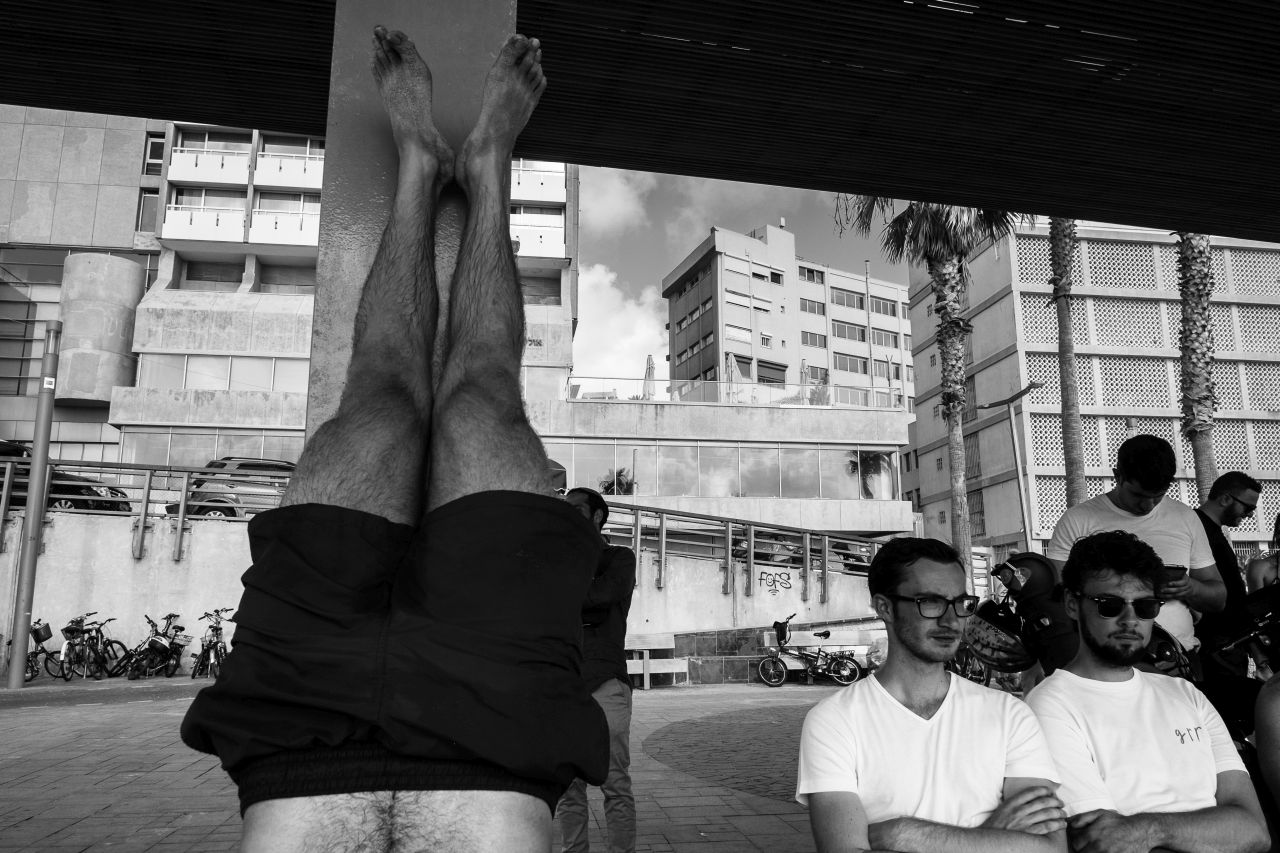
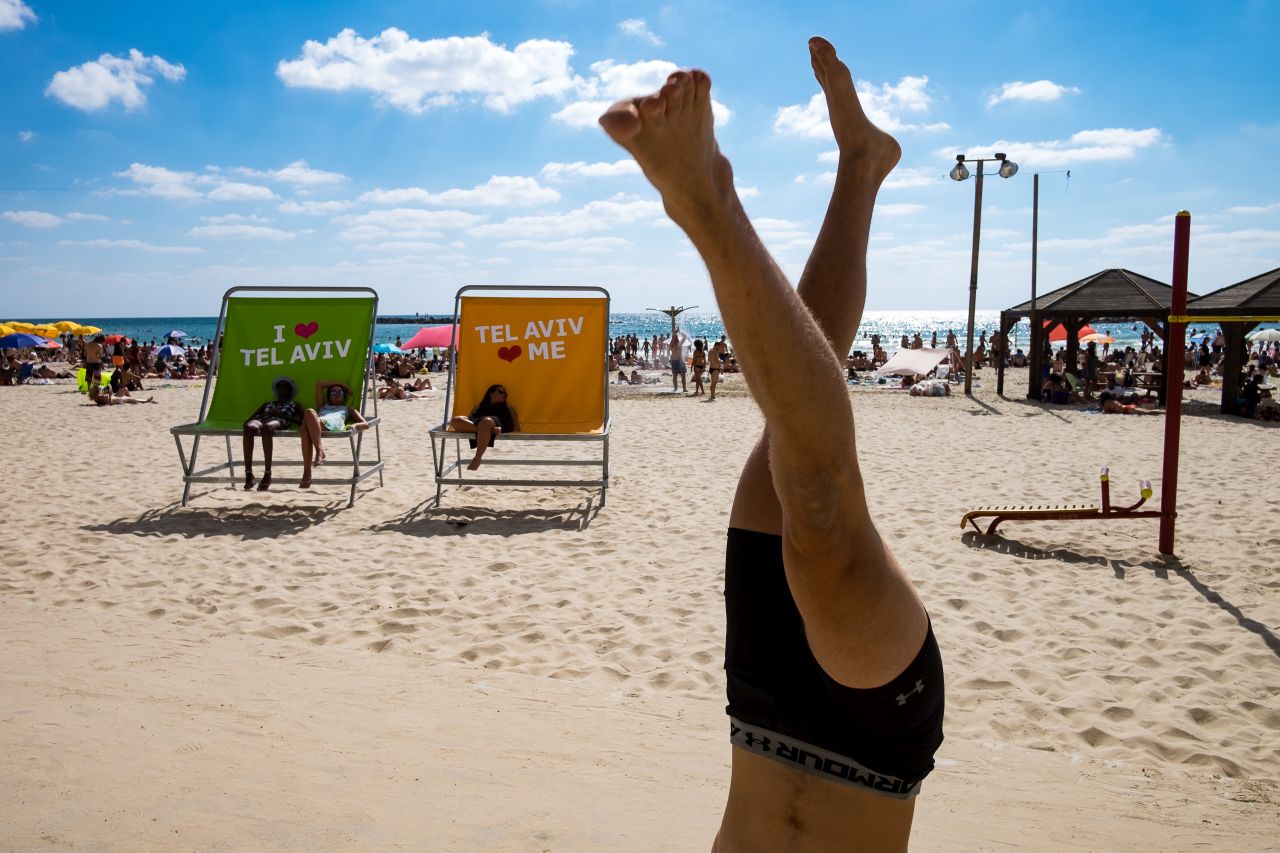
“My name is Roy Rozanski (38). I am an aspiring street photographer for the past couple of years. Born and raised in Israel. My main “hunting ground” is Tel Aviv, which possessed a highly versatile street life packed full of different vibes, sounds and smells. This fact is impressive on its own especially for such a small city in comparison to some other big metropolis.

I am influenced and inspired by great photographers such as Martin Parr and Elliott Erwitt and I try my best to incorporate their style into my own photography. I am always looking to represent the street life through my own looking glass. In my personal photographic way I try to capture the light and motion at its colorful way. I don’t care much for compositional rules, leading lines and the rule of thirds. I am only interested in capturing a story or emotion in my shots.

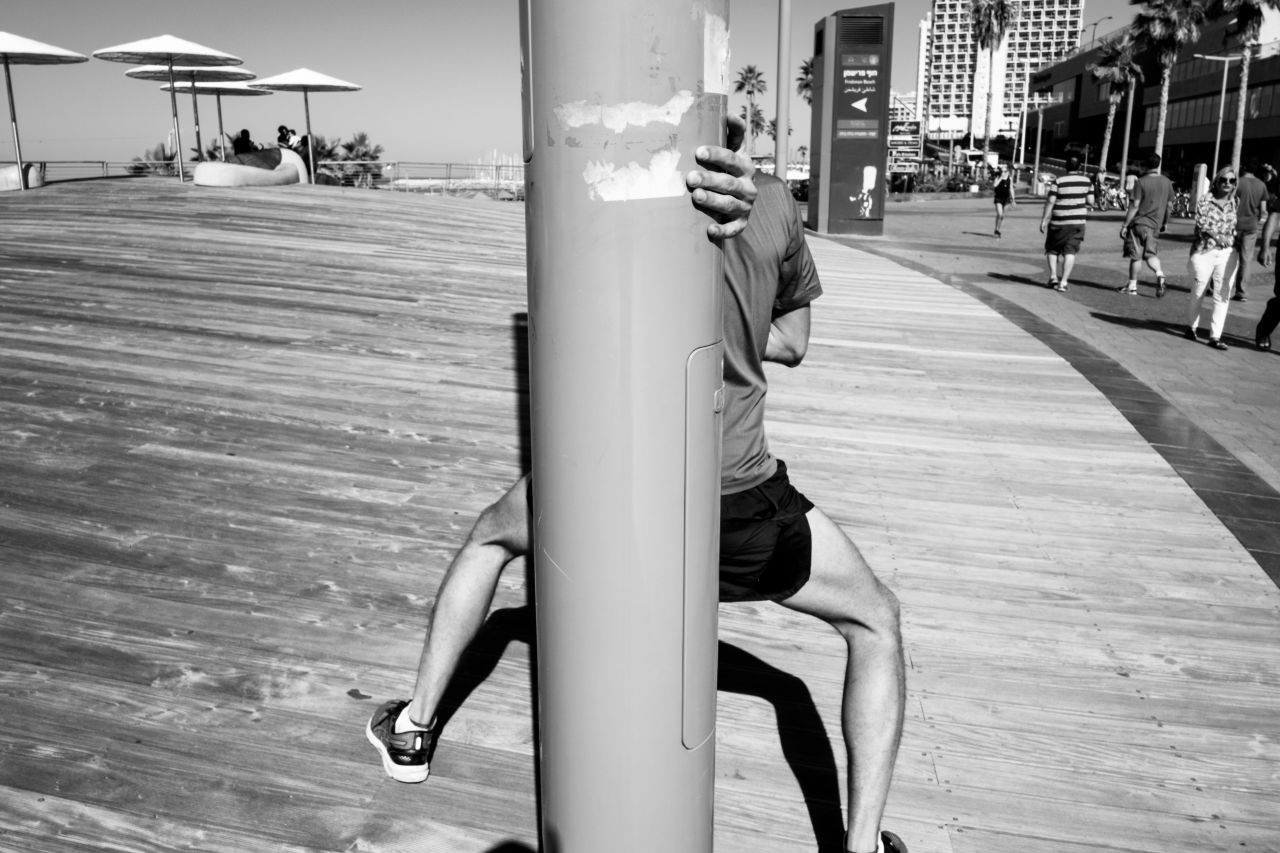
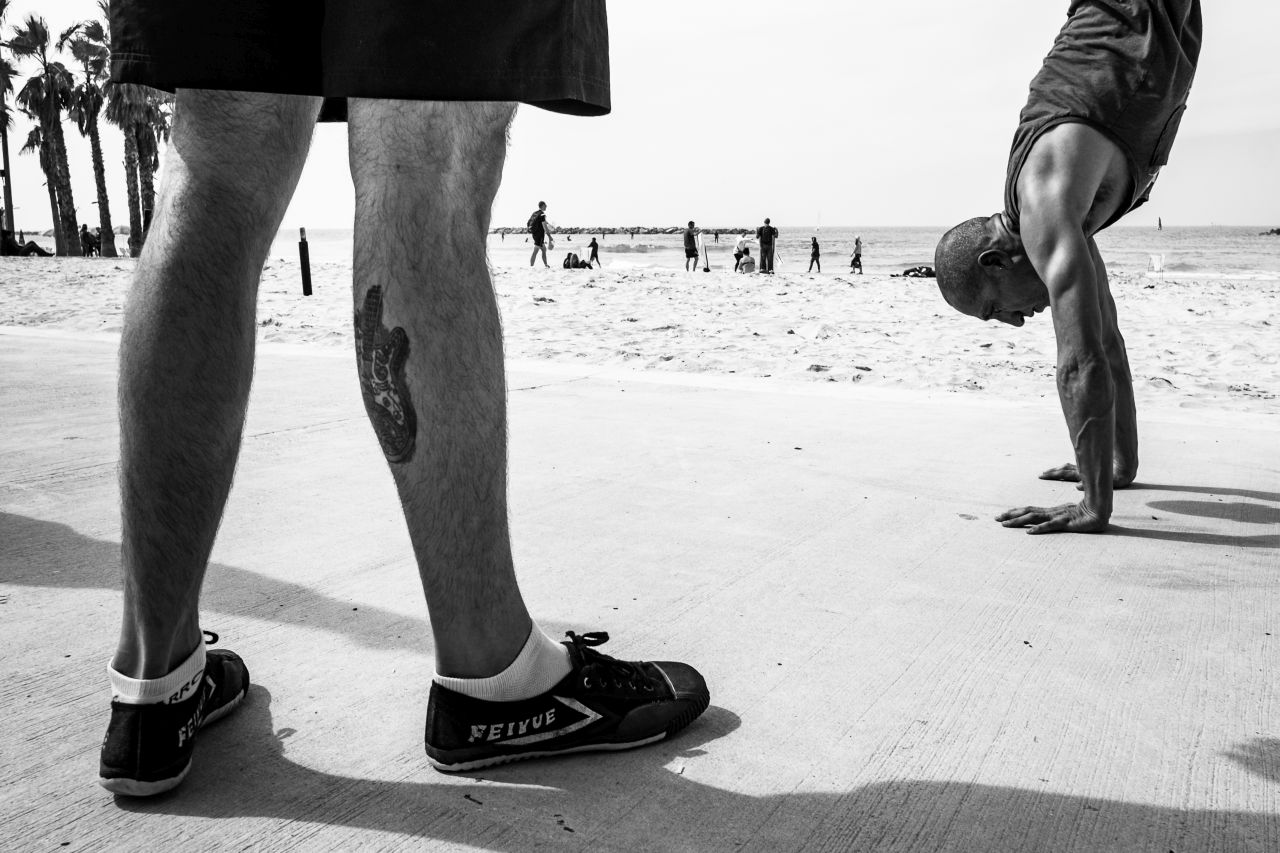
In this project I tried to capture body parts in motion at the urban life. All shots were taken along the beaches of Tel Aviv.”


Zisis Kardianos (Greece)

Zisis Kardianos (b. 1962, Zakynthos) has been active as a street and documentary photographer since 1985, working independently as well as on self-assigned projects. He works in series many of which have been published in various national and international magazines. He has studied sociology and photography in the FOCUS school of Athens. In 2005 he commenced work on his long term photo-essay about his native island. The essay was self-published in a book in 2012 under the title “A Sense of Place”. His work has been presented in Greece and abroad in various solo and group exhibitions. Another of his long term and still on-going personal project titled “Off Season” was presented in the Athens Photo Festival in 2012. In 2016 he participated in the Brussels SPF where his series “In Limbo” was honored with the People’s Award. He is a founding member of the international photographers’ collective BURN MY EYE, an associate member of the BULB collective and a contributing photographer in Millennium Images photo agency.

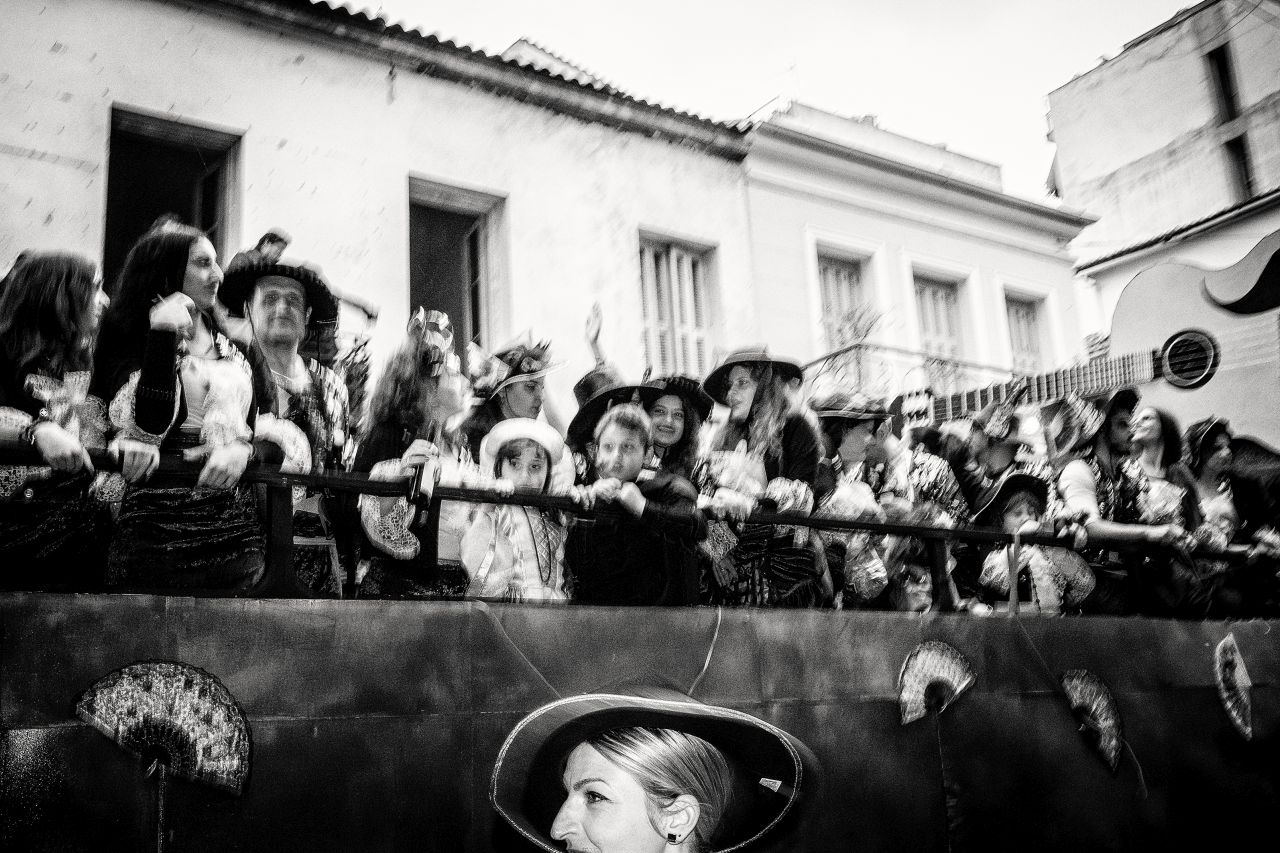
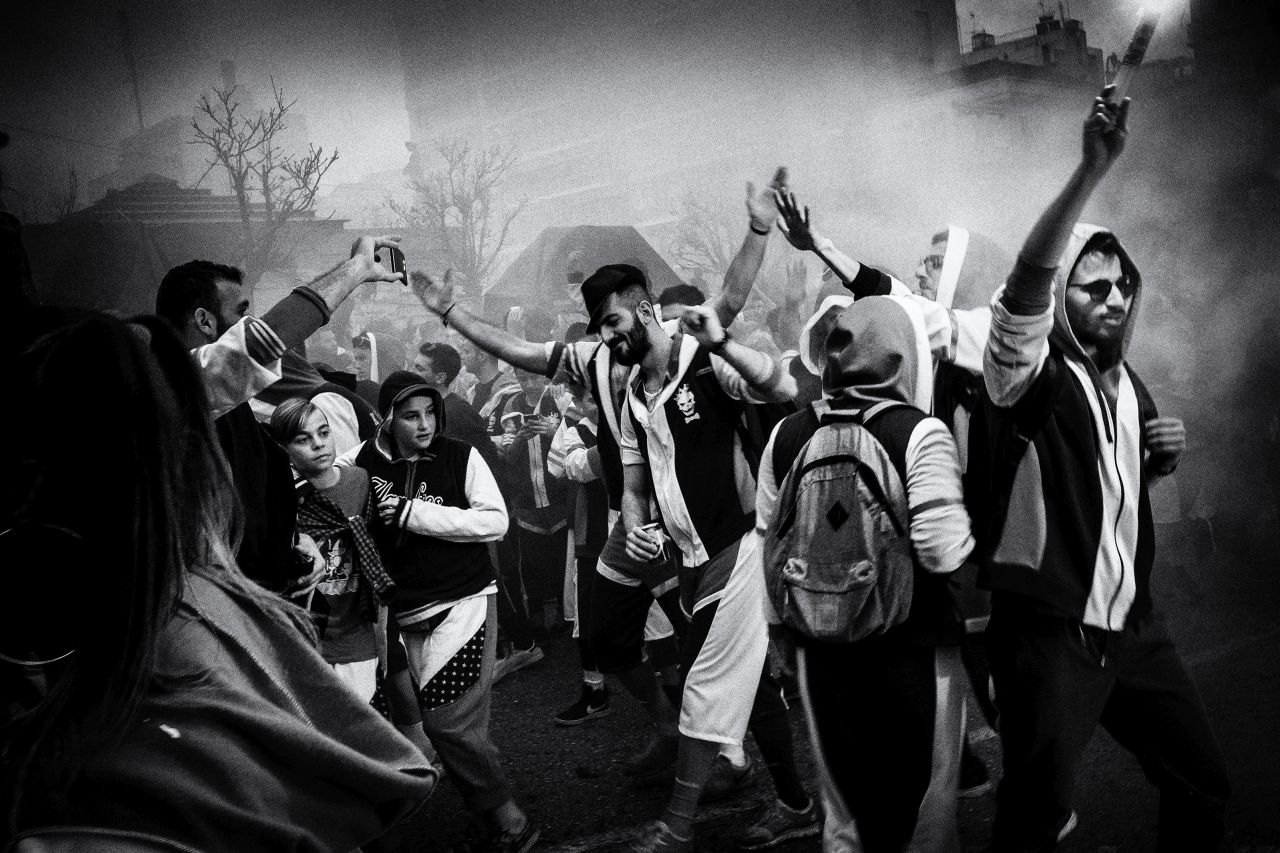
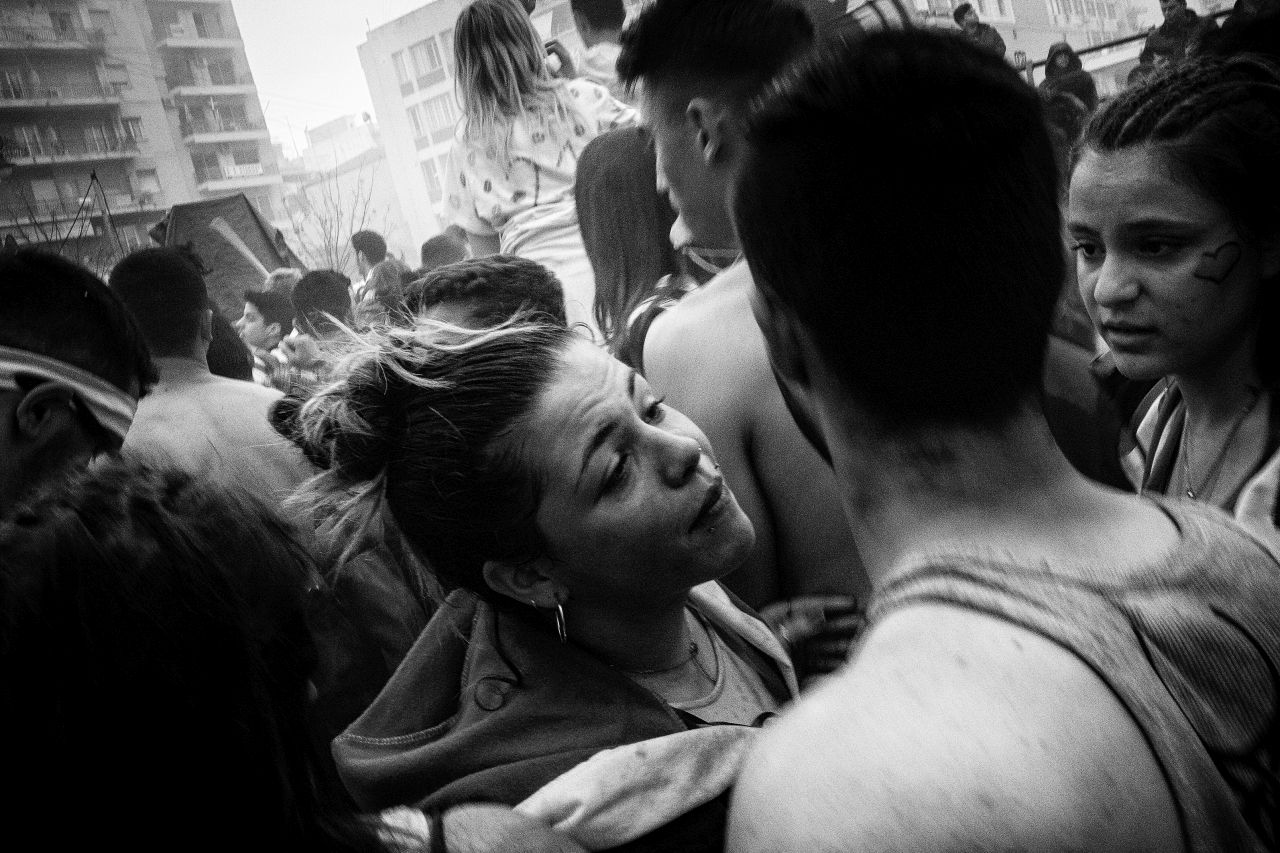
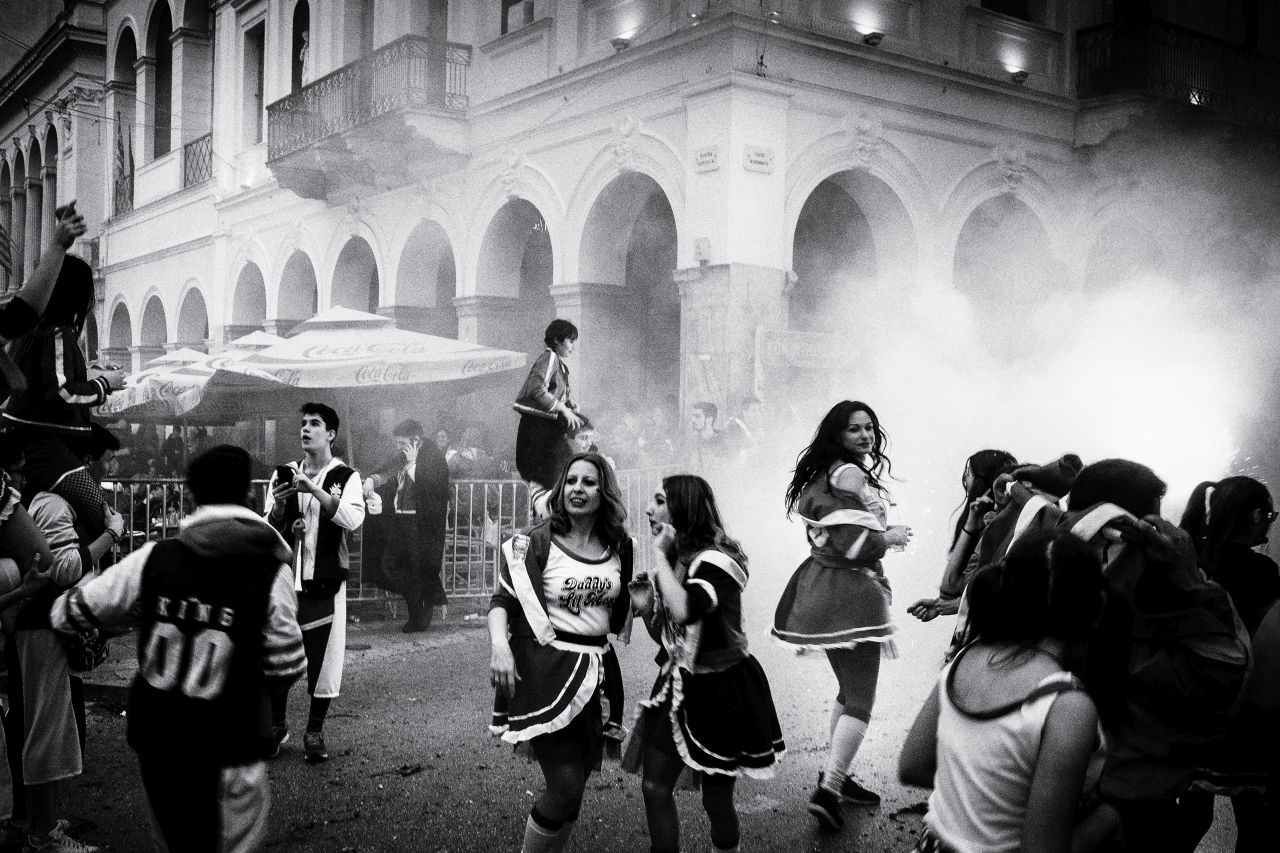
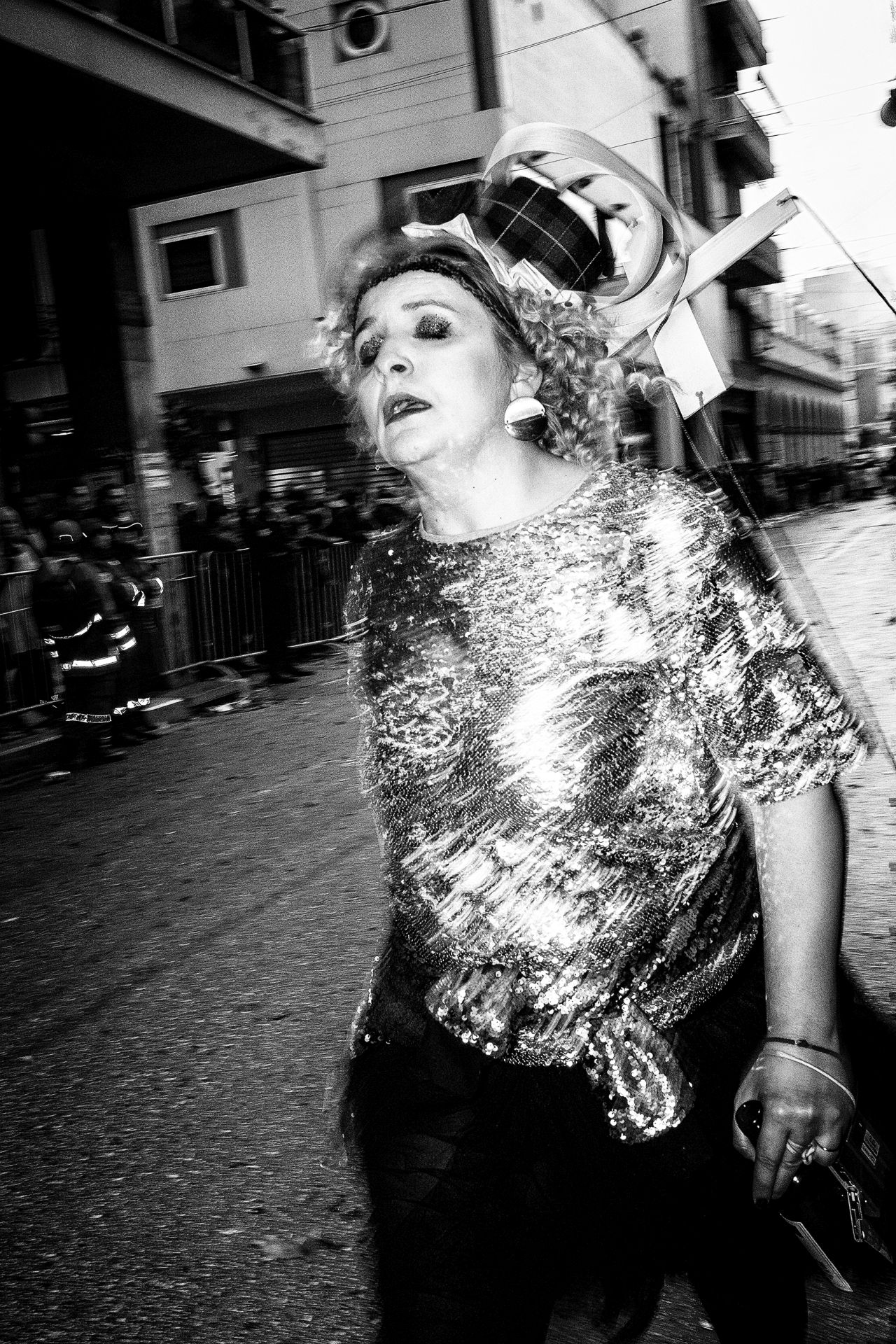
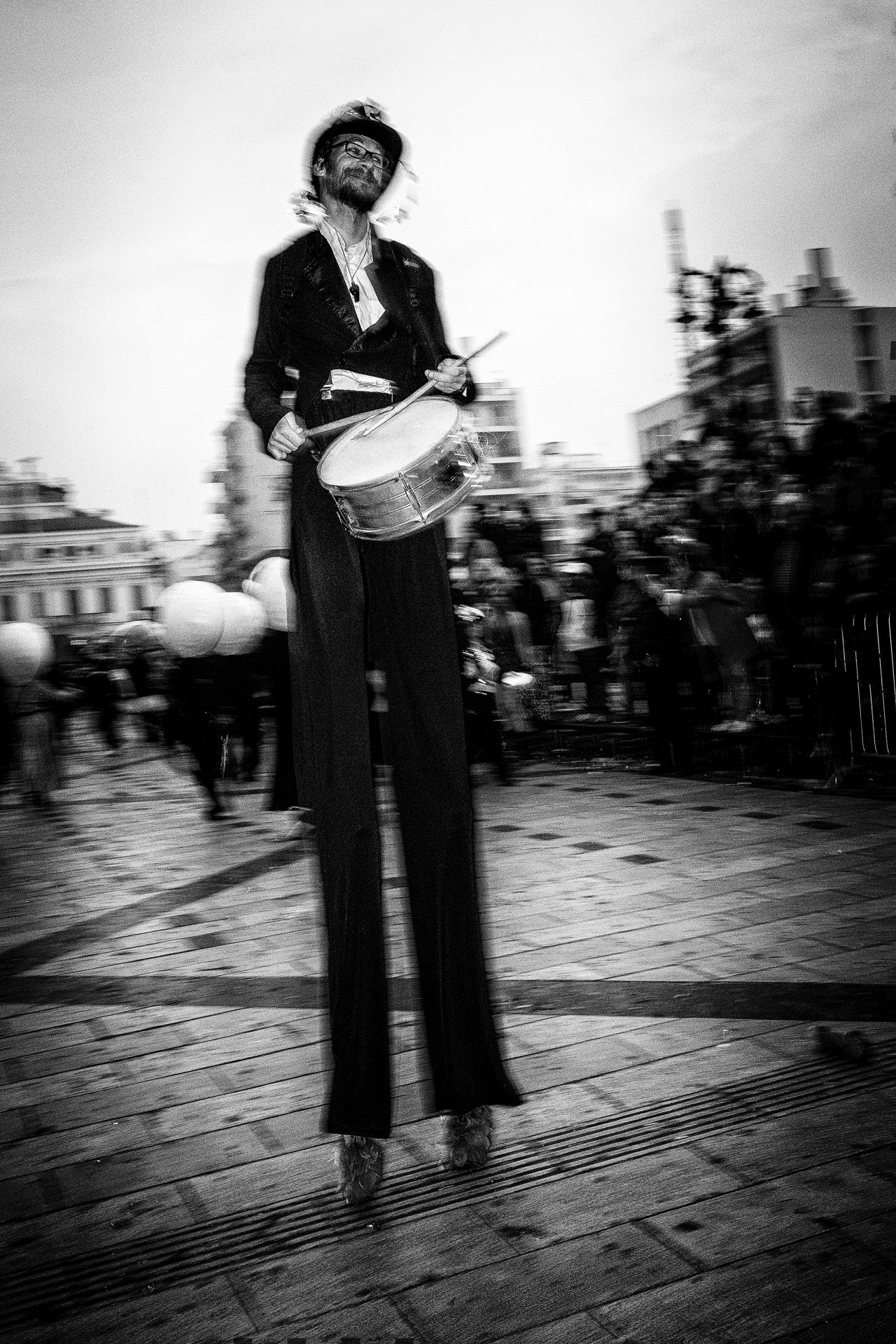
The series was shot In Patras during the biggest carnival of Greece and one of the biggest in Europe. I wanted to capture something of the vibrancy and exuberance of the event, utilizing techniques such as shutter drag and camera shake while at the same time I was opting for wide, multilayered compositions. The entire series was shot during four hours within a radius of about 500 metres. In the final edit of ten photographs, I intentionally included some quieter images for flow and punctuation.


Marco Bollaart (Netherlands)

“I’m Marco Bollaart and have a passion for streetphotography. I like to wander the streets not knowing what to expect and come home with great pictures you can’t predict in advance.

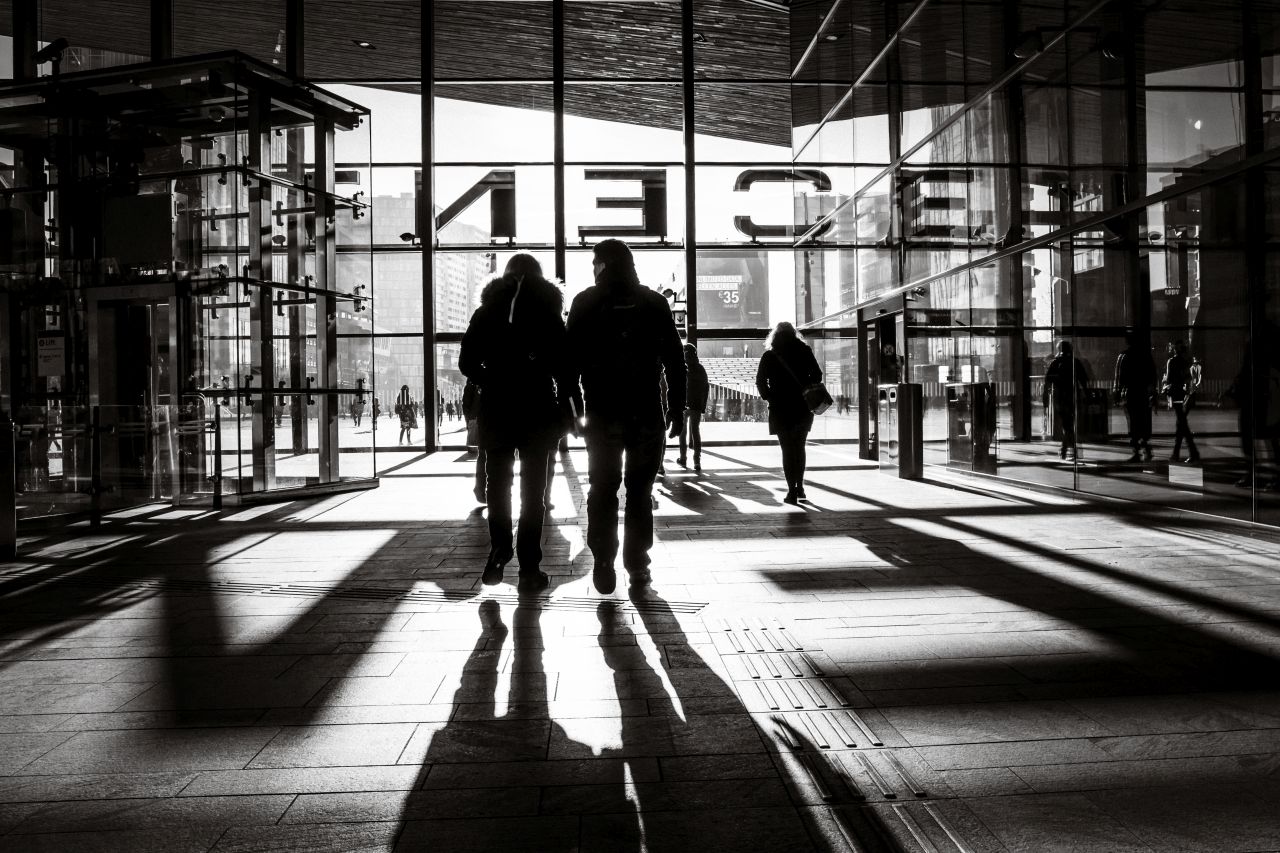
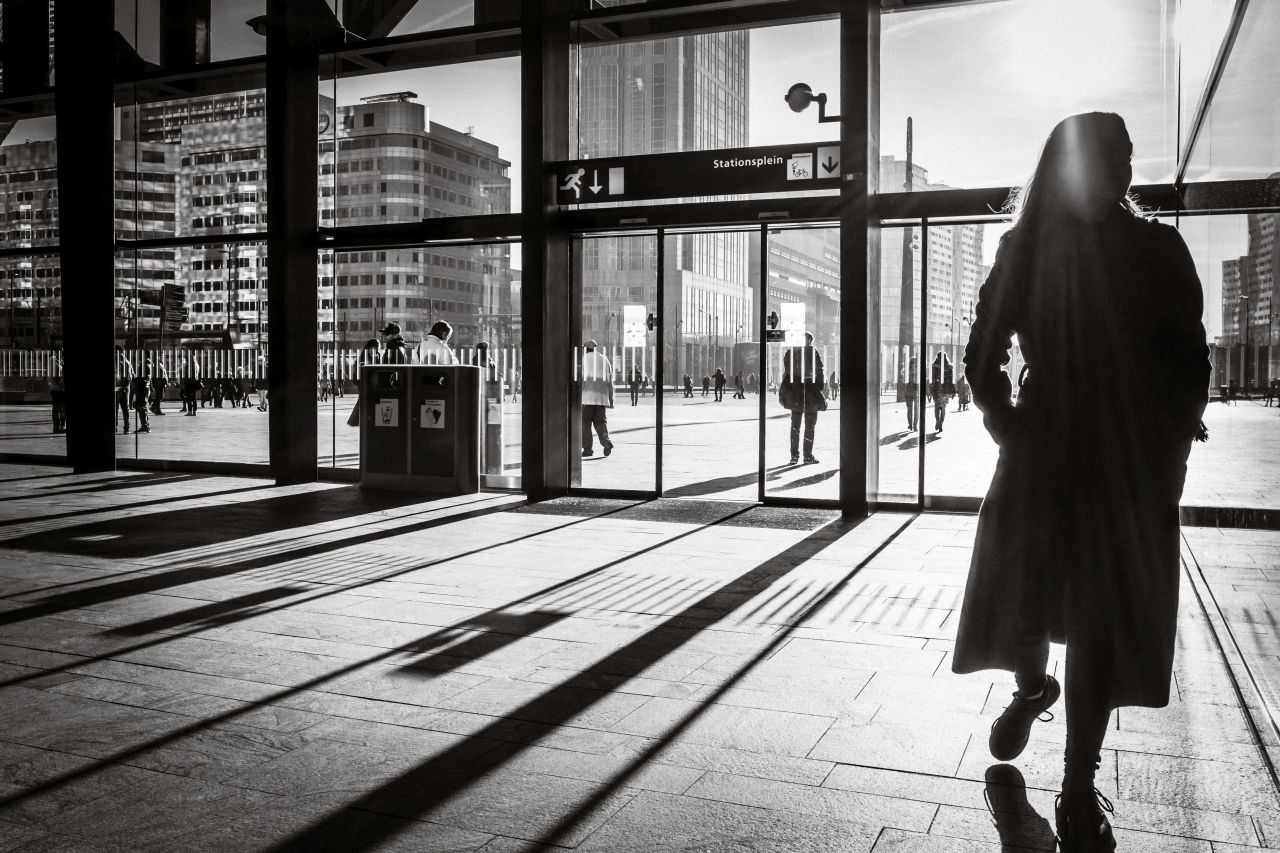
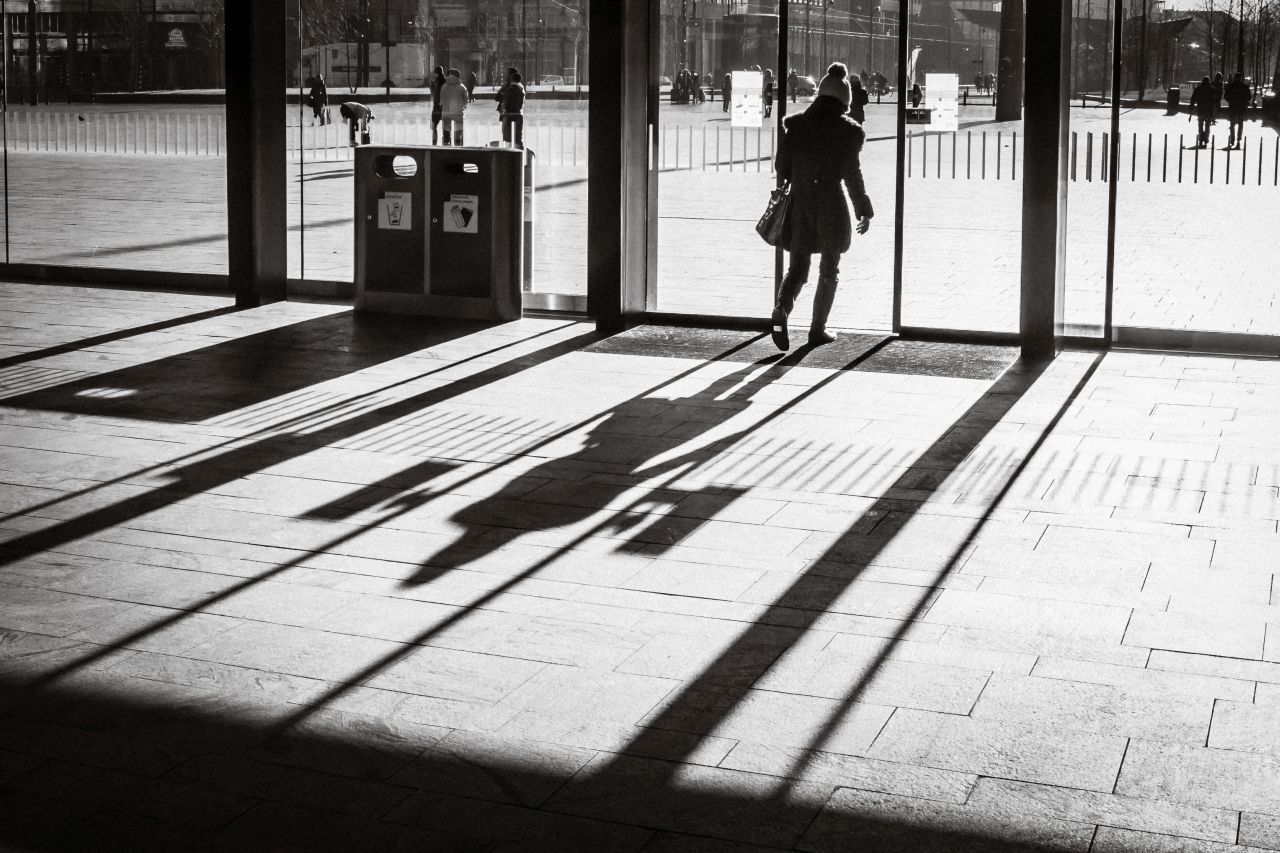
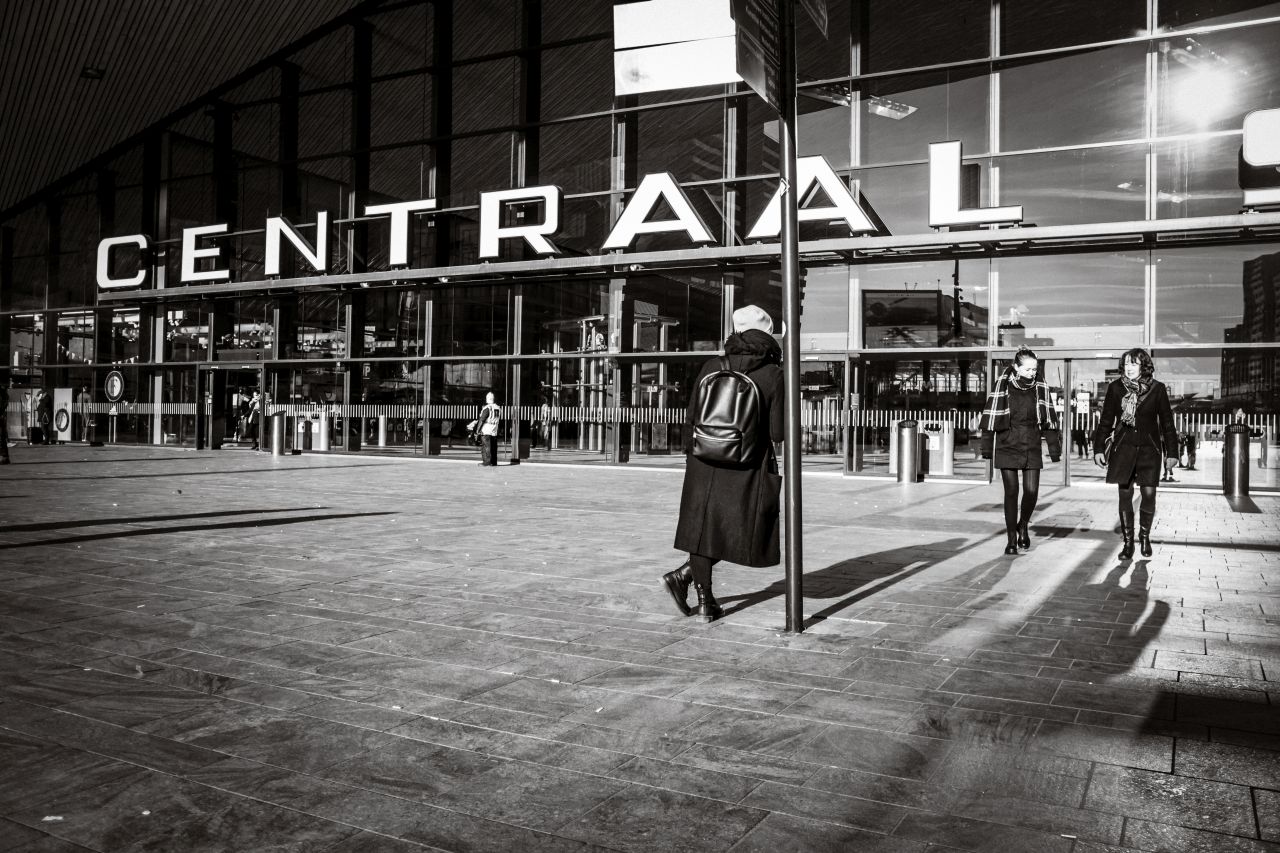
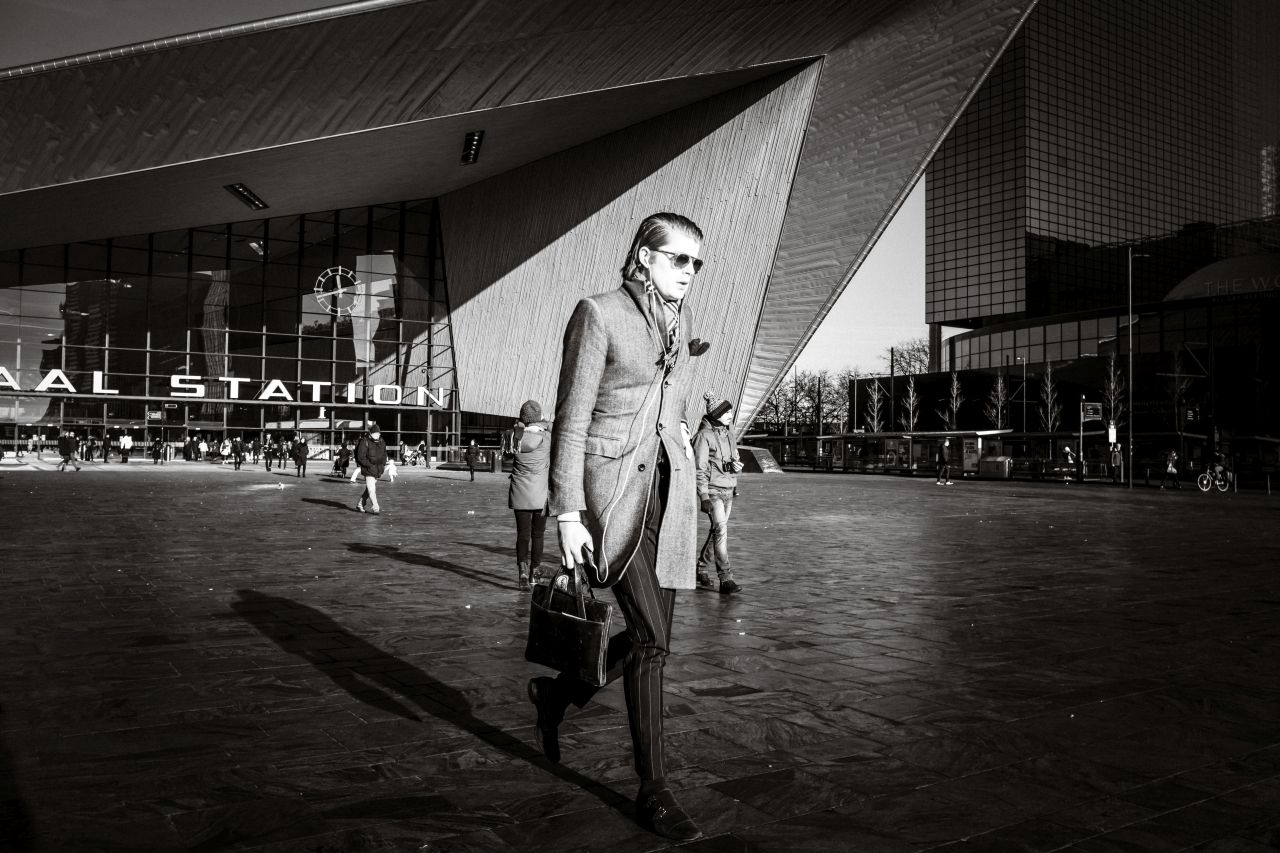
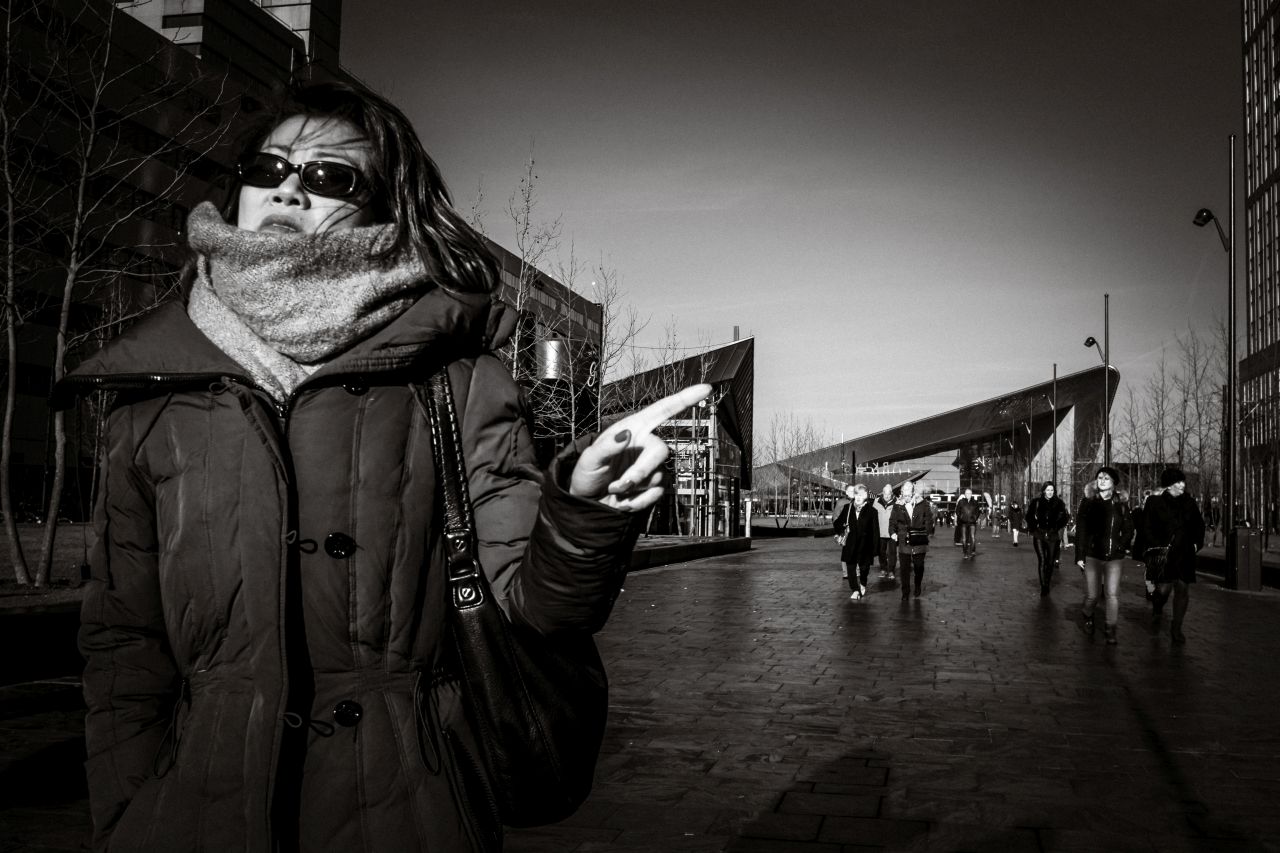
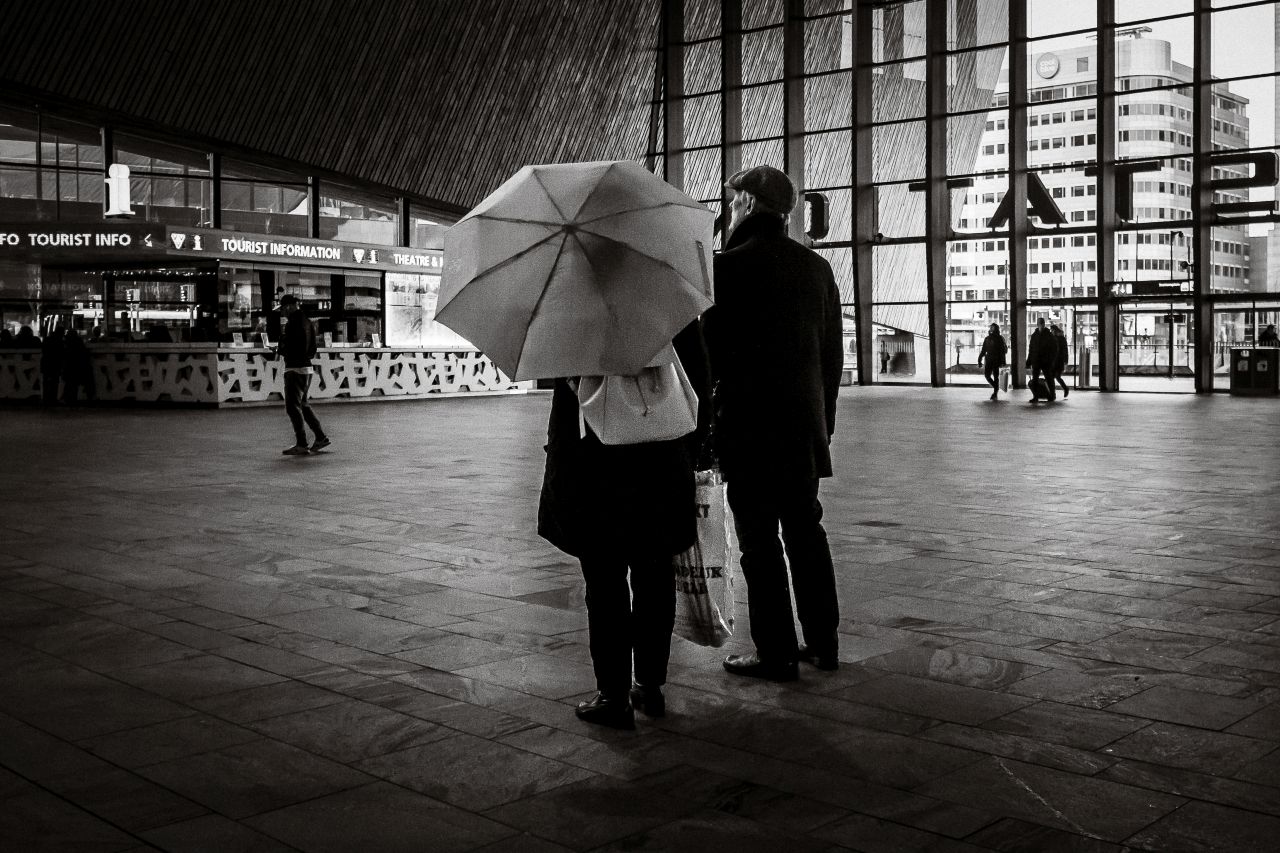
For the contest I sent in a serie of the Rotterdam Central Station area. This is a great area for streetphotography, with many opportunities. Although it’s one location, I’ve tried to make my serie as divers as possible. Hope you like it.”

All shots were taken in and around Central Station Rotterdam, Netherlands.

 

It might have been just plain luck

Zisis Kardianos and his experience of blending in the crowd of young and uncontrolled tourists.

Zisis, please tell us a bit about yourself.

I was born in 1962 in Zakynthos, an island in the southern part of the Ionion Sea in Greece where I still live and work. I studied sociology and photography in Athens during the 80’s. After a long hiatus, my interest in photography was resurrected, as it is typical, with the advent of digital (even though I have recently decided to start shooting film again).

I expanded my knowledge on photography over the last ten years, with occasional workshops but mainly through books, studying the oeuvre of the masters and contemporary photographers. The Internet has played a key role in that, so I could say that I consider myself more as a self-taught. Above all there is constant practice and motivating myself to engage in diverse self-assigned projects that not all of them adhere precisely to the street photography modus operandi.

Does living on an island somehow limit or actually increase your creativity in photography?

Living on a small island, which is crowded with tourists during the summer months and then gets very quiet, can at times be daunting. I have no doubt that if I was living in a big city, I would have been more prolific. However I cannot change that so I’m constantly trying to reinvent myself and do the best of what’s at hand. Occasional trips to Greece or abroad, help me to keep my sanity and reignite my faith on photography.

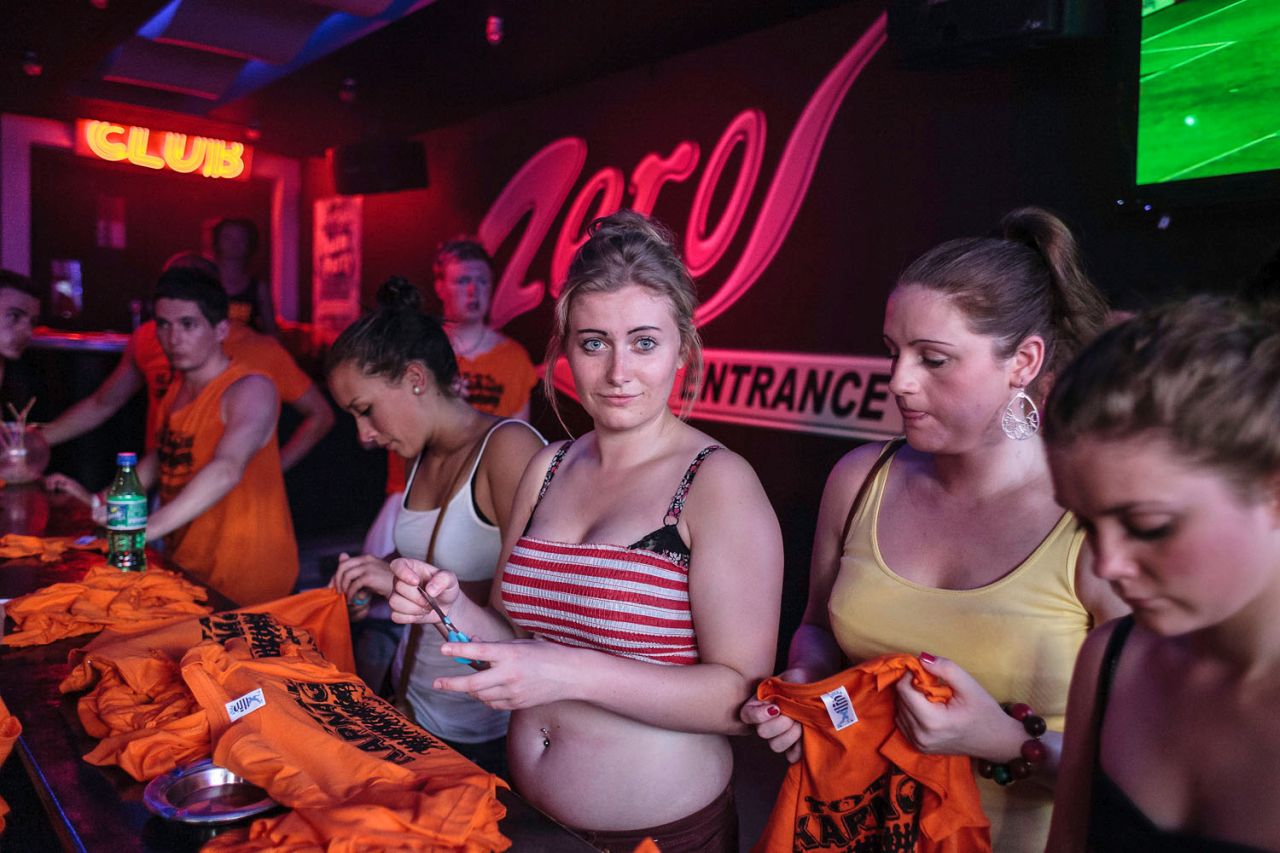
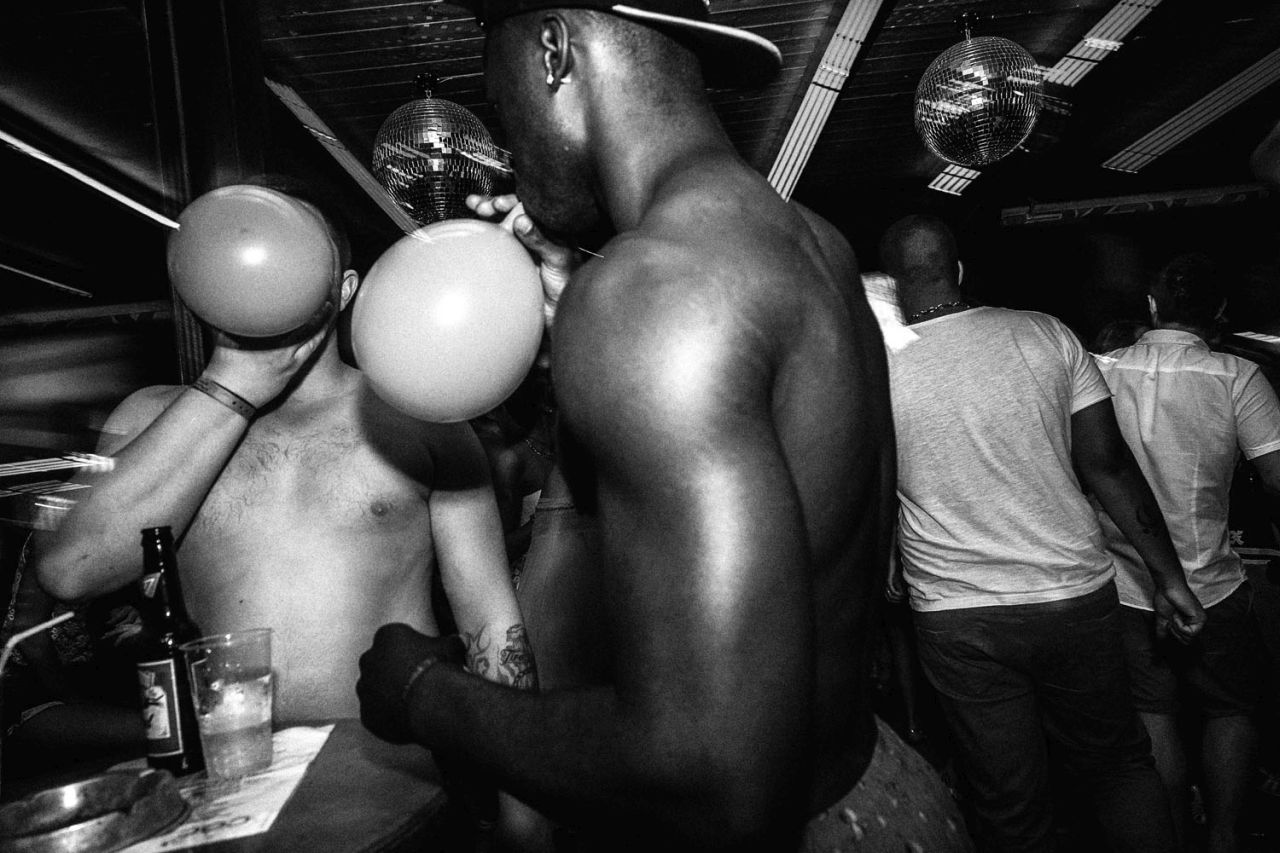
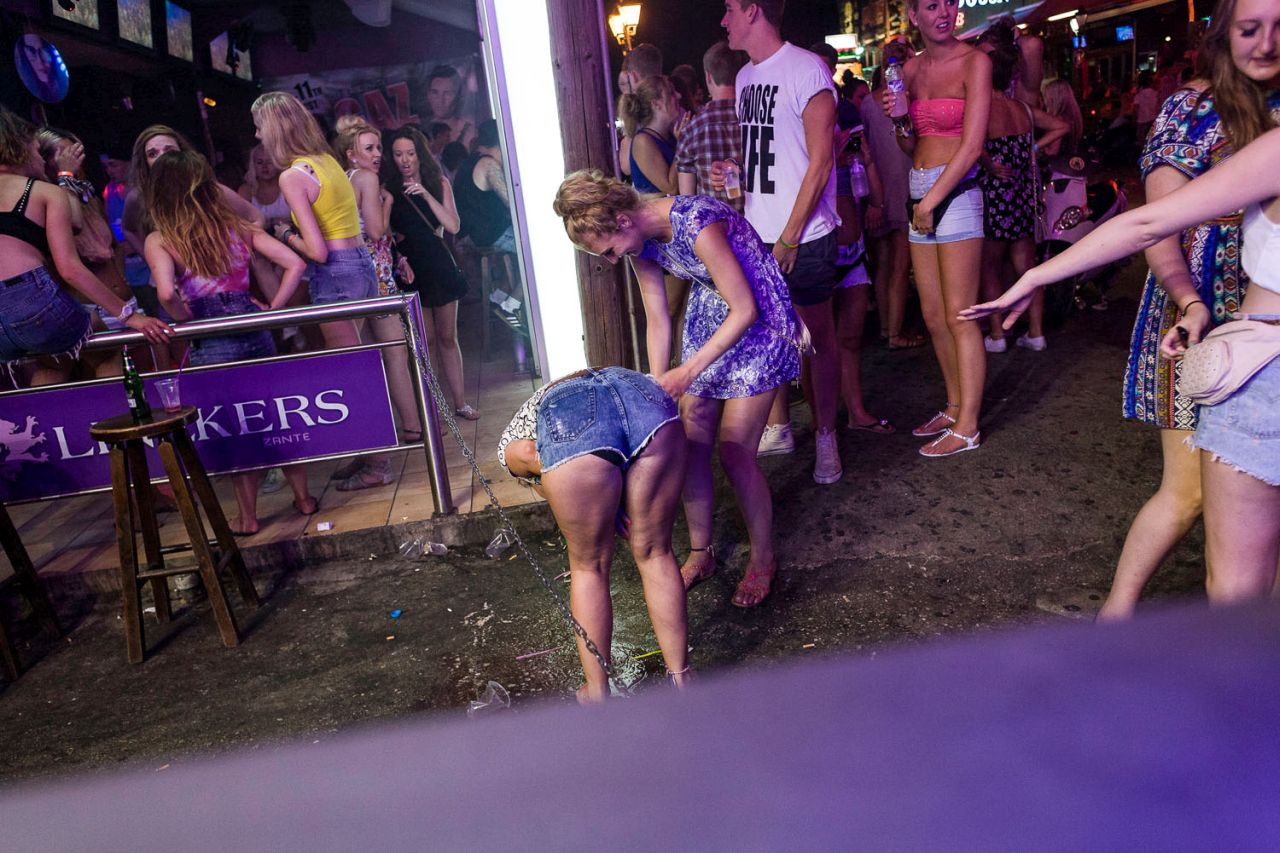
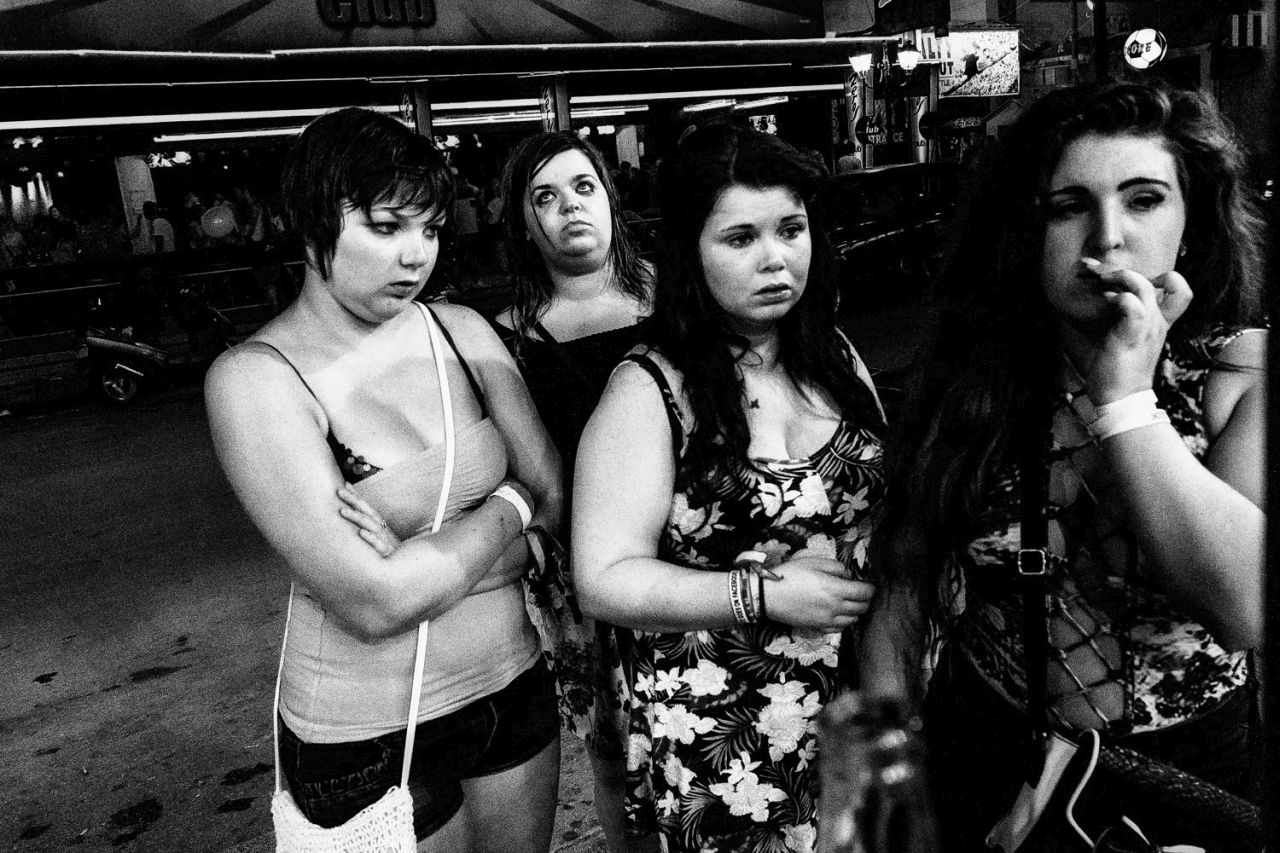
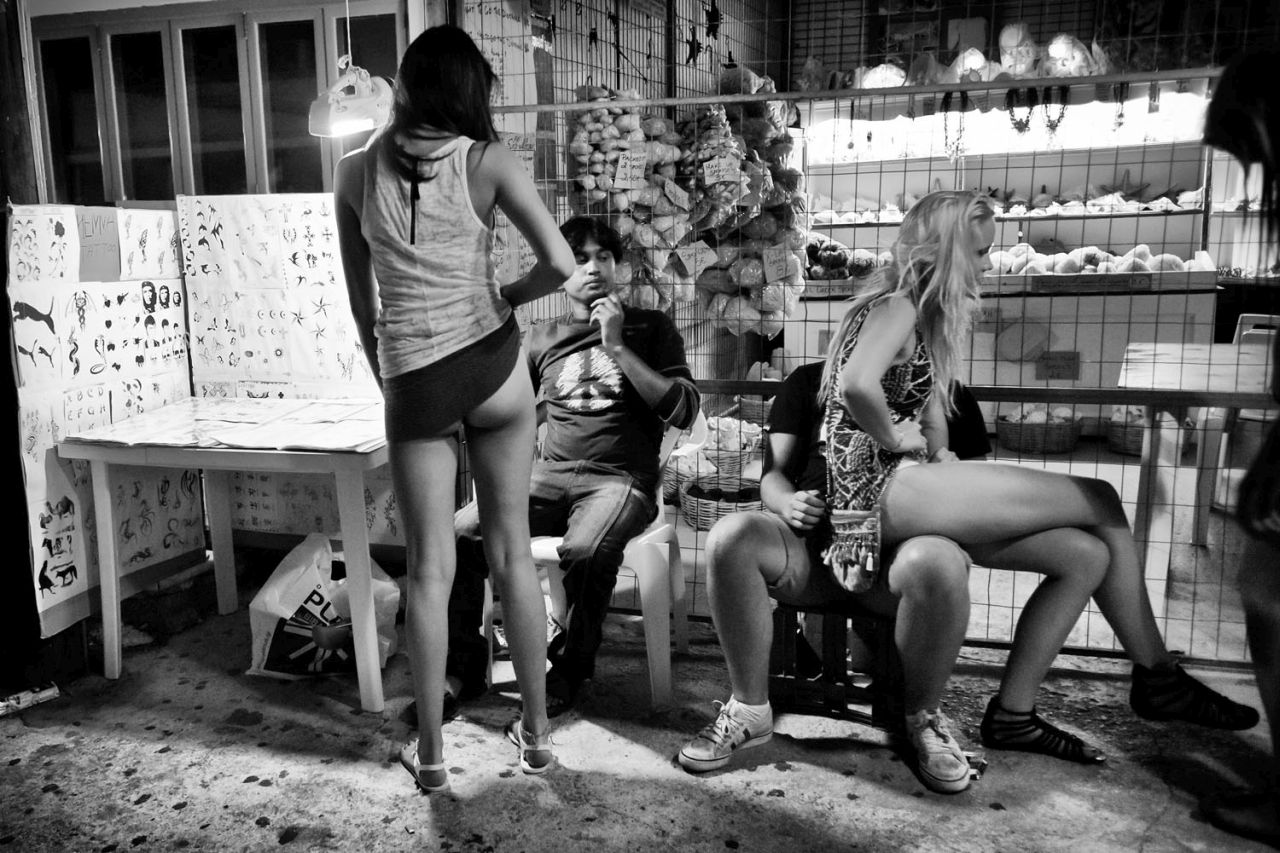
Your submitted photos are from an on-going series “Carnage Strip”, shot in Laganas, the number one nightlife hotspot in Zakynthos. Please tell us about your experiences blending in the crowd of young and uncontrolled tourists.

Laganas resort can be a dangerous place to shoot street candidly during the wee hours of the morning, so in the beginning I was very cautious. When I shoot there, I’m employing different techniques. Each situation calls for a different approach.

I can be the fly on the wall, work the scene for several minutes, blend with the crowd on the bustling sidewalks, get in the bars and engage with whatever is going on in there, use flash or not. It might have been just plain luck, but I have never encountered an unpleasant confrontation so far.

Photos © Zisis Kardianos

You are a founding member of the international photographers’ collective BURN MY EYE. Please tell us a bit your latest activities and future plans of your group.

After the last expansion of the group with four new members last year, we have now decided to put on hold this kind of activity and concentrate on making our first printed publication. There are plans for a big event featuring workshops, portfolio reviews and exhibitions in Taipei and we have started producing new work for a joint project.

What are your future plans for 2107 and are there any other projects you are currently working on?

The second half of 2017 is expected to be very busy for me, as I am invited to two photography festivals as a guest. In the one I will be a contest juror and I will conduct a workshop and in the other I will exhibit one of my series. I’m sorry that I cannot unveil the names of the festivals as they are not yet officially announced.

Other than that, I’m working on a new self-published book, I keep shooting for some of my on-going series but what has caught my imagination and fueled my anticipation more than anything is my imminent return to photographing film again this time with a medium format camera. I have some ideas for new projects outside Greece that will be shot entirely with film.

Where can we find more of your work?

On my WebsiteInstagram and on Flickr

Thanks Zisis!

Anang Hanafi dives for cliche life activities

Anang Hanafi kindly share with us some photos from his ongoing street photography series ‘Fragmentary’.

Anang, please introduce yourself briefly.

I am Anang Hanafi, from Malaysia. I now reside at Port Klang, Selangor as I’m working here in government sect. I always spend my weekend in Kuala Lumpur whenever I’m free to experience and capture what may catch my attention on the street.

What are your favorite subjects and places for Street Photography in your city?

My favorite subject is human. Normally I’ll focus on life, human activity, everyday random moments and human interaction. Anything that happens on the street which is unique will get my attention.

Here in Kuala Lumpur we have a lot of places with different culture and characters. As a multiracial country, each place will portray the life and culture of certain races. The interesting part about this is all of us are living in harmony and always tolerate to each other.

Tell us a bit about the overall street photography scene in Kuala Lumpur and in Malaysia.

Street photography in Malaysia is expanding and keep growing. More people started to appreciate and try to get involve with street photography. All of this will be the historical materials for the future references. The real life of our place.

Let’s dive into your work. You submitted your series “Fragmentary” for the deep dive segment. How came that series and idea about?

The series and idea is about ‘fragments of our life’. Just cliche life activities that all of us going through. These are the collections of ‘a slice of life’ scenes and moments that happen around us but always been ignored. I choose to record and capture from this perspective as it’s actually a part of the moments that happen in that time at that place.

What are your further plans and projects in Street Photography?

This ‘Fragmentary’ project is an ongoing project that maybe will take more time to be completed. So once in a while I’ll try to attach myself with any short-term project.

Where can we find more of your work?

WebsiteFlickrInstagram and on Facebook

Thank you Anang!

During Frédéric Saez lunch break

During his lunch break, Frédéric Saez went street diving around La Madeleine, Paris.

Frederic, please introduce yourself and tell us a bit about your photography.

I’m a French photographer, born in la Loire Valley, city of Tours. I do street photography for several years in Paris and through my travels. I live this discipline as one of the best experiences of my life in the way that Street Photography connects me with the world. I explore the urban space with curiosity to visually document the behavior of my contemporaries while being in search of the unexpected. I also realize documentaries on more personal topics.

My photography is naturally oriented on people. Documentary photography, reportage and street photography are my sources of inspiration, cinema, and music as well. With my photographs and series I try to bring a fusion between quality and emotion through the prism of my own cultural and aesthetic approach.

Looking at your portfolio you like to travel a lot. What was your most favorite trip so far and why?

Thank you for asking this question because I like traveling above all. Immersing myself in different cultures, to discover new horizons and to meet people who live differently is very enriching. My most recent and significant traveling experiences were in Buenos Aires which is a very poetic city and Havana where you can feel humanity with very nice people in the streets. I could produce nice street photography and documentary series in these two cities.
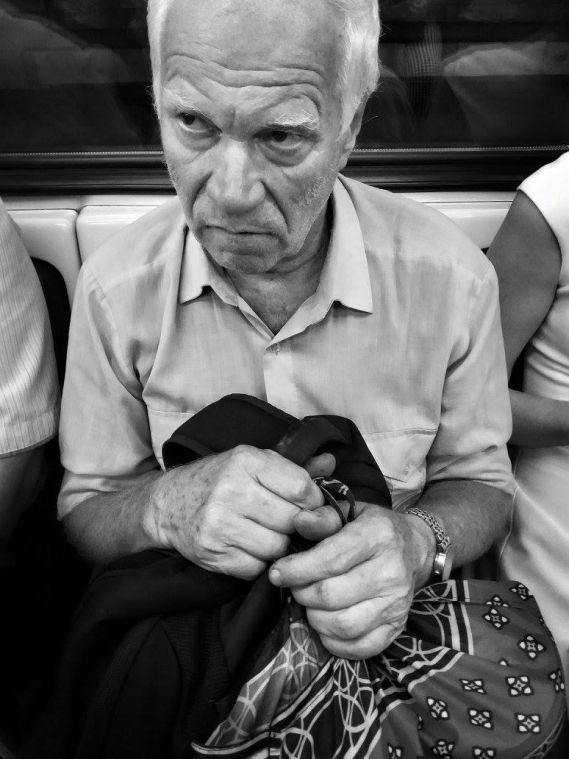
You are based in Paris, France. Even if every corner in your city has probably been covered, what are your favorite places and themes for street photography in your city and are there still any insiders’ tips?

Paris is a city of predilection for photography, there are so many different neighborhoods that it is not easy to answer. My prefered places are between “Grands boulevards” and “Rivoli” for the crowded environment.
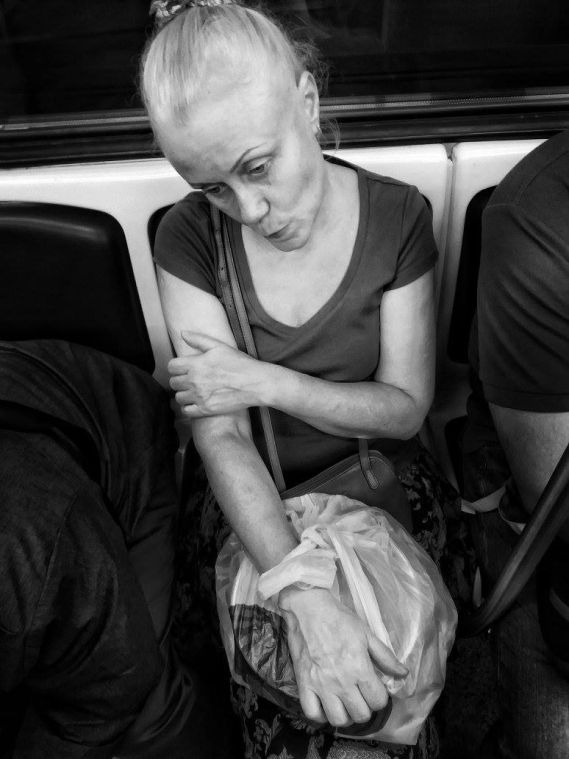
If I had to advise a few places I would say that for photographers who like the graphic environment I would go to the district of “La Defense” where one can play with architecture and shadows. Romantic shooters should go to “Montmartre” and around “La Bastille” you could find crowded streets for pure street photographers. Try also Belleville if you like graphic street arts. This a non-exhaustive list.

You shot your series during a lunch break around La Madeleine in the city center of Paris. What was your approach and how was it to have only limited time to create a photo series?

The time constraint is interesting in the challenge of “Street dive”. It pushes my creativity and my street instinct to the maximum. When I have read the description of the Street Dive, i asked myself what it could come out of such experience. The day I felt I was inspired enough, i went to my neighborhood for an hour to take frames. It was a limited work off course due to the time limit, I had to admit a small number of photographs in the selection. That’s the game!

Photos © Frédéric Saez

You took a workshop with Alex Webb & Rebecca Norris-Webb in Rome lately. How was it to work with one of the most famous street photographers and what did you take out of the workshop?

Working with Alex and Rebecca was a very rewarding experience. They are both great photographers and remarkable poets. Their positive teaching really pushed myself beyond my limits rising my photography.

With this workshop, i learned how to put intensity in my photos and select them to make consistent series. But it was also a pivotal week that opened my eyes to a different way of seeing and thinking. Clearly for me, there is a before and an after this week. I would never be thankfull enough for all the positive waves they brought to me and to the group as well.

Is there anything else you want to talk about?

I take photographs in black and white or in color depending of my feeling with subjects. I use both Leica M and Leica Q digital cameras. I appreciate the size and unobtrusiveness of a Leica. I also like using a rangefinder, it allows me to get everything in focus and to see what is coming in the frame, combined I feel a better approach in the urban space to anticipate the street situations. I generally use 28mm being close, occasionally a 35mm, sometimes a 50mm.

Where can we find more of your work?

You may find more of my work on my website: www.fredericsaez.com

Thank you Frédéric!

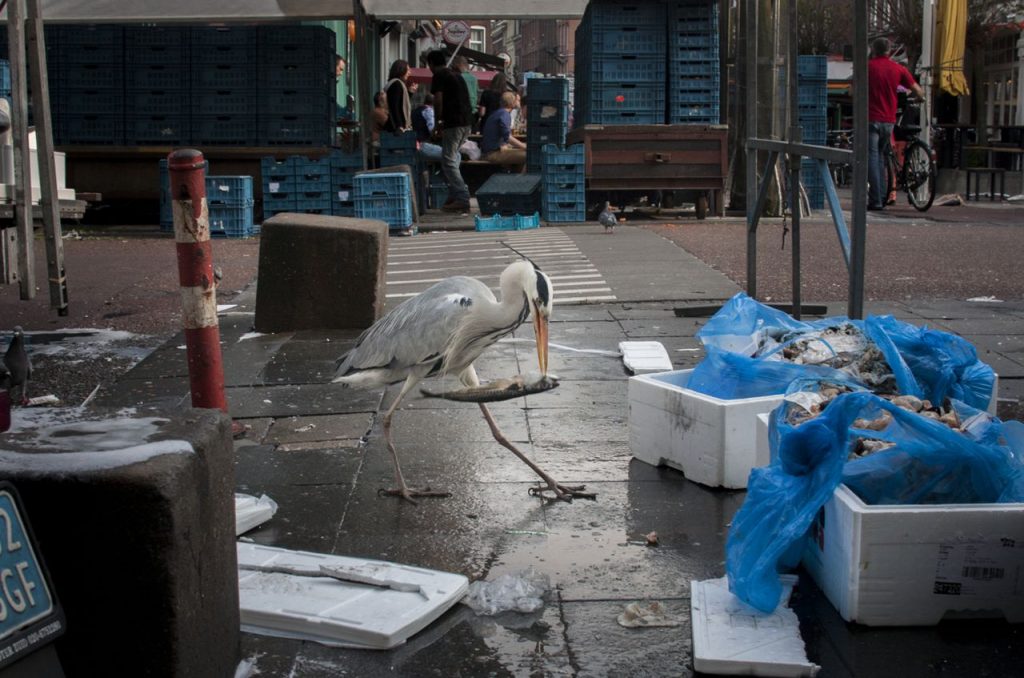
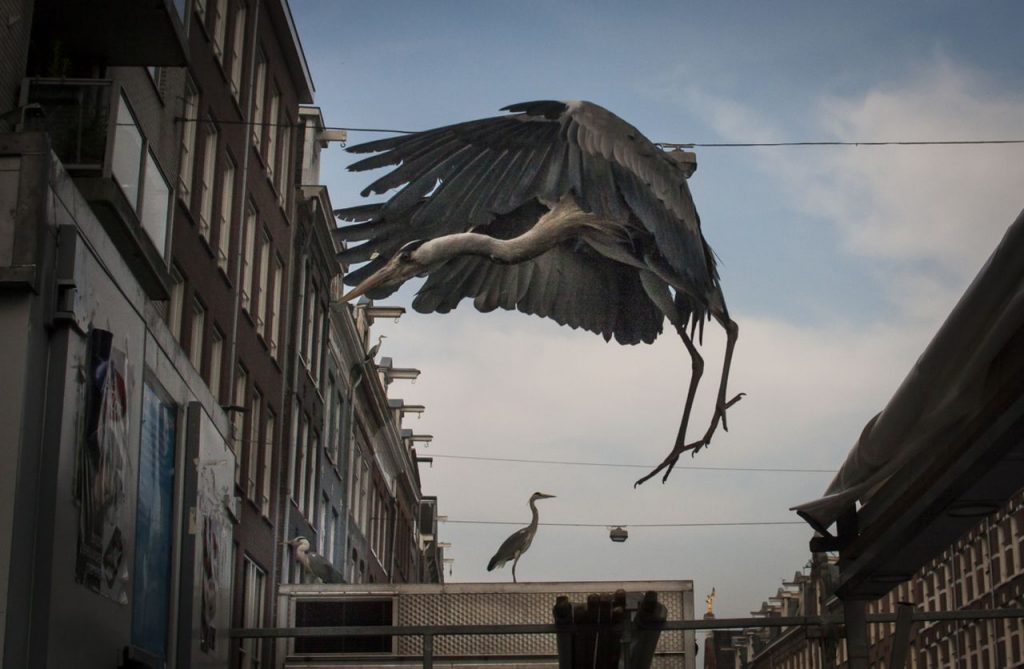
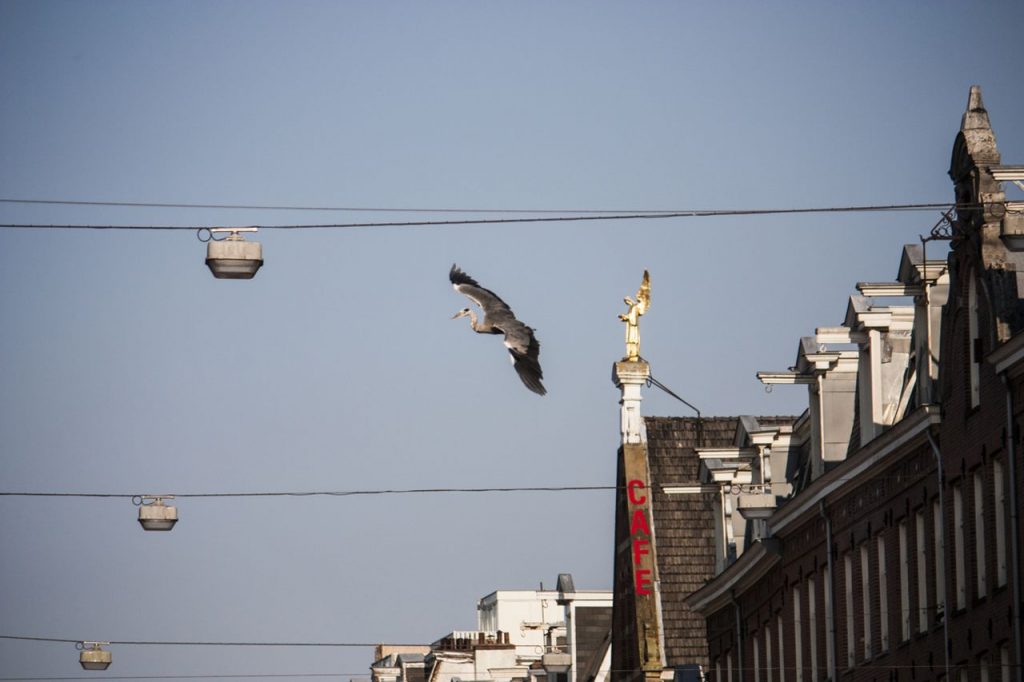
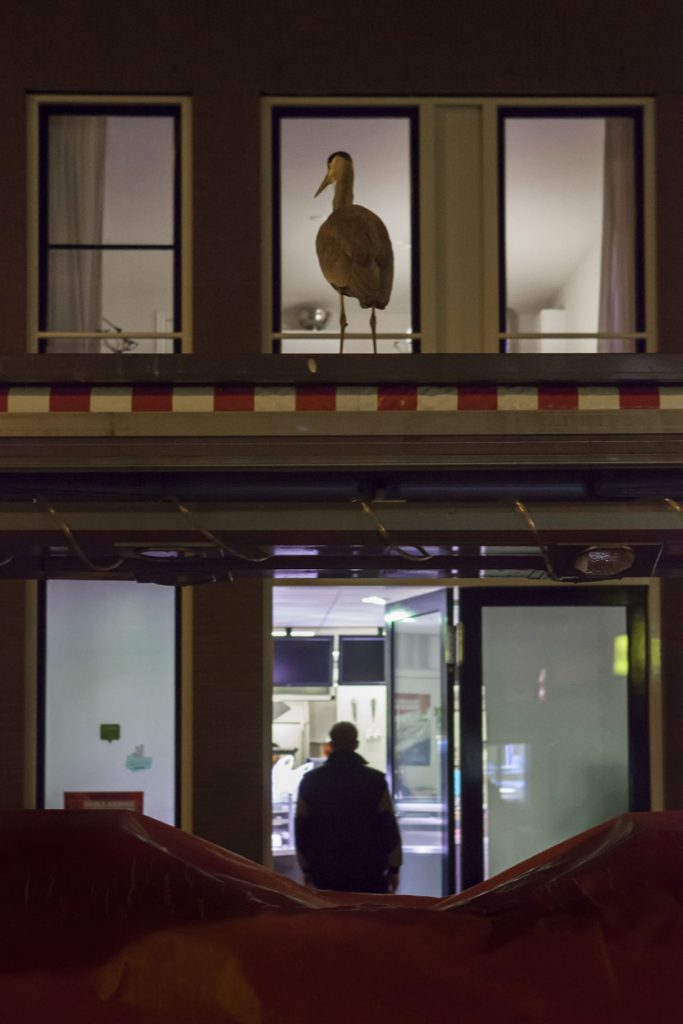
Julie Hrudova and the life of herons

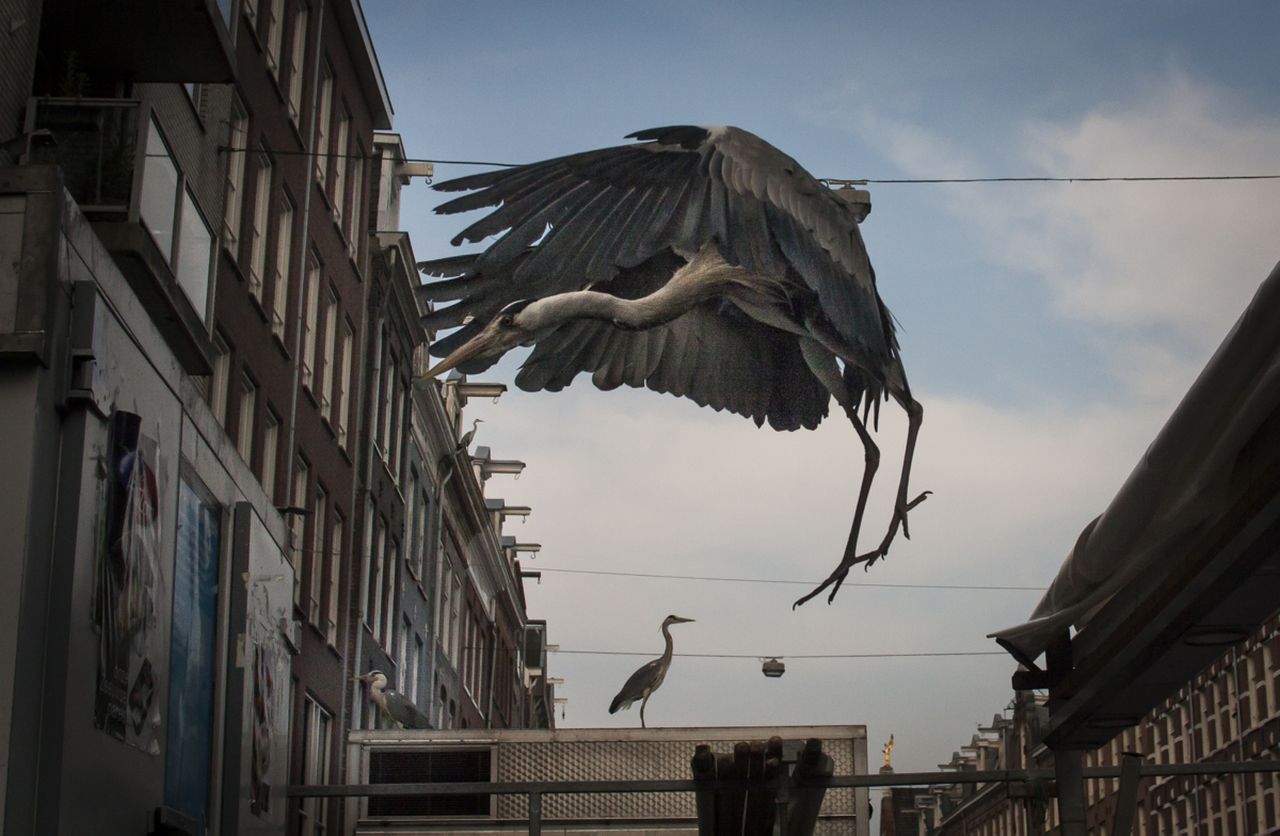
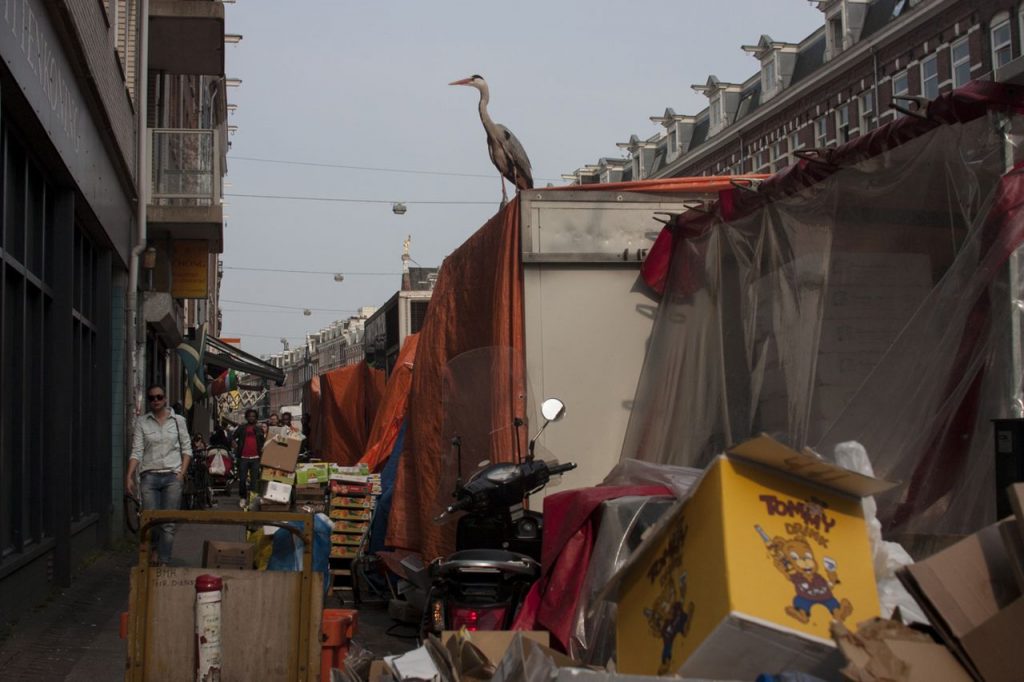
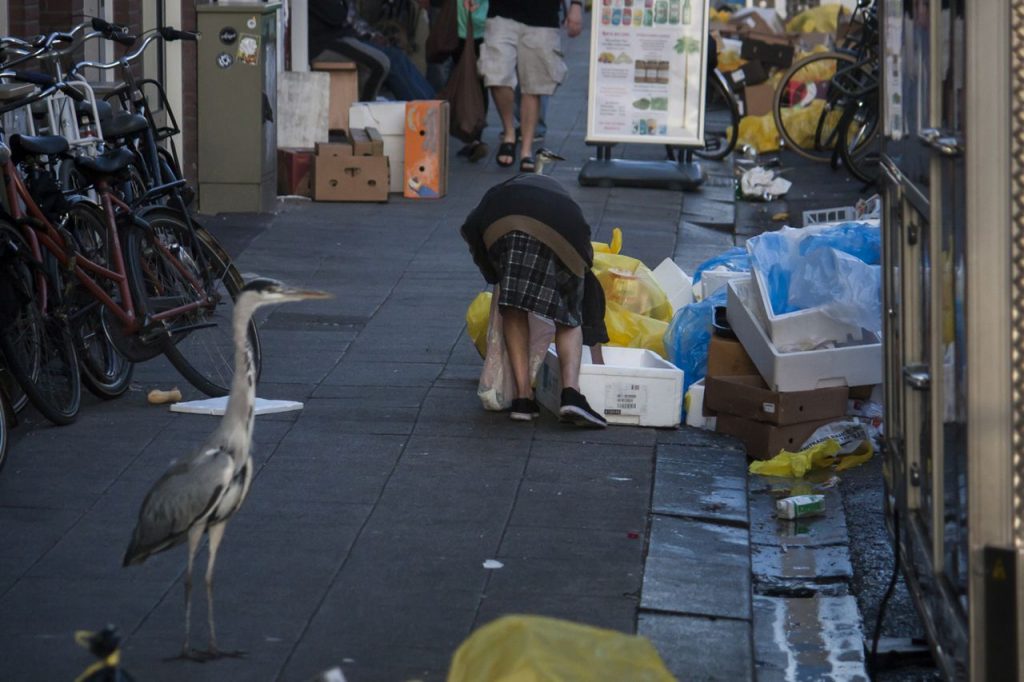
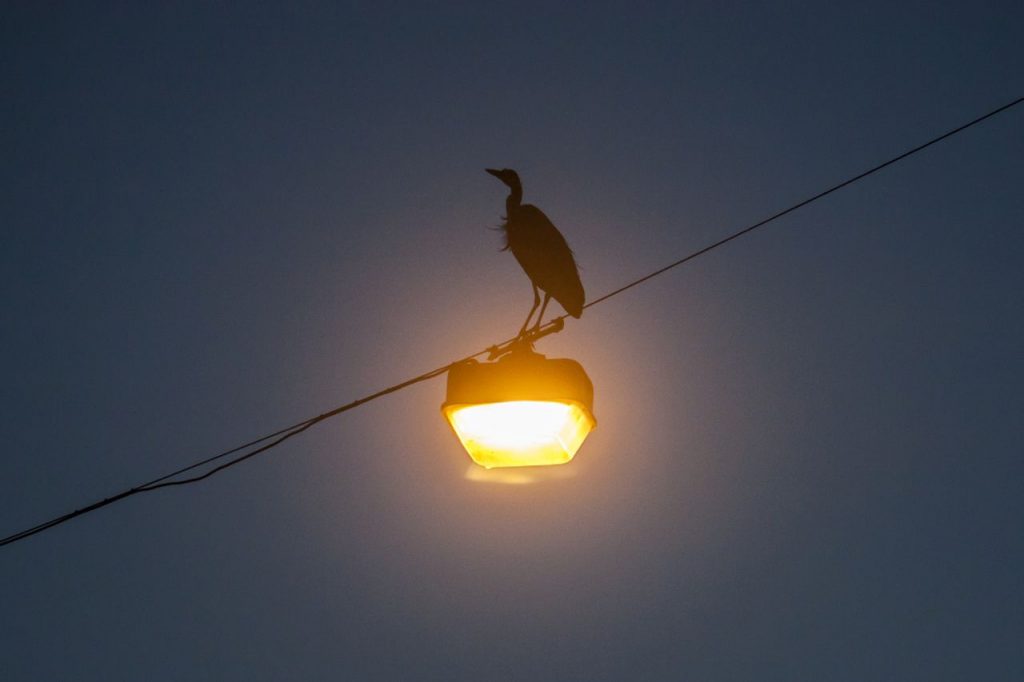
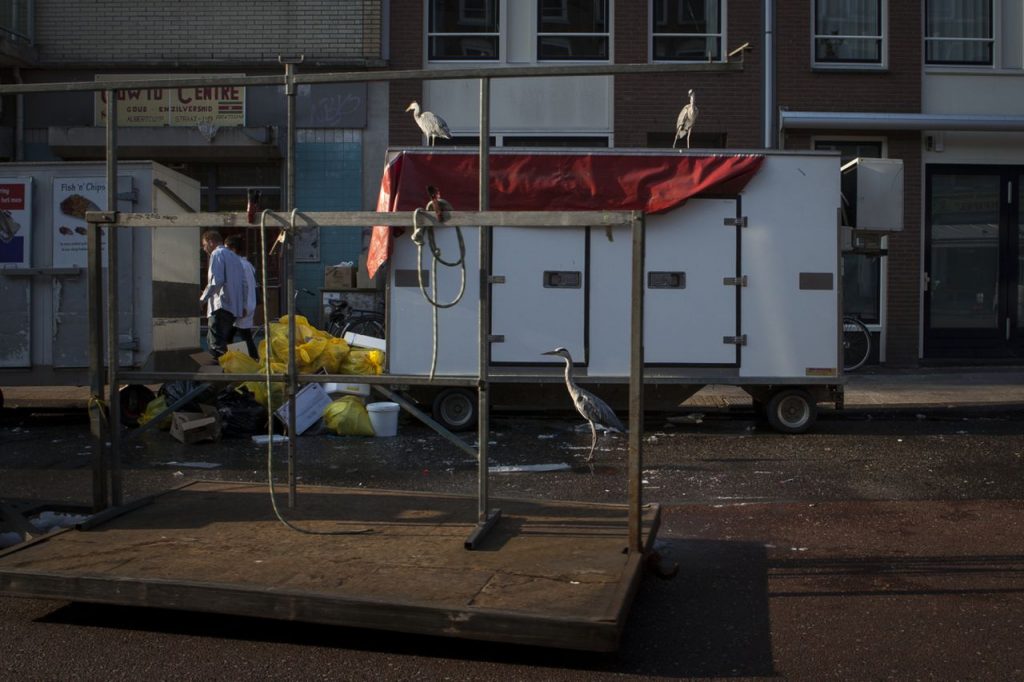
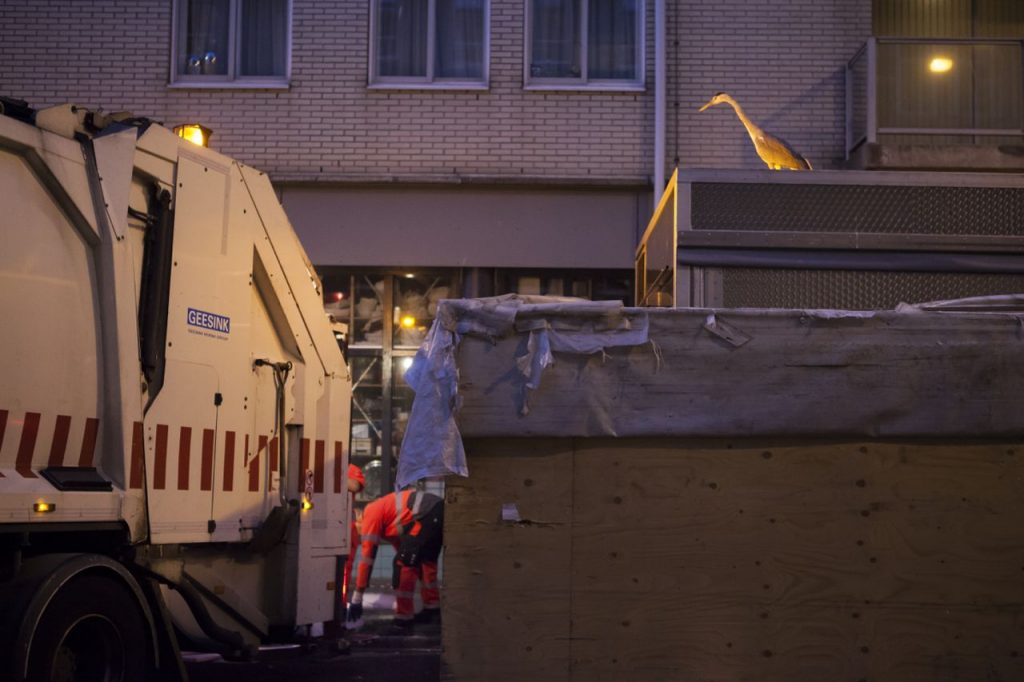
Julie Hrudova is documenting the life of herons at Albert Cuyp Market, the most popular market in Amsterdam and in the Netherlands.

Julie, please tell us a bit about yourself!

Hello! My name is Julie Hrudova, I was born in Prague in 1988. Ten years later me and my parents moved to The Netherlands where I still live and work. I learned photography through digital technology, it all started with a Sony Ericsson phone. It gave me immediate feedback and I had to learn by trial and error. I studied Media studies with a Masters in Photography & Film theory.

Now I work as a part-time photo editor at RTL and as a freelance photographer for various media and companies. My personal work is photography in public space, I always carry a camera with me and otherwise I use the phone again.

Lets come directly to the point, why do you photograph?

For me it’s a language. Sometimes I can’t find the right words to explain something, photography can be more to the point. Further on, I like to capture strangeness in normality, translate regular situations into something different. Into my personal interpretation of it. Also the camera is a device that takes you to various places, especially for editorial work. It opens a lot of doors.

You shoot editorial and commissioned work as well, but in which photography genre lies your true passion and why?

I think it’s a combination between personal and editorial work. I often come up with stories I’m passionate about and offer them to newspapers and magazines. Like the herons, I was fascinated with the routine of the birds at the market. The newspaper then published the photos with a beautifully written text. Then it all comes together.  Commissioned work is fun as well but of course then I’m shooting for the client. It’s important to keep the fun in the work because that was the reason why I started photography. That’s why I choose for the part-time combination, to not be dependent only on selling pictures.

You submitted a a series about the life of herons at the Albert Cuyp Markt in Amsterdam. How did that series come about?

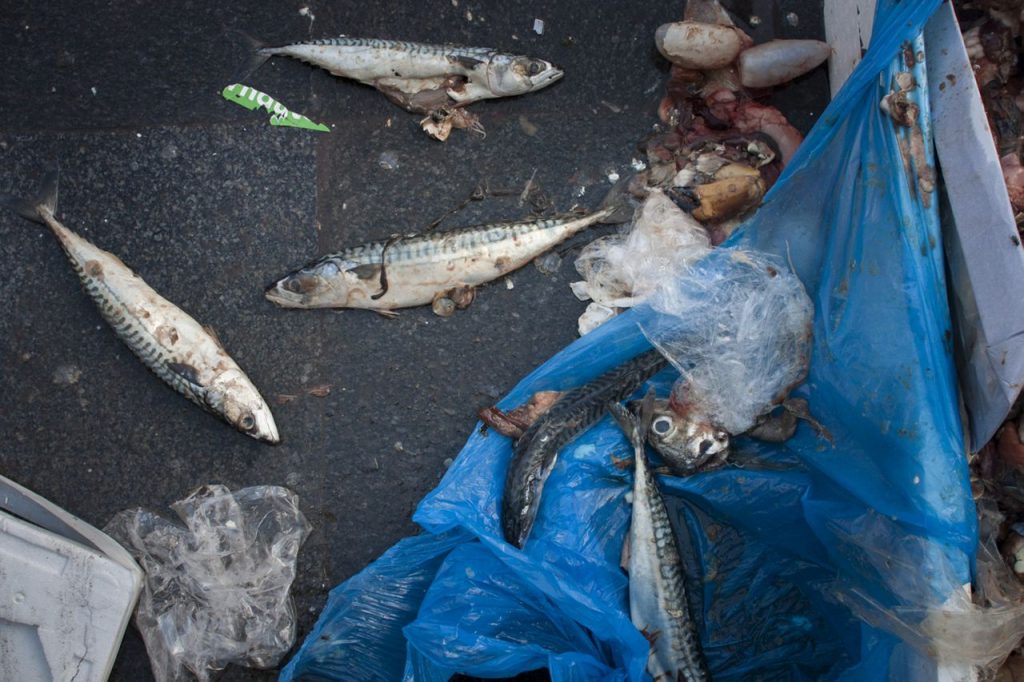
Basically I was waiting for a friend who was late, and I noticed all these herons coming down. And there were many more birds on the rooftops. They have been waiting for the right moment to snatch the leftover fish and chicken as the market was closing. I photographed it and came back another day to capture it for a whole evening.

The birds are regulars and this routine repeats itself every day. Therefore the fishermen don’t like the herons so much but it’s an attraction for the tourists passing by. After the newspaper article I didn’t go back for a while and some years later a nearby gallery asked me to hold an exhibition. It was logical to put up the herons and I started coming back more often in different seasons. It has become an ongoing series.

What are your favorite places for street photography in Amsterdam and what do you look for when shooting there?

I often shoot in my own neighbourhood, Amsterdam Oost (Amsterdam East). It’s undergoing the transformation of gentrification and there are still many contrasts. Although that is not my main focus I like to observe these changes. In my photography I rather look for undefined spaces. Amsterdam East has a lot of these ‘in between’ locations that might disappear as the district and soil are becoming more attractive.

Anything else you want to get of your chest?

Thanks a lot for this opportunity and keep up the good work!

Where can we find more of your work?

http://www.juliehrudova.com
https://www.instagram.com/hrudography/
https://www.facebook.com/hrudography/

Thanks a lot Julie!

One day I bumped into Matsuyoshi san

Adam Isfendiyar and the experience of sleeping on the street with the homeless in Tokyo.

Adam, please tell me a bit about yourself and your photography.

I am 37 and from London, England and have a lot of varied interests which is why I am attracted to documentary making. You can interpret alot about yourself through your photos. I think that there is a certain amount of darkness and edge that comes from my emotional make up.

I try to see the good and beauty in everything but when editing I usually pick the photos that also have a tinge something which says things will never be perfect. I think that is part because of my personal history and perhaps an element of being English too and never being able to see unadulterated beauty without some cynicism. I am more concerned about the feeling of a photo than the technical attributes e.g. sharpness, though that can also be a story telling tool, but the technical aspect is something that doesn’t excite me as much as the emotive possibilities.

Your original from England but for many years in Tokyo now. How did that come about?

I moved to Tokyo in 2010 as I wanted to study Japanese acupuncture, i studied with a teacher for about 4 years and when that came to an end I needed a break from what I was doing and felt that the artist in me had been seriously neglected. I am currently planning on leaving Japan, though it seems to be happening as a gradual process as I am working on photography projects and ways to make traveling and photography sustainable.

Talking about street photography, what are your favorite places and themes in Tokyo for that genre and why?

I don`t really have a favourite place to take photos in Tokyo. I guess a lot of my photos tend to be in trains or train stations, perhaps that`s in part because it`s a place that I am likely to stand around in for a long period of time and also because there is a big mix of people moving around and therefore more opportunities to take interesting photos.

As far as themes for some reason I seem to be drawn to grumpy old men, who usually refuse to have their photo taken…they tend to have the most interesting faces and seem to be the least conformist in appearance, but can be the most uncompliant when it comes to taking photos.

You submitted a photo series from a personal essay about Matsuyoshi san, a homeless man in Tokyo. How did you find him and what was your motivation to document his live?

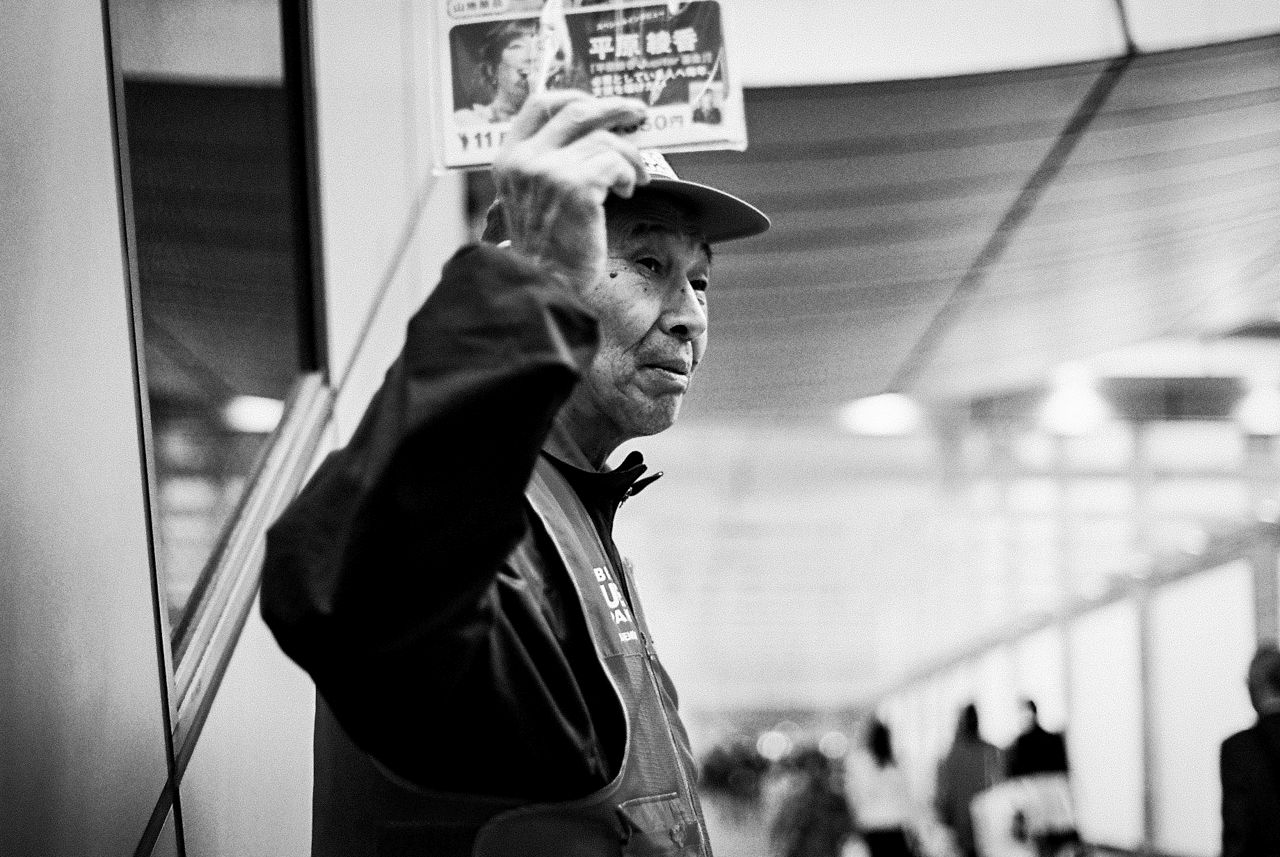
I met Matsuyoshi san a couple of years ago as he sells The Big Issue magazine on my route to work. He speaks really good English and we would often have a brief chat in passing. Since coming to Japan I have been fascinated by the homeless situation, as it is made up of mostly middle aged or elderly men, the majority of whom seem quite content and just want to live in peace and not be hassled.

I really wanted to find out about some of their personal stories and as I made a few documentaries whilst at university I have had an interest in making one on homelessness in Tokyo for a while but wasn’t able to recruit anyone who could help me with the language barrier and was willing to go and chat to homeless people with me.

One day I bumped into Matsuyoshi san when I was on a lunch break and we had a chat and he told me a bit about his life and situation, I felt that i would like to help him and it was around the time that I was thinking of projects I could do, so I came up with the idea of doing a photo documentary and contributing a portion of sales of any prints that I sell of Tokyo scenery to him and he agreed.

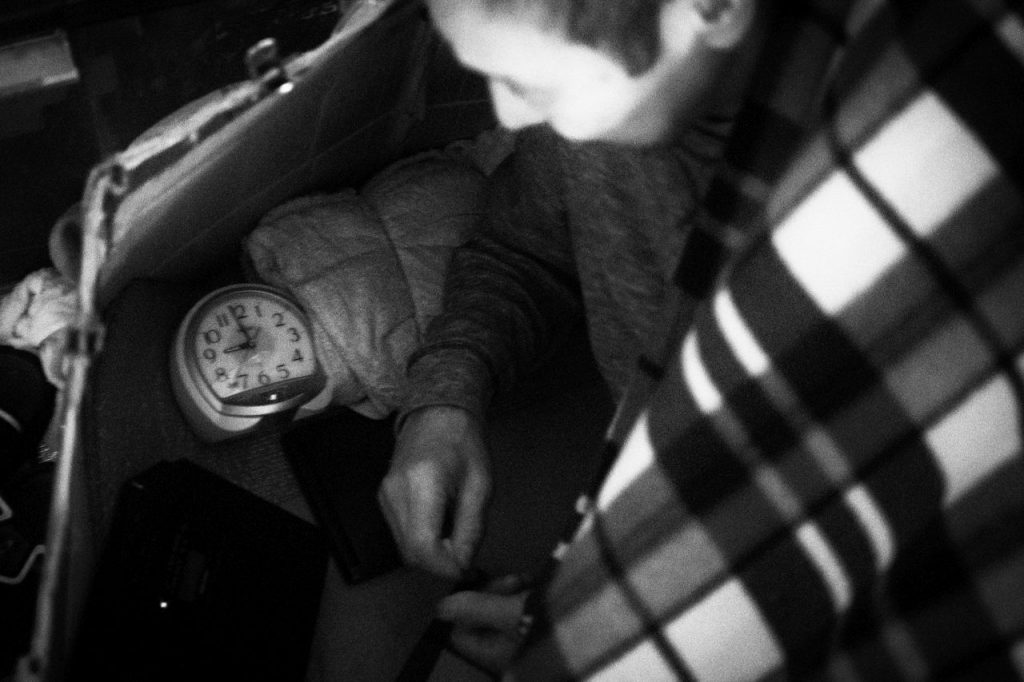
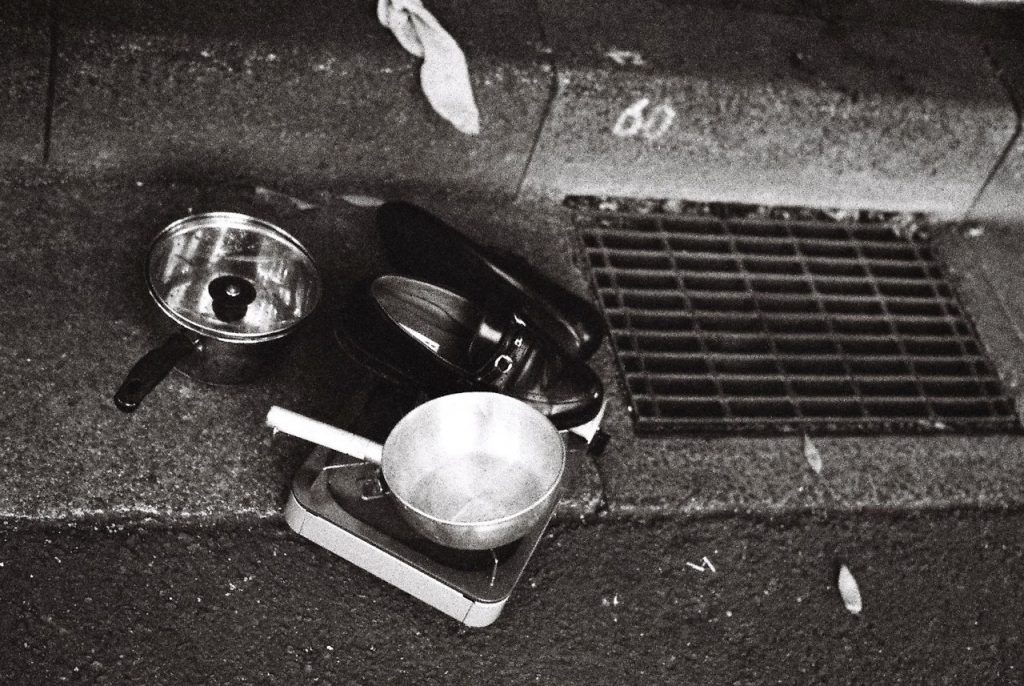
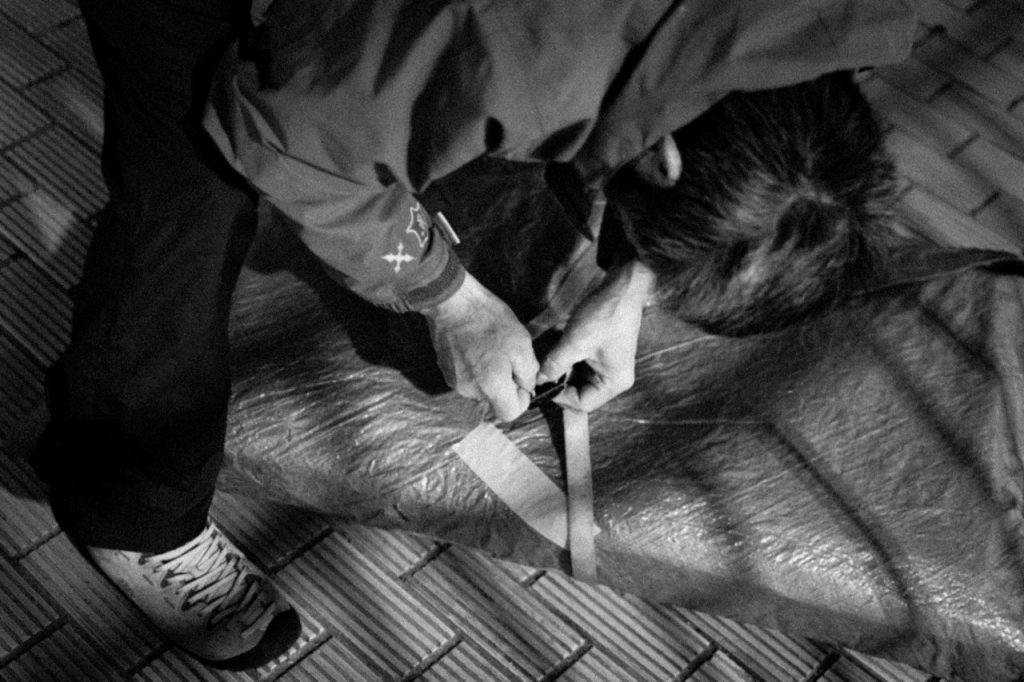
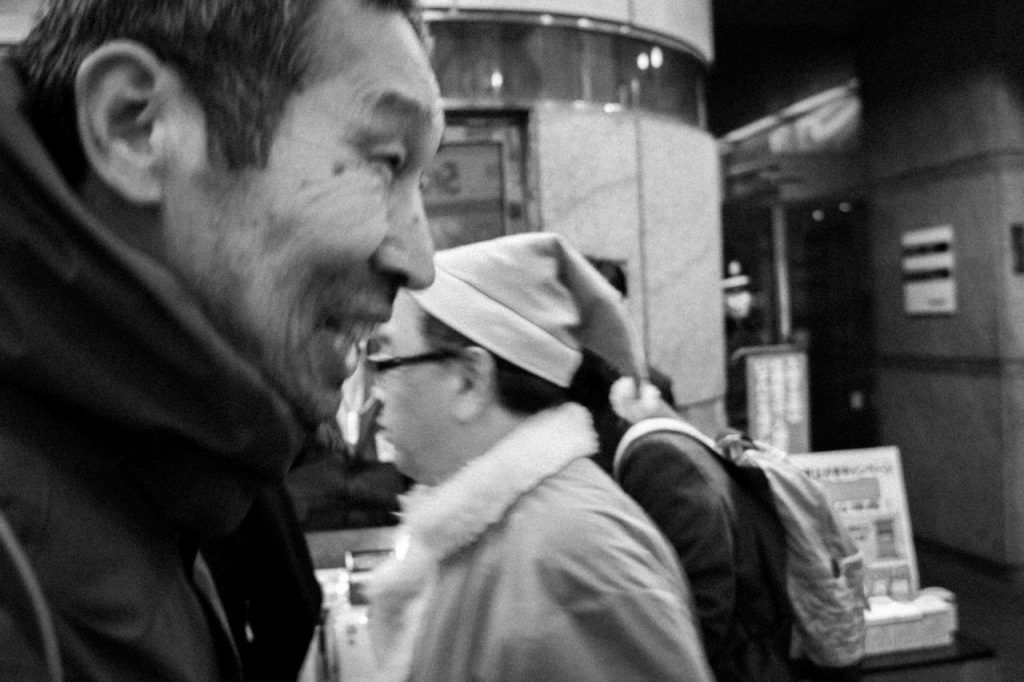
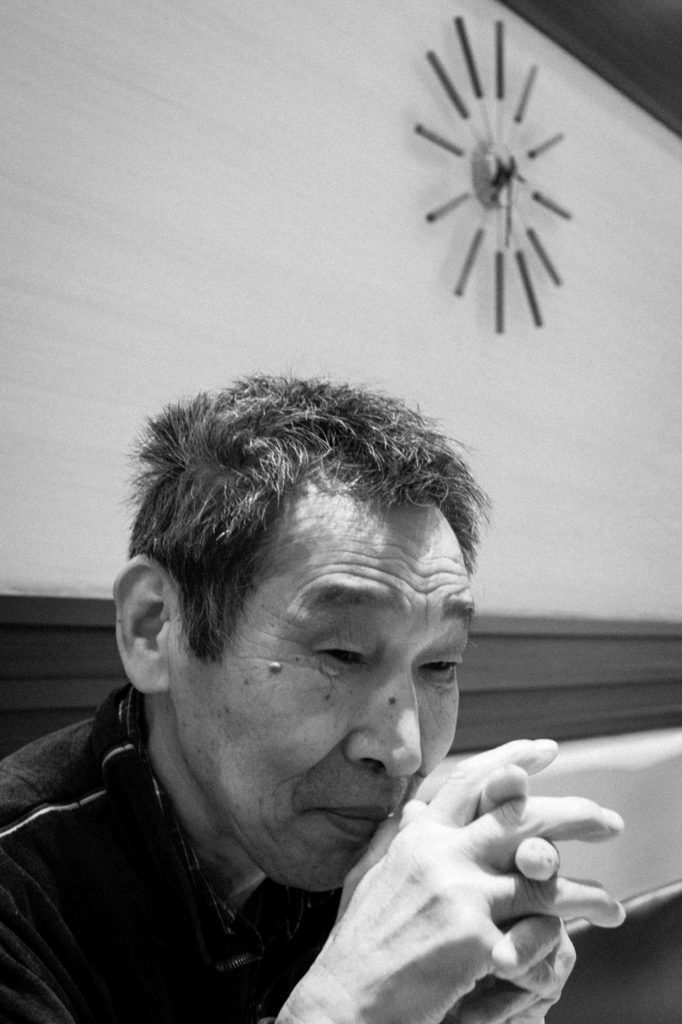
Matsuyoshi san and clock before going to sleep

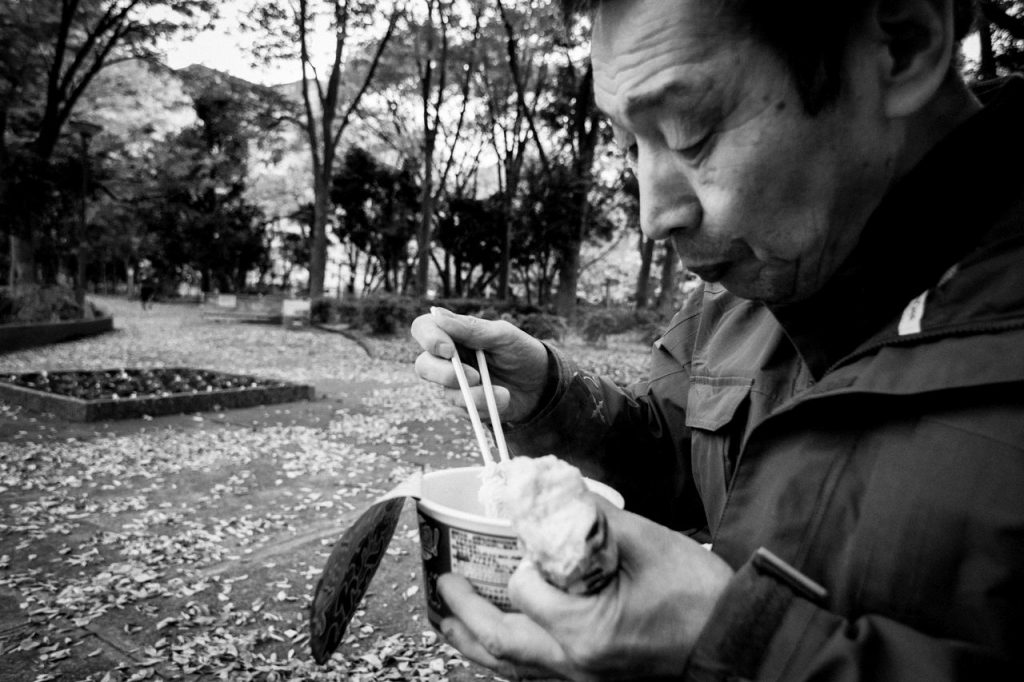
Matsuyoshi san eating lunch in the park

Some of the contents of Matsuyoshi san’s storage area

Sleeping on the streets, despite the fact that Tokyo is incredibly safe, sounds like a huge overcoming. What were your biggest concerns or challenges whilst being out on the streets?

Tokyo is an incredibly safe city, so I had very few if any concerns about safety. My main concern was whether I would be able to actually sleep or not! As if I was tired I was worried that I wouldn’t have the energy of focus to concentrate on the task at hand. I chose to do the project in November as the weather conditions would be a bit harsher and so I would get a more authentic experience of sleeping on the streets, otherwise it wouldn’t be much different to camping!

So the cold was a bit of a concern, but it turned out not to be a problem as the box is actually quite warm and I had enough layers to protect me. I think it would be a totally different experience if I were to do this in most other countries. The normal concerns that you might have of sleeping rough in most countries don’t really apply in Japan.

Matsuyoshi san packing up his box in the morning

Walking and talking with Matsuyoshi san

Matsuyoshi san taking a reflective moment in McDonalds

Matsuyoshi san brushing his teeth outside a bicycle parking area

Matsuyoshi san selling The Big Issue

Matsuyoshi San

What are your future plans with documenting life on the streets?

I am currently working with Matsuyoshi san’s dance group ‘Sokerissa’ and if I can get some funding, will make a project with them over the summer. That would involve me spending more time on the streets with Matsuyoshi san and other members of the group, plus traveling with them to performances and hopefully trying to get them over to the UK for a few performances. I will be writing about the work I have been doing with them on my blog in the near future.

Where can we find more of your work and projects?

My website is www.adamisfendiyar.com and I have a blog ww.developingasaphotographer.com which you can access through the website, my aim with that is to document the processes and things I have learnt. I can also be found on Instagram and Facebook.

I am also working on a mulitmedia piece for the documentary with Matsuyoshi san, which will be available to see soon on my website.

Thanks Adam for your submission!

Roy Rozanski’s dive for characters and atmosphere

Roy Rozanski dived for unique characters and atmosphere at Carmel market in his hometown Tel Aviv.

Roy, please introduce yourself briefly.

My name is Roy Rozanski (38). Born and raised in Israel. I am an IT guy during workdays with a 9-5 office job and an aspiring street photographer by weekends for the past couple of years. My main “hunting ground” for street photography is the wonderful city of Tel Aviv.

I am influenced and inspired by great photographers such as Martin Parr and Elliott Erwitt and I try my best to incorporate their style into my own photography. I am always looking to represent the street life through my own looking glass. In my personal photographic way I try to capture the light and motion at its colorful way.

I like to shoot with mirrorless cameras or compact ones (currently own Fujifilm X-T1) with very wide prime lenses. Like the famous Robert Capa’s saying “If your pictures aren’t good enough, you aren’t close enough” I try to get as close as I can without the use of zoom and it comes with its own perils since people react differently when you get close to their private space. But the rewarding captured shot, which is always around the corner, keep me passionate for street photography.

You are based in Tel Aviv, a cultural and economic hotspot. How is life in Tel Aviv different compared to other Israelite cities?

Tel Aviv is my main “hunting ground”. It possesses a highly versatile street life packed full of different vibes, sounds and smells. Even tough Tel Aviv is a small town in comparison to big vibrant metropolis like New York you still can visit the seashore, the market place and the vibrant street life in one sweeping photowalk and find in all of those locations unique characters and interesting situations to photograph. The people here are very warm hearted and, in general, tolerant to your camera pointing at them.

What are you favorite spots for Street photography in Tel Aviv and why?

There are several major places for street photographers. The big markets – Carmel in Tel Aviv, the fleas market in Jaffa. And both port areas in Tel Aviv and Jaffa. All those places are jam packed with photographic potential for great shots. My favorite spots are the seashores with its promenade and the Carmel market.

You chose to capture people on Carmel market. What was your approach when capturing this series?

First I looked for the right staging area to work with. At this time of the season, the light entering the market creates a lot of “light traps” so you are almost guarantee to get unique atmosphere for your shots. Then I looked for unique people or situations to cross my path and enter the “light traps” and all I had left is to wait and be prepared. Following the challenge restrictions I try to capture what I can in the short amount of time that was given. I hope I did OK.

Photos © Roy Rozanski

Did the limitation in time and location somehow influence your photography?

Of course, Street photography is in a way all about probabilities so the amount of time you put roaming the streets is in direct proportion to the amount of good photos that you can produce, as long as you know what you are doing. So the fact that I had limited work time really forced me to try different photography tactics and be more sharp and focused.

Is there anything to consider or to take care of when photographing on the streets of Tel Aviv?

In general the people of Tel Aviv are very welcoming towards foreign tourists so I don’t predict any problems when taking photos around the city. I long found out that a smile will get you a long way so I suggest trying to smile a lot to people in the street so they can be at ease and leave their guards down.

Do you have any insiders’ tips for people visiting your city?

Don’t read tourist guides as they are not intended for street photographers. Just roam the city in freestyle, try to absorb the sounds and smells that surrounds you and try to incorporate it in your shots. Your best shot could be when you turn left just out of your hotel so be prepared at all time.

Where can we find more of your work?

Instagram https://www.instagram.com/royrozanski
Flickr https://www.flickr.com/photos/roy286/
Facebook https://www.facebook.com/RoyStreetPhotog/
Tumblr http://roy-rozanski-photography.tumblr.com/

Thanks a lot Roy for your time and for supporting this project!

Dutch front yards – what you see is what you get!

Willem de Kam and Joost Leek are documenting the Dutch way of life by photographing often excessively decorated front yards.

Willem, please tell me a bit about yourself and your photography

My name is Willem de Kam. I used to just say ‘I shoot people’. But that doesn’t really cover it anymore. I’m fascinated by human behavior and photography is my way of ‘researching’ that and trying to get a grip on it. My commercial work is for various clients in media and cultural sector. Kabouters & Adelaars (Gnomes and Eagles) is one of the self initiated projects I do.

How did the idea with photographing Dutch front yards come about?

I showcased my portfolio once at a creative agency in Amsterdam. An art director who worked there had running around with the idea for a while, and saw some similarities in the kind of work i make. He asked me to work together on the project. And so we’ve teamed up, and have been hunting gardens for a few year now. We really like to see how people communicate via their front yard. It’s a lot of fun, and sometimes a little sad even, to see how people decorate those few square meters.

Many people say that Street Photography necessarily has to involve people. Whats your opinion on that?

The best thing about street photography is that it doesn’t have any limitations. No clients demanding things. So if you don’t want people in your pictures that’s fine too. For me it’s always a surprise. You never know what you’re going to see or photograph. It’ll always turn out different than you imagined,

What is your approach to find those special front yards? Do you search for them or do you capture them more along the way?

We get tips from people but we also look for them ourselfs. Wherever I go I’m constantly on the lookout for front yards. My girlfriend did a lot of google searches on ‘Front yard’ in combination with various strange things like dinosaurs, disney, statues. We then doublecheck on Google Street View how it looks, and make a roap map to make a big tour and visit as many gardens at once. Sometimes you just have to be lucky, and sometimes you just know you’ve hit the jackpot.

Compared to other European countries, the Dutch really like to present their taste and way of living to the public. Do you have an explanation for that?

Dutch public space and architecture is really limited by governmental regulations. The front yard is maybe the only place for you to put your mark on your space. Also, I think Dutch people are a bit direct. We speak our minds and don’t keep up appearence. A ‘what you see is what you get’ mentality.

Photos © Willem de Kam

Are there any further plans concerning the Kabouters & Adelaars project?

Make a book!

How would your own frontyard look like?

I don’t have a front yard, but for christmas I did buy a gnome lamp. I had to represent the project in some way.

Where can we find out more about the project and your work?

Kabouters & Adelaars http://www.kaboutersenadelaars.nl/
Website: http://www.willemdekam.nl/

Thanks Willem for your time and contribution to Urban Street Diving!

Urban Street Diving Michele Berlingeri Venice

Michele Berlingeri absorbs the laziness of peaceful waters

Michele Berlingeri takes us on a street dive around Rialto Bridge, in a time of year where this city is still asleep and therefore so different as we all know it. Venice!

Michele, please tell us a bit about yourself.

I am a 38 years old photographer born and raised in and around Venice. I first approached photography in 2009, after purchasing my first camera with my first salary, and little by little I realized I was literally obsessed with photography. A few years ago, I finally left my old job as a software engineer to try and dedicate myself to full-time photography. Despite the difficulties I found, I’m finding and I will find, I’m happy to carry out this change!

What was your approach in finding a suitable location for your street dive?

I chose the Rialto area because it is the part of the city where the urban souls blend more smoothly: there are indeed many tourists, but the cheap taverns and Venice’s most important open-air market still attract many locals. I only had a limited amount of time, so I felt Rialto was the location with the best potential to address your street dive.

Please tell us a bit about the area and the people who live there.

In Venice you can walk around with your camera and shoot anywhere and everywhere, capturing any situation, at any distance, without worrying about being unobtrusive or invisible and without any fear. Nobody will react badly, get angry or chase you for kilometers! A true paradise for me! Seriously, Venice is one of the best known cities in the world, and it’s difficult to find something new and unexpected that has not been said, written or shot before…among all the cities I visited, Venice is for me, simply, the most beautiful one to get lost in. And I’m lucky to live close to such beauty.

What did you want to achieve during your exploration? Did you have any stories or themes in mind?

No, I left home without any specific ideas, trusting the city would suggest me a way to take photos. Once in the area, I found an entire district being renovated, which is very unusual for a city like Venice: work in progress, scaffoldings and restorations. The (few) tourists were gathered inside the cafés and restaurants because of the cold, and only a few locals -mostly elderly- walked around chilled on their way to the local fish market. So, the theme became obvious to me: try to show a Venice that was unusually normal, almost unaesthetic, try to capture the ordinary in a city that is not ordinary …

How did it feel to you to have just limited time to shoot a photo series?

It was very stimulating. I believe restrictions are essential to inspire creativity: in my opinion, having too much freedom can become paralyzing… and participating in your “game” was, in this sense, a good exercise. This made me change my natural way of thinking, the way I imagine my street photography… having to shoot all photos in one single street made me realize how rarely I remain in the same place for more than just a few minutes. I am usually more like a bird of prey: I sniff, I shoot and then I disappear.

But you forced me to stop, standing like a plant, that very slowly absorbs the nourishment off the street. A drastic and important change for me! You pushed me to focus on little things, on micro-variations, waiting, and dominating my natural impulse to shoot. An important exercise: thank you very much for giving me this chance…

You like to travel a lot. How does Venice differ from other cities in the world relating to Street Photography?

Venice is unique and everybody knows why. From the street photographer’s perspective, I think that the main peculiarity is the “time” element. Walking in the city is like walking into a different dimension where time moves just a bit slower, enough to upset our inner rhythm. The absence of any vehicle on wheels is the main cause, but it is not the only one…even venetian people seem to have absorbed the laziness of the peaceful flow of water in the canals. It is unusual to see anyone hurrying on the street, as it is unusual to see anyone check their watch.

When they discover my venetian origins, many photographers tell me “Venice is beautiful, yes, very good for postcards, but not suitable for the street. In Venice nothing happens.” I can guarantee that things happen, indeed, they happen in an odd way! The thing is that everything happens at a slower pace and, to feel it, one’s inner “clock” should not be synchronized on the chaotic world outside. Venice requires this little effort from those who enter it and it is, in my opinion, really worth it.

Michele Berlingeri Street Photography Dive Venice 01 Michele Berlingeri Street Photography Dive Venice 01 Michele Berlingeri Street Photography Dive Venice 01 Michele Berlingeri Street Photography Dive Venice 01 Michele Berlingeri Street Photography Dive Venice 01Michele Berlingeri Street Photography Dive Venice 01

Michele Berlingeri Street Photography Dive Venice 01
When looking at your portfolio you are not a street photographer per se. Why do you like to shoot on the streets and what do like to capture besides that?

It isn’t easy to answer, perhaps because to me it isn’t easy to define what street photography is and what its limits are. I like to think of street photography as an “attitude”, as the ability to be surprised by what flows around us, breathing the street and taking up its pace … according to this, I consider myself a 101% street photographer: I love the uncertainty and unpredictability that this approach gives me. I don’t know what I will find when I go shooting on the street, I feel like a blank page. What I especially like is, in the evening, to go through the pictures taken during the day and try and recognize in them the mechanisms, often unconscious, related to the state of mind or mood that lead me to choose that shot. This is, to me, a way to investigate myself using my own eyes.

Where can we find more of your work?

Website: http://www.micheleberlingeri.com
Facebook page http://www.facebook.com/28mmphotography
Instagram https://www.instagram.com/berligol/

I am also one of the founding members of Mumble (http://www.mumblecollective.com), an Italian street photography collective founded in 2016. Check it out!

Thanks Michele for sharing your photos and stories with us!

Dive Log:

Date: 14 December 2016
Duration: 2 hours
Weather: cloudy
What to see: Ponte di rialto, Mercato di rialto, Canal grande

Dive Route: