Latest Posts

Max Gor dives with the women

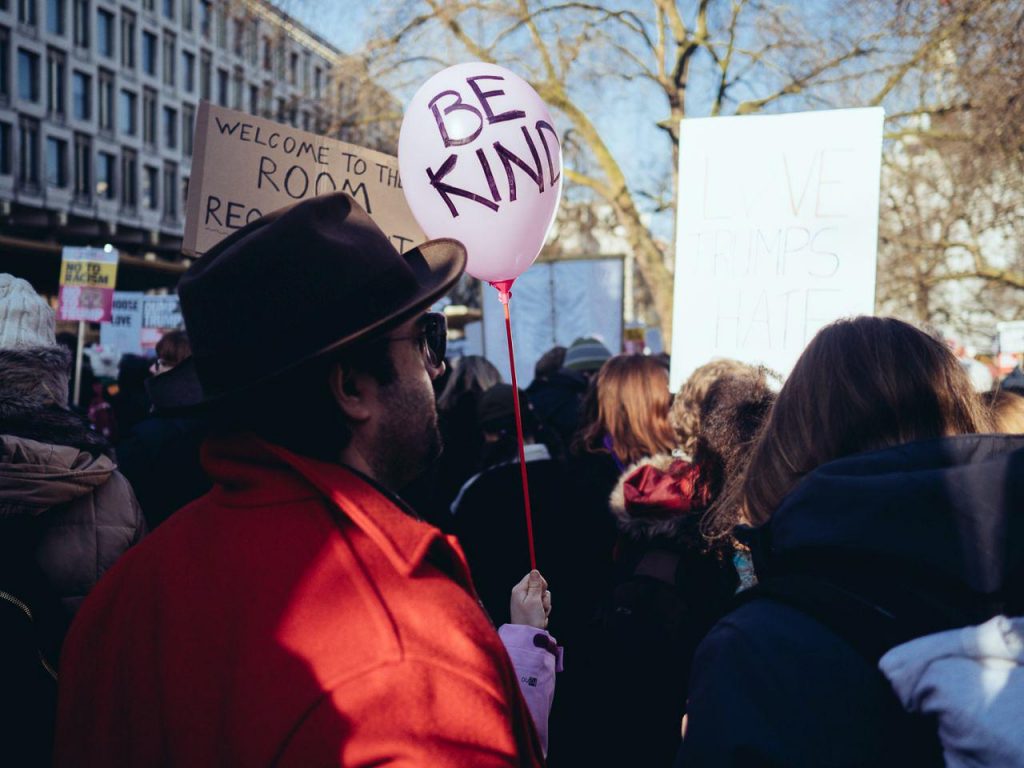
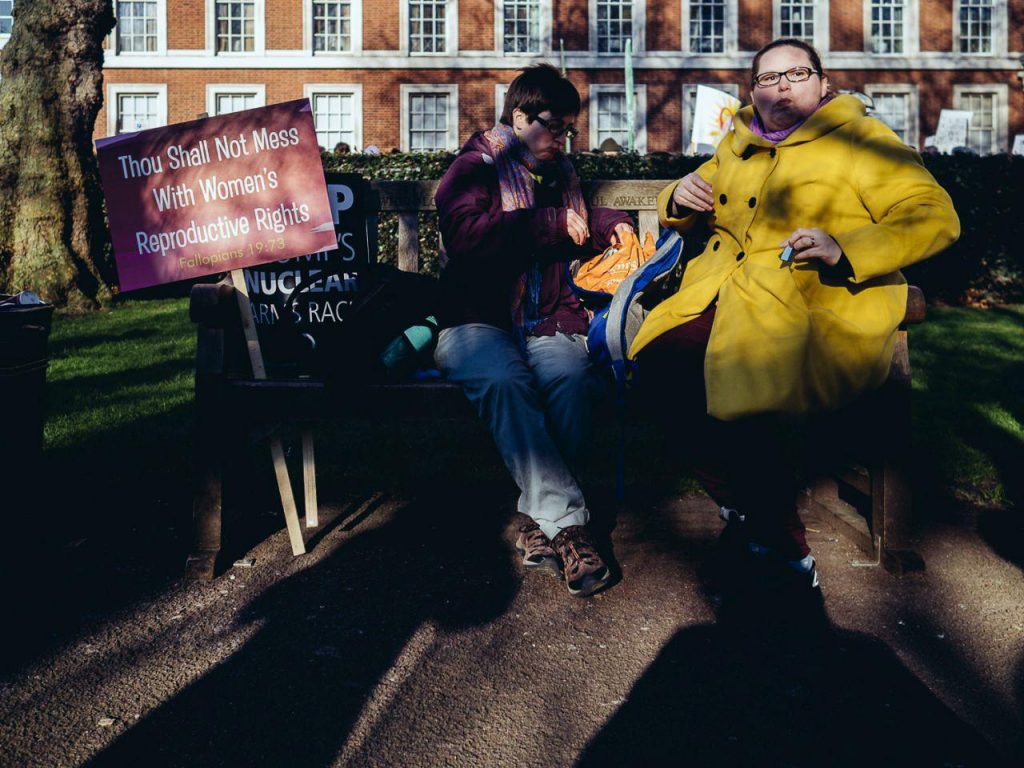
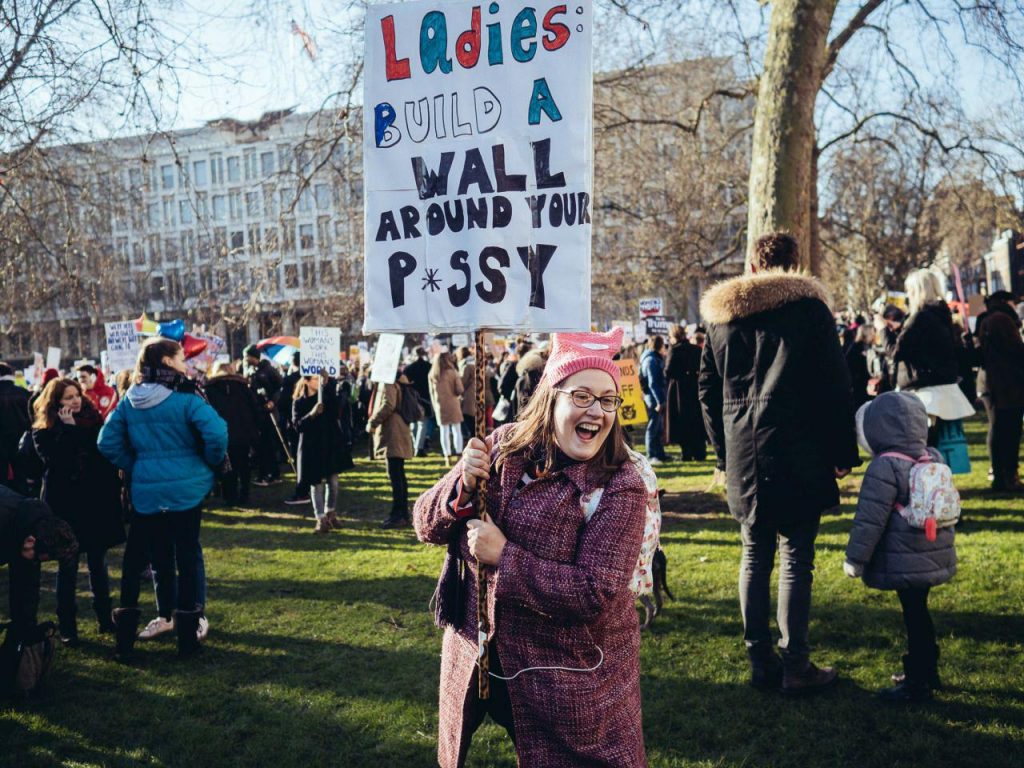
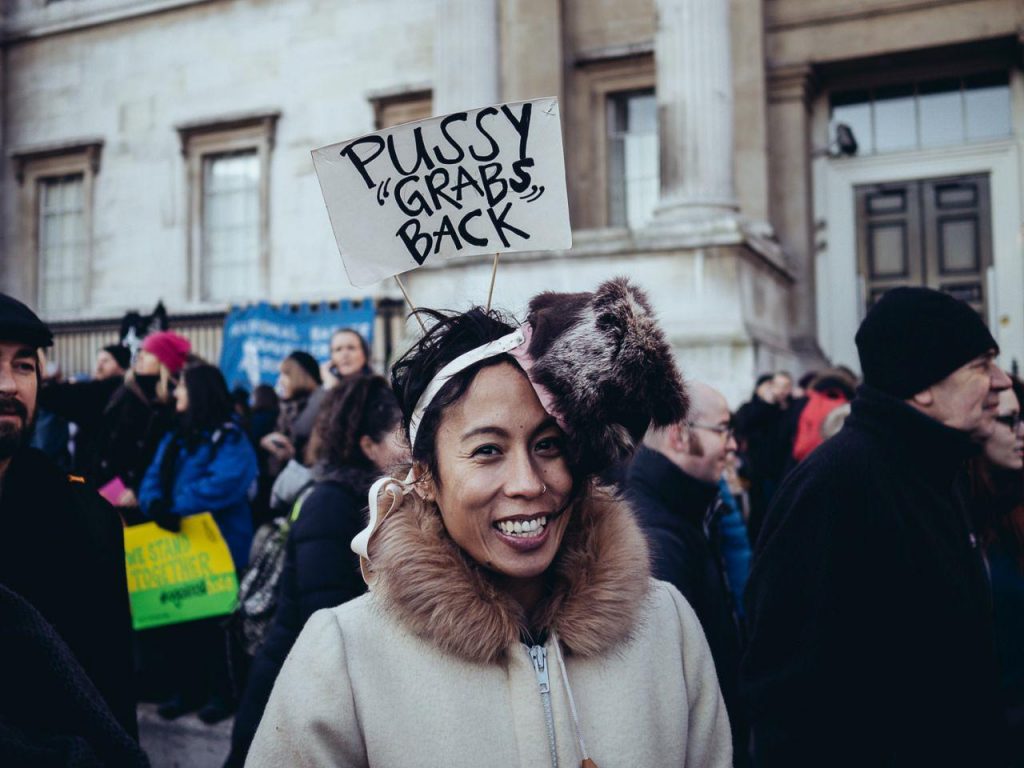
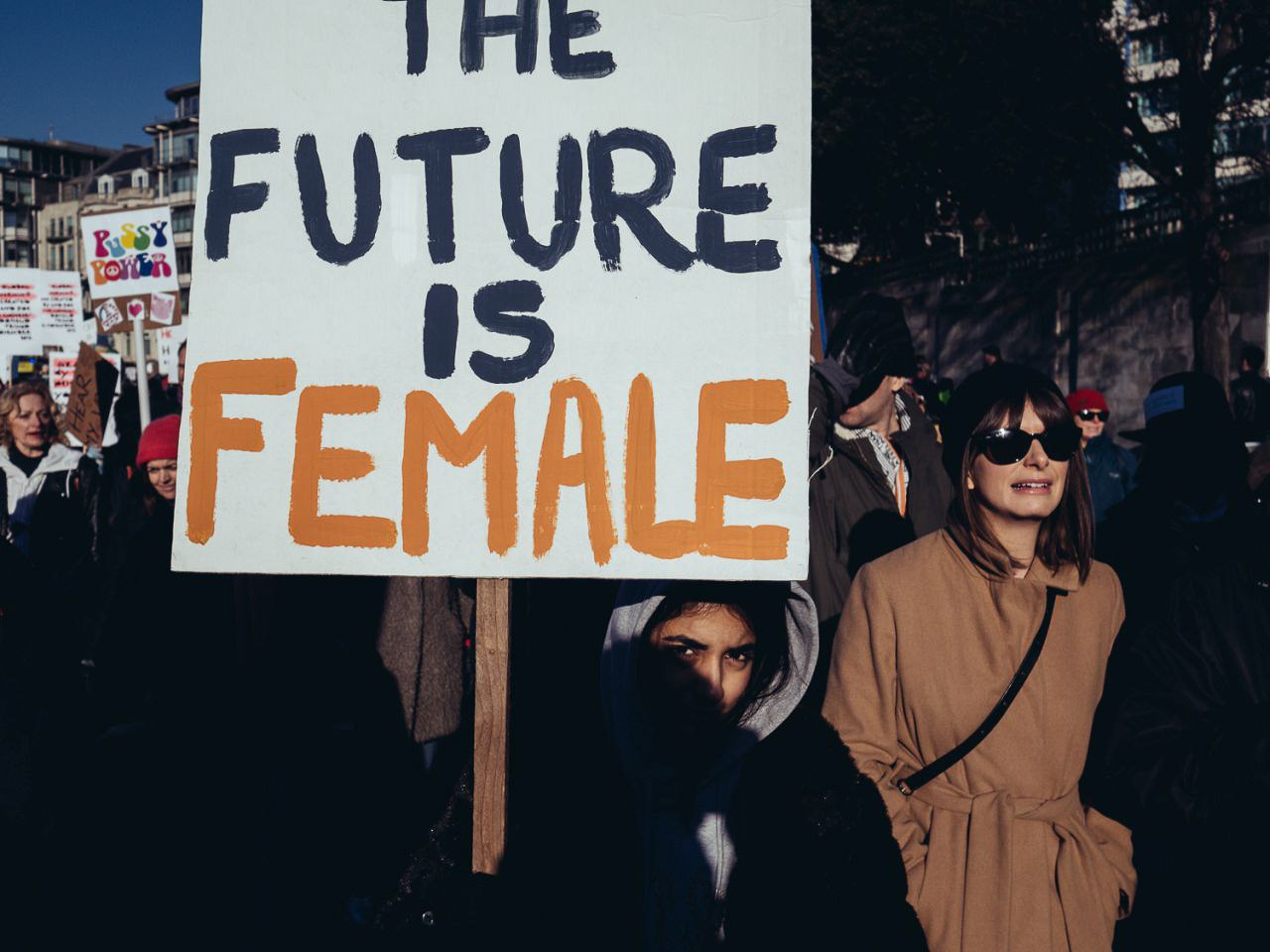
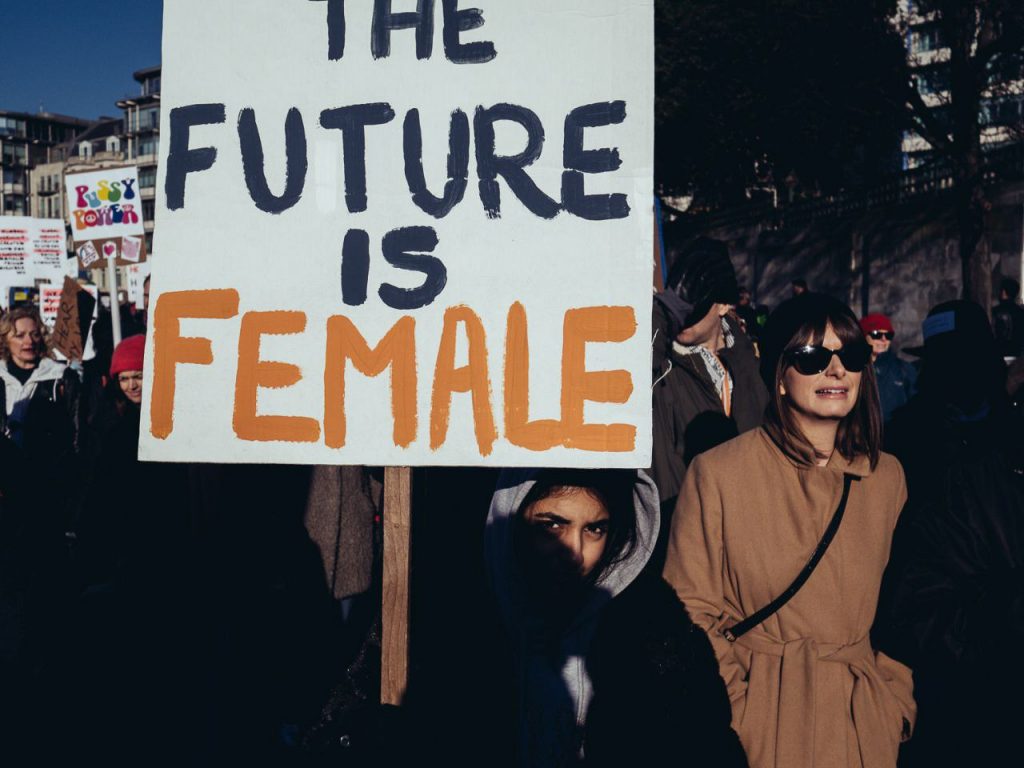
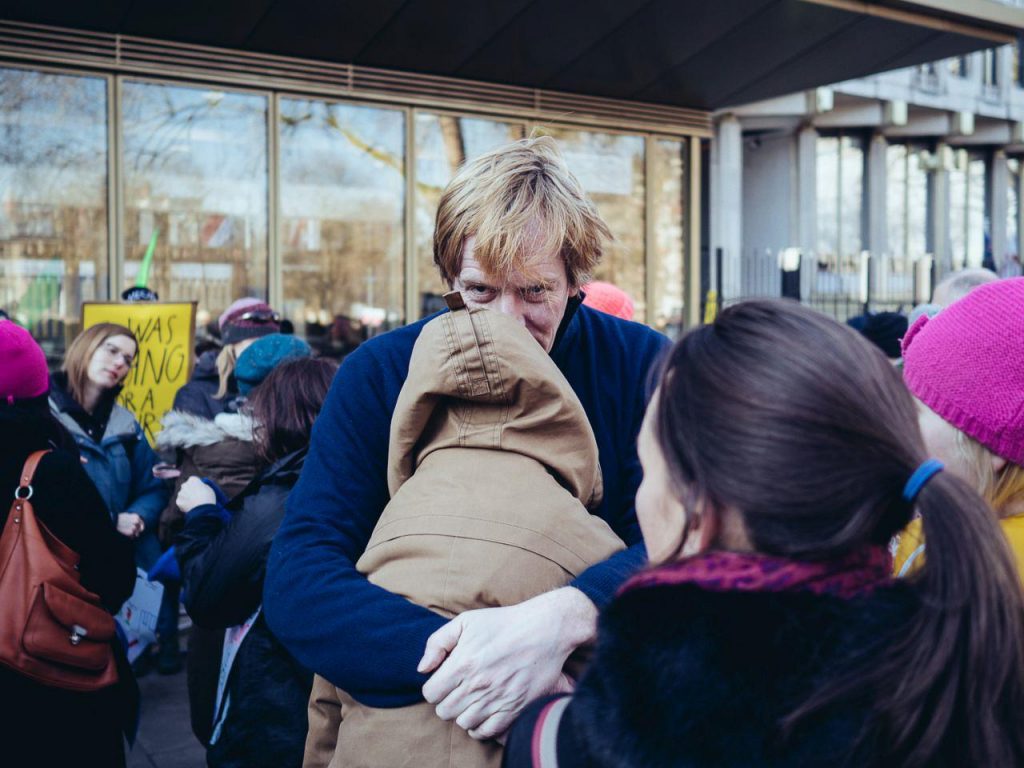
Max Gor, photographer from London, went to Women’s March on London, where thousands of women spread a message of inclusiveness and positivity in the wake of the rising tide of intolerance and division that has emerged during the US Election.

Max, first of all, please tell me a bit about yourself.

I started photography as a hobby a while a go, at that time it did not have any special purpose apart from giving me a reason for getting out from my home. I was photographing absolutely everything – public events, animals, strangers, flowers, buildings and aircrafts, absolutely anything that can be photographed. In one day I could make few hundred shots, and as you can guess, at the end all of them were ended up in rubbish bin, but my time was well spent and I was enjoying it enormously.

After going through shooting whatever I could I realized that London provides infinitive possibilities for street photography, it is so vivid, so dynamic, so special city in many ways. Last couple of years I only shooting streets and a bit of black and white city architecture. I think this kind of specialization helped to developed my skills to another level, it gave some purpose to what I am doing – now I am not going shooting just because I need a reason to go out, I became so passionate about street photography, now I am going shooting when I feel a hunger for the process itself.

You are also known as “Raw Streets”. How does this name reflect your approach in street photography?

I took “hones” and “realistic” as the meanings of the “raw” concept and decided to use it. I was hoping to show street honestly and realisticly but in the way that we do not see them often. By definition street photography has to be honest and realistic, but I have got a cool name for that. Also I quite like “strong”, “intense” taste of that concept, so I hope that some of my shots have got it too, because I was looking specifically for that on the streets.

As you are not a full time photographer, how do you make good use of the time that is left for shooting on the streets?

I am shooting mostly on weekends or when travel to home from work, sometimes on lunch breaks. I would love to spend more time on street shooting, but I do what I can to achieve healthy balance between job, family and hobby.

Many of your photos show a strong documentary approach. How does that come about?

Protests and marches are very good places for getting confidence in street shooting. In London, if you behave wisely, those events are pretty safe, a lot of things are going on, people are very keen to be photographed, and you feel like you are in right place doing right things. I would recommend everyone who has luck of confidence for street shooting attend demos and marches and this is what I did a lot myself. I guess shooting demos had some sort of impact on my style and my vision. And I love documentary photography, it is one of those few things that I want to keep on my hard drive, I think that those shots are something important and hope that they will be used in the future on one or another form.

What was your motivation to shoot the Women’s March in London?

My friend, who I have not seen for some time, invited me, so I would attend it just for that reason. Apart from that, I was very enthusiastic about this March, I was a bit envy for those who was able to attend anti Trump demos in USA – so much was happening there! This demo exceeded all my expectations, I can not remember anything of such calibre , may be 2009 G20 London demos come close to it.
max gor street photography dive womans march london 01 max gor street photography dive womans march london 02 max gor street photography dive womans march london 03 max gor street photography dive womans march london 04 max gor street photography dive womans march london 05 max gor street photography dive womans march london 06 max gor street photography dive womans march london 07

Finally, please tell the readers a bit about your favorite locations and themes in London.

I am shooting in London areas where taking pictures considered as natural business and do not attract much attention. I love Brick Lane, I would say it is my number one – multicultural area with lots of fascinating characters on the street – can not ask for more.

I also love Soho, pretty much for the same reason, it also has lots of pubs, adult shops and places to eat which very useful to have for street shooting. Notting hill area, especially Portobello market is lovely. When it is sunny, area around Farringdon station offers fantastic opportunities as well.

On the streets I am looking for something interesting to happen, something that tells a story, something that have some sort of uniqueness. Also I am guilty of going for classic street photography clichés, which probably is not bad thing after all. Also currently I am running project “Strangers”, this is where I have to ask complete stranger to give me permission to take his photo. This project helps me to build communications skills and confidence when I am talking to complete strangers – this is something that some people may naturally have, but some of us need to make an efforts to develop.

Thanks Max for submitting your photo series!

Please visit Max’ website maxgor.com and follw him on his social media channels!

All images copyright of Max Gor

Dive route:
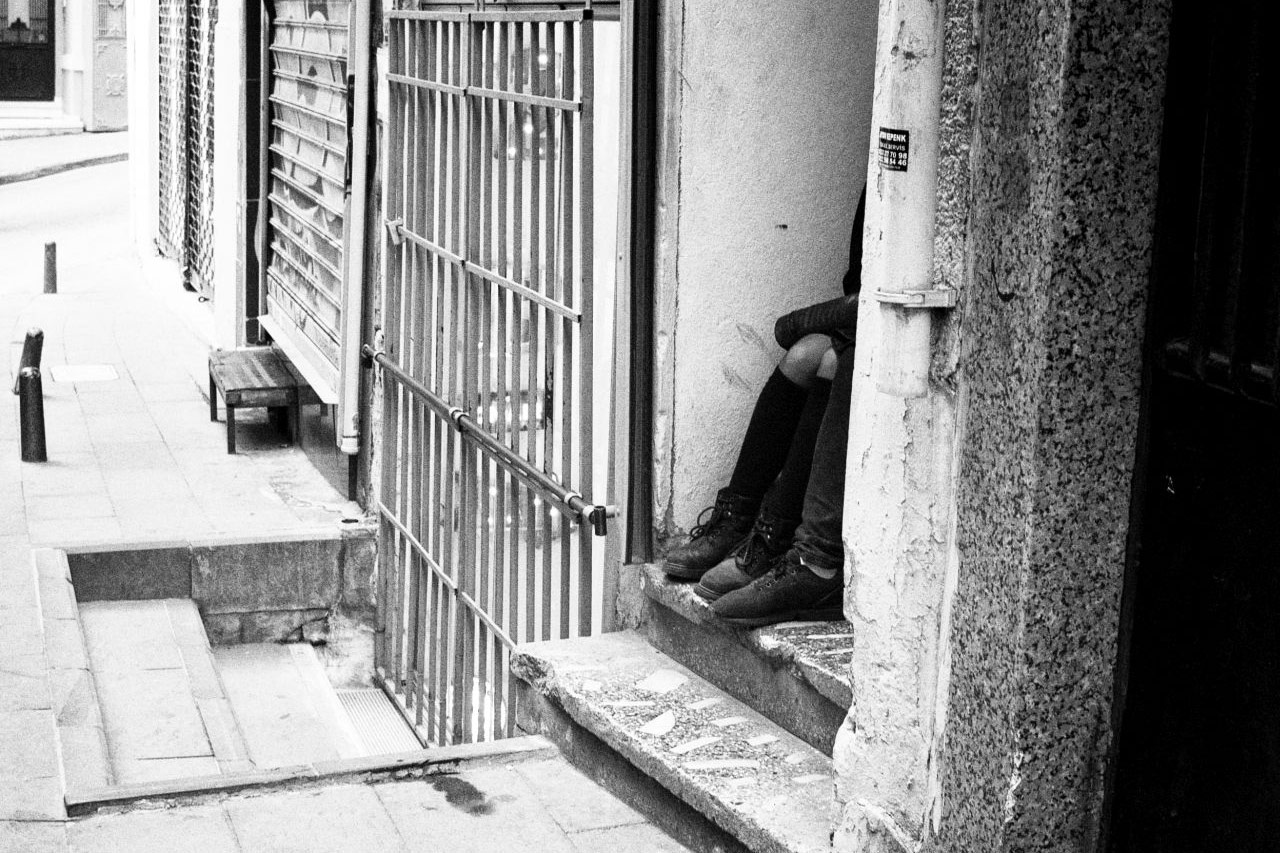
Verda Sigura explores the unseen parts of Istanbul

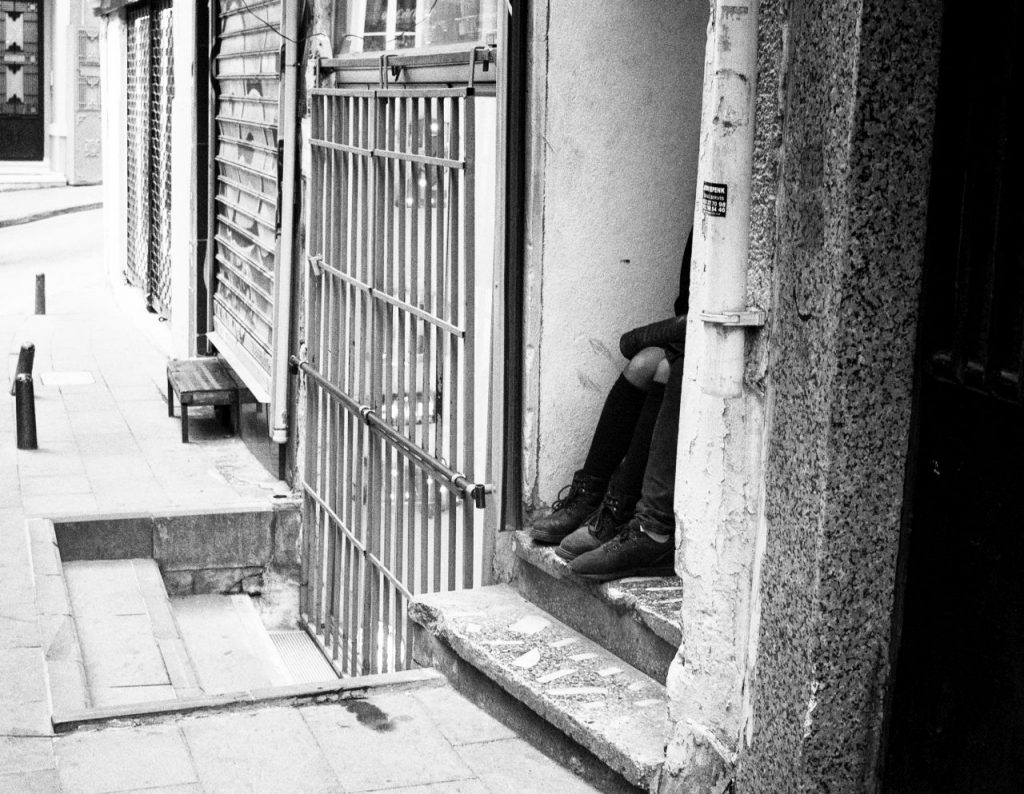
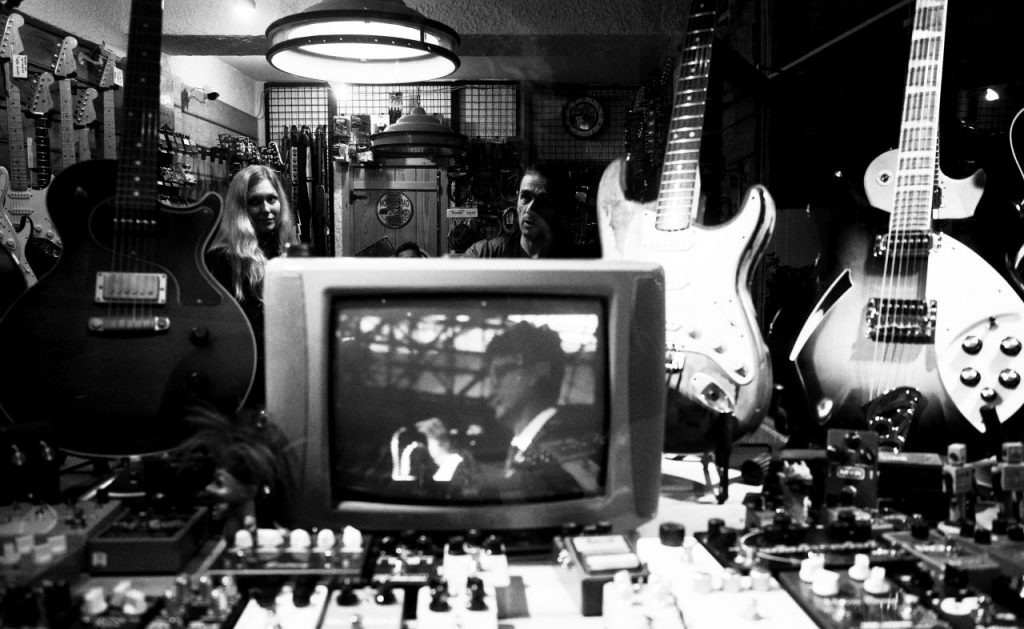
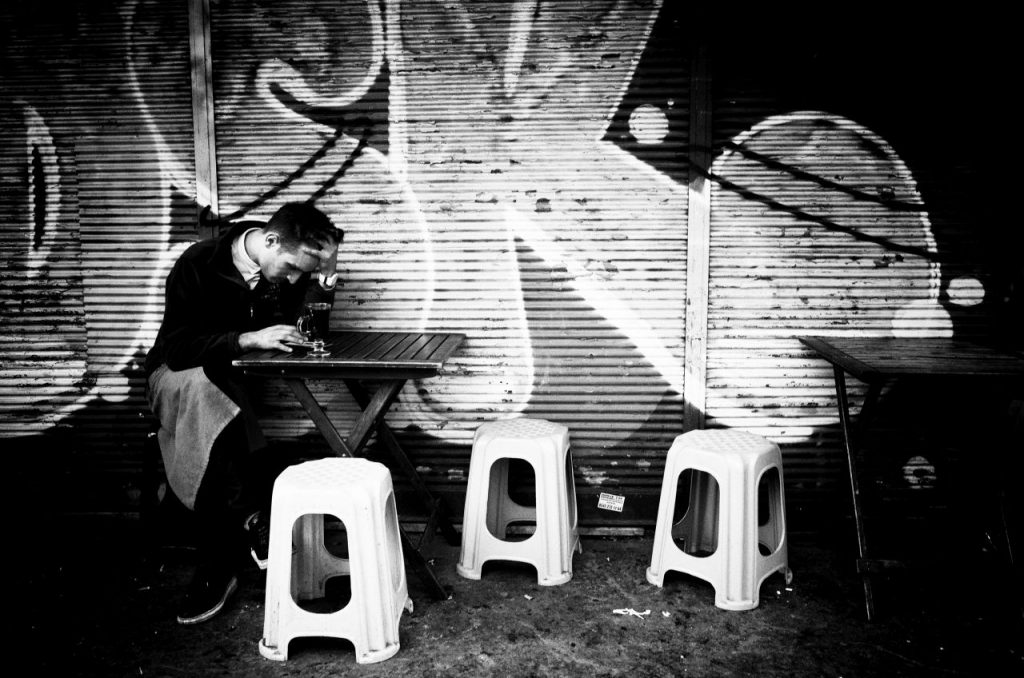
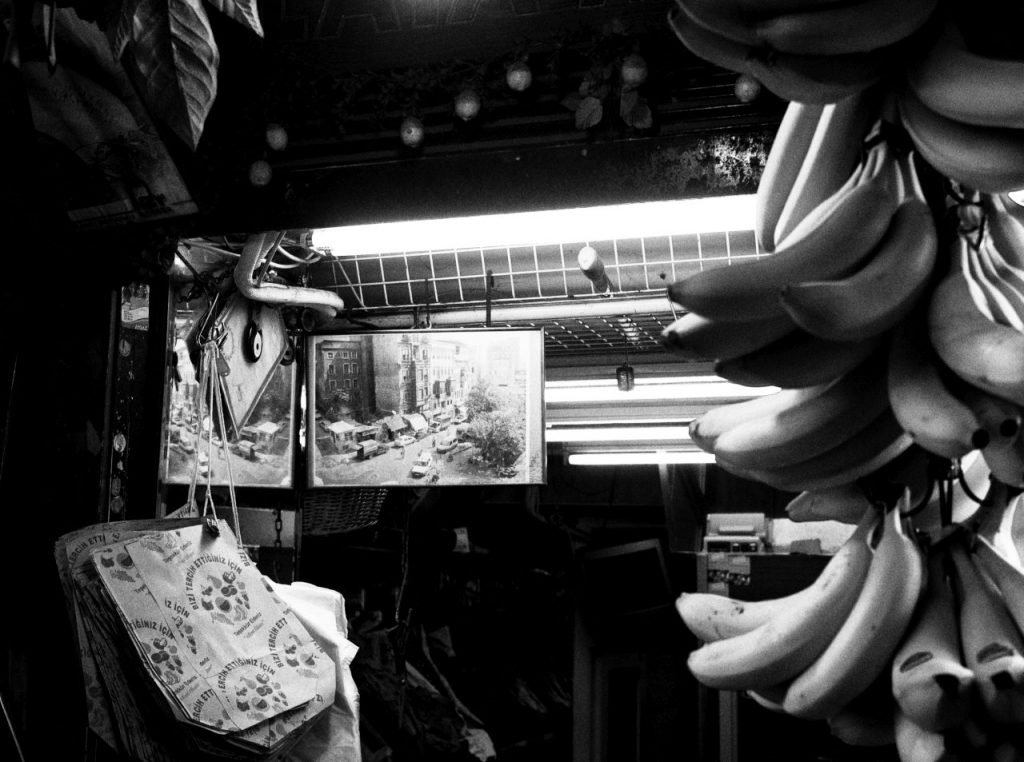
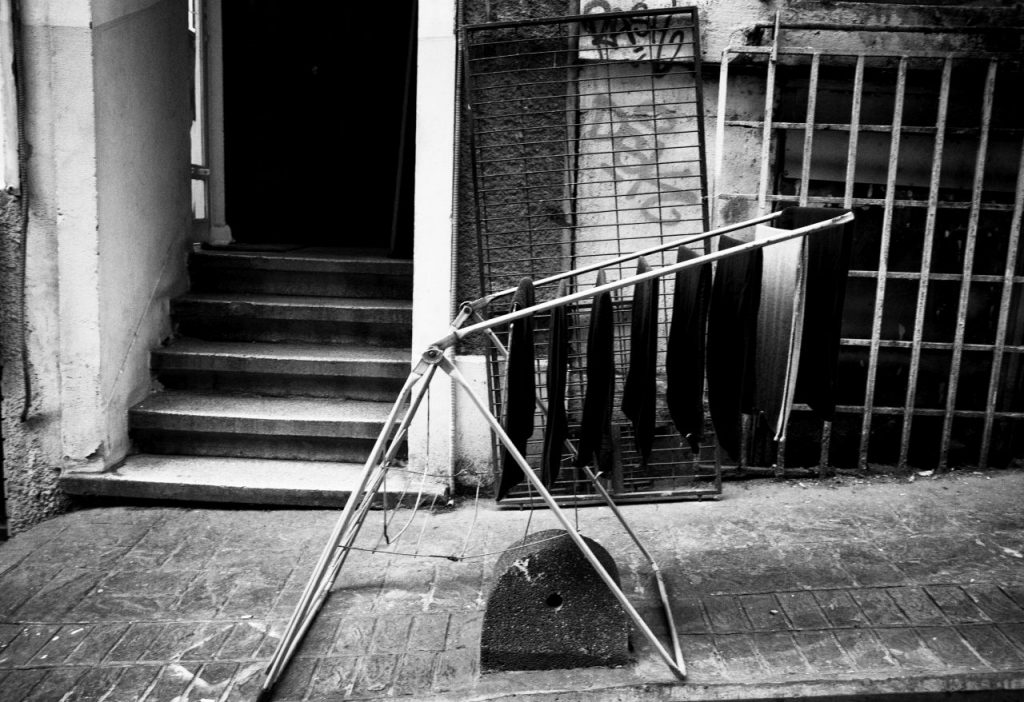
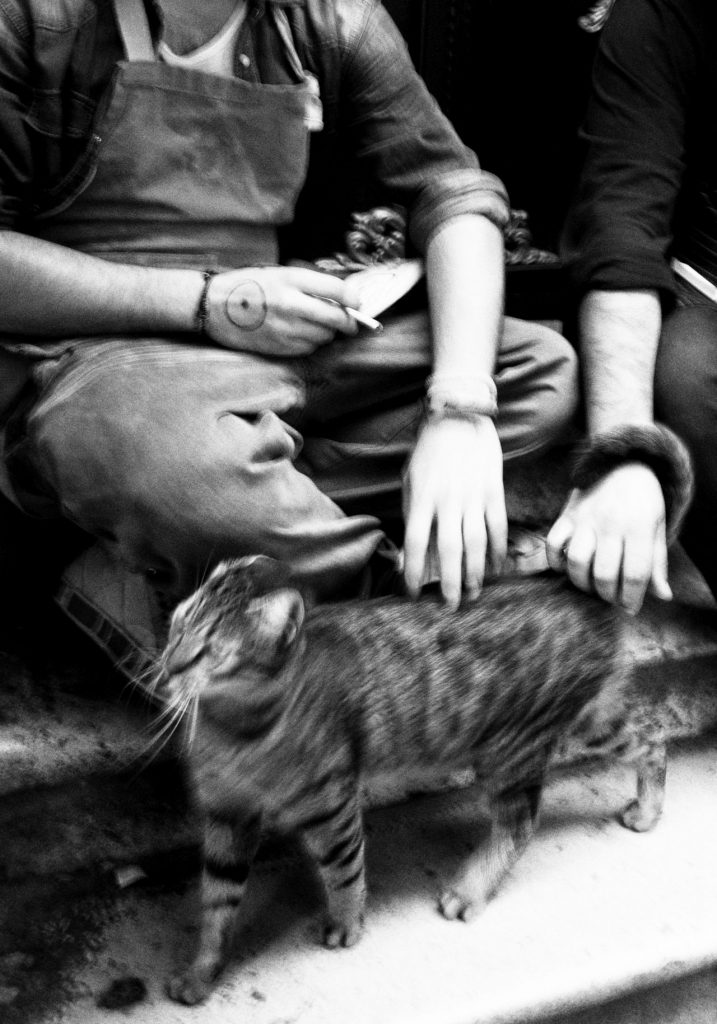
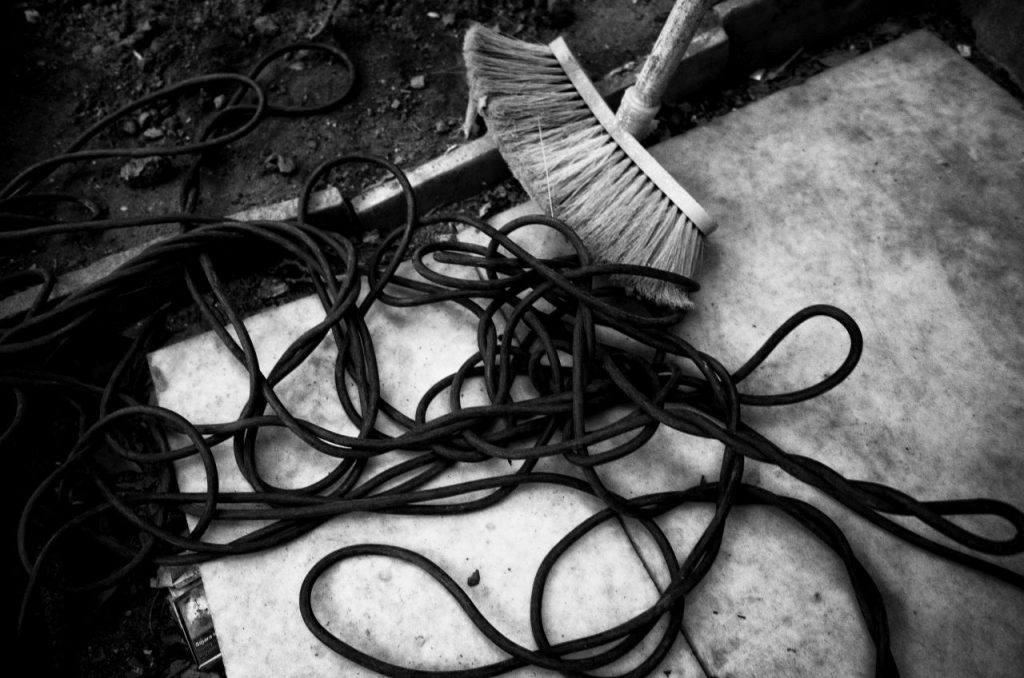
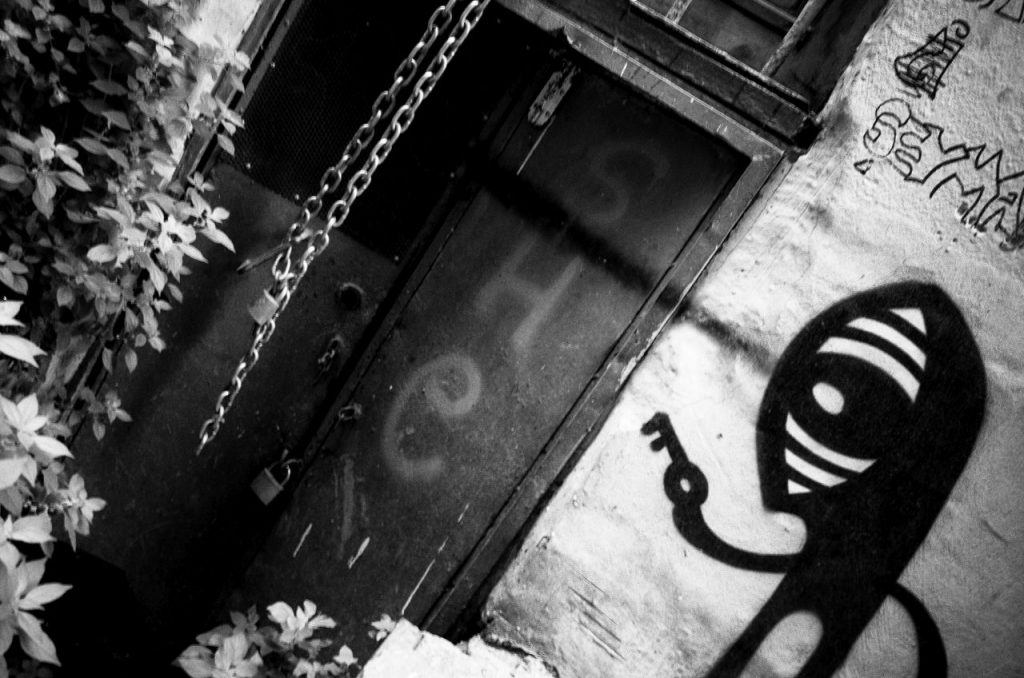
Verda Sigura, photographer from Istanbul, Turkey, shows us the unseen parts of Galata District, usually considered the “city center” of Istanbul.

Verda, please tell me a little bit about yourself and your photography.

I was born in İzmir-Turkey and I live in Istanbul for many years now. My interest in photography has started in 2008. Currently, my work mostly focuses on identity, people and spaces of the city in the context of Street Photography. Coming from a psychological counseling background, to me, photography is kind of a “Psychological/Sociological Research”. However, unlike scientific research, it is highly subjective and unstructured; depending more or less on your hunch. Still, very much related to the urge to know more, understand more. I took photography classes from Laleper Aytek at Koç University. My work has been included in Koç University Media and Visual Arts Department’s year-end exhibition called “TO BE” (May 8-October 8, 2014) You may see the Exhibition Book from the following link: http://issuu.com/laleperaytek/docs/to_be

You chose Galata district to shoot, a quite touristic area in Istanbul. Why did you decide to go there?

Most Photographers focus on Galata’s mostly famous touristic parts such as the Musician’s Street, Galata Tower and Galata Bridge. I intended to show mostly the unseen parts of the district. Instead of focusing on touristic parts of Galata, I chose to stroll through the back streets which are home to many art galleries and specialized shops such as vintage stores, record shops, designer boutiques and fancy cafes as opposed to local shops such as grocery stores, barber shops and Turkish style coffee houses. Specifically, this variety represents an intriguing mix of east and west typical to İstanbul.

How did you prepare for your treet dive? Did you have any themes in mind before heading out to the streets?

Galata area was always interesting to me with its historical properties and multicultural environment and I wanted to show the backstreets of the district as I mentioned. I didn’t make any specific preparation, instead I aimed to base the shooting experience on hunch and spontanity.

Did you see anything rare or special during your dive that you would not have seen during a “normal” shoot?

Street dive turned out to be a true discovery for me. From time to time, I found myself caught up at dead end streets. I discovered tiny streets that I had never seen before.

Your work is entirely in black and white and has a kind of dark touch to it. How does that come about?

The best way to explain my preference of black and white photography would be by quoting Swedish photographer Anders Petersen. As he said: “In black and white there are more colors than color photography, because you are not blocked by any colors- so you can use your experiences, your knowledge, and your fantasy, to put colors into black and white.”

As Swiss psychoanalyst C.G. Jung argued, human being can only be substantial, if s/he casts a shadow. In order to be whole, one needs to confront and accept his/her dark sides. I believe photography is a powerful tool in investigating and demonstrating dark paths of the mind.

Verda Sigura Street Photograpy Dive Istanbul Verda Sigura Street Photograpy Dive Istanbul Verda Sigura Street Photograpy Dive Istanbul Verda Sigura Street Photograpy Dive Istanbul Verda Sigura Street Photograpy Dive Istanbul Verda Sigura Street Photograpy Dive Istanbul Verda Sigura Street Photograpy Dive Istanbul Verda Sigura Street Photograpy Dive Istanbul Verda Sigura Street Photograpy Dive Istanbul

Are there any projects that you are working on at the moment and what are your future goals in photography?

First of all, I wish to turn my “Love is a Distant Dream” project into a photobook by refining and expanding the project with new work. Another project I am currently working on is an introspection aiming to create a synthetic perception of time. I wish to work more and more on personal documentary genre in photography.

Where can we find more of your work?

You may find more of my work on my website: www.verdasigura.com
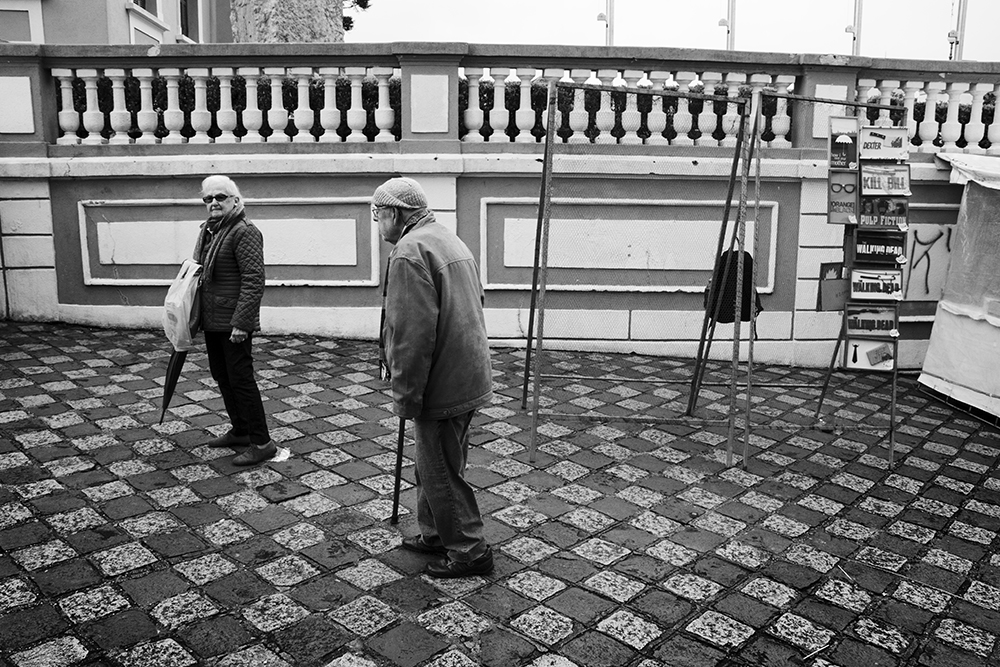
Thanks Verda for sharing your photos and stories with us!

Dive Spot:

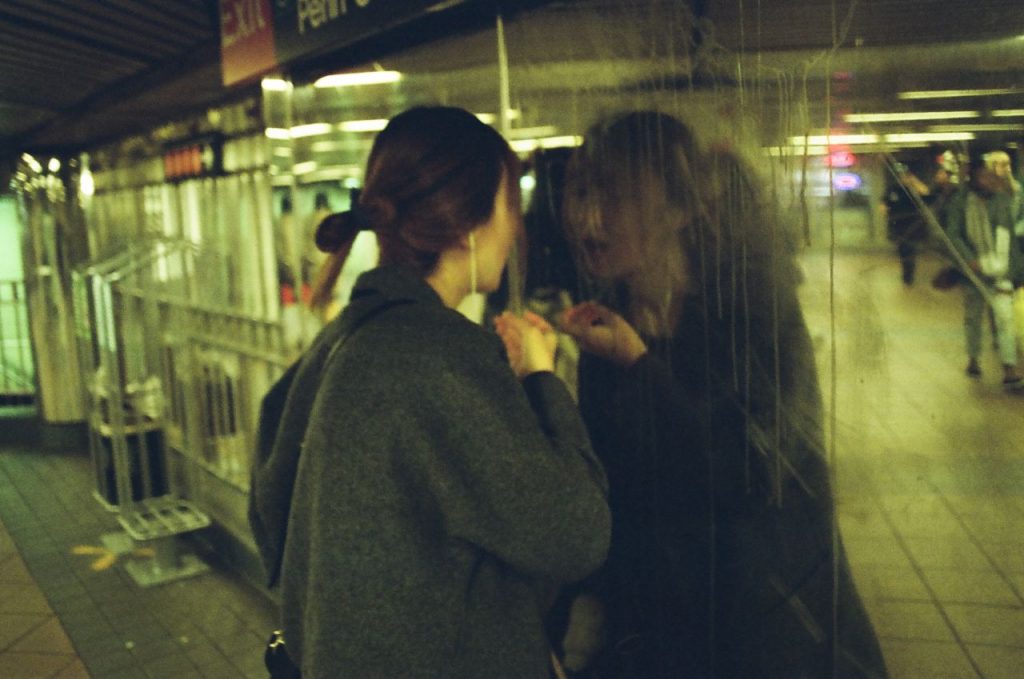
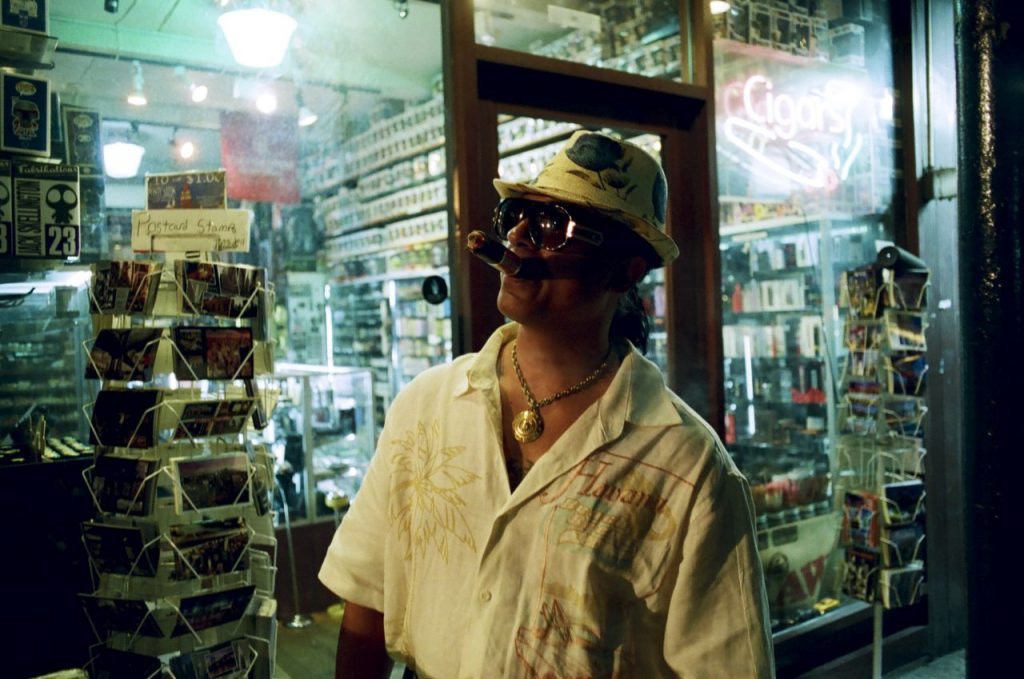
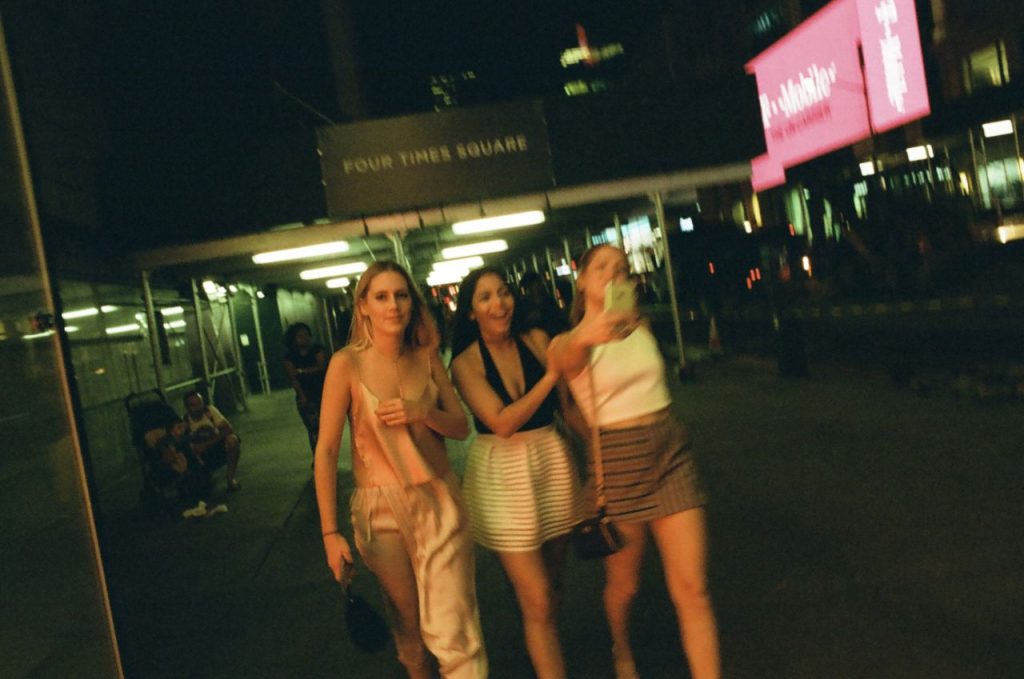
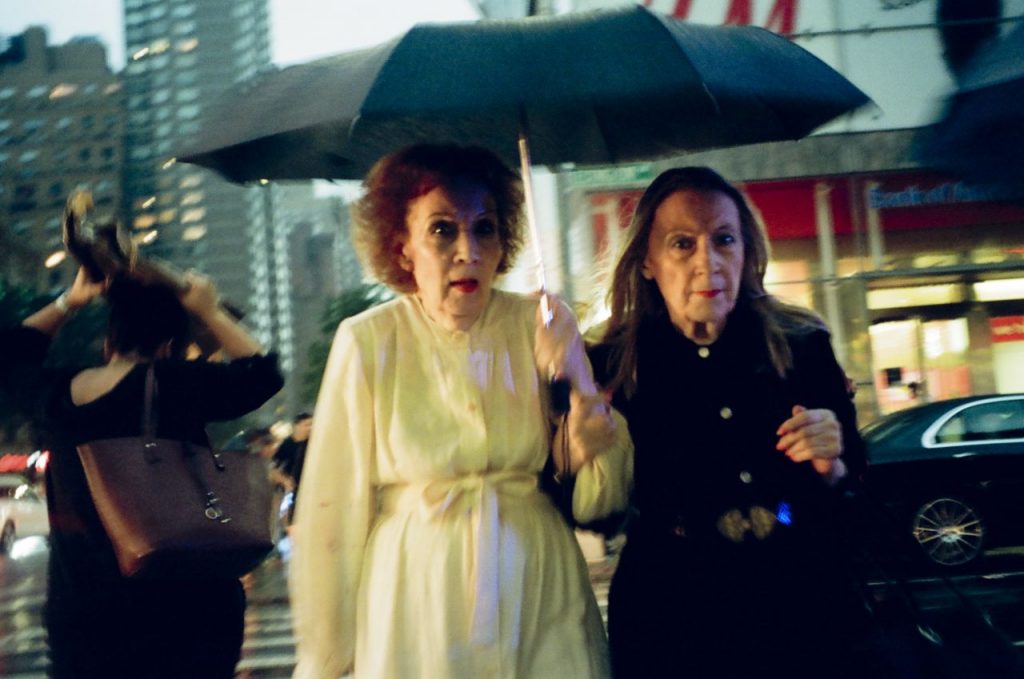
Urban Street Diving Christopher Voss New York

New York City Deep Dive by Chris Voss

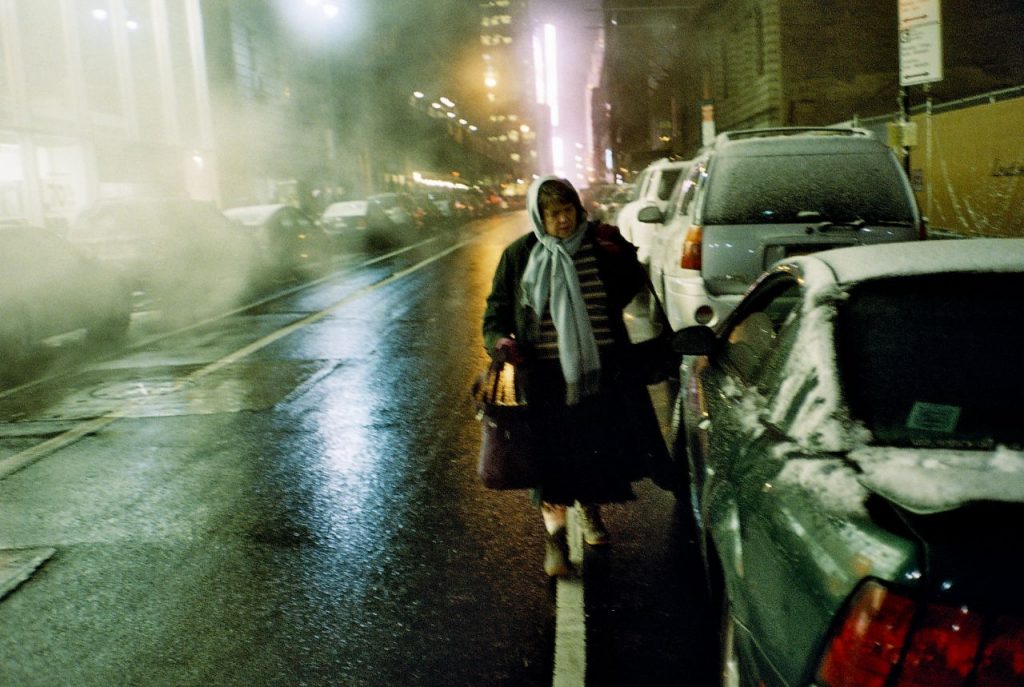
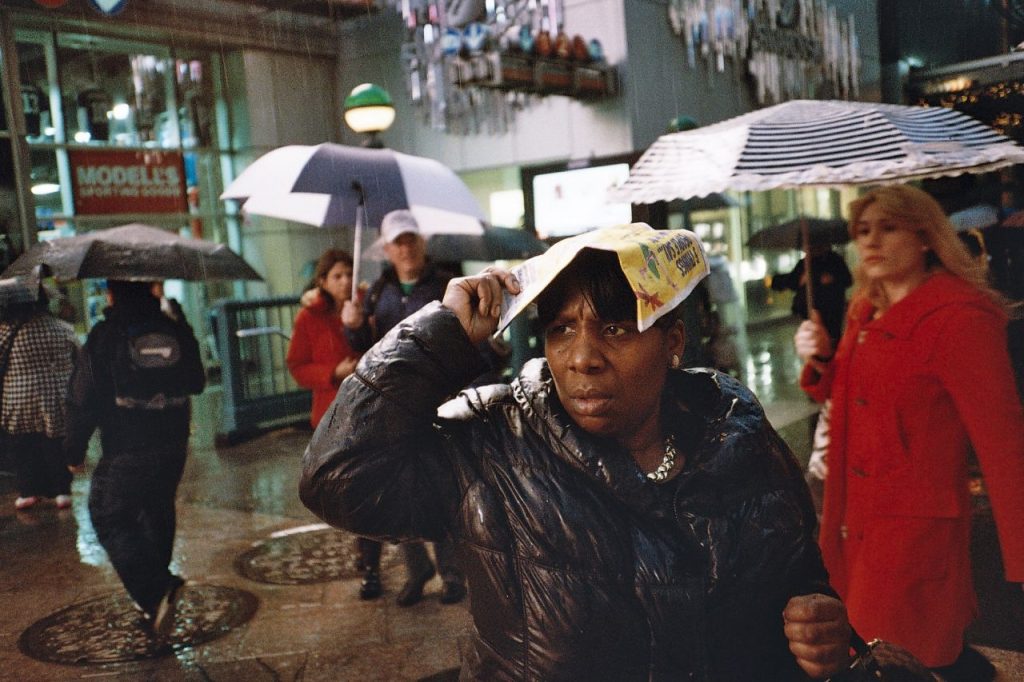
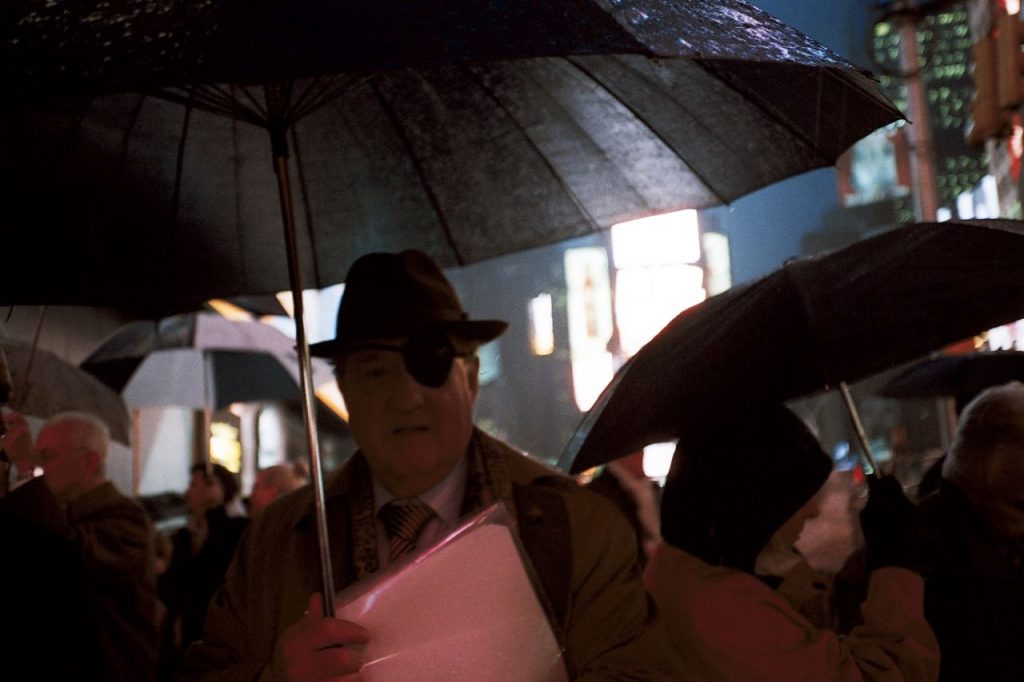
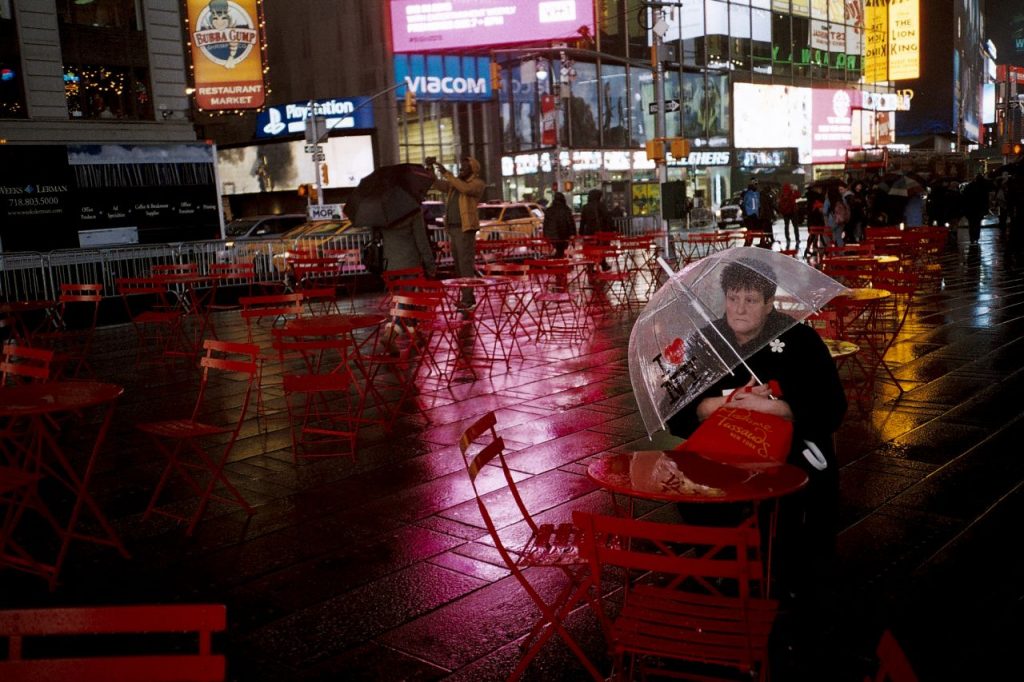
Christopher Voss is a Street Photographer from New York. For the deep dive segment, he kindly shares with us a selection from his Street Photography series “Bad Weather”.

Chris, please introduce yourself.

I am Chris, an amateur photographer based in Brooklyn, NY by way of Oakland, California.

I found you via the New York City Street Photography Collective (NYC-SPC). Please tell us a bit about the group and your activities.

The NYC-SPC is a group founded by a talented dude Jorge Garcia and full of other talented folks. It’s operated more on offline participation and word of mouth than sort of cherry picking members as a curation thing. We meet once a month at the Lomography Store in Greenwich village. They also have a zine out right now that you should get!

It’s really nice having a tight network to shoot ideas or questions at, or even beg to borrow a camera. I used to invite anyone I met on a corner to come. It’s really interesting to me also how it’s based on offline participation but the NYCSPC hashtag has gone lightweight viral on instagram amongst other hashtag spam. Why try to get whatever validation you’re looking for on your social media account, when you can have a more meaningful interaction in the real world?

Your submitted photos are part from long term street photography projects. Please tell me a bit about those projects and your further plans.

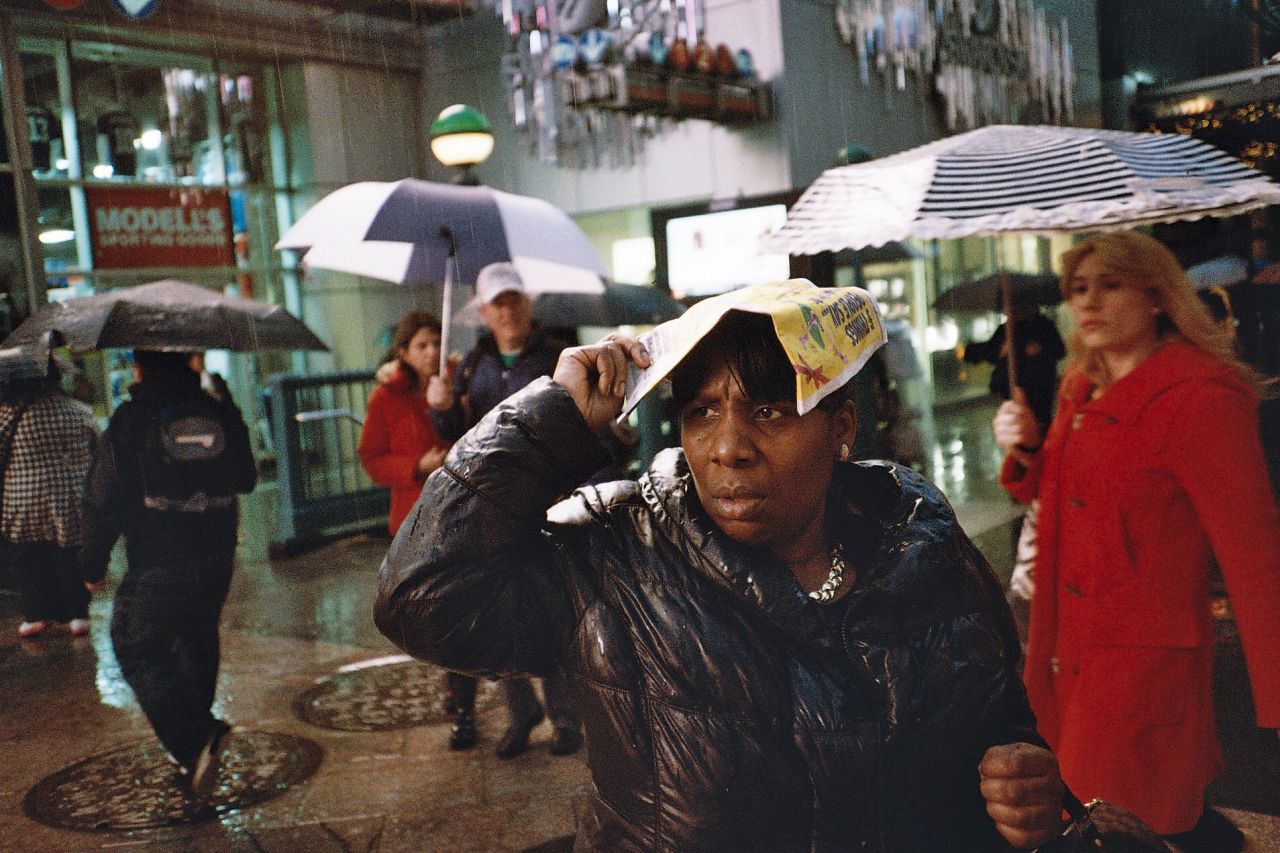
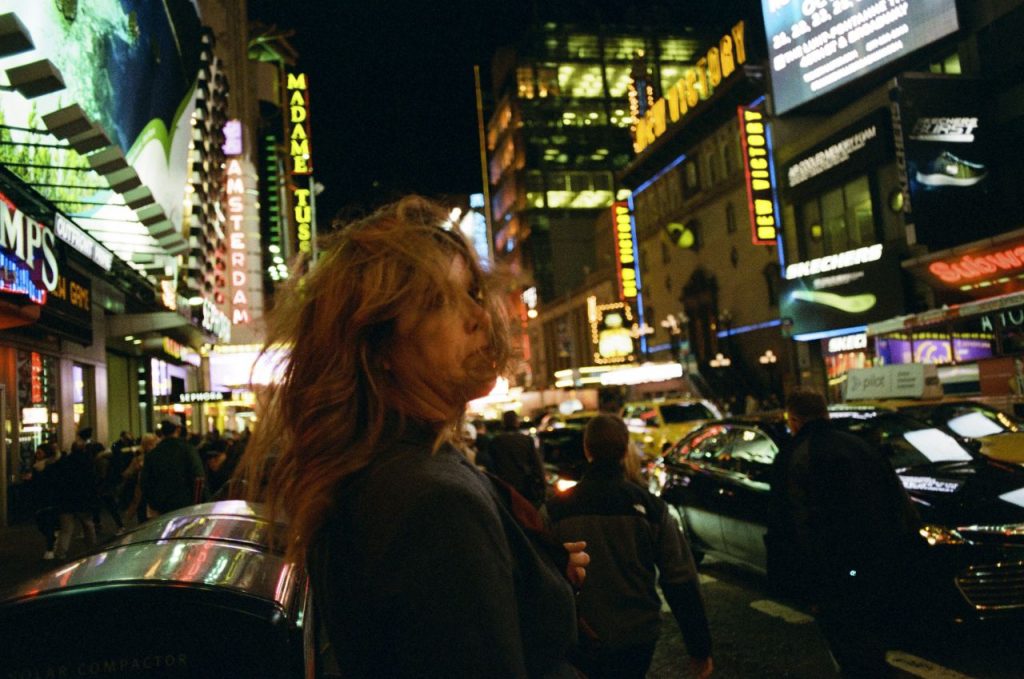
I hope to have at least one or two books by the time I am an old enlightened and bitter photographer. My first book that may be sooner than later is called “Dark and Stormy”, which I hope will be a combination of bad weather type of photography as well as night photography. I used to get really defeated and frustrated when the light began to change in Fall and Winter. I felt like I couldn’t make work and I am not super into flash. Holding down a day job, basically the only shooting opportunities available after work last year was an incredibly rainy December. So I was like fuck it, i’ll go out with an Umbrella? Or after dark.

As you shoot mostly people on the streets, did you ever encountered any critical situations?

I know this question is asked a lot in the context of street photography, but if you want crazier stories ask anyone who works in the service industry. I guarantee someone making coffee gets yelled at more than the average photographer.

Your photos are exclusively shot with an analog camera. What’s your motivation to choose analog over digital?

Analog gets me out in the world more. I have to go out and find working equipment, buy film, take the time to develop it and try some restaurants nearby. Film just has a feel I can visualize, and it looks better to me. It feels like you’re making an object, that I shamefully just throw in a drawer to organize later.

For most photographers, New York is the mecca for street photography. What’s your approach when shooting on the streets?

NYC is really great for photography. I’ve had an opportunity to listen to people I Idolize speak or sign my book, as well as meet an amazing community of photographers. I think though that it’s taught me that you don’t have to move to NYC or the city to take photos. The work that has really blown my mind recently is set in small town america, or at a state fair, or in the mountains.

Sometimes shots start to feel like you’re just trying to avoid cliches. If you stop think about what NYC or anywhere- street photography looks like I’m sure you are going to instantly think of several cliches. Sometimes if you are too deep in social media, these ideas spread quickly. I think finding things that are more unrepeatable or fall in between the cracks to some degree is a goal for me. While it’s the goal, let’s be real, photography is really hard.

I read on your website about the project “BACK TO THE STREETS”, where you project photos on walls in corners of NYC Streets. How did that idea come about?

Back to the Streets was basically a direct rip off of Nan Goldin’s Ballad of Sexual Dependency, which I saw recently at the MOMA. I kept thinking, we make work in all these parts of Midtown where there is no real presence of art beyond the museums. Which are largely unapproachable. I moved to NYC reading what is essentially legend of John Szarkowski, Winogrand and New Documents show.

I think there is a huge gap between what is happening in the street and the art world. So what if I took some of these photographers I’ve met over the past couple years and just projected on the side of a dark wall? Basically bringing the work “Back to the streets”, where it was made. I got really lucky the first night because there was a huge bus blocking all the street light and it had a nice white surface to project on.

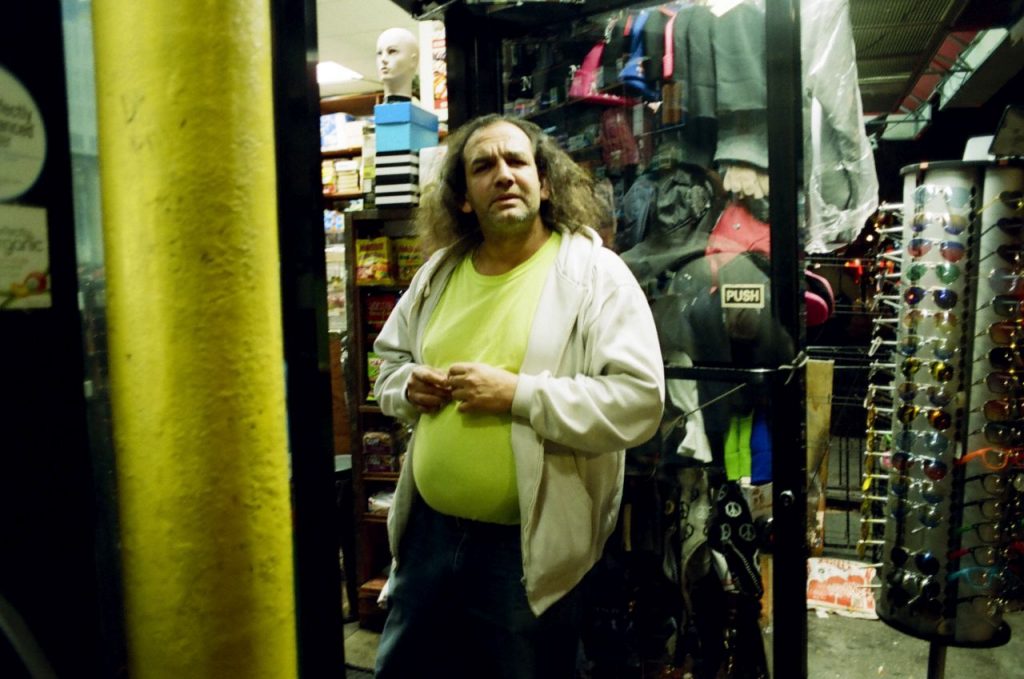
Urban Street Diving Christopher Voss New Yorkj Urban Street Diving Christopher Voss New Yorkj

Urban Street Diving Christopher Voss New Yorkj

Urban Street Diving Christopher Voss New Yorkj Urban Street Diving Christopher Voss New Yorkj Urban Street Diving Christopher Voss New Yorkj Urban Street Diving Christopher Voss New Yorkj Urban Street Diving Christopher Voss New Yorkj Urban Street Diving Christopher Voss New Yorkj Urban Street Diving Christopher Voss New Yorkj

Anything else you want to talk about or get off your chest?

I don’t believe in most photo contests. If you are saying the only way to get exposure is by a large submission fee then you are essentially saying that you have to pay in order to be an artist. Do only people with the privilege of paying that submission fee on top of all the costs there are to be an artist deserve to show work?

Where can we find more of your work?

Check out my website www.chrisvossnyc.com and add me on ig @chrisvossnyc

Thanks Chris for sharing your photos and stories with us!

Deep Diving above the Arctic Circle

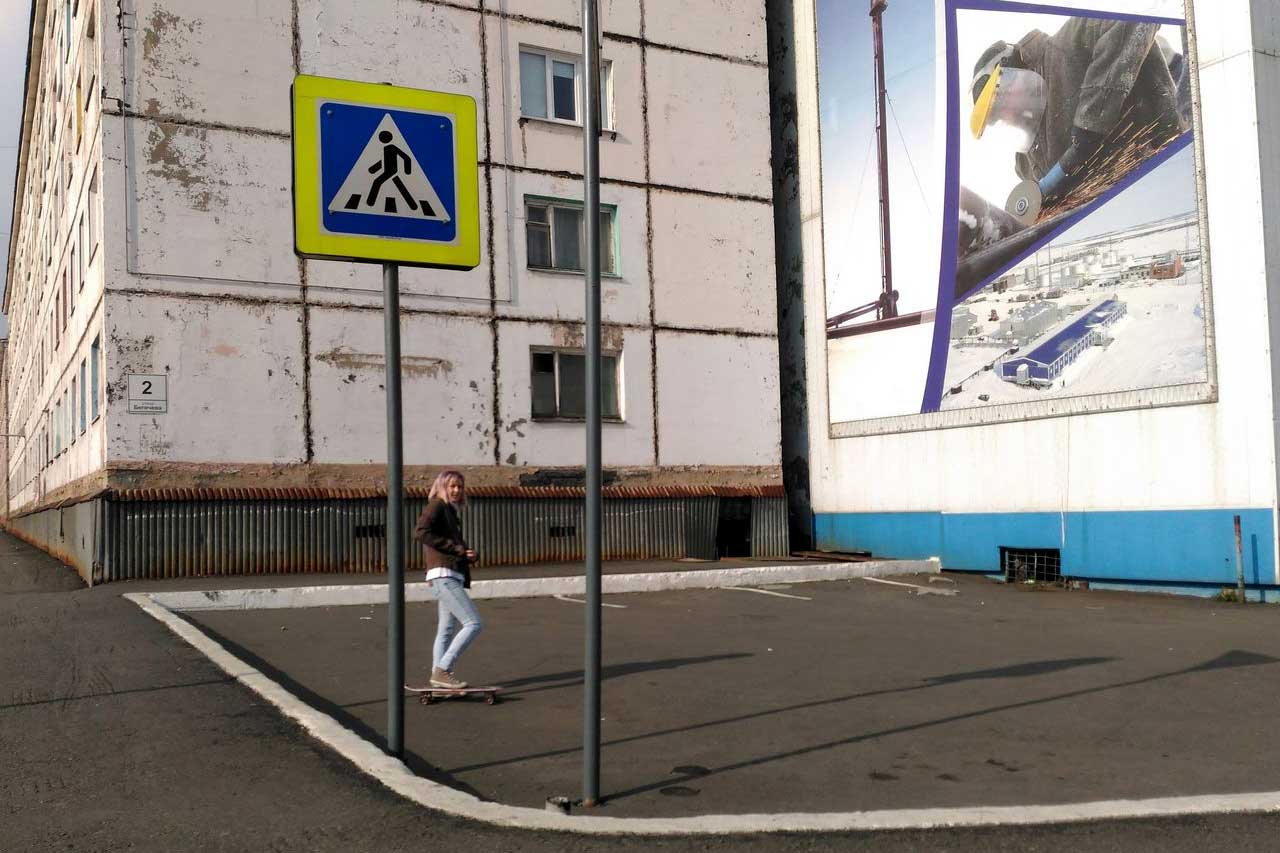
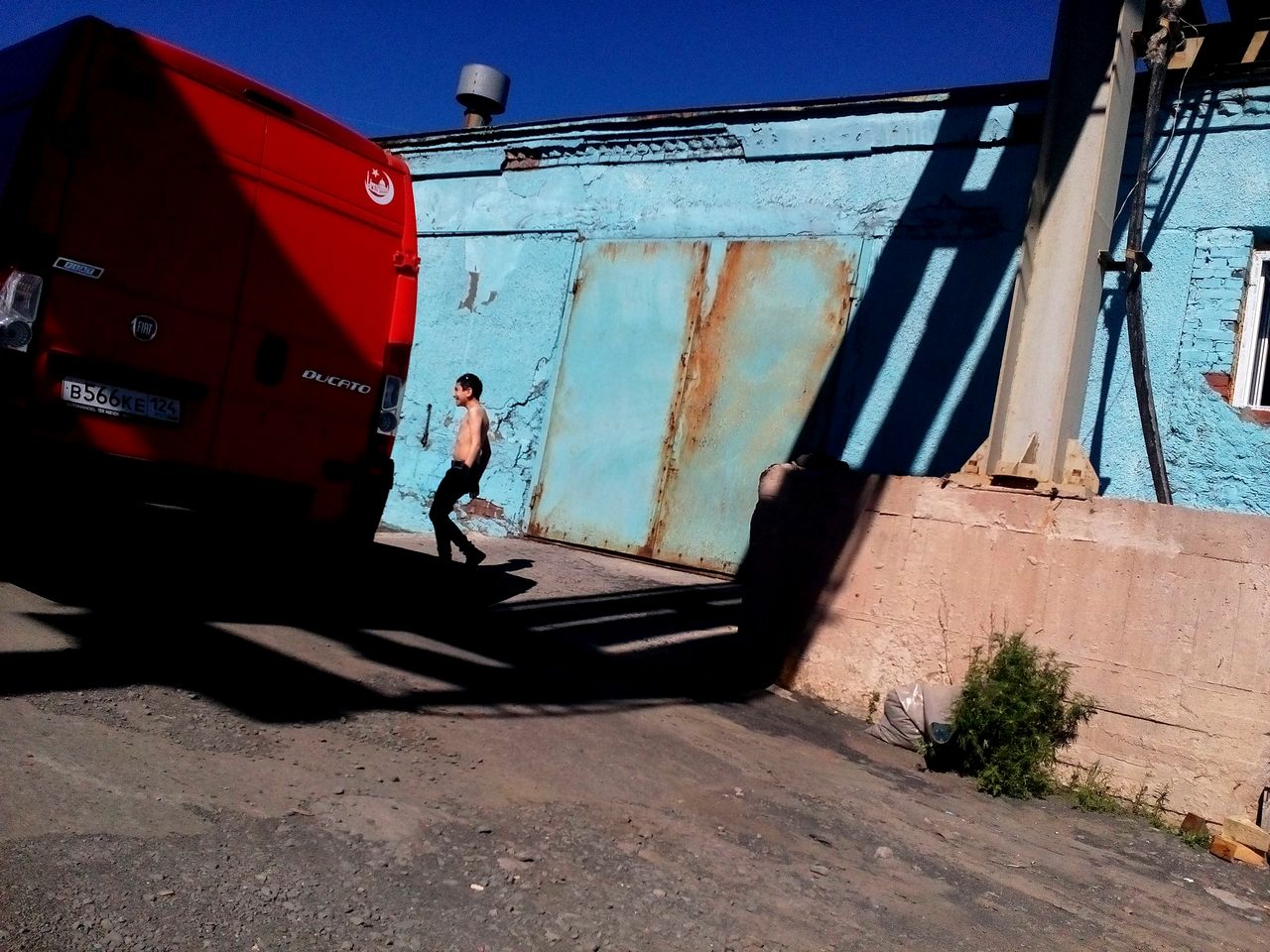
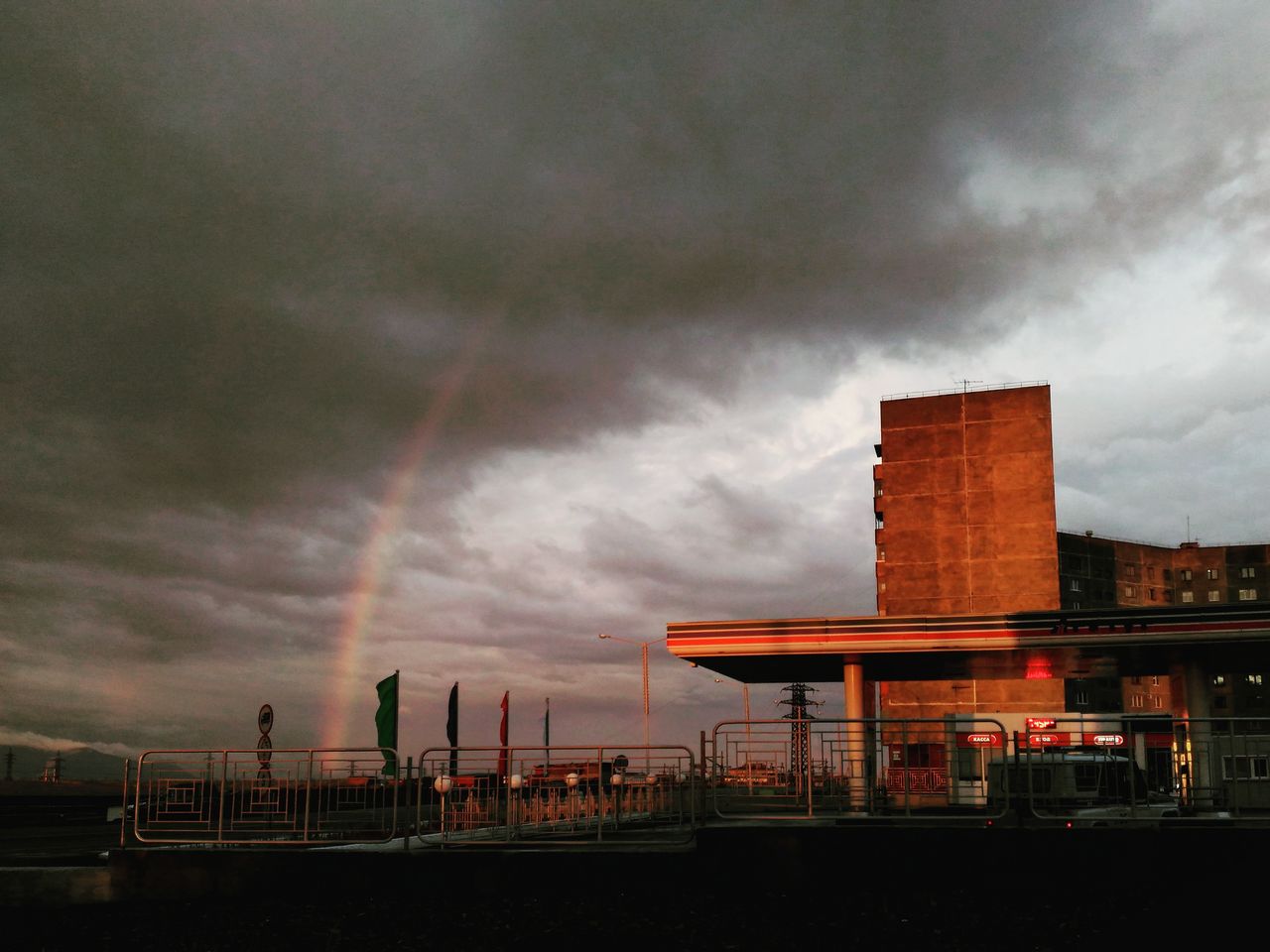
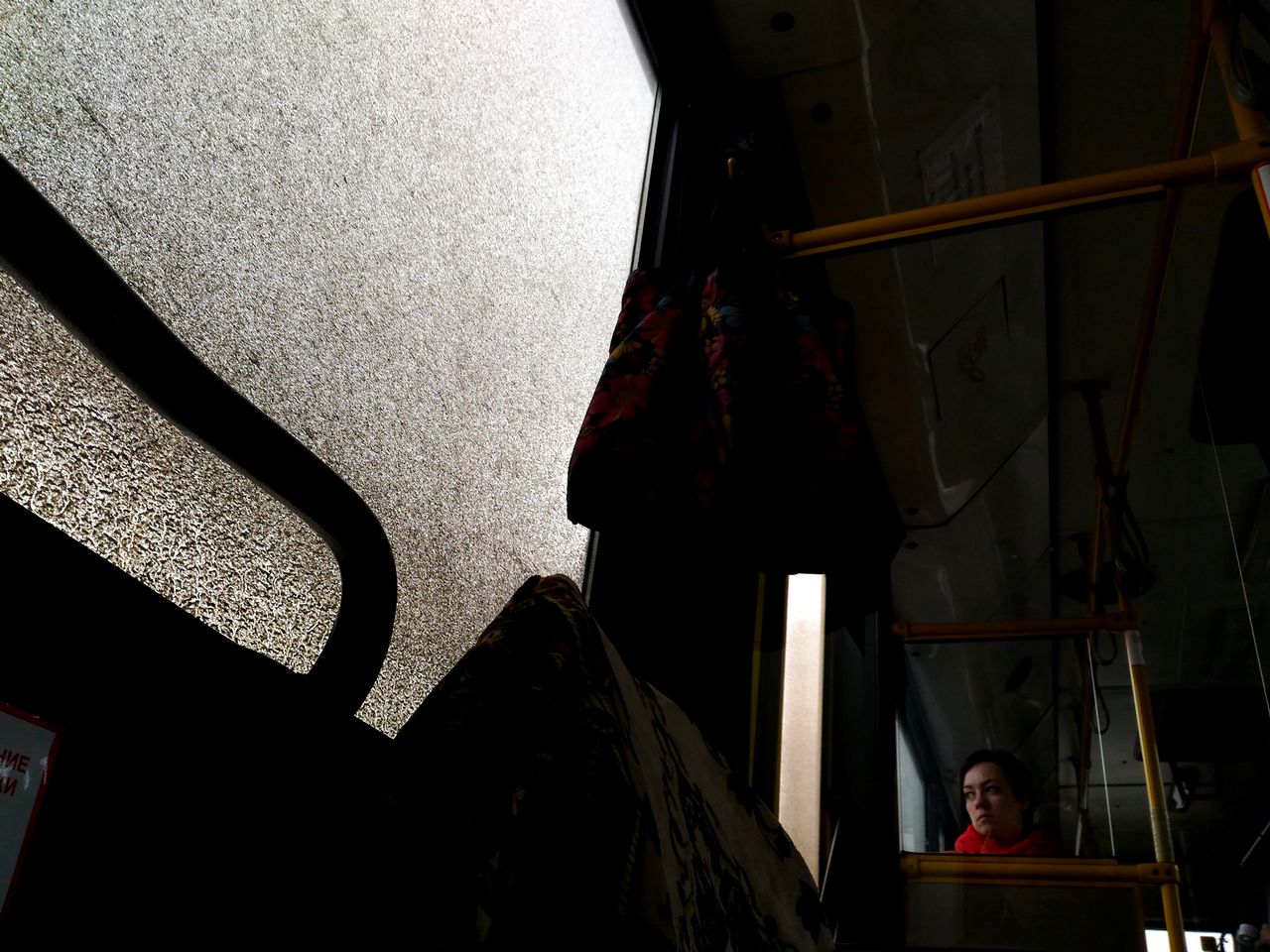
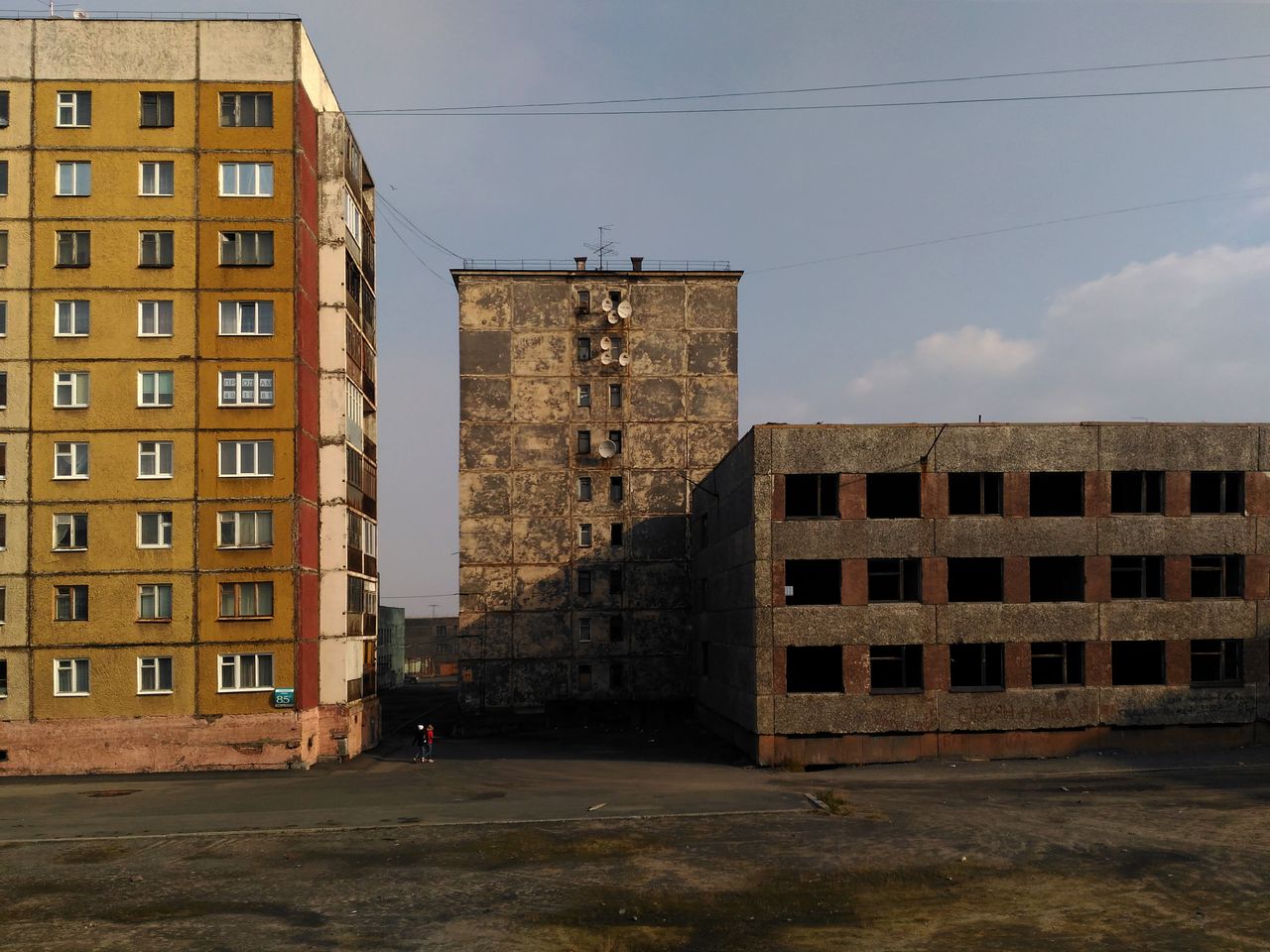
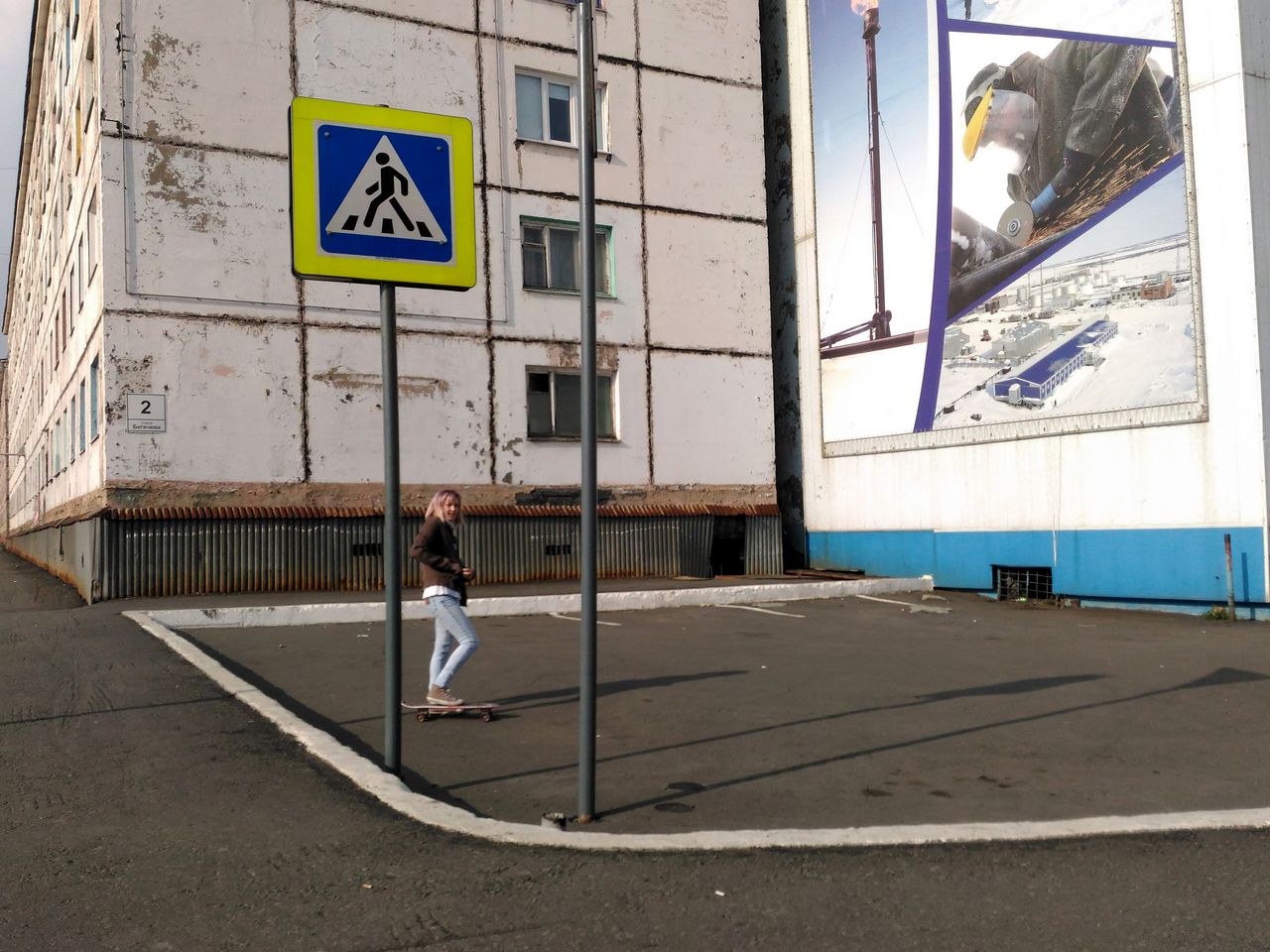
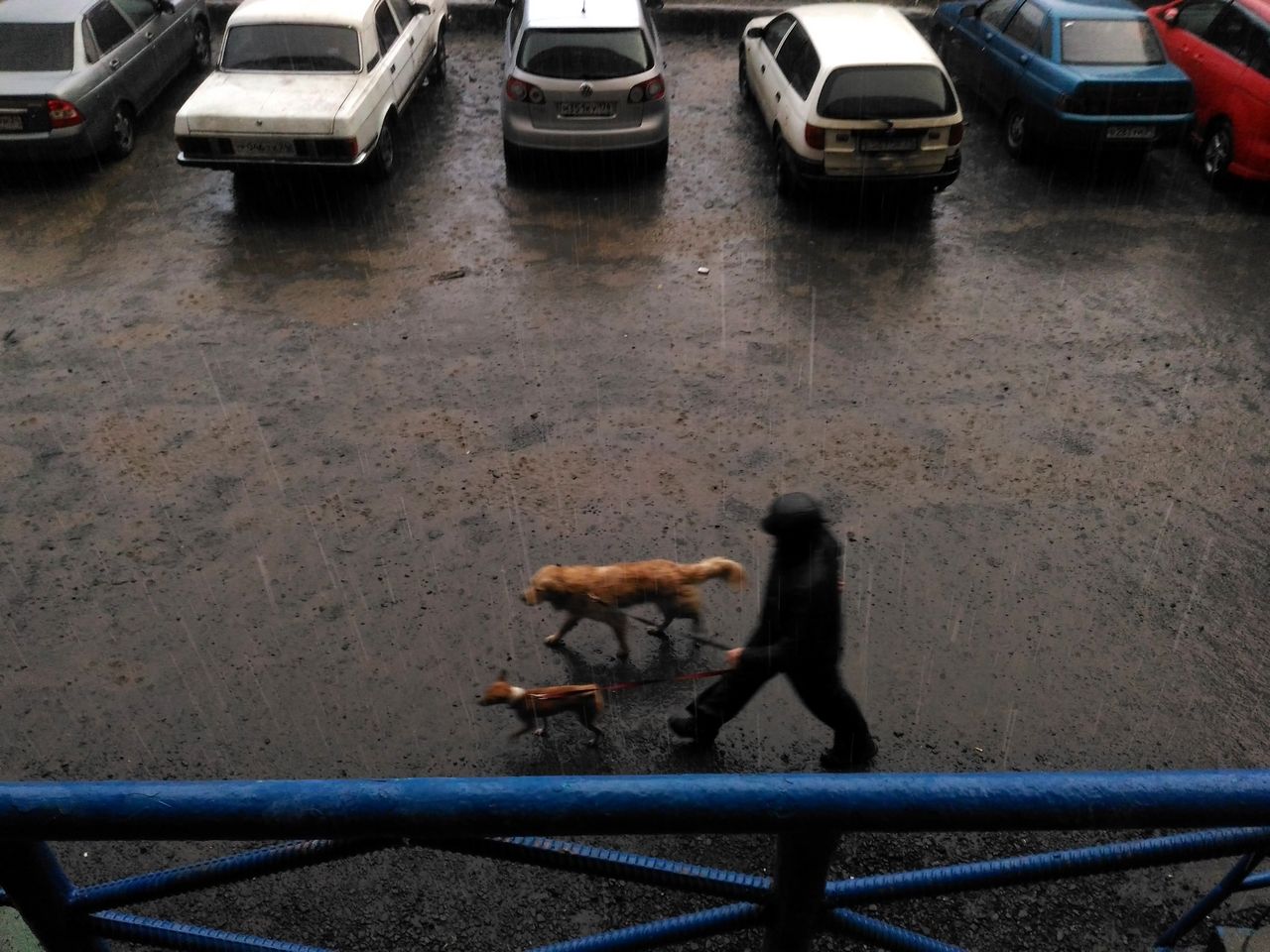
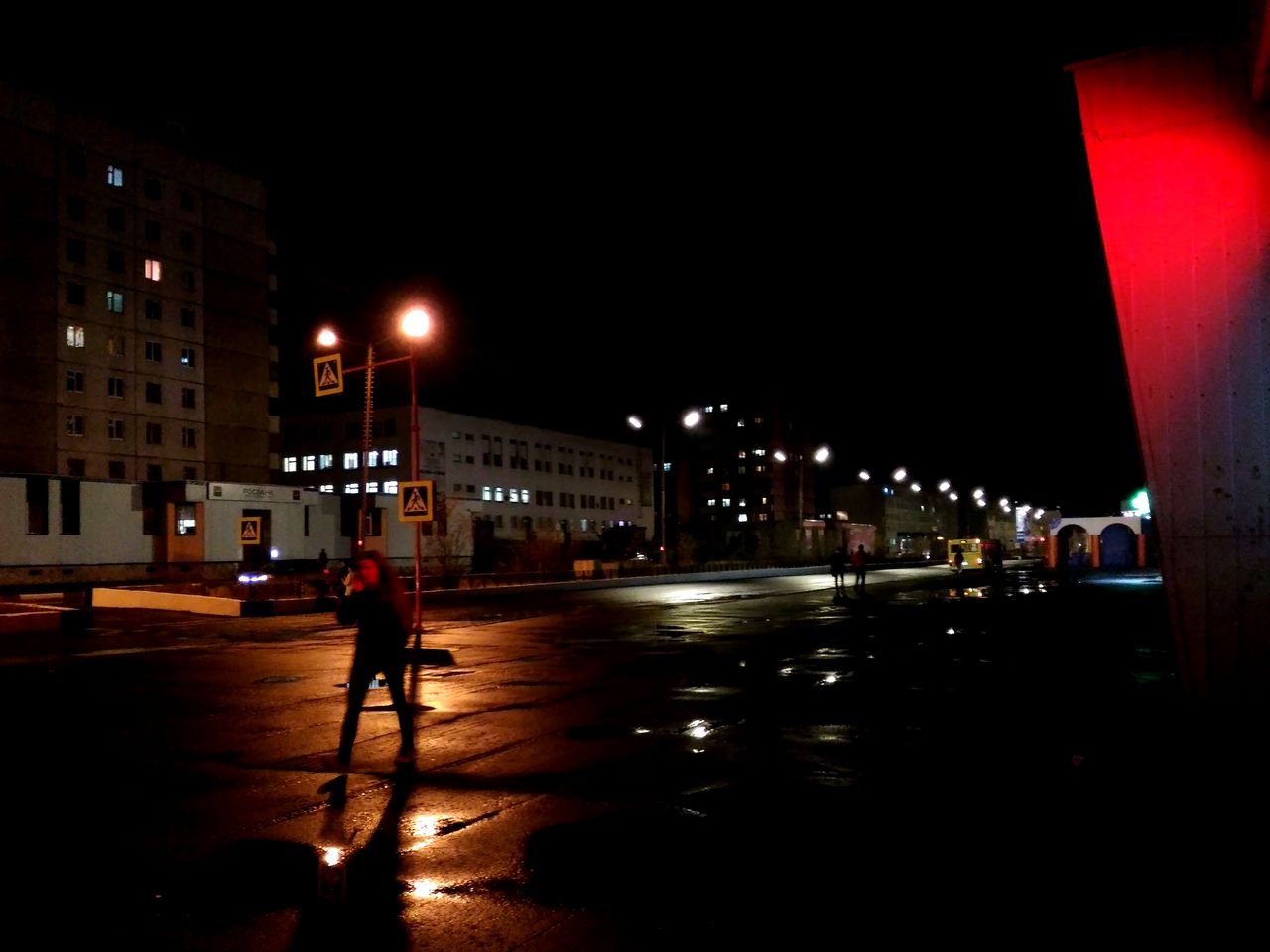
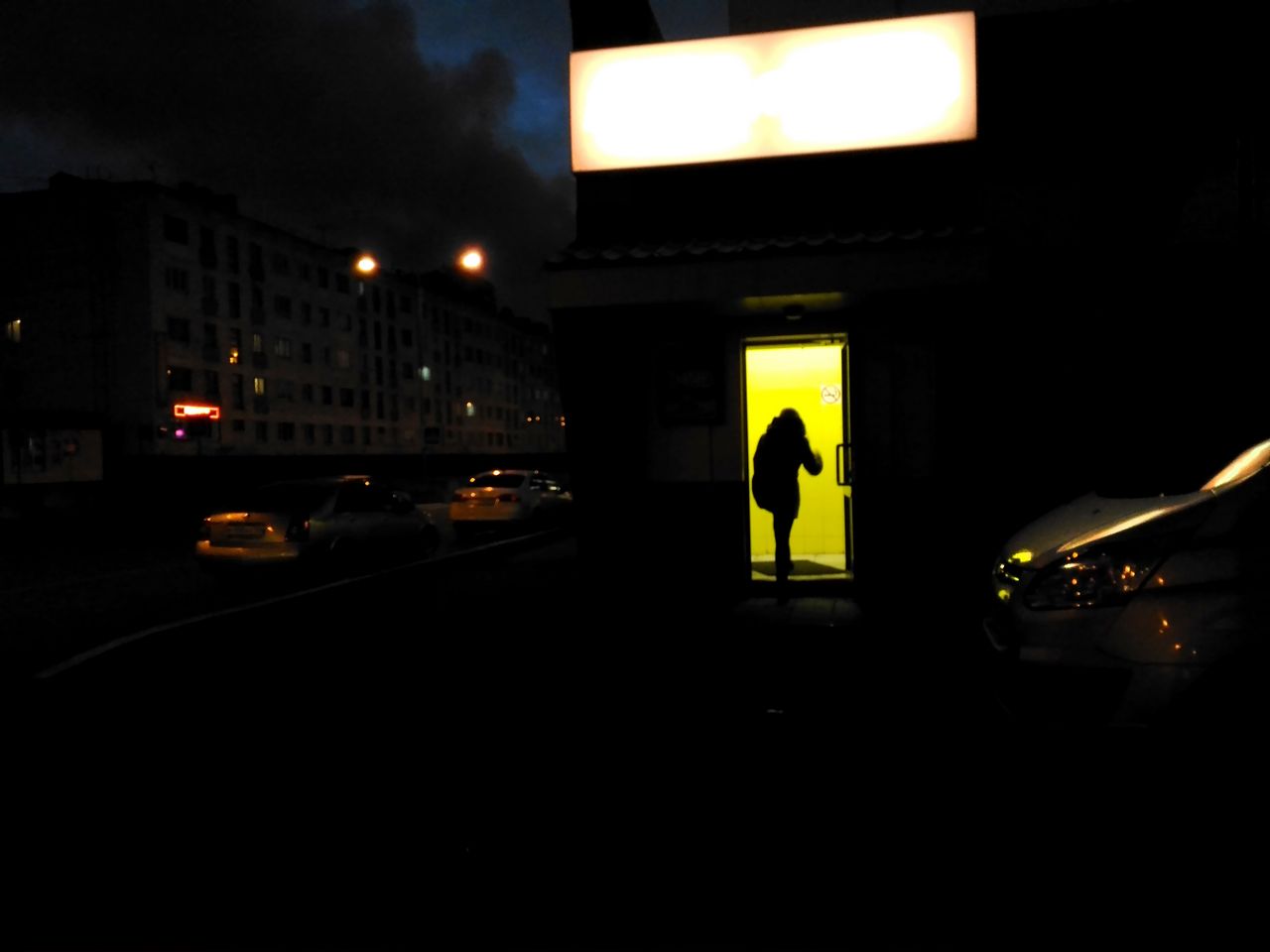
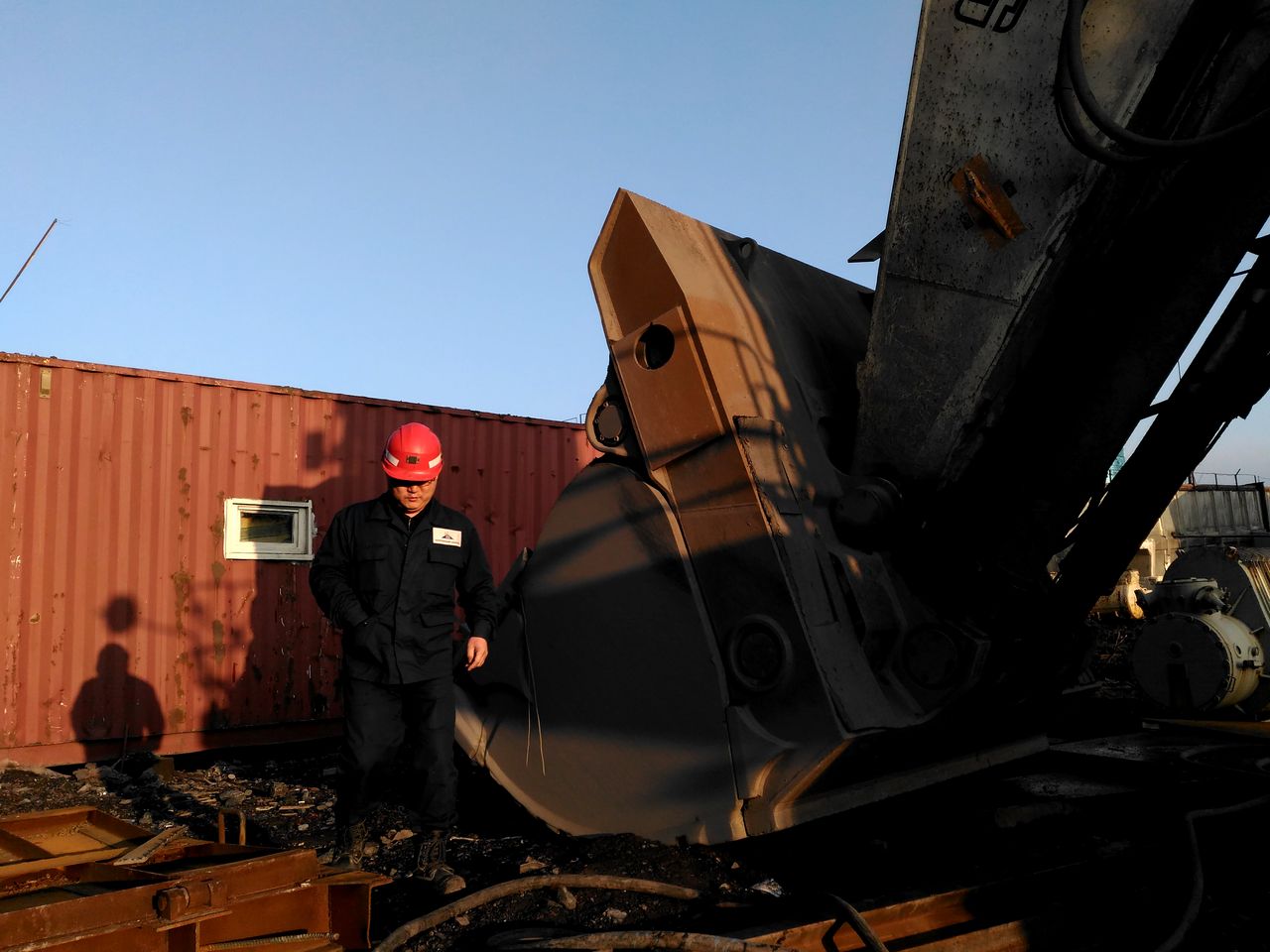
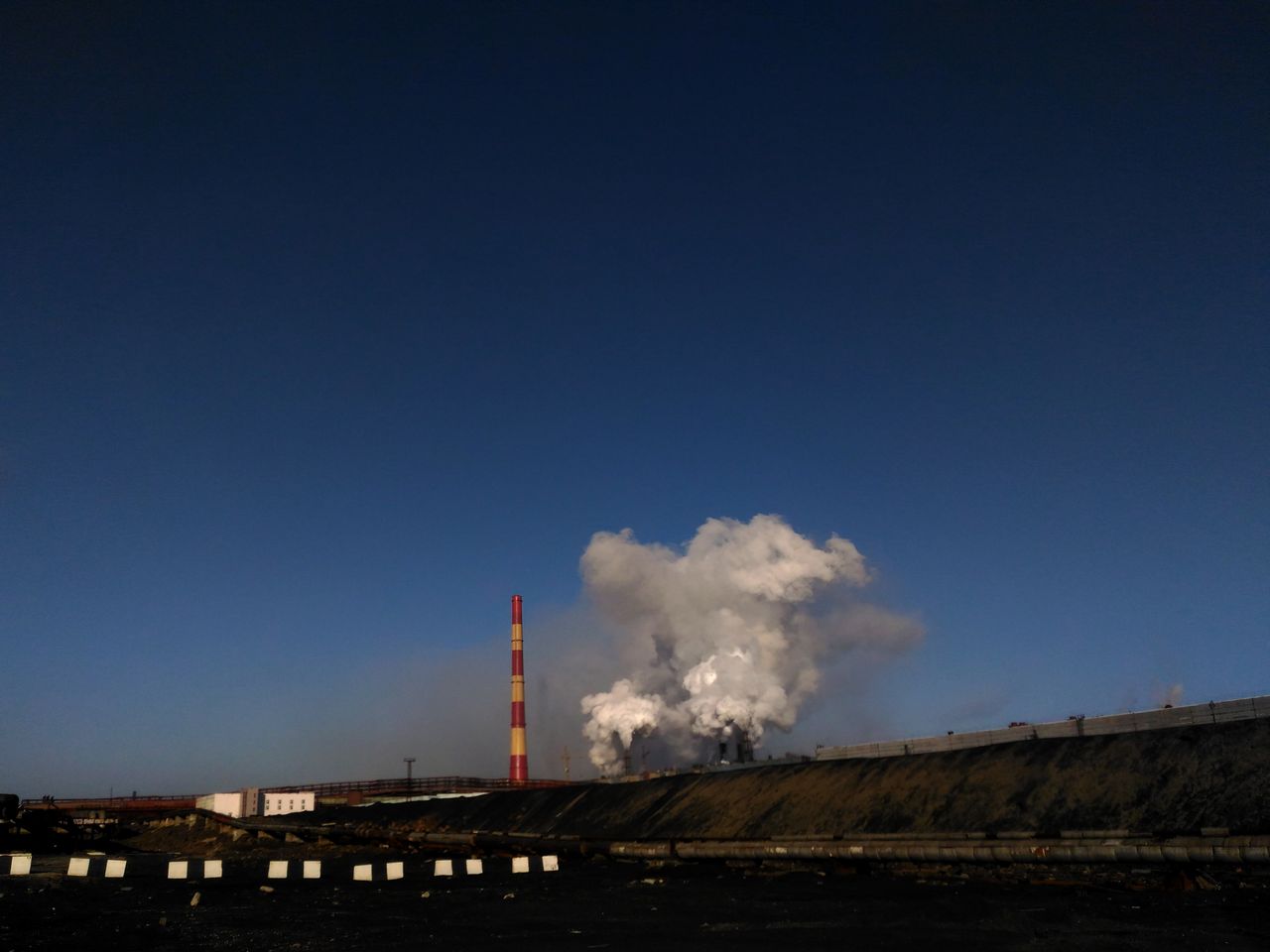
Eugene Schemilin, Street Photographer from Siberia, Russia, takes us on a trip through his hometown Norilsk, an industrial city located in the continuous permafrost zone and one of the world’s northernmost city with more than 100,000 inhabitants.

Eugene, please introduce yourself.

Hey. My name is Eugene Schemilin. I live and work in the city of Norilsk – a city in the far north of Russia.

Only Russians and people with a special permit are allowed to enter the city. Please tell me a bit about this situation, your city and your life there.

In fact, foreigners cannot come to our city without special permission and approval from the authorities. But this does not prevent foreigners like photographers, writers, directors, musicians, etc. as well as specialists of industrial areas to come to our city. Therefore, a lot of photos and films about our city can be found on the Internet. Russian citizens can travel without restrictions in our town, but only those come here who love extreme rest or want to work.

Due to the very northern location of your city, nights are very long and dark especially during the 48 days of polar night. How do you cope with that and how do you spend that period?

The great things about living in the Arctic Circle are polar day and polar night. When you live for a while in these conditions, then you get used to it. And it does not cause serious inconvenience. Life in this period is not different from life under normal conditions.

Your street photos show everyday life scenes from your city. What’s your favourite time and location to shoot or do you just have you camera with you at all times?

The last few years I shoot street photography with a smartphone, it is always with me and is always ready to capture the decisive moment of any situation on the street.

How do you motivate yourself to go out to shoot, especially during that long and cold winter nights?

I search the Internet for good photos, movies and do a lot of thinking. And each time I go out I tell myself that my photo is part of a photo series, that will be watched by our descendants so they can learn something about us.

Is there some kind of photography scene in Norilsk or in Russia in general and what else do you do to keep inspired?

Once a year, I’m leaving Norilsk for vacation. I am going to visit relatives and friends in the central and southern parts of Russia. In every village I am looking for conspicuousness. The peculiarity of passers walking by, shadows, umbrellas and spots of light, textures and colour accents on the walls. In addition to street photography, I put a lot of time in filming a photo story project about Norilsk miners and their hard work.

What are your future goals with photography?

In the near future I want to do a photo exhibition and photo book. And of course, continue to shoot.

Urban Street Photography Norilsk

Urban Street Photography Norilsk

Urban Street Photography Norilsk

Urban Street Photography Norilsk

Urban Street Photography Norilsk

Urban Street Photography Norilsk

Urban Street Photography Norilsk

Urban Street Photography Norilsk

Urban Street Photography Norilsk

Urban Street Photography Norilsk

Where can we find more of your work?

https://www.instagram.com/ugin80/
Photo Artists Union of Russia

Thanks a lot Eugene for sharing your photos on Urban Street Diving!

Urban Street Diving Dan Guinski Curitiba Brazil

Brazilian Street Photographer dives through a place he rarely goes to

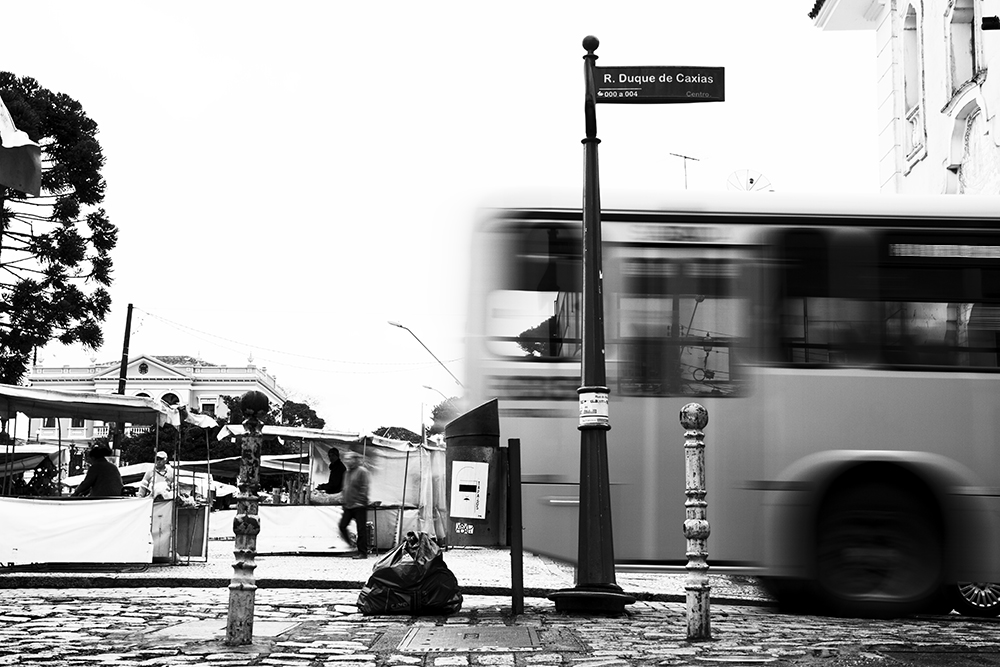
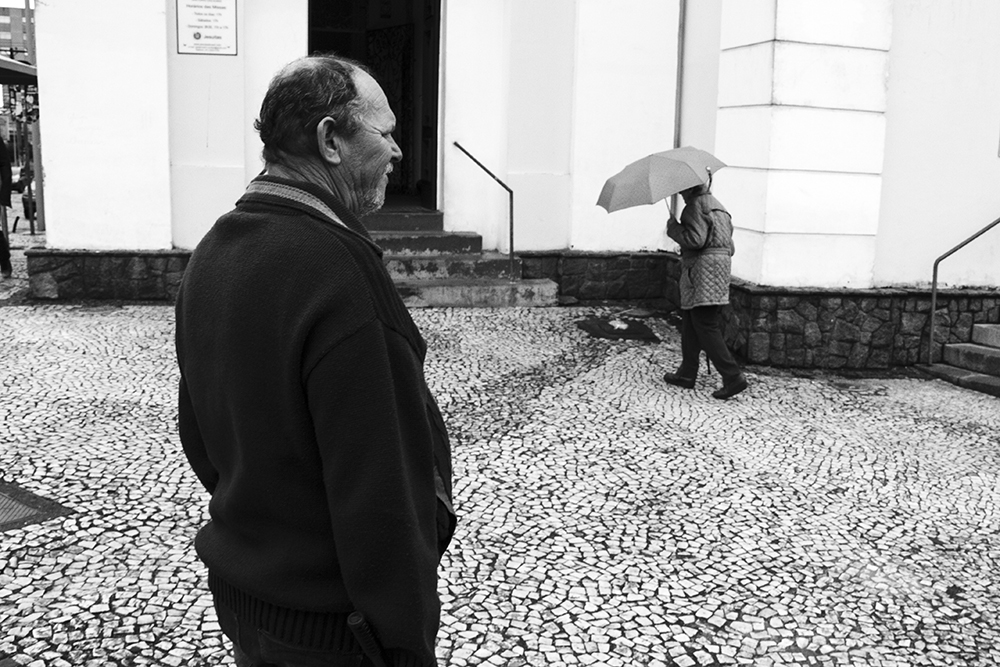
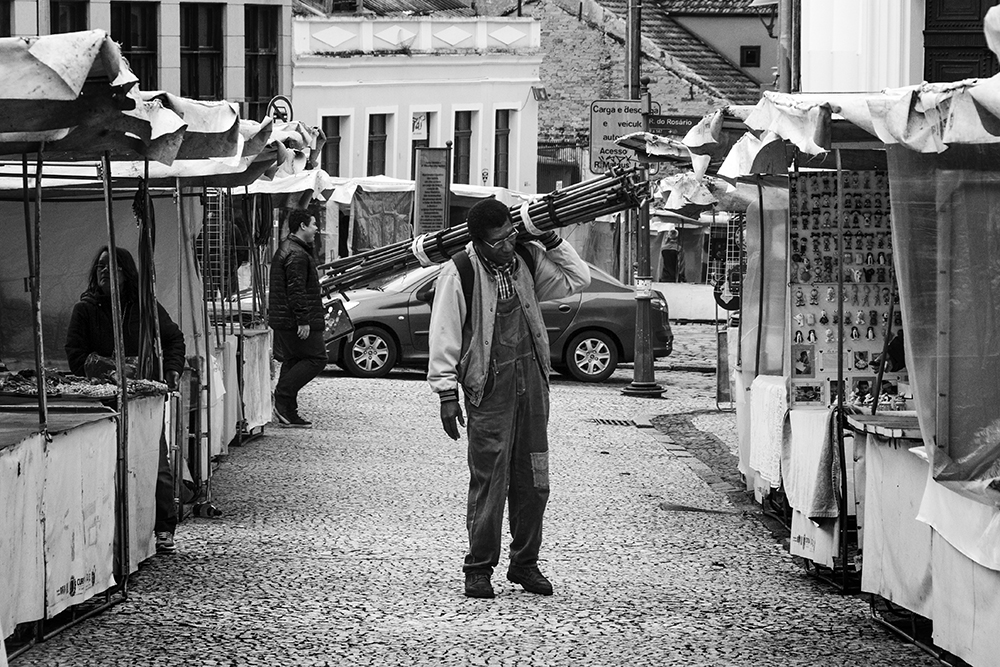
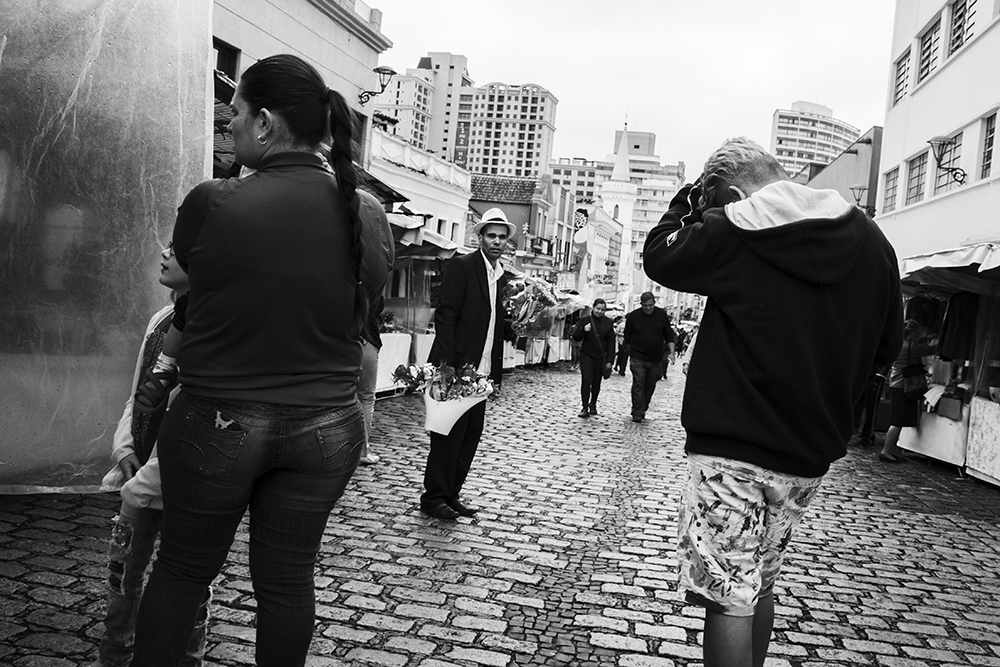
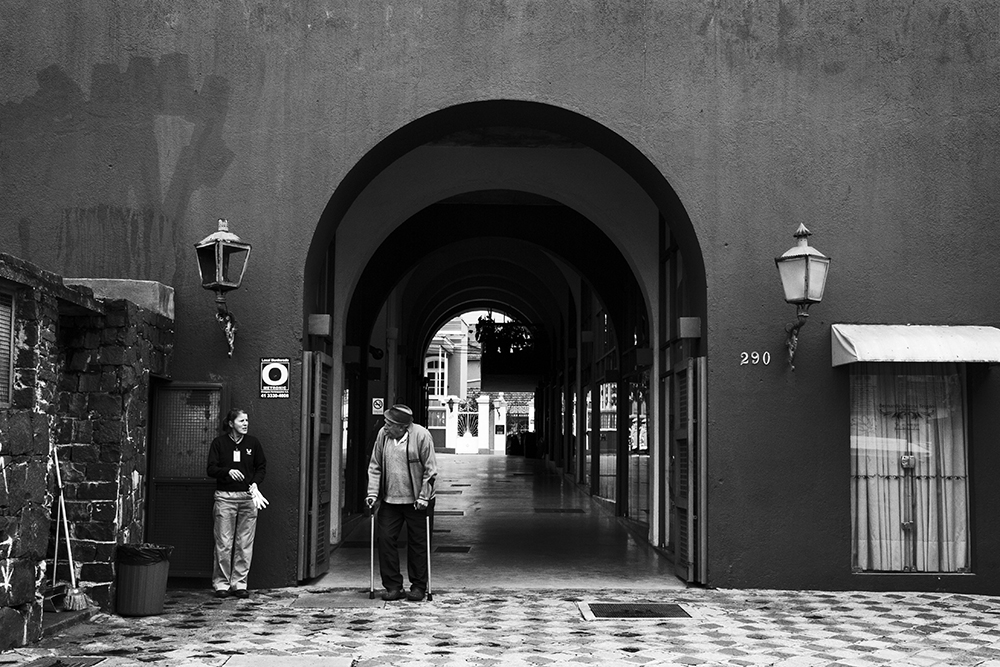
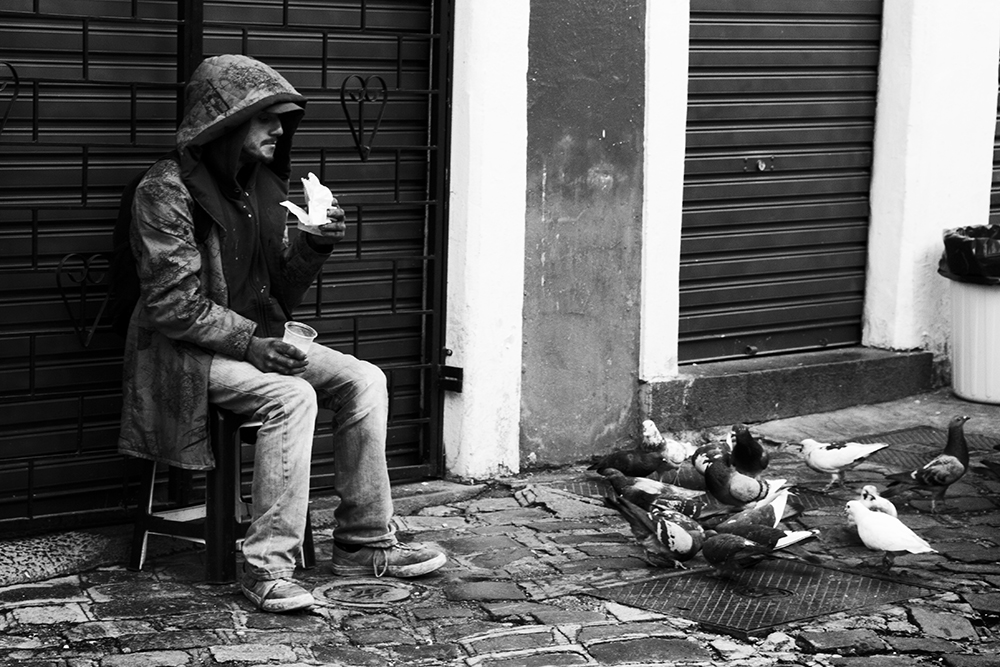
Dan Guinski, street photographer and musician from Brazil, dove through a local street market during morning hours in his hometwon Curitiba. It’s a place he rarely goes to and that in turn made him go there.

Dan, please tell our readers a little bit about yourself.

I’m a photographer and musician based in Curitiba (Brazil) graduated in Social Communication – Radio & TV. I’ve always been attracted to audio and visual arts since I was really young. I’ve been doing photography for about 11 or 12 years now.

Besides street photography, you like to shoot portraits. How did that come about?

Actually it is something I’ve been pushing myself to do it more lately. I’m definitely not that kind of photographer that interacts with people, that starts a conversation and then shoot. I’m more like a street photographer that likes to blend in and go unnoticed. For me it’s all about observing and finding something interesting in what is ordinary.

Could you please tell me a bit about the street photography scene in your hometown and in Brazil?

Well, I don’t know if the scene has grown or not, but it definitely gained more visibility lately mostly because social medias like instagram. You surely can find some great brazilian photographers on those platforms.

Due to law restrictions in Europe, it can sometimes be very problematic to photograph people on the streets. How is it like in Brazil and have you ever encountered critical situations?

To be honest, this is something I really don’t think about, specially when I’m photographing. I just think you gotta be respectful. Probably there are some restrictions, but as far as I know, it depends on how you pretend to use the photo you hypothetically shoot. In my opinion, art was never about following the rules. Do it first and deal with it later, you know? I never had any troubles while taking pictures of people in the streets, besides some bad looks, and I can live with that, specially if I get that look on camera.

You decided to shoot your photo series around a market in your hometown. Why did you choose that specific location for your street dive and what kind of stories and situations did you discover during your dive?

Yes, it is kind of a street fair that sells handcrafted goods. It happens every sunday on the historic part of the city called Largo da Ordem. It is a very touristic thing to do and me, as a local, rarely go there, and that is in part why I chose that location. I went really early in the day, when they were still preparing the tents and stuff. I just started walking around and shooting. Nothing out of the ordinary has happened, but as a street photographer I gotta turn that into photographs with something interesting to show.

Urban Street Diving Dan Guinski Curitiba Brazil

Urban Street Diving Dan Guinski Curitiba Brazil

Urban Street Diving Dan Guinski Curitiba Brazil

Urban Street Diving Dan Guinski Curitiba Brazil

Urban Street Diving Dan Guinski Curitiba Brazil

Urban Street Diving Dan Guinski Curitiba Brazil

Urban Street Diving Dan Guinski Curitiba Brazil

Did you do any pre-dive preparation before your street dive and how did it feel to have only limited amount of time to create a photo series?

I thought about some places I could go and after I decided I just checked the weather forecast the day before. When you contacted me about doing this Street Dive thing I thought it was really cool. Loved the concept of it and the fact that you have to impose yourself to those limitations and create a series, not a single shot. It was very challenging and fun to do it.

Where can we find more of your work?

Website: www.danguinski.com
Instagram: www.instagram.com/danguinski
Facebook: www.facebook.com/danguinski
Flickr: www.flickr.com/danguinski

Thanks Dan for your time and your contribution to Urban Street Diving!

Dive Log:

Dive Spot: Feira do Largo da Ordem, Curitiba, Brazil
Duration: 1 hour
Weather: Cloudy
What to see: “On sunday mornings you can check the street fair and try some traditional Garapa (a juice made of sugar cane). Other than that you have a big variety of bars you can go”

Urban Street Diving Berlin Photo Booth

Spanish Photographer José Luis Gea street dives in front of a Berlin Photo Booth

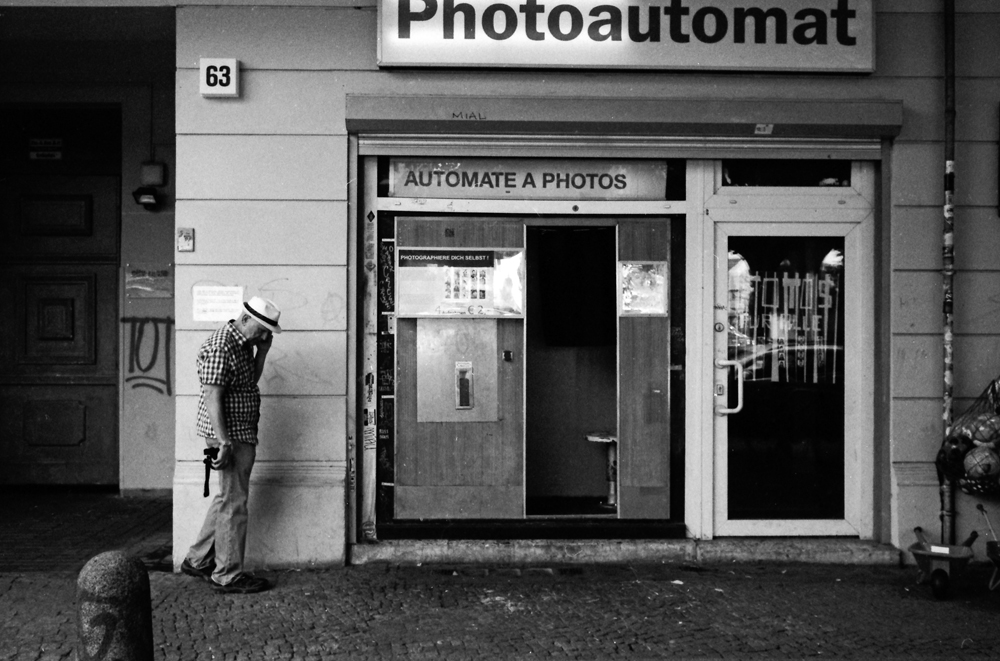
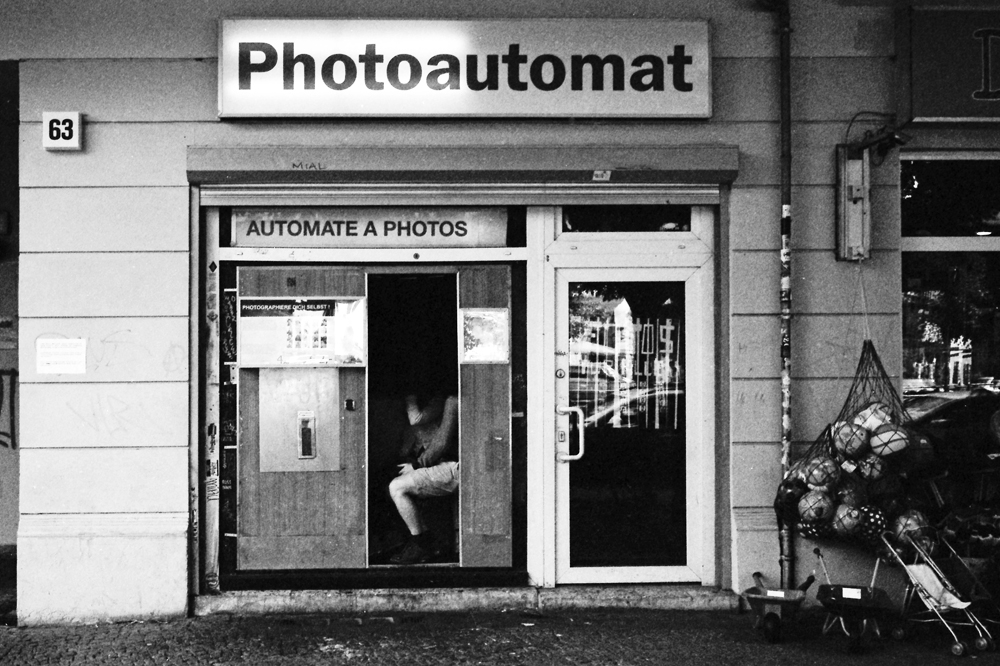
José Luis Gea, spanish Street Phototographer from Orihuela, spent his summer vacation with his family in Berlin. He discovered an interesting dive spot and perfomed a short street dive in Berlin’s trendy district Prenzlauer Berg.

José, please introduce yourself!

My name is José Luis Gea and I’m a Street photographer based in Orihuela (Spain). I’ve been doing Street photography since 2011, but my passion for photography came in the late 80s. I share my passion for this kind of photography with my friends in my photo collective (Street Soul Photography). I’m writing as a member of this collective in Spanish online magazine DNG Photography every month. I like to shoot in B&W films and sometimes in color. But I also take some pictures with digital cameras, however, just very few. I love shooting with telemetric cameras like the Leica M7, but also medium format cameras for portraits or other slower photo styles.

How did you love for street photography come about?

I first get started in 2011, but I think I’ve been doing “Street photography” since the first picture. I took pictures of strangers and their situations. The time my friends introduced me to the particular genre of Street Photography I became more and more interested.

Your photo series was shot in Berlin. Is it different to shoot there than in your hometown or other cities you traveled to?

Yes, this pictures were taken in Berlin during a trip this summer. Berlin is very special, because it’s a city full of very open minded people, especially what refers to culture or social themes. Every city is different and invites the spectator to different experiences due to culture and the people living there. For example, my city is small and you have to make an additional effort in order to find new scenarios. I’d very different experiences in all cities I were, but together with Lisbon and Porto, Berlin is a city I enjoyed very much.

You like to shoot film. How does it influence your way of shooting?

It determines all, it’s a inverse process in all manners. You don’t care about shooting like a machinegun in order to get one good picture among thousands, because your senses evolve for getting good pictures without wasting rolls and rolls of film. All is more calm, because you don’t see the picture until it’s develop so you don’t think about it. So, you have to learn to expose right in order to not fail. Other aspect is the creative one, due to it’s nature film photography is more creative and calm. You develop and scan your own negatives. The development process is a unique thing and every photographer should try it, it’s magic! And at last but not at least, you don’t have to use that much the computer.

Why did you choose that specific location for your street dive? Please tell me a bit about the area and the stories you discovered during your dive.

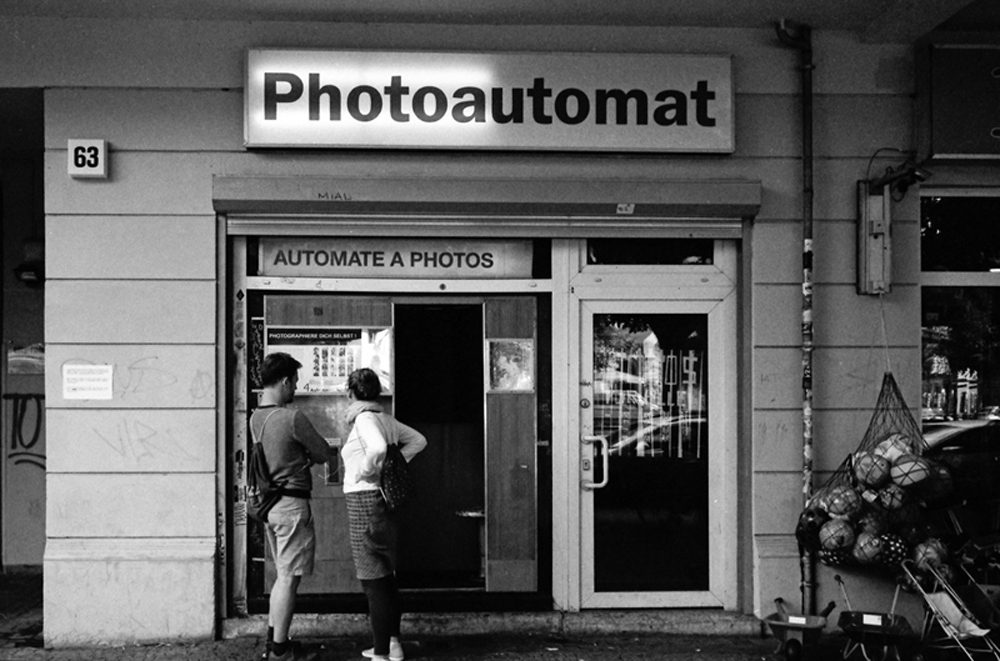
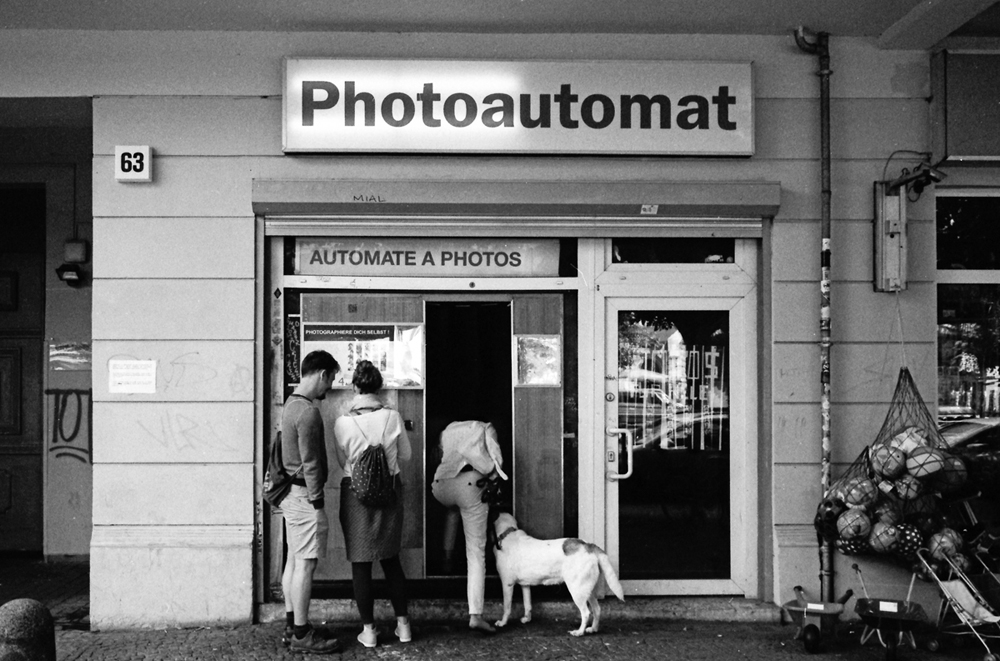
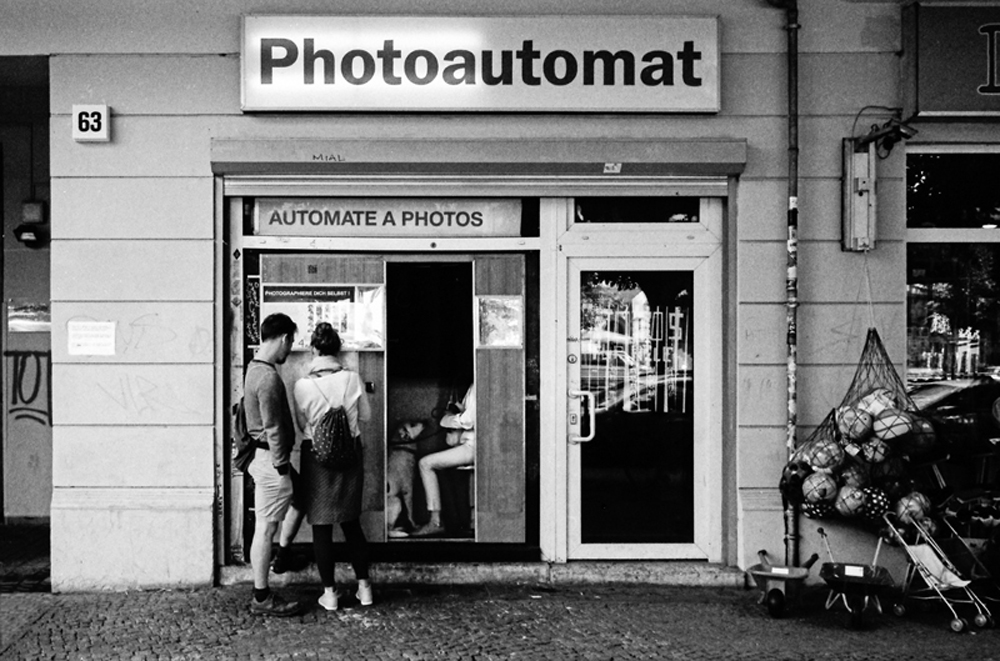
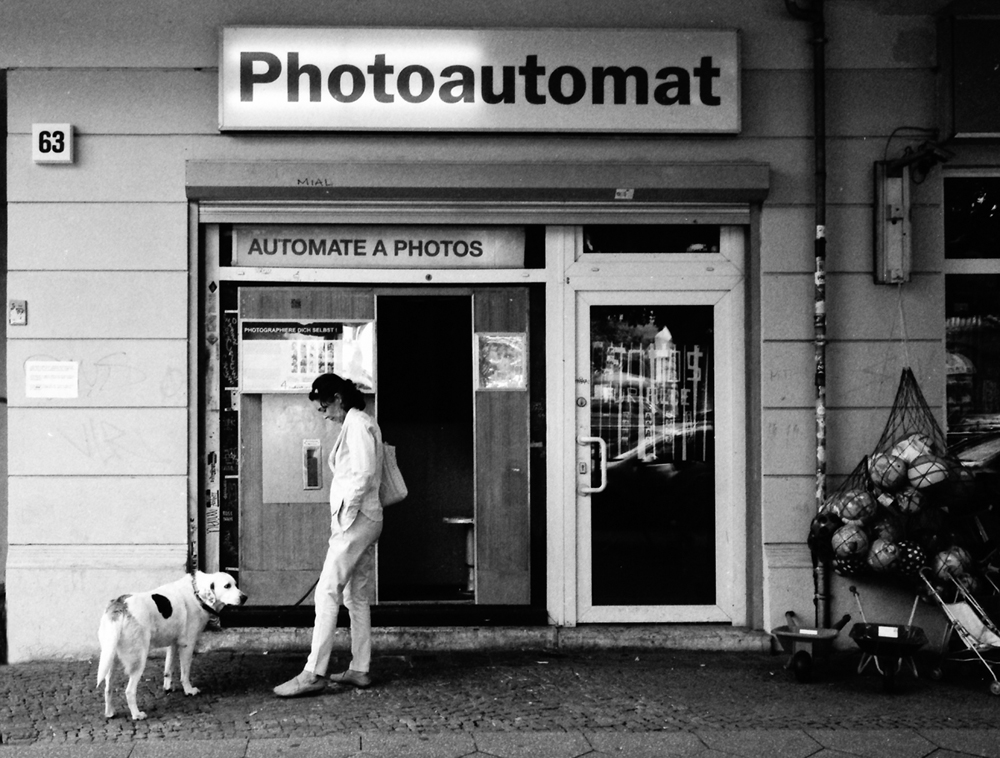
Well, the idea behind Photoautomat came the same night I saw that machine in the street close to the apartment we’re staying. One morning I went alone (I was visiting the city with my family) to take some pictures and I stayed there and observed what’s going on around this machines. In Berlin there are plenty of them and they’ve been rescued for people’s delight, a lot of couples take funny pictures there or even people with their dogs. This one is located in the Prenzlauer Berg district, at the old part of east Berlin. For the last 25 years it has been known for being a creative neighborhood with young and talented people. I took this series and some others in medium format (color) for 40 minutes at the same place.

Urban Street Diving Berlin Photo Booth

Urban Street Diving Berlin Photo Booth

Urban Street Diving Berlin Photo Booth

Urban Street Diving Berlin Photo Booth

Urban Street Diving Berlin Photo Booth

How did it feel to limit yourself in time and location?

It’s a funny experience. If your limit yourself in space and time, you’ll be more careful about the details or you’ll try to be more creative. I think that I never proposed it my self, and I must say the output was very satisfying. You should try it too!

Where can we find more of your work?

Web page www.rue67.com
Instagram https://www.instagram.com/sefoide/
Flickr https://www.flickr.com/photos/sefito/
Twitter https://twitter.com/GeaJoseLuis
Facebook https://www.facebook.com/joseluis.geaarques

Thank you José for your time and the contribution to Urban Street Diving!

Dive Log:

Dive Spot: A Photo Booth at Schönhauser Alle, Berlin, Germany.
Duration: 40 minutes
Weather: Cloudy
What to see: José: “It is a fantastic zone of Berlin for taking photos. Metro is near and the neighborhood is full of restaurants and bar”